What Is a Community Dock? Understanding Community Dock Benefits and Uses
A community dock is a shared docking facility along a waterfront that allows residents and members of a neighborhood or community to moor their boats and access water-related activities. Instead of individual boat slips owned by private homeowners, a community dock serves multiple users, typically managed collectively or by a homeowners association.
Such docks provide convenient water access for boating, fishing, and social gatherings while minimizing the need for each member to maintain a private dock. They help preserve shoreline space and provide a communal hub for waterfront living, promoting a stronger sense of connection among neighbors who share the waterway.
This article explores the key features of community docks, including their design options, legal and environmental considerations, management methods, and the benefits they offer to communities. We’ll also compare community docks with private docks and shared boat docks to clarify when this solution is ideal.
Design Features of a Community Dock
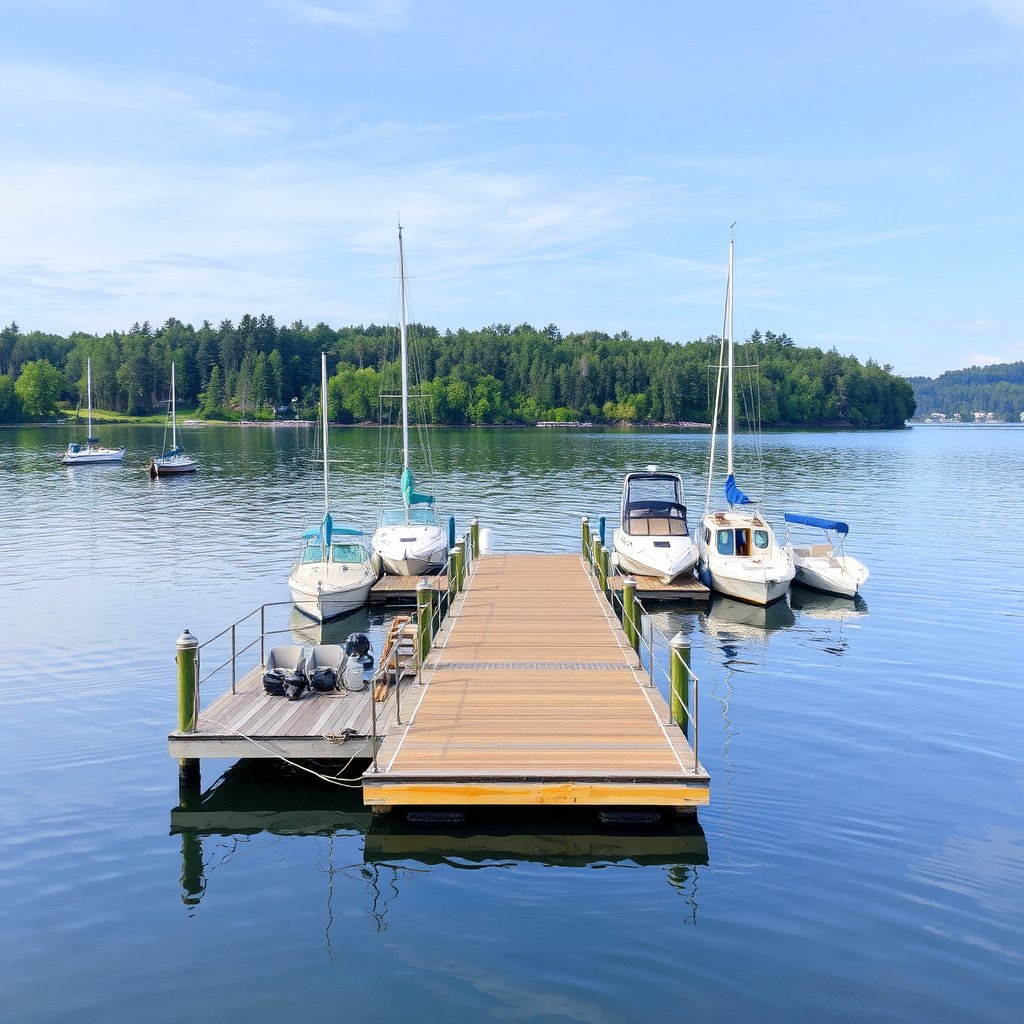
Structure and Layout Options
Community docks vary in size and build, often constructed from wood, composite materials, or metal. Layouts can include floating or fixed docks with multiple slips arranged side-by-side or T-shaped to maximize space. The facilities often include gangways, ladders, and cleats for safe mooring.
The design aims to accommodate several boats simultaneously while maintaining water safety and minimizing environmental disruption. Accessibility features like ramps and non-slip surfaces may be added, depending on community needs.
- Fixed vs. floating dock designs
- Slip size and number planning
- Safety and accessibility features
Amenities and Supporting Facilities
Community docks sometimes offer additional amenities such as benches, lighting, fish cleaning stations, or small storage lockers. These help enhance user experience and foster social interactions among community members.
Depending on local regulations and budgets, docks can include waste disposal units and water hookups to meet boat maintenance requirements while protecting the surrounding ecosystem.
- Benches and seating areas
- Lighting for evening use
- Waste and water disposal options
Legal and Environmental Considerations for Community Docks

Permitting and Regulatory Compliance
Building and maintaining a community dock requires adherence to local zoning laws, environmental regulations, and waterway use permits. These rules vary by region but often govern dock size, location, and construction materials to protect aquatic ecosystems.
Community groups or homeowner associations typically coordinate with municipal or state agencies to obtain the necessary approvals before installation. Legal responsibilities also cover maintenance and liability issues for dock users.
- Zoning and land use permits
- Environmental impact assessments
- Liability and insurance requirements
Environmental Impact and Protection Measures
Community docks must be designed and operated with environmental impact in mind to avoid harming sensitive shorelines and aquatic habitats. Using eco-friendly materials and limiting dock size reduces footprint.
Practices such as regular cleaning, spill prevention, and managing runoff ensure water quality remains high. Collaboration with environmental groups can guide sustainable dock management.
- Eco-friendly construction materials
- Runoff and waste management
- Habitat preservation strategies
Management and Usage Policies of Community Docks

Access and Reservation Systems
Community docks operate under shared usage agreements that define who can use the dock and when. Some docks use reservation systems to allocate slips fairly and avoid overcrowding, while others operate on a first-come, first-served basis.
Membership fees, usage permits, or time limits may be established to manage demand. Clear guidelines help foster cooperation and reduce conflicts among users.
- Slip reservation processes
- Membership and fee structures
- Usage time limitations
For more on this, see our related guide: Dock vs Boat Slip: Which Is Better for Your Waterfront Needs?.
Maintenance Responsibilities and Costs
Maintenance of a community dock is typically funded and carried out collectively by the users or their managing organization. Routine tasks include structural inspections, repairs, cleaning, and seasonal adjustments like ice removal or securing during storms.
Transparent budgeting and scheduled upkeep help ensure safety and prolong dock life, keeping it functional for all community members.
- Regular structural maintenance
- Budget planning for repairs
- Seasonal dock care
Benefits of Using a Community Dock

Cost Efficiency and Shared Resources
Community docks allow several users to share one docking facility, significantly lowering individual costs for construction, maintenance, and permit fees compared to private docks. This shared resource approach makes boating access more affordable for many residents.
Pooling resources also means users can benefit from better amenities and upkeep than might be feasible individually.
- Reduced personal expenses
- Collective maintenance funding
- Improved facility quality
Promoting Community and Social Interaction
Beyond practical benefits, community docks act as social hubs where neighbors connect over boating and water activities. Events like fishing contests, barbecues, or boat launches create strong bonds among residents.
This shared environment enhances quality of life and encourages stewardship of the local water environment.
- Community gatherings and events
- Shared stewardship initiatives
- Stronger neighborhood ties
Community Docks Compared to Private and Shared Boat Docks
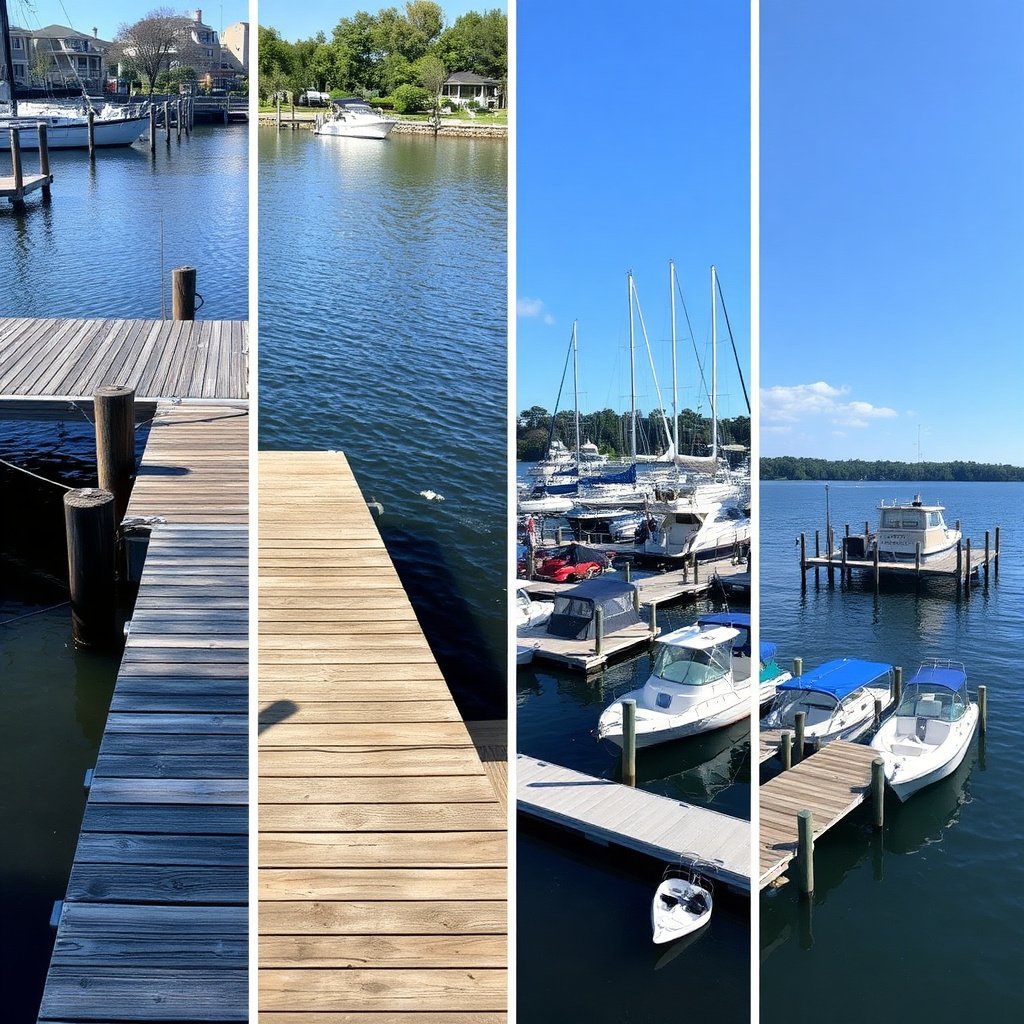
Private Docks Versus Community Docks
Private docks are owned and operated by individual property owners, offering exclusive access but at higher setup and maintenance costs. They provide privacy but use more shoreline resources and require sole responsibility.
Community docks, by contrast, distribute costs and responsibilities among multiple users but may impose usage restrictions to accommodate everyone fairly.
- Exclusive access vs. shared use
- Higher individual costs vs. shared expenses
- Personal control vs. communal rules
For more on this, see our related guide: How to Sell a House with a Dock: Key Steps for Waterfront Property Owners.
Shared Boat Docks as a Middle Ground
Shared boat docks typically refer to facilities where a smaller group, like a cluster of neighbors, shares dock space without a formal community management structure. They offer some cost sharing but less complex administration.
Community docks tend to be larger and formally managed, focusing on orderly access and maintenance for more users.
- Informal sharing vs. organized management
- Smaller scale vs. larger community coverage
- Limited amenities vs. comprehensive facilities
Common Challenges and Solutions for Community Docks

Managing Conflicts and Fair Use
Conflict over dock access or maintenance responsibilities can arise. Clear usage policies and communication channels help mediate disputes among community dock users.
Setting up a governing committee or appointing a dock manager can enforce rules and handle complaints fairly.
- Defined usage rules
- Conflict resolution protocols
- Designated management roles
For more in-depth technical terminology and classifications related to docks, see community dock details on Wikipedia. community dock details on Wikipedia.
Addressing Weather and Environmental Wear
Waterfront docks face challenges from storms, ice, and biological growth that can weaken structures over time. Regular inspections and using durable, weather-resistant materials extend dock lifespan.
Implementing seasonal preparations and emergency repair plans minimizes downtime after environmental damage.
- Use of treated or composite materials
- Routine weather-related maintenance
- Emergency response planning
Community Dock Categories and Their Characteristics
The table below contrasts various types of docks to highlight the distinct features and suitable scenarios for community docks versus private and shared boat docks.
| Category | Access Control | Cost per User | Maintenance Responsibility | Typical Users |
|---|---|---|---|---|
| Private Dock | Exclusive | High | Individual Owner | Single homeowner or property owner |
| Community Dock | Shared, Managed | Low to Moderate | Community or HOA | Multiple residents or members |
| Shared Boat Dock | Shared, Informal | Moderate | Small group | Cluster of neighbors |
| Marina Dock | Paid Access | Variable | Marina Operator | General public and transient boaters |
Frequently Asked Questions
Who typically owns and manages a community dock?
Community docks are usually owned and managed by a homeowners association, community group, or cooperative that oversees maintenance, scheduling, and rules to benefit all users.
Can anyone in the community use a community dock?
Access is generally limited to residents or members of the managing organization. Sometimes guests are allowed but must follow specific guidelines and permissions.
What are the environmental benefits of community docks?
Community docks reduce shoreline footprint compared to multiple private docks, minimizing habitat disruption and promoting better water quality through shared maintenance practices.
How are usage conflicts typically handled on community docks?
Most community docks implement clear rules, reservation systems, and appoint a management committee or dock master to resolve disputes and ensure fair use.
Are community docks suitable for all types of boats?
Community docks usually accommodate typical recreational boats such as small motorboats, kayaks, or sailboats. Extremely large vessels may require specialized private or marina docks.
Key Takeaways
- Community docks provide shared waterfront access to multiple users, lowering individual costs.
- They require careful legal permitting and environmental protections to operate sustainably.
- Management includes fair usage policies and shared maintenance responsibilities.
- Compared to private docks, community docks promote social interaction and efficient shoreline use.
Conclusion
When deciding whether a community dock fits your waterfront needs, weighing affordability, usage frequency, and social aspects plays a major role. A community dock balances cost savings with shared responsibility and often brings a stronger friendship fabric into waterfront neighborhoods. Considering legal mandates and environmental protections up front prevents future issues and fosters lasting enjoyment.
For those living in neighborhoods with many boating enthusiasts but limited private dock space, community docks offer a practical solution. Shared boat docks suit smaller groups looking for informal arrangements, while private docks remain ideal where exclusivity is top priority. Understanding the trade-offs in access control, cost, and upkeep makes choosing the right dock type clearer.
If your community lacks adequate dock facilities, taking initial steps like organizing interested neighbors and consulting local authorities about permits can help launch a community dock project. With thoughtful planning and cooperation, community docks become valuable assets that enrich waterfront living experiences.


One Comment