How Much Does a Vacation Rental Make? Understanding Income Potential
A vacation rental's income varies widely, with typical earnings ranging from a few thousand to over $50,000 annually depending on location, property size, and rental frequency. On average, many hosts report making between $1,000 and $5,000 monthly during peak season, but net profits depend on expenses.
Many property owners view vacation rentals as lucrative income streams, but earnings fluctuate due to seasonality, local demand, and marketing efforts. Understanding these influencing factors helps in setting realistic expectations about how much money a vacation rental can generate and whether it fits your financial goals.
This article breaks down the main aspects influencing vacation rental earnings, explores average income compared to expenses, and suggests effective methods to increase profitability so you can make the most from your property investment.
Factors That Influence How Much a Vacation Rental Makes
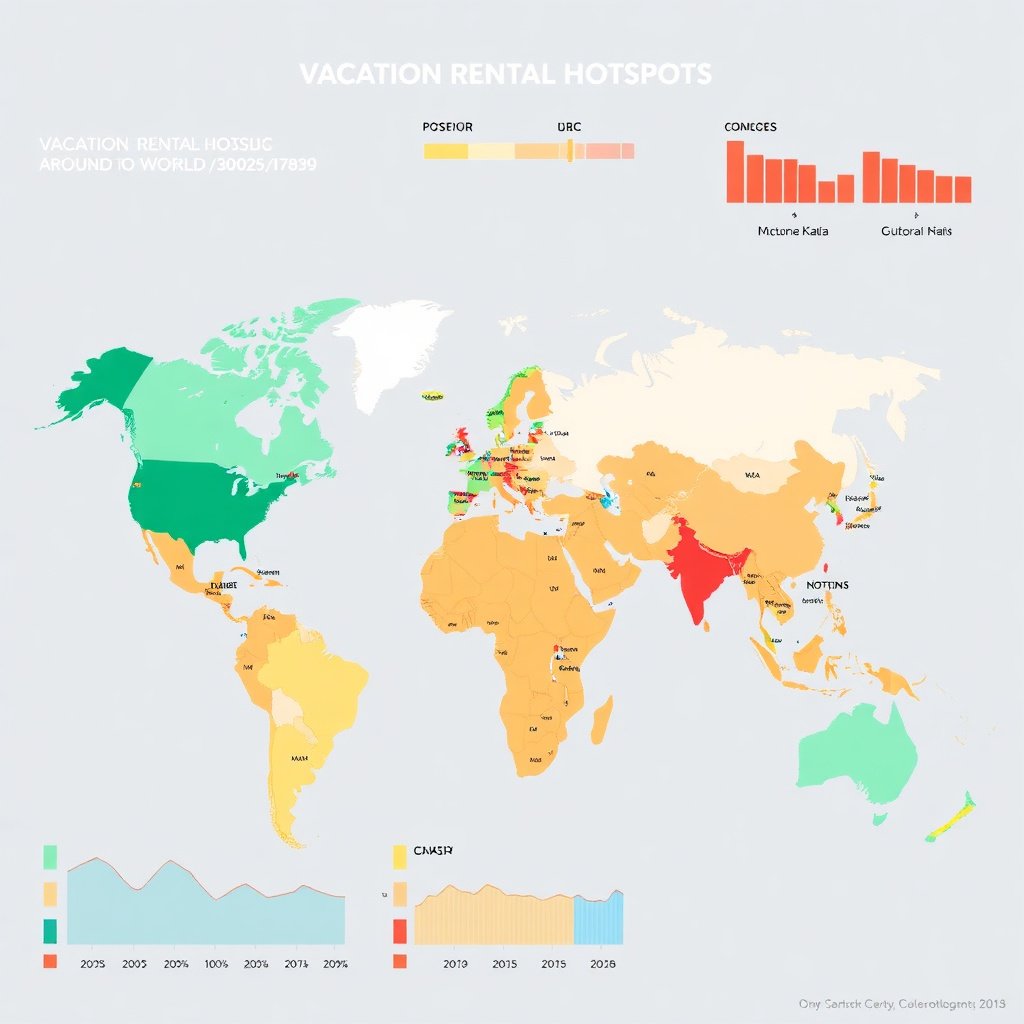
Location and Market Demand
The location of a vacation rental is the primary driver of how much it can earn. Properties in popular tourist destinations with year-round visitors typically command higher nightly rates and enjoy better occupancy. Urban areas with strong event calendars, picturesque beaches, or close proximity to attractions draw larger crowds.
Local market dynamics matter, too. Areas with many competing rentals might see lower rates, while emerging travel spots can offer high growth potential. Seasonality impacts demand significantly, with peak travel months generating most of the income. Understanding your market is critical for optimizing revenues.
- Prime tourist hubs yield higher rental income
- Seasonal demand spikes affect occupancy and rates
- Nearby attractions and events boost bookings
Property Type and Amenities
The kind of vacation rental you offer influences earnings. Larger homes or luxury condos can charge more per night but may see fewer bookings due to higher prices. Smaller units like studios can fill dates more consistently at modest rates. Offering unique features such as pools, hot tubs, or beachfront access also adds value.
Upgraded amenities and quality interiors attract better reviews and repeat guests, allowing owners to increase their prices gradually. Properties set up for families or group travelers often enjoy longer stays, which reduces turnover costs and boosts net income.
- Luxury and size directly correlate with nightly rates
- Unique amenities improve rental desirability
- Amenities tailored to target guests increase bookings
Calculating Vacation Rental Income Potential
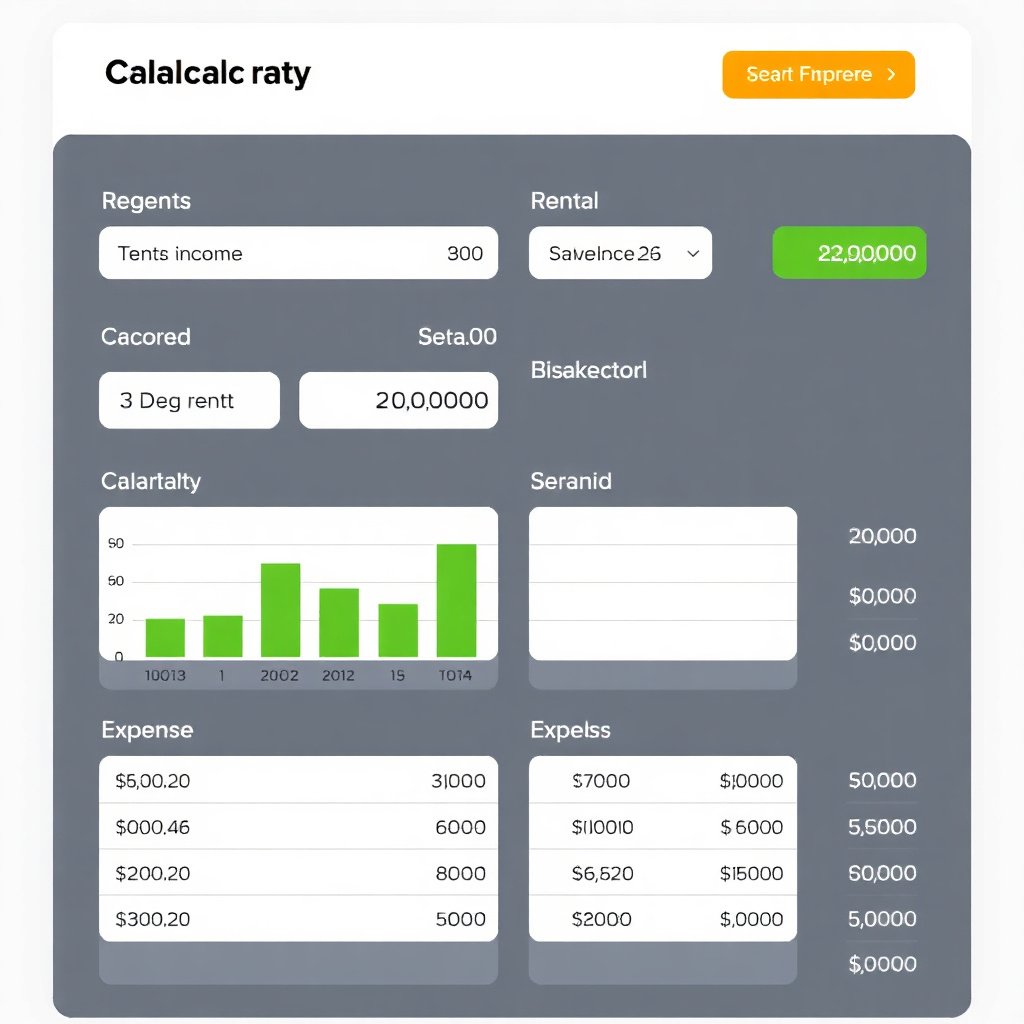
Estimating Gross Rental Income
Gross rental income is what the vacation rental generates before costs. It depends on the average nightly rate multiplied by the expected number of booked nights per year. For example, a property charging $150 per night with 120 booked nights would gross $18,000 annually.
Occupancy rates vary widely, ranging from under 30% in off-seasons to over 75% in busy periods. Researching comparable rentals in your area provides benchmarks to estimate realistic income scenarios using seasonally adjusted estimates.
- Calculate based on average nightly rate and occupancy
- Consider seasonal fluctuations in occupancy
- Use local competitor data to benchmark rates
Accounting for Expenses and Operating Costs
Operating a vacation rental requires factoring in costs such as cleaning, maintenance, utilities, property management fees, insurance, and taxes. These expenses typically consume 30% to 50% of gross income, reducing net profits significantly.
Understanding your specific expense profile is crucial. Some rentals might have high maintenance costs if located near the ocean or in older properties. Others may save money by managing bookings personally versus using a property manager.
- Anticipate up to half of revenue spent on expenses
- Factor in maintenance, cleaning, and management fees
- Consider local taxes and insurance costs
Strategies to Maximize Vacation Rental Income

Effective Pricing and Dynamic Rate Management
Price flexibility is key to maximizing profits. Employing dynamic pricing tools that adjust rates based on demand, local events, and competitor pricing can fill more nights while optimizing earnings. Discounts for longer stays or last-minute bookings attract additional guests.
Regularly reviewing rates based on occupancy data and guest feedback helps owners avoid leaving money on the table or pricing themselves out of the market.
- Utilize dynamic pricing software
- Offer discounts for extended stays
- Adjust rates for special events and holidays
For more on this, see our related guide: Is It Worth Buying a Lake House for Rental Income? Pros and Cons to Consider.
Enhancing Guest Experience to Boost Bookings
Good guest reviews drive more bookings and justify higher prices. Providing thoughtful touches such as clear communication, spotless cleanliness, and local guides can improve ratings.
Investing in quality photos and detailed, honest listing descriptions also attract guests. Repeat visitors and word-of-mouth recommendations reduce vacancy and build steady income over time.
- Maintain excellent cleanliness and communication
- Use professional photos and complete descriptions
- Solicit and respond to guest feedback
Comparing Vacation Rental Income to Other Rental Models
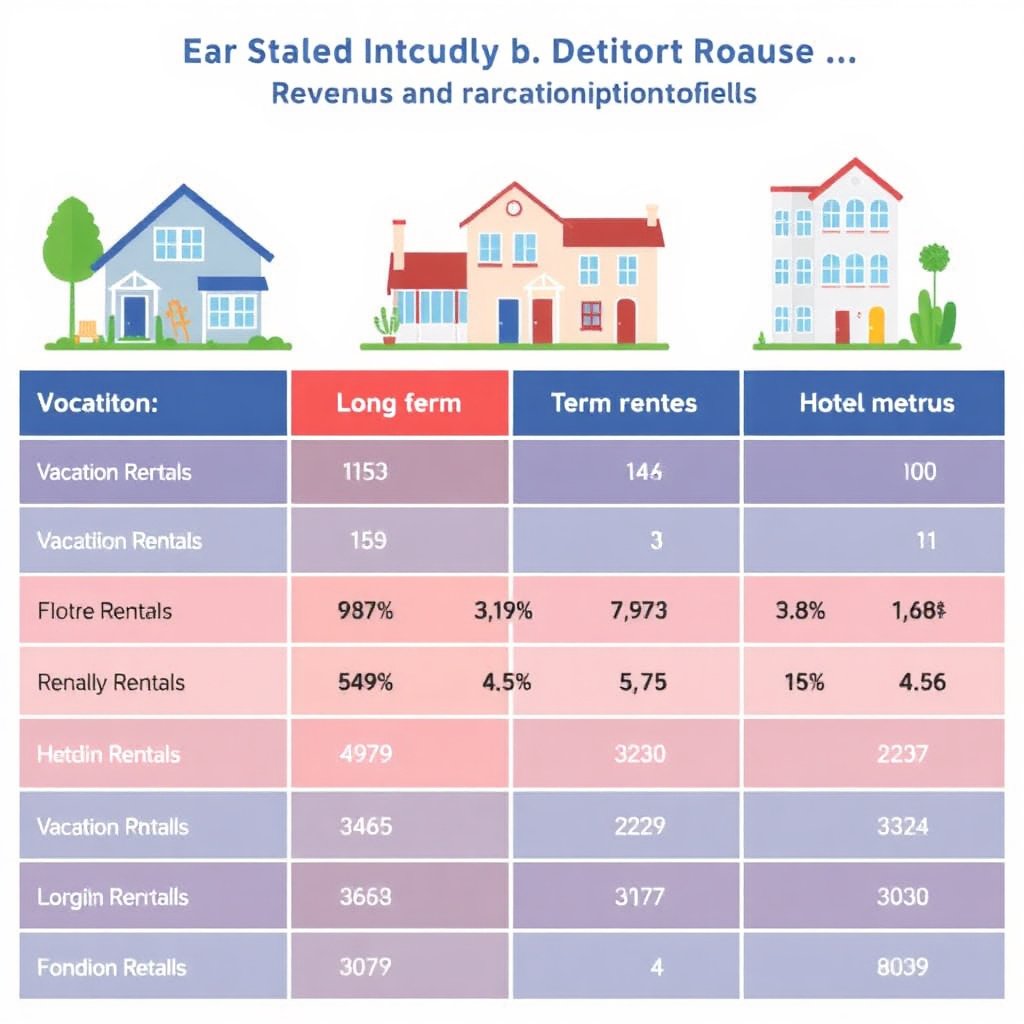
Vacation Rental vs. Long-term Rental Income
Vacation rentals often generate significantly more monthly income than long-term rentals but come with higher operational costs and variability. Long-term leases provide steady income but usually at lower monthly rates without major seasonal spikes.
Owners need to weigh the convenience of stable payments against the higher earning potential and active management that vacation rentals require.
- Vacation rentals yield higher peak revenues
- Long-term rentals offer stable, consistent income
- Management intensity differs greatly
Vacation Rental vs. Hotel Revenue Models
Hotels usually benefit from economies of scale and professional teams, whereas vacation rentals depend on independent hosts. However, top vacation rentals can sometimes outperform hotels in profitability, particularly in unique or high-demand locations.
Vacation rentals often appeal to travelers seeking privacy and home-like amenities that hotels can't match, allowing higher rates in many situations.
- Hotels have higher fixed costs but more bookings
- Vacation rentals provide unique stays with premium rates
- Profit margins vary by management approach
Legal and Tax Considerations Affecting Vacation Rental Income

Regulations Impacting Rental Income
Local governments may impose restrictions such as licensing requirements, limits on rental frequency, and zoning rules that affect income potential. Some cities cap short-term rentals or require registration, incurring fees that reduce profits.
Noncompliance can result in penalties or loss of rental privileges, so understanding local laws thoroughly is essential before listing a vacation rental.
- Check for local short-term rental restrictions
- Acquire necessary licenses and permits
- Stay updated on zoning and housing laws
For more on this, see our related guide: How Much Do You Need to Buy a Lake House? A Detailed Financial Guide.
Tax Implications and Deductions
Income from vacation rentals is taxable, but owners can typically deduct expenses like mortgage interest, repairs, utilities, and depreciation. Some regions also require collecting and remitting occupancy taxes to local authorities.
Maintaining detailed records and consulting tax professionals ensures compliance and maximizes financial benefits from allowable deductions.
- Report rental income accurately on tax returns
- Deduct eligible expenses to lower taxable income
- Comply with occupancy tax regulations
Marketing Your Vacation Rental to Increase Earnings

Leveraging Online Listing Platforms
Listing on major vacation rental websites exposes your property to millions of potential guests worldwide. Optimizing your listing with high-quality photos, strong titles, and detailed descriptions drives higher views and bookings.
Using multiple platforms can increase visibility, but managing calendars carefully prevents double bookings. Reviews and ratings on these sites influence future guests significantly.
- Create engaging listings with professional photos
- Use multiple platforms for broader reach
- Maintain updated availability calendars
For a detailed explanation of vacation rental income and related financial considerations, refer to Investopedia's comprehensive guide. Vacation rental income details on Investopedia.
Building a Direct Booking Website
A direct booking website reduces reliance on third-party platforms and saves on commission fees. It allows owners to create branded experiences and offer special deals to loyal guests.
Implementing SEO and social media marketing for the website helps attract targeted traffic and maximizes long-term income potential outside saturated online marketplaces.
- Develop a user-friendly booking site
- Promote through SEO and social media campaigns
- Offer incentives for repeat bookings
Vacation Rental Income Category Comparison
The following table compares typical income and expenses among various vacation rental categories to help clarify earning potential.
| Category | Average Nightly Rate | Occupancy Rate | Annual Gross Income | Typical Expense Ratio |
|---|---|---|---|---|
| Beachfront Condo | $250 | 70% | $63,875 | 40% |
| Urban Studio Apartment | $120 | 65% | $28,470 | 35% |
| Luxury Villa | $500 | 55% | $100,375 | 50% |
| Mountain Cabin | $180 | 60% | $39,420 | 40% |
| Suburban Family Home | $200 | 50% | $36,500 | 38% |
Frequently Asked Questions
How much can I expect to make from a vacation rental monthly?
Monthly income varies widely but typically ranges from $1,000 to $5,000 depending on location, size, and demand during peak travel months.
What expenses should I expect with a vacation rental?
Common expenses include cleaning, maintenance, property management fees, utilities, insurance, and local taxes, which usually account for 30% to 50% of gross rental income.
Does vacation rental income vary by season?
Yes, seasonal fluctuations are significant, with peak travel periods producing most bookings and off-seasons often seeing much lower occupancy and income.
Can I increase my vacation rental income with dynamic pricing?
Using dynamic pricing tools to adjust rates based on demand and competition can improve booking rates and maximize rental income effectively.
Are there legal requirements to consider before renting out my property as a vacation rental?
Many locations require specific permits or licenses, and some enforce restrictions on short-term rentals, so it's important to verify local regulations before listing your property.
Key Takeaways
- Vacation rental income depends heavily on location and market demand.
- Operating costs reduce gross income by up to half, influencing net profits.
- Dynamic pricing and excellent guest experience boost earnings significantly.
- Legal compliance and tax planning are essential for sustainable income.
Conclusion
Determining how much a vacation rental makes involves combining many factors such as property's geographic location, type, market demand, and the owner's ability to manage expenses and marketing effectively. A clear view of gross income potential versus operating costs is essential when deciding to invest in or operate a vacation rental. By analyzing local market trends, competition, and guest needs, owners can estimate realistic income expectations specific to their property. Consistent monitoring and adaptation help maintain profitability over time.
For owners targeting maximum revenue, properties in high-tourism areas or unique settings like beachfront condos and luxury villas tend to generate substantial income but also come with higher maintenance and management complexity. Smaller units or urban studios appeal to steady traffic with less operational load. Employing dynamic pricing and focusing on outstanding guest experiences can increase occupancy and average nightly rates. Understanding applicable laws and tax benefits further ensures that rental operations are both legal and financially optimized.
If you're considering starting or improving a vacation rental, begin by researching comparable properties and their income potential using online platforms. Calculate expected expenses carefully and explore dynamic pricing tools to boost income. Maintain excellent guest communication and invest in professional marketing to grow your bookings. Staying informed about local regulations and tax requirements saves headaches and strengthens your rental's performance. With thoughtful preparation and ongoing effort, your vacation rental can become a significant income source.