How to Insure a Rental Property: A Step-by-Step Guide
Insuring a rental property means securing the right landlord insurance policy that protects your physical structure, liability risks, and rental income. This specialized insurance covers damage from fire, storms, theft, and lawsuits related to tenant injuries or property damage. Starting with the right policy safeguards your investment from unforeseen costs and legal exposure.
Many landlords mistakenly assume a homeowner’s policy is enough, but rental properties require different coverage due to tenant-related risks and business considerations. Insurance not only shields your building but can also protect your rental income during repairs, lowering financial stress during vacancies or disasters.
This article explains how to insure a rental property by outlining key insurance types, coverage options, common pitfalls to avoid, and tips for choosing the best policy depending on your property type and location.
Understanding Rental Property Insurance Needs
Types of Coverage
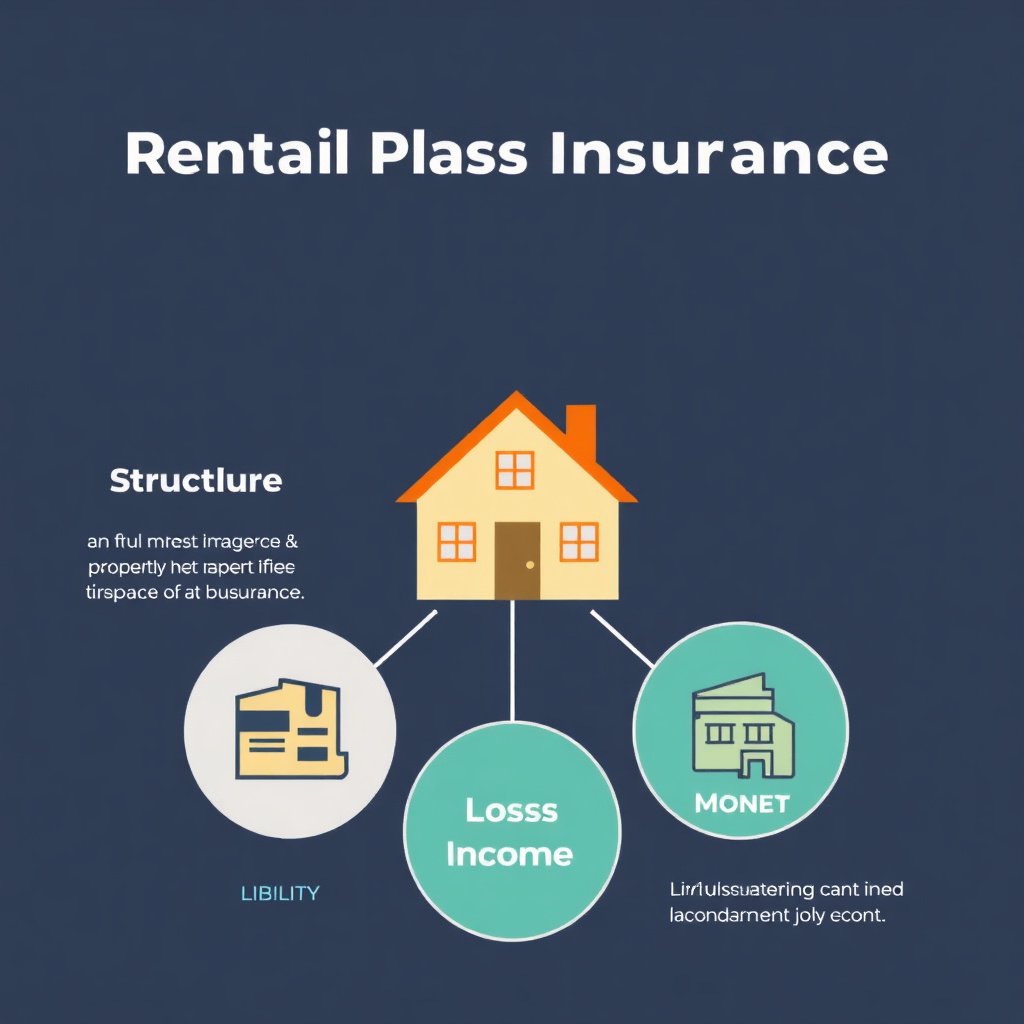
Rental property insurance typically includes several coverage types including dwelling, personal property, liability, and loss of rent coverage. Dwelling coverage protects the building itself against damage from fire, vandalism, or natural disasters like hurricanes and theft. Personal property coverage can protect landlord-owned appliances or furnishings if included.
Liability coverage safeguards landlords from claims arising from injuries tenants or visitors suffer on the property. Loss of rent coverage reimburses lost rental income during times the property becomes uninhabitable due to covered damages, helping maintain cash flow.
Why Homeowners Insurance Isn’t Enough
Homeowners insurance is designed for owner-occupied dwellings and rarely covers tenant-caused damage or loss of rental income. Rental property insurance is tailored to landlord risks, offering broader protections and liability limits.
Relying on homeowner’s insurance can leave landlords vulnerable to uncovered losses and liability claims, potentially leading to costly out-of-pocket expenses.
Choosing the Right Rental Property Insurance Policy

Evaluating Coverage Limits and Deductibles
Choosing coverage limits requires understanding the estimated replacement cost of your property and potential liability exposure. High coverage limits reduce financial risk but increase premiums. Deductibles represent out-of-pocket amounts paid before insurance applies; higher deductibles lower premiums but increase upfront costs after damage.
Balancing deductible and coverage levels can optimize your policy’s cost-effectiveness while ensuring adequate protection.
Additional Coverage Options
Depending on your location and tenant type, you may need add-ons like flood insurance, earthquake coverage, or legal expense protection. Some policies offer coverage for tenant eviction costs or equipment breakdown.
Review your policy with an agent to tailor coverage to your property’s unique risks and to understand any endorsements that improve protection.
Steps to Insure a Rental Property

Assess Your Property and Risks
Begin by evaluating the size, age, and condition of your rental property. Identify risks based on local crime rates, weather patterns, and typical tenant profiles. This assessment guides the amount and types of insurance coverage vital for effective protection.
Documenting property features and understanding liability concerns helps clarify insurance requirements and avoid coverage gaps.
For more on this, see our related guide: How to Insure a Vacation Home: A Complete Guide for Homeowners.
Compare Quotes and Select an Insurer
Obtain multiple quotes from reputable insurers specializing in landlord policies. Compare premiums, coverage details, exclusions, customer service, and claim handling reputation.
Don’t hesitate to negotiate terms or ask about discounts for bundling policies or installing security measures as these can reduce overall insurance costs.
- Request quotes from at least three insurers
- Ask about multi-policy or security system discounts
- Understand all coverage exclusions before deciding
Managing Risks to Lower Insurance Costs

Implementing Safety and Security Measures
Installing smoke detectors, carbon monoxide alarms, security cameras, and deadbolt locks reduces the chance of property damage and tenant injuries, directly lowering risk for insurers. These upgrades often lower premiums.
Regular property maintenance and prompt repairs limit liability and claim frequency, helping keep insurance rates stable over time.
- Smoke and carbon monoxide detectors
- Security cameras and lighting
- Lock upgrades and gated access
Screening and Managing Tenants
Thorough tenant screening reduces risks of property damage and liability claims. Background and credit checks, employment verification, and rental history review help identify reliable tenants who reduce risk exposure.
A responsible tenant also lowers the chances of frequent claims, impacting insurance costs positively.
Common Pitfalls When Insuring Rental Properties

Ignoring Local Legal and Insurance Requirements
Some localities require minimum landlord insurance coverage or specific endorsements. Failing to meet these legal standards can lead to fines or lack of claim payouts. Verify local legal obligations to avoid surprises.
Also ensure your policy reflects any mortgage lender requirements, if applicable.
For more on this, see our related guide: How to Choose a Lake House: Essential Tips for Your Perfect Waterfront Retreat.
Overlooking Exclusions and Coverage Gaps
Insurance policies typically exclude certain damages like floods or earthquakes unless you purchase additional coverage. Many landlords mistakenly assume these risks are covered under standard policies, leading to uncovered losses.
Review policy fine print carefully and ask your agent to clarify all exclusions, caps, and conditions.
Maintaining and Updating Your Rental Property Insurance

Regularly Reviewing Coverage
Property values and risks evolve, so review your rental property insurance annually or after major renovations. Adjust coverage limits to reflect changes and ensure continued adequate protection.
This avoids underinsurance, which could lead to large out-of-pocket expenses after a claim.
For more detailed background and terminology around landlord insurance, see the landlord insurance overview on Wikipedia. Landlord insurance overview on Wikipedia.
Reporting Changes Promptly
Notify your insurer immediately if you add new structures, change tenants to commercial use, or make significant upgrades. Failure to report changes can void claims or limit coverage.
Maintaining open communication with your insurer supports smooth claims and policy management.
Types of Rental Property Insurance Comparison
Here is a comparison of common types of rental property insurance policies to help you understand their features and suitability.
| Policy Type | Coverage Focus | Typical Premium Cost | Best For |
|---|---|---|---|
| Basic Landlord Insurance | Dwelling, liability, loss of rent | $800-$1,200/year | Small single-family rentals |
| Comprehensive Landlord Insurance | Extended liability, contents, legal expenses | $1,200-$1,800/year | Multi-unit buildings, furnished rentals |
| Named Perils Policy | Specific risks like fire, windstorm only | $600-$900/year | Low-risk areas with fewer hazards |
| All Risk Policy | Broad coverage except listed exclusions | $1,500-$2,200/year | High-value or high-risk properties |
| Flood and Earthquake Riders | Natural disaster coverage add-on | $300-$700/year extra | Properties in flood or seismic zones |
Frequently Asked Questions
Do I need rental property insurance if I have landlord insurance?
Landlord insurance is designed for rental properties and often covers dwelling, liability, and loss of income. It’s important to confirm that you have landlord insurance specifically, not just a homeowner’s policy, for proper coverage.
Can insurance cover damage caused by tenants?
Standard landlord insurance typically covers tenant-caused damage except intentional or illegal acts. However, it’s important to clarify coverage terms with your insurer and consider a security deposit to manage such risks.
How does loss of rent coverage work?
Loss of rent insurance reimburses lost rental income when your property becomes uninhabitable due to a covered peril. It helps maintain cash flow by compensating you during the repair or rebuilding period.
What factors affect rental property insurance premiums?
Premiumpayments depend on property type, location, age, risk factors like crime and weather, coverage limits, and deductible levels. Improved security features and good tenant screening can reduce costs.
Is flood insurance included in standard rental property policies?
Flood damage is generally excluded from standard landlord policies. It requires a separate flood insurance policy or rider, especially important if your property is in a flood-prone area.
Key Takeaways
- Landlord insurance protects your rental property structure, liability, and rental income.
- Homeowners insurance does not cover typical rental property risks adequately.
- Proper coverage limits and additional riders reduce uncovered losses.
- Risk management like tenant screening and security lowers insurance costs.
Conclusion
Insuring a rental property involves carefully evaluating your building’s value, potential liability risks, and tenant-related exposures. Choosing an insurance policy designed specifically for landlords, rather than a standard homeowner’s policy, provides the necessary protection. Balancing coverage limits, deductibles, and optional riders like flood or earthquake insurance helps avoid costly gaps while you safeguard your investment. Regularly reviewing and updating your insurance ensures your protection keeps pace with changes to your property and market conditions.
For landlords with small single-family homes, basic landlord insurance complemented with tenant screening and security improvements often provides an effective balance of cost and coverage. Owners of larger or furnished rental units may prefer comprehensive policies with extended liability and loss of rent protections. Those in high-risk areas should strongly consider specialized riders for natural disasters. Understanding these policy distinctions can help landlords select a plan that matches their specific property characteristics and local risks effectively.
The next step is to assess your rental property’s unique risks and obtain quotes from multiple insurers offering tailored landlord insurance policies. Ask detailed questions about coverage limits, exclusions, and costs to avoid surprises. Investing time in careful insurance selection and ongoing management gives landlords confidence their property, income, and liabilities are properly protected against unpredictable events.