How to Sell a House with a Dock: Key Steps for Waterfront Property Owners
Selling a house with a dock requires understanding the unique appeal and challenges of waterfront properties. To maximize value, highlight the dock's condition, local water access benefits, and any permits involved. Proper pricing and marketing specific to lake or riverfront buyers increase your chances of a quick sale.
Waterfront homes attract buyers looking for lifestyle and recreation options, so the dock often serves as a key selling point. However, docks also involve maintenance and regulatory issues that can influence buyer interest. Knowing how to present these features clearly is essential to avoid surprises that deter offers.
This article will cover essential aspects like assessing dock value, legal documentation, staging a waterfront property, targeted marketing strategies, and negotiation tips to help you sell your house with a dock smoothly and profitably.
Understanding the Value of Your Dock and Waterfront Property
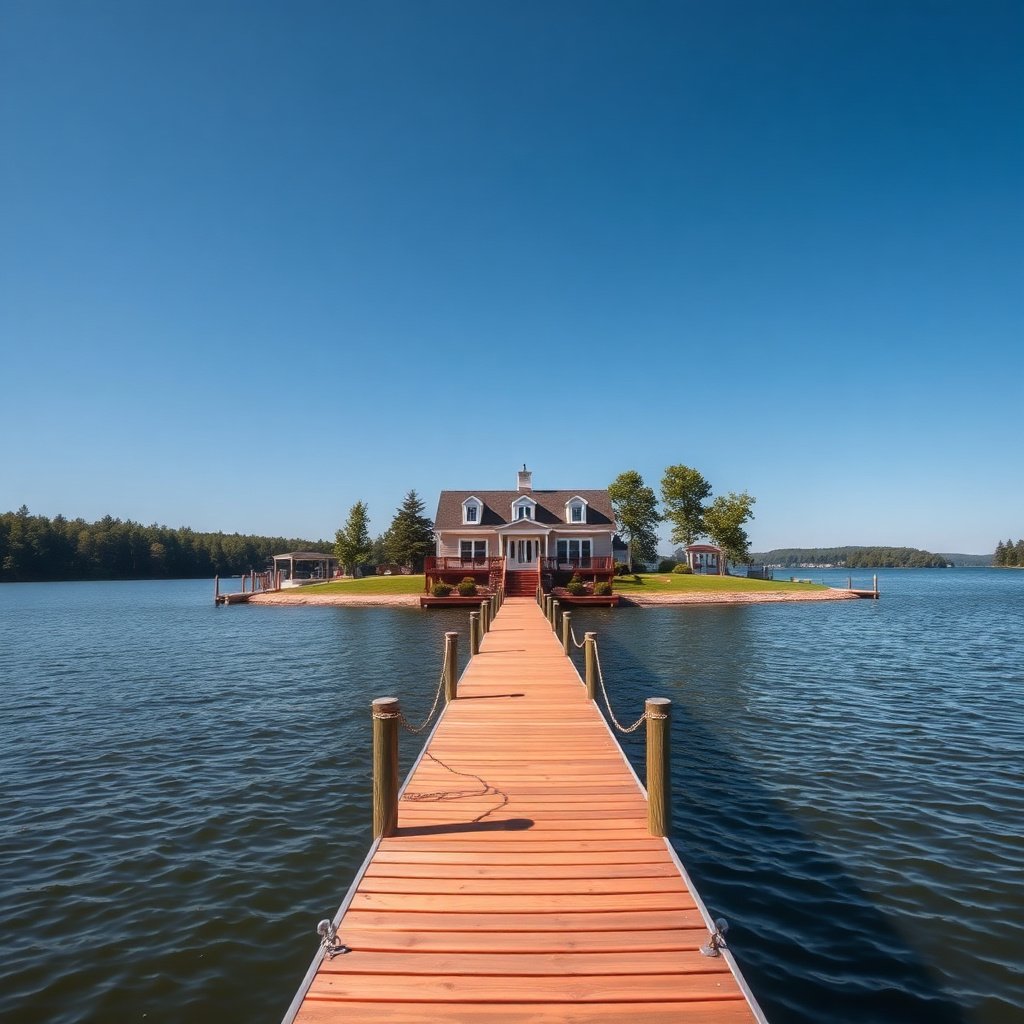
Evaluating Dock Condition and Features
Buyers expect a dock that is safe, accessible, and visually appealing. Assess the structure for rot, stability, and compliance with local building codes. Features like boat lifts, jet ski ports, and lighting add value and widen buyer interest. Document recent repairs or upgrades to justify pricing.
A poorly maintained dock can deter offers or reduce your asking price. Consider professional inspections or minor renovations before listing to assure potential buyers of the dock’s quality and longevity.
- Inspect wood and metal elements for wear
- Check for secure anchoring and structural integrity
- Highlight additional amenities like seating or storage
- Ensure compliance with local environmental regulations
Assessing Waterfront Location and Accessibility
The quality of water access significantly impacts property desirability. Properties on private lakes or calm rivers may command higher prices than homes on busy or restricted waterways. Privacy, water depth, and ease of boat launching can influence buyer preferences.
Understanding zoning laws and waterway restrictions helps set realistic expectations. Buyers will appreciate transparent information about tides, seasonal water levels, or potential dock use limits.
- Check for nearby public boat ramps or marinas
- Investigate water depth for different seasons
- Describe local water activities available
- Clarify any shared dock or easement agreements
Legal and Regulatory Considerations When Selling Waterfront Homes with Docks
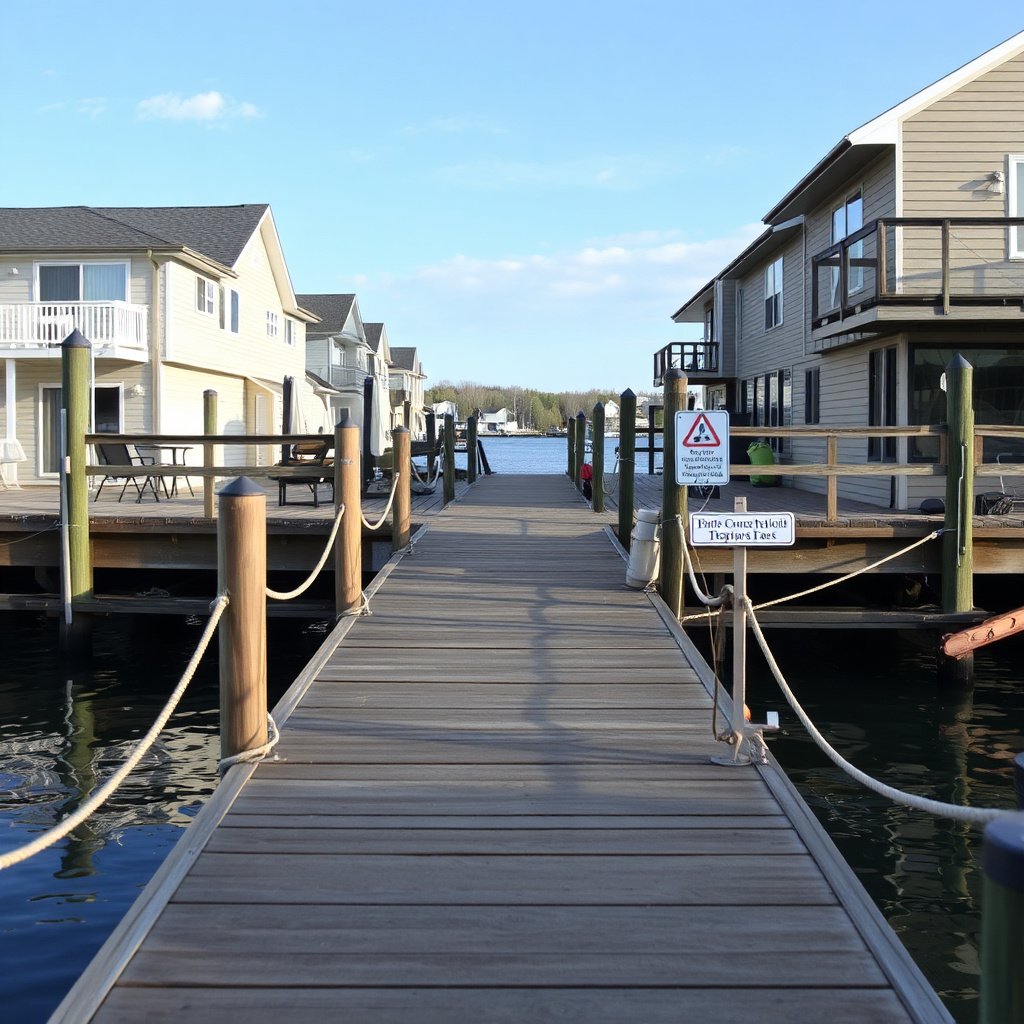
Permits, Titles, and Easements for Docks
Docks may require specific permits or be subject to easements limiting usage. Providing these documents during the sale avoids legal delays and builds buyer trust. If multiple owners share dock access, clarify agreements in writing.
Address any outstanding permit renewals or environmental impact assessments as these can influence buyer financing or insurance eligibility.
- Gather and prepare all dock-related permits
- Review easement agreements with a real estate lawyer
- Disclose known regulatory restrictions openly
- Confirm compliance with local waterfront ordinances
For more on this, see our related guide: How to Sell a Lake House Fast: Proven Strategies for a Quick Sale.
Handling Environmental and Safety Requirements
Safety standards like railings or non-slip surfaces are often required for docks, especially in public or shared-use areas. Environmental rules may restrict dock size or material choice to protect aquatic ecosystems.
Document any recent compliance efforts or inspections so buyers feel assured that the property meets legal and safety standards.
- Verify dock meets state or municipal safety codes
- Understand restrictions on dock extension or repairs
- Provide environmental impact disclosures if necessary
- Suggest solutions for outdated or non-compliant features
Marketing Your House with a Dock to Waterfront Buyers

Highlighting Waterfront Lifestyle in Listings
Use descriptive language and photos that showcase the dock’s recreational benefits, like boating, fishing, or relaxing by the water. Narratives about serene mornings or social gatherings on the dock can attract lifestyle buyers.
Incorporate aerial images or videos to convey the full waterfront experience, showing water clarity, dock arrangement, and nearby scenery.
- Include high-quality photos of the dock at different times of day
- Feature testimonials or stories about dock usage
- Stress unique selling points like private water access
- Create virtual tours focusing on waterfront features
Targeted Advertising and Buyer Outreach
Market your listing to boating enthusiasts, fishing groups, and vacation home buyers through specialized channels like marina bulletin boards, boating magazines, or social media communities focused on waterfront living.
Work with real estate agents familiar with waterfront properties who can tap into niche buyer pools and negotiate with an understanding of dock-related details.
- List on popular waterfront property websites
- Use targeted social media ads focused on outdoor enthusiasts
- Attend local boat shows or community events with materials
- Collaborate with agents experienced in lakefront sales
Preparing Your House and Dock for Showings
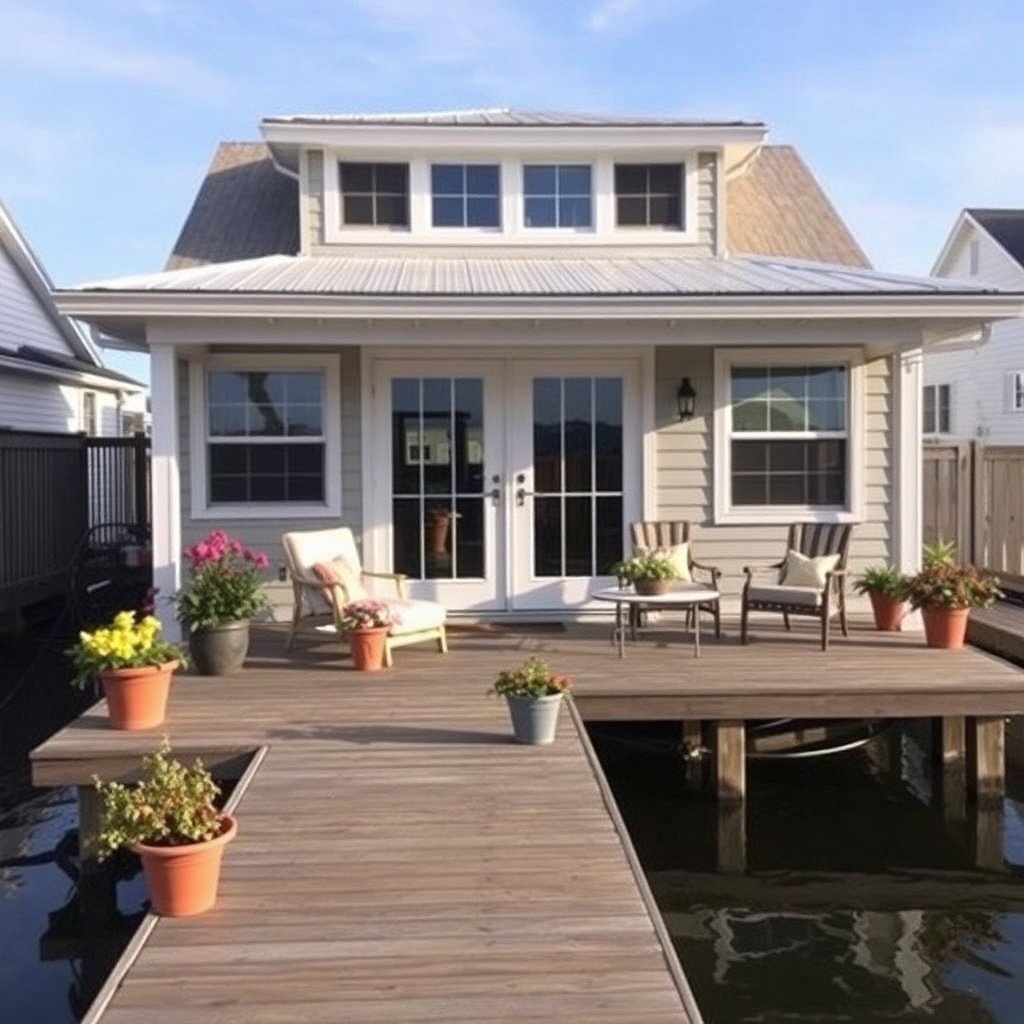
Staging the Dock Area for Maximum Appeal
Make the dock an inviting outdoor space by adding seating, clean surfaces, and subtle lighting. Remove clutter such as fishing gear, maintenance tools, or old boats to keep focus on potential uses.
Enhance curb appeal around the waterline with trimmed lawns, non-invasive plants, and clear pathways to the dock to create a seamless visitor experience.
- Power wash dock surfaces for cleanliness
- Add comfortable chairs or a small table
- Install solar or battery-operated lights
- Remove or organize any distracting items
For more on this, see our related guide: How Many Lake Houses Are for Sale at Lake of the Ozarks?.
Preparing the Home Interior to Complement the Waterfront
Stage rooms with views of the dock to emphasize natural light and water features. Use coastal or nautical decor subtly to evoke the waterfront atmosphere and connect interior space to the dock experience.
Repair any water-related wear such as humidity damage or unstable windows. A well-maintained home signals to buyers that the dock and property have been cared for.
- Clean windows facing the water
- Use light, breezy window treatments
- Highlight decks or patios near the dock
- Fix leaks or water stains promptly
Negotiating and Closing the Sale of a House with a Dock

Handling Offer Negotiations Around Dock Features
Buyers often seek price reductions or repairs related to docks due to maintenance concerns or perceived liability. Prepare by setting a fair dock value and identifying any issues upfront so negotiations focus on solutions, not surprises.
Be flexible but firm on dock-related contingencies by proposing professional inspections or including a dock repair credit in the offer.
- Disclose any necessary dock fixes early
- Obtain professional inspection reports for clarity
- Negotiate repairs vs. price concessions carefully
- Consider offering warranties or guarantees on dock condition
For more detailed information on waterfront property considerations, consult this comprehensive resource. Waterfront property considerations.
Finalizing Documents and Transfer of Dock Ownership
Ensure all permits and easements transfer correctly with the property title. Provide clear documentation to the buyer, including maintenance history and instructions for dock use or compliance requirements.
Work with legal professionals to handle any complex waterfront property clauses, avoiding last-minute hurdles in the closing process.
- Prepare an exhaustive dock features disclosure statement
- Confirm title insurance covers dock and waterfront aspects
- Include dock agreements in the sale contract
- Coordinate with local authorities on ownership transfer
Types of Docks for Waterfront Property Sales
This table compares different dock types, their costs, maintenance needs, and buyer appeal to help sellers understand options.
| Dock Type | Average Cost (USD) | Maintenance Level | Buyer Appeal | Lifespan (Years) |
|---|---|---|---|---|
| Floating Dock | 5,000-15,000 | Medium | High – flexible water levels | 10-20 |
| Stationary Wooden Dock | 10,000-30,000 | High | Medium – rustic appeal | 15-25 |
| Aluminum Dock | 15,000-40,000 | Low | High – modern look | 20-30 |
| Concrete Dock | 25,000-60,000 | Low | Medium – durable but costly | 30-50 |
Frequently Asked Questions
Do I need a permit to sell a house with a dock?
While you don't need a permit to sell a house, all existing dock permits must be valid and transferred properly to the buyer. Disclosing this information avoids surprises and legal complications.
How can I increase the value of my dock before selling?
Simple repairs, cleaning, adding amenities like seating or lighting, and ensuring compliance with safety codes can enhance your dock’s appeal and market value.
Are there special inspections needed for docks when selling a lake house?
Yes, professional dock inspections can assess structural safety and compliance, which buyers often request as part of their due diligence.
What are common legal concerns with selling a house with a dock?
Easements, permits, environmental regulations, and shared access rights are common concerns. Accurate documentation and clear communication help prevent disputes.
Can I include the dock as part of the property sale price?
Yes, docks are considered real property and should be factored into your home’s price based on condition, location, and buyer interest.
Key Takeaways
- Highlight dock condition and waterfront access to attract buyers.
- Disclose all permits, easements, and legal details transparently.
- Stage dock and home areas to showcase lifestyle benefits effectively.
- Negotiate dock-related issues early with professional inspections.
Conclusion
Selling a house with a dock involves balancing the unique advantages of waterfront living with the practical concerns docks bring. Prioritizing dock condition and regulatory compliance will build buyer confidence and justify your asking price. Clear, honest communication about the dock’s features and any maintenance requirements prevents negotiation pitfalls and supports a smoother transaction.
Depending on your local market and property specifics, you might focus on upgrading a floating dock for adaptability or highlight a sturdy aluminum dock’s low maintenance during marketing. Waterfront properties near private lakes generally attract buyers willing to pay premiums for exclusive dock access, while riverfront homes might emphasize scenic views and recreational activities. Tailoring your preparation and approach to your dock type and buyer profile can significantly impact your sale’s success.
The next practical step is scheduling professional inspections of both your dock and home to identify and address issues before listing. Collaborate with a real estate agent accustomed to waterfront properties who can advise on pricing and target marketing channels. Finally, prepare thorough legal documentation to make the ownership transfer seamless, reassuring buyers of the investment they’re making in waterfront lifestyle. This strategic preparation will make selling your house with a dock an orderly, profitable experience.