What Is a Shoreline Management Plan? A Detailed Guide
A shoreline management plan (SMP) is a strategic framework designed to manage and protect coastal areas against erosion, flooding, and other natural forces. It sets long-term policies for sustainable coastal defense and aims to balance environmental, social, and economic objectives.
These plans matter because coastlines are dynamic and vulnerable to climate change impacts such as rising sea levels and storm surges. Without organized management, erosion and flooding can threaten habitats, infrastructure, and communities living near the coast.
This article will explain how shoreline management plans work, covering their key components, types of strategies involved, stakeholders' roles, legal frameworks, and examples of implementation. Understanding SMPs is essential for anyone concerned with coastal protection.
Purpose and Importance of a Shoreline Management Plan
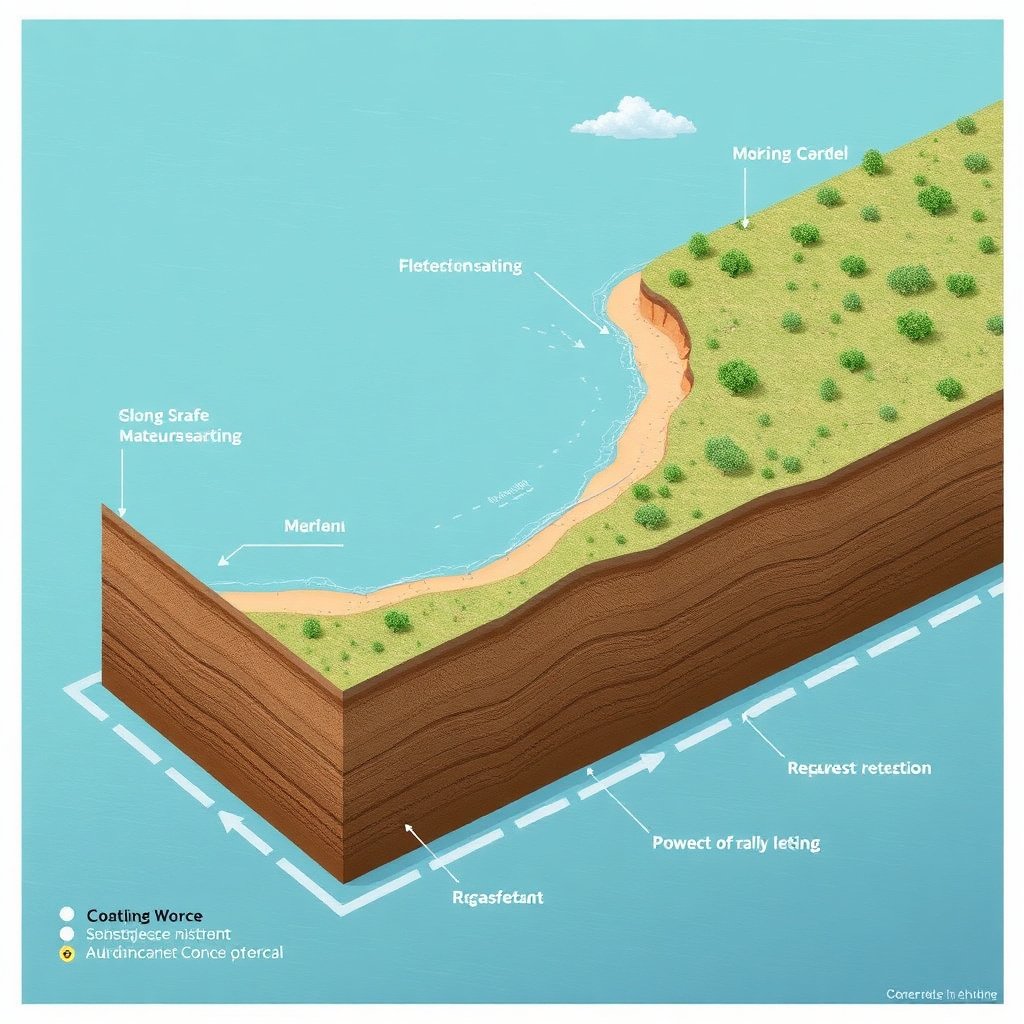
Protecting Coastal Communities and Infrastructure
Shoreline management plans aim to reduce the risk of damage to homes, roads, and businesses located along the coast. By assessing vulnerability, they direct investment in defense structures and set guidelines for future development.
This protection helps maintain livelihoods and property values by minimizing flood risks and preventing land loss. SMPs thus serve as essential tools for municipalities planning coastal resilience.
Preserving Natural Habitats and Ecosystems
SMPs balance human needs with the conservation of coastal environments such as beaches, dunes, salt marshes, and mudflats. These habitats offer natural flood defenses and shelter diverse species.
Incorporating ecosystem-based approaches into plans enhances biodiversity and allows natural coastal processes to continue, which strengthens long-term resilience against erosion and climate change.
Key Components of Shoreline Management Plans
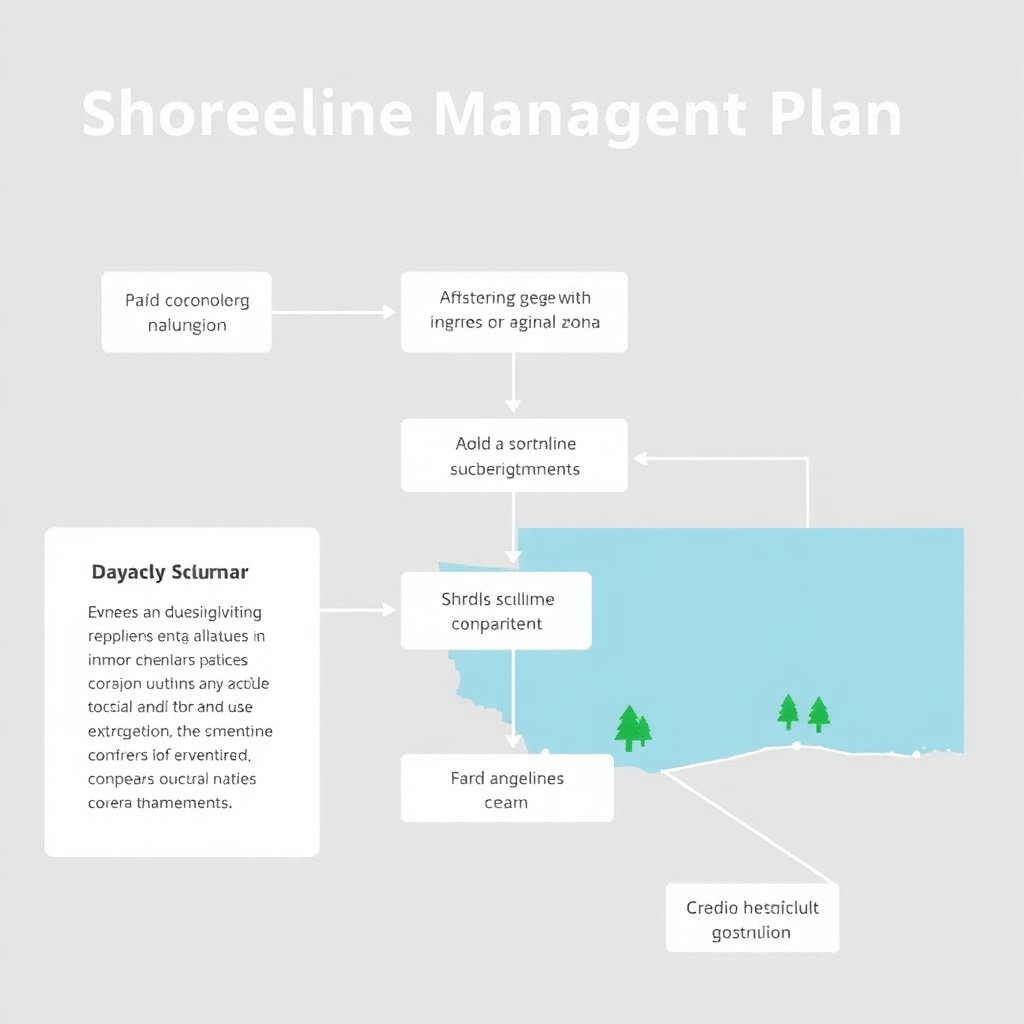
Assessment and Mapping of Coastal Risks
An SMP begins with detailed surveys and mapping to identify areas prone to erosion and flooding. This involves studying historical shoreline changes, tidal patterns, and future climate projections.
By understanding these risks, planners decide where defenses are necessary, where managed retreat may occur, or where natural processes can be left to evolve.
- Historic erosion rate analysis
- Flood risk zones mapping
- Sea-level rise projections
Defining Policy Units and Management Strategies
The coastline is divided into policy units, each with specific management objectives like hold the line, managed realignment, advance the line, or no active intervention.
These strategies guide practical actions, whether building sea walls, allowing natural flooding, or beach nourishment, tailored to local conditions.
- Hold the line – maintain defenses
- Managed realignment – allow controlled flooding
- Advance the line – build new defenses seaward
- No active intervention – let nature take course
Types of Shoreline Management Plans

Strategic SMPs vs. Local SMPs
Strategic SMPs cover large stretches of coastline and provide broad policy direction. They set the overall framework for coastal management spanning decades.
Local SMPs focus on smaller segments, considering site-specific conditions with detailed plans for immediate or short-term actions.
For more on this, see our related guide: What Is a Shoreline Permit? Understanding Shoreline Management Regulations.
National and Regional SMP Initiatives
Some countries implement SMPs at the national or regional scale through government agencies to coordinate across jurisdictions.
This ensures consistency in addressing coastal erosion management and aligns funding and resources to tackle widespread challenges.
Stakeholders Involved in Shoreline Management Planning

Government Agencies and Local Authorities
Public bodies typically lead SMP development, providing scientific expertise and regulatory oversight. They are responsible for approving plans and enforcing policies.
Local councils often implement SMP recommendations in land-use planning and coordinate defense construction projects.
Community, Environmental Groups, and Businesses
Residents, environmental organizations, and commercial stakeholders such as fisheries or tourism operators participate through consultations, sharing concerns and local knowledge.
Their involvement helps balance diverse interests, from preserving natural beauty to supporting economic activities that rely on the coastline.
Legal Framework and Policy Integration
National Laws Governing Shoreline Management
SMPs usually align with national coastal protection laws, flood risk directives, and environmental regulations ensuring compliance with standards.
These legal frameworks establish authority for interventions and define responsibilities for maintenance and funding.
For more on this, see our related guide: What Is a Community Dock? Understanding Community Dock Benefits and Uses.
Integration with Climate Adaptation and Land-Use Planning
Shoreline management integrates with broader policies addressing climate adaptation. SMPs inform zoning decisions to avoid development in high-risk zones.
By linking with environmental and urban planning, SMPs support sustainable coastal development that reduces vulnerability over time.
Implementing and Monitoring Shoreline Management Plans
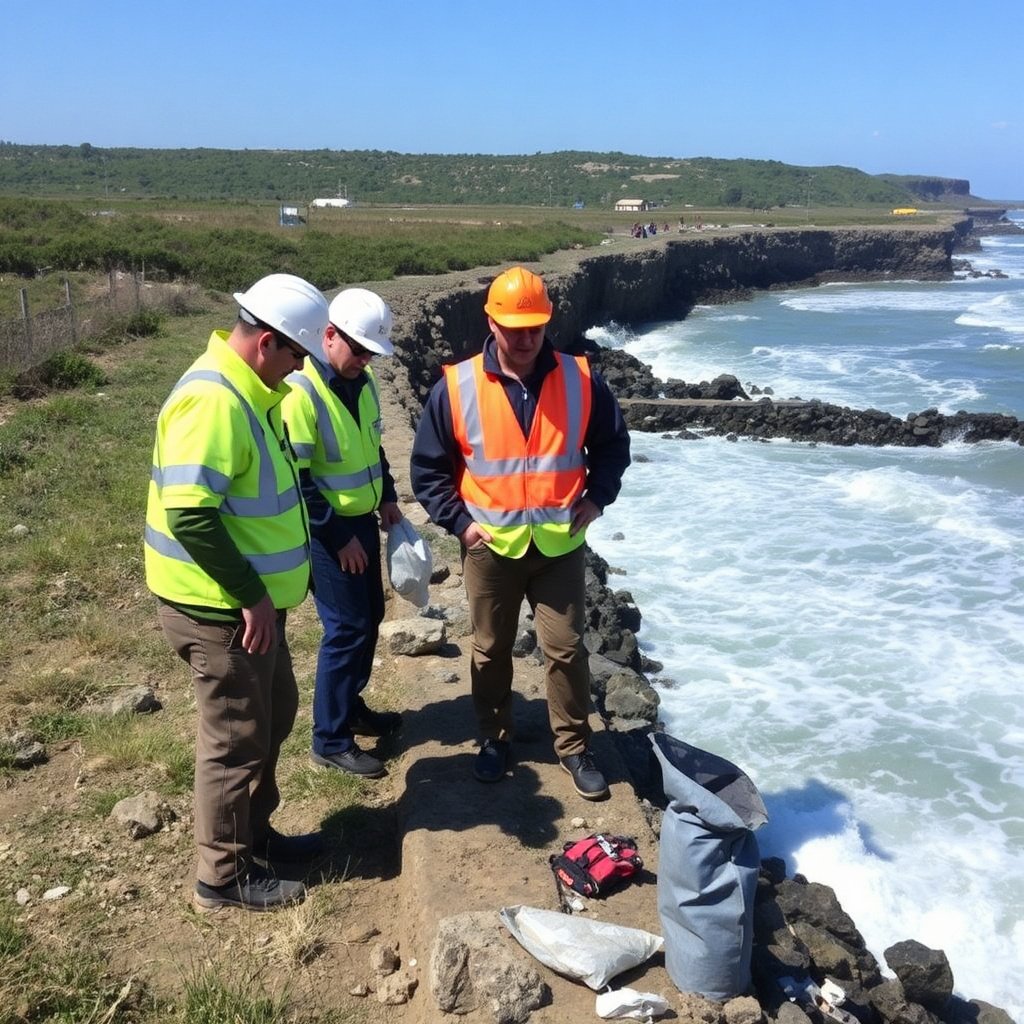
Practical Measures in SMP Execution
Implementation can involve constructing or repairing sea walls, dune reinforcement, beach nourishment, and managed realignment.
Each action is selected based on the SMP strategy for that coastal segment, balancing intervention costs with effectiveness and ecological impact.
For further reading on the technical and regulatory aspects, the Shoreline Management Plan details on Wikipedia provide a comprehensive overview. Shoreline Management Plan details on Wikipedia.
Monitoring Progress and Updating Plans
Regular monitoring tracks shoreline changes, defense condition, and environmental health to evaluate success.
SMPs are dynamic documents updated periodically to incorporate new data, technologies, and respond to changing risks.
Shoreline Management Plan Types Compared
Here is a comparison of different types of shoreline management plans highlighting their scale, focus, and main uses.
| Type | Scale | Focus | Typical Duration | Primary Users |
|---|---|---|---|---|
| Strategic SMP | Large coastal stretches | Broad policy direction | 20-50 years | Government agencies, regional planners |
| Local SMP | Specific coastal segments | Site-specific actions | 5-15 years | Local authorities, community groups |
| National SMP Initiative | Entire nation's coastline | Unified coastal strategy | 20-30 years | National government, environmental bodies |
| Regional SMP | Sub-national regions | Coordinate among jurisdictions | 15-25 years | Regional agencies, multiple local authorities |
Frequently Asked Questions
How often are shoreline management plans updated?
Shoreline management plans are typically reviewed and updated every 5 to 10 years to reflect new data, environmental changes, and evolving risks.
Who is responsible for enforcing an SMP?
Local and national government bodies usually share enforcement responsibilities, ensuring coastal management policies and regulations from the SMP are followed.
What is the difference between 'managed realignment' and 'hold the line'?
'Managed realignment' allows certain coastal areas to flood naturally to absorb wave energy, while 'hold the line' involves maintaining or constructing defenses to prevent shoreline retreat.
Can shoreline management plans prevent all coastal flooding?
No plan can eliminate all risks, but SMPs reduce vulnerability by guiding protection measures and land use to minimize damage from flooding and erosion.
Are local communities involved in creating shoreline management plans?
Yes, community stakeholders participate through consultations and contribute valuable local knowledge to help shape balanced and accepted management strategies.
Key Takeaways
- Shoreline management plans organize long-term coastal defense strategies based on risk assessments.
- They balance protecting infrastructure with preserving natural coastal habitats.
- Types of SMPs vary by scale and focus, from strategic to local plans.
- Stakeholder involvement and legal frameworks are critical for successful SMP implementation.
Conclusion
Choosing the right shoreline management plan hinges on understanding the coastal area's unique risks and human-environment dynamics. The goal is to either protect, adapt, or allow natural processes in a way that minimizes harm while supporting local communities and ecosystems. Evaluation of site conditions and clear policy objectives guides decision-making, ensuring plans remain relevant as coastal conditions evolve.
For areas facing severe erosion or flooding, strategic SMPs with hold the line policies may be necessary to protect critical infrastructure. Conversely, locations with less intensity of threats might adopt managed realignment to restore natural buffers. Local SMPs allow customized actions tailored to specific community needs and environmental sensitivities, making them suitable for complex or unique coastal zones.
If you live near or manage coastal lands, reviewing existing shoreline management plans or consulting local authorities is an effective next step. Understanding these plans can help anticipate changes, support sustainable development, and foster collaboration to face coastal challenges proactively. Following updates in SMPs also ensures preparedness against future climate impacts.