Dock vs Boat Slip: Which Is Better for Your Waterfront Needs?
Choosing between a dock and a boat slip depends largely on your boating habits, waterfront property, and storage needs. A dock is a platform extending from the shore where you can moor your boat, often offering more space and versatility. A boat slip, on the other hand, is a designated berth within a marina or dock area that provides defined boundaries and protection for your boat. Both options secure your vessel but differ in accessibility, maintenance, and cost factors.
Understanding which option works best is important because it impacts your boat's safety, ease of use, and even property value. Docks often allow for more customization and personal use, while boat slips offer convenience with marina amenities and sometimes less upkeep on your part. Your daily interaction with the watercraft and property type influences the right choice for you.
This article will compare docks and boat slips across several aspects such as installation, maintenance, cost, security, and usability. You'll also find a helpful comparison table, answers to common questions, and practical advice to guide your decision.
Understanding Docks and Their Benefits

Types of Docks and Construction Materials
Docks come in various types, including floating, stationary, and modular systems. Floating docks move with the water level, making them ideal for lakes with fluctuating water heights, whereas stationary docks are fixed, usually supported by pilings driven into the bed below. Materials range from wood and composite to aluminum or steel, each with different durability and maintenance requirements.
Choosing the right dock material depends on your climate, typical weather conditions, and aesthetic preferences. Wood offers natural beauty but requires more upkeep, while composites and metals may resist decay and rust but come at a higher initial cost.
- Floating docks adapt to water level changes
- Stationary docks provide solid, unyielding platforms
- Wood requires regular sealing and repair
- Composite materials offer low maintenance
Advantages of Having a Dock
Docks provide flexibility; you can use them for mooring, swimming access, fishing, or lounging spaces. They allow for easy boarding and disembarking and typically accommodate multiple boats if built accordingly. Also, docks can increase the usability and enjoyment of waterfront property and can be customized to fit specific needs or aesthetics.
Because they are part of your property, docks offer control over boat security and storage without relying on marina schedules or fees. However, this control comes with the responsibility of maintenance and adhering to local regulations.
- Customizable to personal preferences
- Supports recreational activities besides boating
- No rental fees involved
- Requires personal upkeep and local permits
Boat Slips and Marina Berths Explained

What Is a Boat Slip?
A boat slip is a parking space underwater in a marina or docking facility specifically designed to hold a boat. These spaces are often equipped with pilings or floating barriers to keep boats in place and offer utility hookups such as electricity and water. Slips vary in size to fit different boat dimensions and types.
Typically, boat slips are leased or rented from marina operators and come with access to shared services like refueling stations, security patrols, and maintenance assistance. Depending on the location, some slips may offer covered berths for extra protection from weather.
- Designated, measured mooring spot in marina
- Includes amenities like power and water
- Usually leased, not owned
- May offer covered or uncovered options
Benefits of Choosing a Boat Slip
Boat slips provide convenience since they come with shore-based services and amenities, making boat maintenance simpler and storage safer. The infrastructure of marinas supports easy access to popular boating areas and often includes security features to deter theft or damage.
Leasing a slip can be cost-effective for seasonal or part-time boaters who prefer not to establish permanent dock structures. The slip space allocation minimizes the risk of damage by keeping boats orderly and protected within the marina's layout.
- Access to marina facilities and services
- Enhanced security and boat protection
- No personal installation or maintenance needed
- Ideal for seasonal or casual boaters
Cost Considerations for Docks and Boat Slips
Installation and Maintenance Costs of Docks
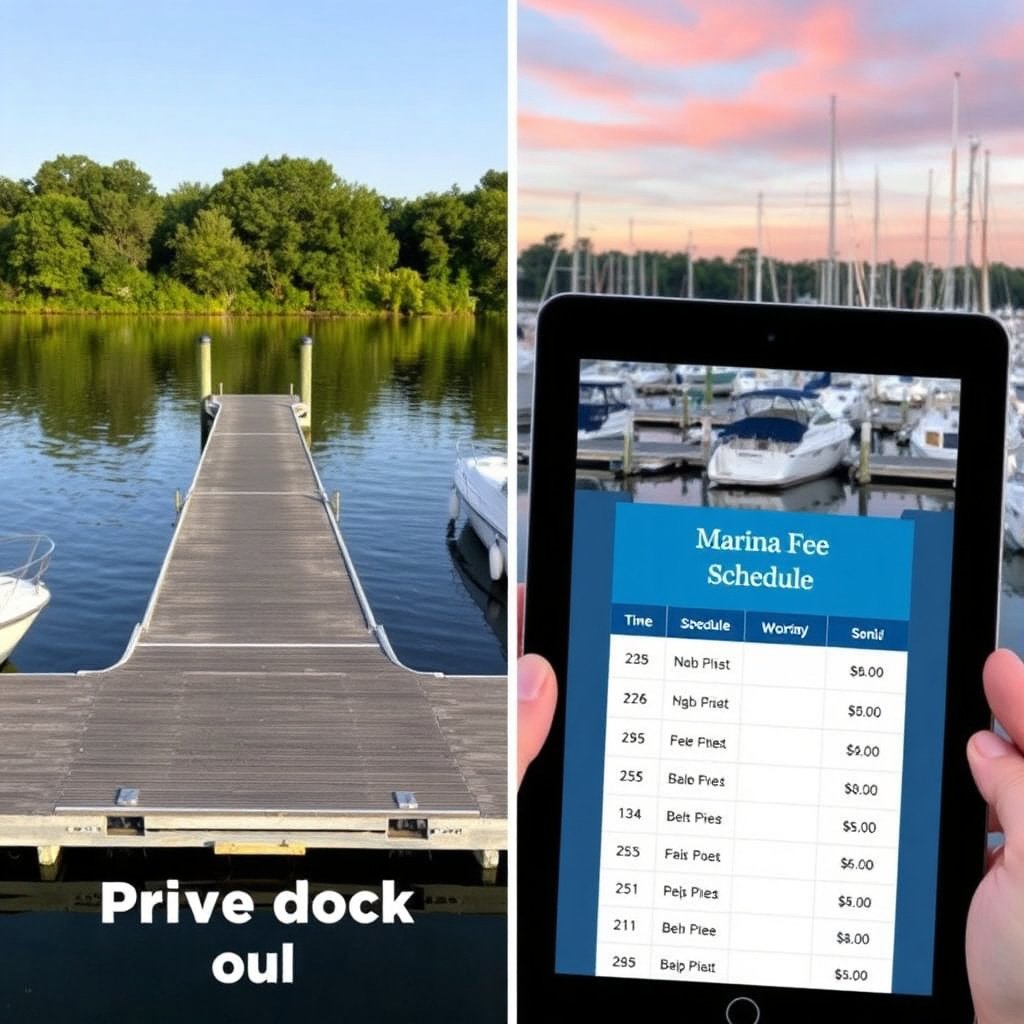
Building a dock involves upfront investment that varies widely based on size, material, and local regulations. Installation can range from several thousand to tens of thousands of dollars, especially if pilings or electrical work is needed. Additionally, ongoing maintenance—such as painting, repairing weather damage, and seasonal adjustments—adds to the lifetime cost.
Owners should budget for permit fees and possible environmental impact assessments, which can influence construction expenses and timelines. Despite higher long-term commitments, docks provide tailored benefits matching property-specific usage.
- Higher initial investment for custom docks
- Regular maintenance and repairs required
- Potential local permit/application fees
- Dependent on dock size and materials used
For more on this, see our related guide: How Much Does a Boat Dock Cost? A Detailed Cost Guide.
Leasing and Other Costs for Boat Slips
Boat slip rental fees vary depending on location, size, and amenities offered. Marinas near popular boating regions or large cities typically charge premium rates, often billed monthly or seasonal. Services such as electricity, water, and security might be included or offered separately.
The slip leasing model eliminates construction and maintenance responsibilities, shifting those costs to the marina operator. However, when factoring multiple years of rental, total expenses can rival or exceed owning a dock.
- Monthly or seasonal rental payments
- Possible added charges for utilities or services
- No upfront installation costs
- Costs influenced by region and marina type
Safety and Security Factors
Safety Features of Docks
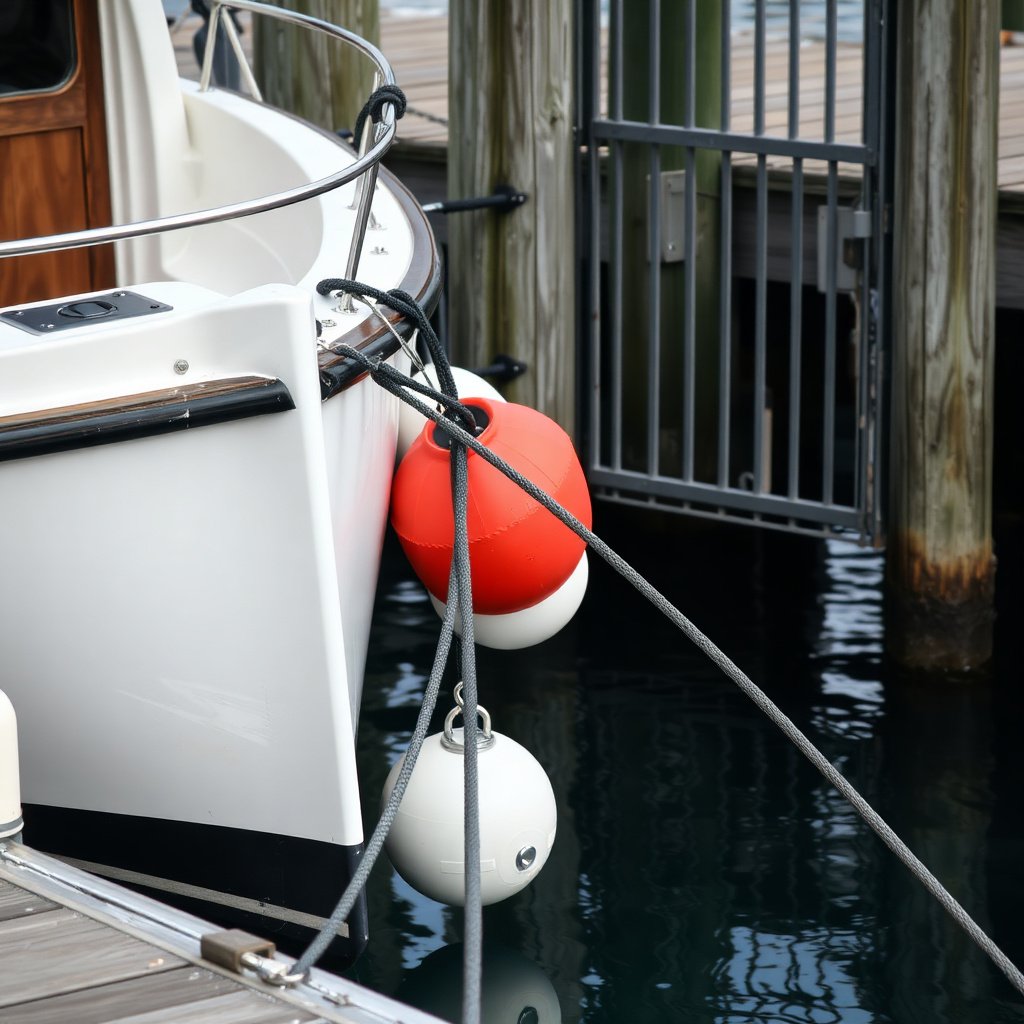
Docks provide controlled access to your boat, allowing you to monitor who approaches your vessel. Well-constructed docks include lighting, sturdy handrails, and proper cleats for safe mooring. However, without marina-level security, docks may be vulnerable to trespassing or vandalism unless additional measures are taken.
Owners can install surveillance cameras or secure gates to improve safety. Proper dock design reduces accident risks during boarding, especially in slippery or uneven conditions.
- Controlled personal access
- Can include safety railings and lighting
- Requires owner-managed security measures
- Helps prevent accidental boat damage
Security Benefits of Boat Slips
Boat slips in marinas benefit from communal security efforts like guards, cameras, and controlled entry points. This environment discourages theft and extends protection against natural hazards such as storms. Some marinas also provide insurance benefits or partnerships with emergency services.
Shared responsibility decreases individual security burdens, but slip renters must still ensure their boat is properly secured within the assigned berth using appropriate lines and fenders.
- Marina-managed surveillance and security patrols
- Access control with locked facilities
- Protection under marina insurance policies
- Safety during severe weather events
Accessibility and Convenience for Users
Ease of Access with Private Docks
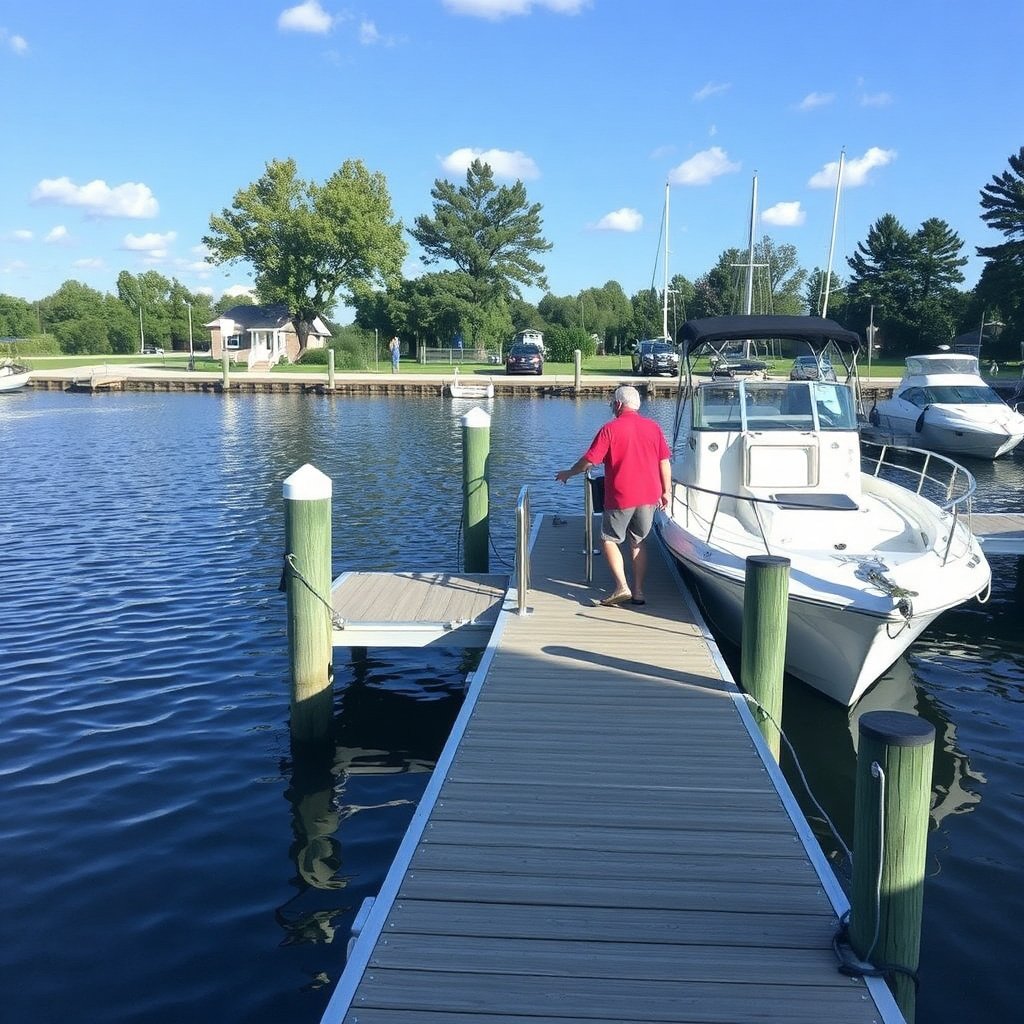
Private docks offer immediate access from your property, often eliminating the need to travel to a marina. This convenience suits frequent boaters who want to launch quickly or spend extended time on the water. Custom layouts can optimize dock length, width, and utility placements for personal preference.
However, seasonal changes and water levels may affect usability, and owners must manage dock upkeep and clear any debris or hazards themselves.
- Direct property access with no travel time
- Personalized design for support and comfort
- Owner responsible for upkeep and safety
- May be impacted by seasonal water variations
For more on this, see our related guide: Best Area of Lake of the Ozarks for Boating: Where to Set Sail.
Marina Convenience Factors for Boat Slips
Marinas provide organized slip access with amenities like parking, fueling stations, and repair services nearby. Boaters can enjoy social environments and additional recreational facilities. Scheduling and managing space through a marina also reduces ownership headaches related to dock maintenance.
On the downside, boaters must abide by marina rules and may face waiting lists or limited availability during peak seasons.
- Close proximity to marina services and amenities
- Structured management and maintenance
- May have restrictions and rules for users
- Possibility of limited availability in busy areas
Environmental Impact and Regulations

Regulations Affecting Dock Construction
Building a dock often involves compliance with local, state, or federal environmental regulations aimed at protecting aquatic habitats and shorelines. Permits may require assessments of water quality, fish populations, and wetland impact. These processes can be time-consuming and influence dock design and placement.
Ignoring regulations can lead to fines or mandatory removal, so consulting with regulatory agencies before starting construction is advisable to avoid unexpected legal issues.
- Must obtain permits before building
- Environmental impact assessments required
- May limit dock size or material choices
- Local ordinances can add complexity
For a thorough understanding of boat dock and slip regulations, the Wikipedia article provides detailed insights relevant to this topic. Boat dock and slip regulations.
Environmental Considerations for Marina Slips
Marinas usually handle environmental compliance, but boats moored in slips must follow best practices to prevent pollution from fuel or waste. Marinas may incorporate features like pump-out stations and no-discharge zones to protect water quality.
Slip renters should maintain their vessels responsibly and adhere to marina environmental policies to minimize ecological footprint and help keep the water clean for all users.
- Marinas often provide waste disposal facilities
- Rules prevent pollution from boat maintenance
- Slip users share responsibility for water quality
- Support conservation through boat operation practices
Dock vs Boat Slip: Key Differences Comparison
This table highlights the main contrasts between docks and boat slips to help you weigh your options more clearly.
| Feature | Dock | Boat Slip |
|---|---|---|
| Ownership | Typically owned privately with property | Rented or leased from marina |
| Initial Cost | High – installation and materials | Low – rental fee only |
| Maintenance | Owner responsible | Maintained by marina |
| Accessibility | Immediate from property | Depends on marina location |
| Security | Owner-managed | Marina-provided surveillance |
| Flexibility | Highly customizable | Fixed space and size |
| Amenities | Minimal unless added | Includes utilities and services |
Frequently Asked Questions
Can I convert a boat slip into a private dock?
No, a boat slip is a leased space within a marina and cannot be converted into a private dock, which requires property ownership and permits.
Which option is better for frequent boaters?
A private dock is generally better for frequent boaters due to immediate accessibility and customizable features tailored to personal needs.
Are boat slips safer during storms?
Boat slips in well-managed marinas often provide better protection during storms because of their construction and marina services.
Do docks increase waterfront property value?
Yes, a well-designed dock can increase waterfront property value by enhancing usability and appeal, but it depends on location and compliance with regulations.
Is maintenance higher for docks compared to boat slips?
Yes, dock owners are responsible for all maintenance and repairs, whereas boat slips are maintained by the marina as part of the rental agreement.
Key Takeaways
- Docks offer customization and direct property access but require higher upfront costs and upkeep.
- Boat slips provide convenience and security with amenities but involve ongoing rental fees.
- Consider your boating frequency, budget, and property type when choosing between the two.
- Environmental regulations impact dock installation, while marinas manage slips’ compliance.
Conclusion
Deciding between a dock and a boat slip hinges on evaluating your personal usage patterns, budget, and how involved you want to be with maintenance and security. A dock gives you autonomy and customization for your waterfront property but commits you to higher initial costs and ongoing upkeep. Conversely, a boat slip promises ease, shared maintenance, and access to marina services but at the cost of leasing fees and less personal control. Balancing these factors will guide you to the option that fits your lifestyle best.
If you are a regular boater who lives on or near the water, investing in a private dock can yield long-term satisfaction through convenience and property enhancement. Alternatively, seasonal boaters or those without waterfront ownership may benefit more from renting a boat slip to leverage marina amenities without the physical responsibilities of dock ownership. For those prioritizing security and community facilities, a boat slip at a reputable marina is often preferable. Ultimately, your choice reflects your boating habits and property circumstances.
Before making a final decision, visit local marinas and inspect existing docks to assess fit and function relevant to your boat and land. Request pricing quotes, check regulations, and consult with professionals to understand the full scope of each option. This practical approach will prepare you to move forward confidently, ensuring your boat remains accessible, safe, and well-maintained whether docked at a private pier or nestled in a marina boat slip.