How to Sell a Farm: A Practical Guide for Farmowners
Selling a farm requires clear planning, setting the right price, and understanding the unique aspects of agricultural properties. To sell a farm successfully, start by accurately valuing the land and improvements, prepare necessary paperwork, and research suitable buyers who value farmland. Knowing these basics helps you move quickly and confidently.
Farms differ significantly from typical residential properties because they often include specialized assets such as livestock facilities, irrigation systems, and crops. The emotional and financial stakes are higher for many sellers, making the process particularly sensitive and complex. Understanding what drives value in farmland is key to finding a buyer who sees the worth of your property.
This article will walk through preparing your farm for sale, determining market value, marketing strategies, negotiating offers, handling closing procedures, and legal considerations. You’ll also find comparisons of farm sale methods and answers to common questions to make selling your farm as smooth as possible.
Prepping Your Farm for Sale
Cleaning and Improving the Property
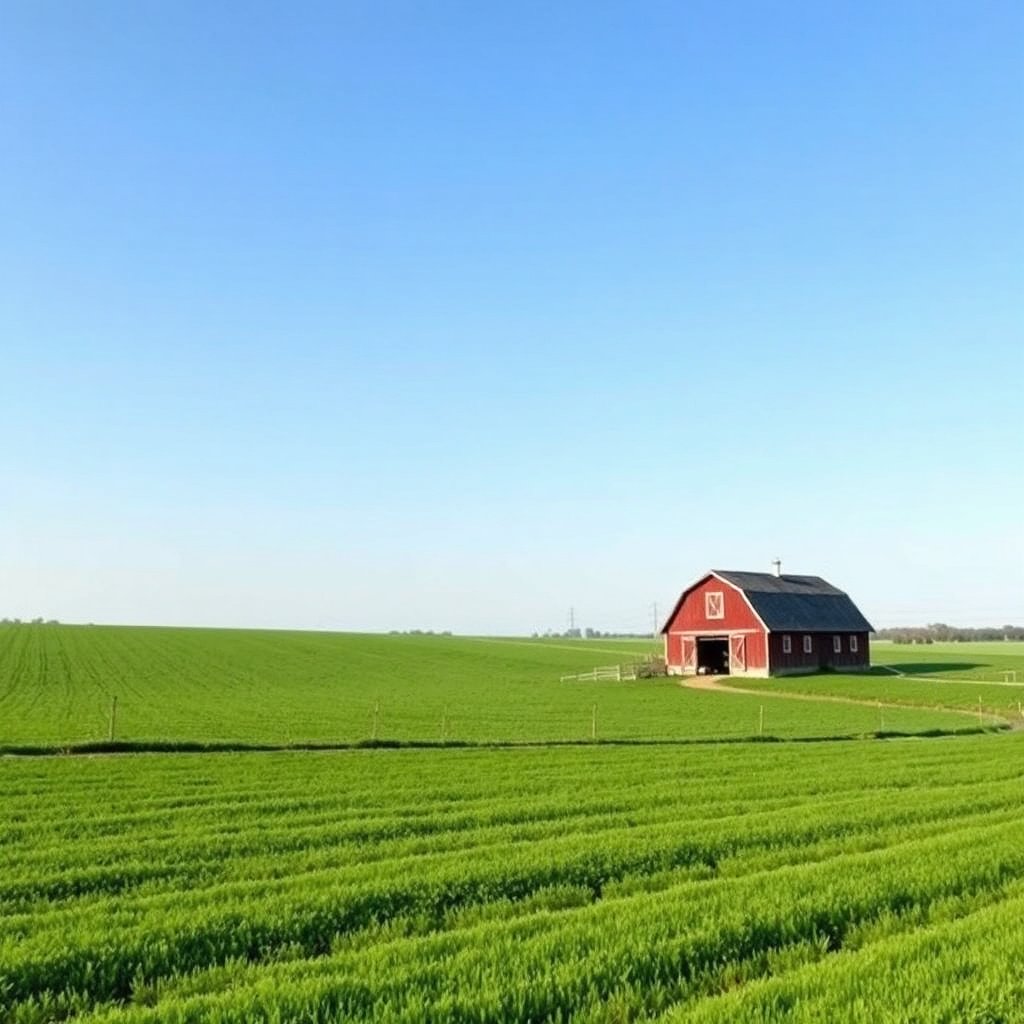
Before listing, make sure your farm looks appealing and well-maintained. This includes fixing fences, ensuring livestock facilities are in good condition, and cleaning up clutter or debris. Simple landscaping improvements can also boost curb appeal and buyer interest.
Well-presented land signals to buyers that the farm has been cared for and could reduce concerns about potential hidden issues. These upgrades often provide a good return by attracting more offers.
- Repair fences and gates
- Clean barns and equipment areas
- Remove hazardous debris
- Mow fields and tidy paths
Organizing Documentation and Records
Gather all important documentation early. This includes land titles, tax records, environmental reports, zoning permits, water rights, and any leases or tenant agreements. Clear paperwork reassures buyers and speeds up negotiations.
Potential buyers will want detailed information about soil quality, crop history, and infrastructure. Be prepared to share maintenance logs for irrigation or machinery to demonstrate transparency.
- Land deed and tax documents
- Environmental and soil reports
- Water rights and usage permits
- Maintenance and lease records
Determining the Market Value of Your Farm
Appraisals and Comparative Market Analysis
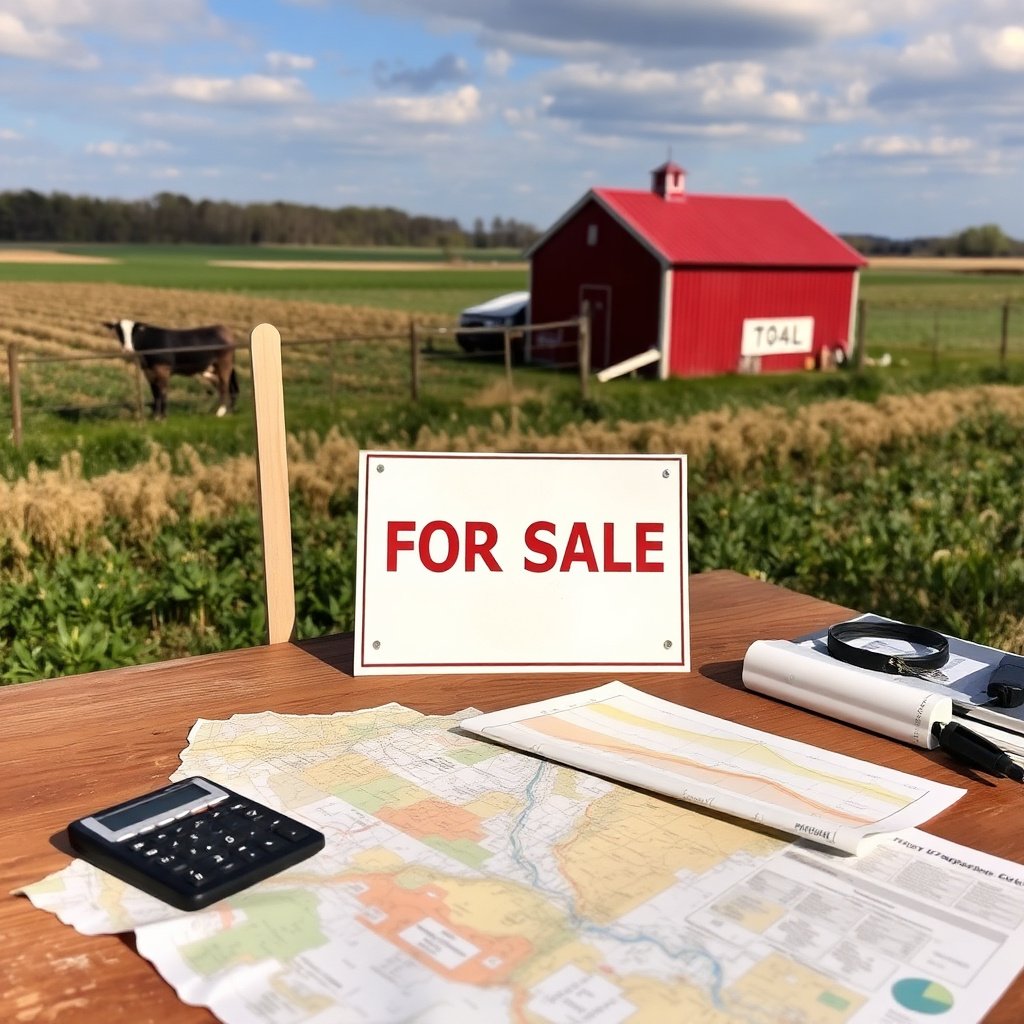
Getting a professional appraisal is crucial for an accurate farm value. Appraisers consider land size, soil quality, location, improvements, and current market trends. Local sales of similar farms provide a benchmark for pricing your property realistically.
Comparative Market Analysis (CMA) done by a real estate agent can complement the appraisal. CMA looks at recent sales of comparable farms to suggest competitive listing prices, balancing speed and value.
- Hire a certified farm appraiser
- Request a CMA from an experienced agent
Factors Influencing Farm Value
Several factors beyond acreage influence value, such as water access, soil fertility, crop potential, and existing infrastructure like barns and irrigation. Proximity to transportation routes and urban markets can also affect appeal and pricing.
Seasonal market demand and government agricultural policies may impact prices temporarily, so timing your sale around favorable conditions can improve outcomes.
- Water availability and rights
- Soil fertility and crop yield
- Infrastructure condition
- Location and accessibility
Marketing Your Farm Effectively
Targeting the Right Buyers
Identify buyers who value farming, such as commercial farmers, investors in agricultural land, or hobby farmers. Marketing channels should reach these groups—agricultural publications, farm real estate websites, and local farming networks are good options.
You can also seek buyers interested in sustainable farming practices or organic certification if your farm fits those niches, broadening market appeal.
- Agricultural magazines and online portals
- Farmers’ associations and local cooperatives
- Specialty sustainable farming forums
For more on this, see our related guide: What Is a Second Home? Understanding Its Meaning and Benefits.
Using Professional Photos and Detailed Listings
High-quality photos showing land, buildings, and unique features attract more inquiries. Include aerial images to highlight scale and layout. Listings should detail soil types, water access, crop history, and any included equipment or livestock.
Clear, honest descriptions help build trust with buyers and reduce time spent answering repetitive questions throughout the selling process.
- Hire professional photographers
- Include drone/aerial shots
- Provide thorough property descriptions
Negotiating Offers and Closing the Sale

Evaluating Offers and Counteroffers
When offers arrive, assess them not only on price but also on terms like financing contingencies, closing timeline, and deposit amounts. Be ready to negotiate to find mutually agreeable conditions that protect your interests.
Consider working with a real estate attorney or broker familiar with farm sales to navigate complex negotiations and ensure fairness.
- Check financing terms
- Review contingencies carefully
- Negotiate timing and deposits
Finalizing the Sale and Legal Requirements
Once you accept an offer, finalize contracts with all terms clearly stated, including any land or equipment included. Titles must be transferred properly, and any liens or encumbrances must be cleared to avoid delays.
State and local laws may require additional disclosures or permits for farmland sales, so consult legal expertise to complete the process correctly and avoid surprises at closing.
- Prepare a sale contract with legal counsel
- Transfer title and clear liens
- Comply with agricultural sale regulations
Dealing with Taxes and Financial Implications
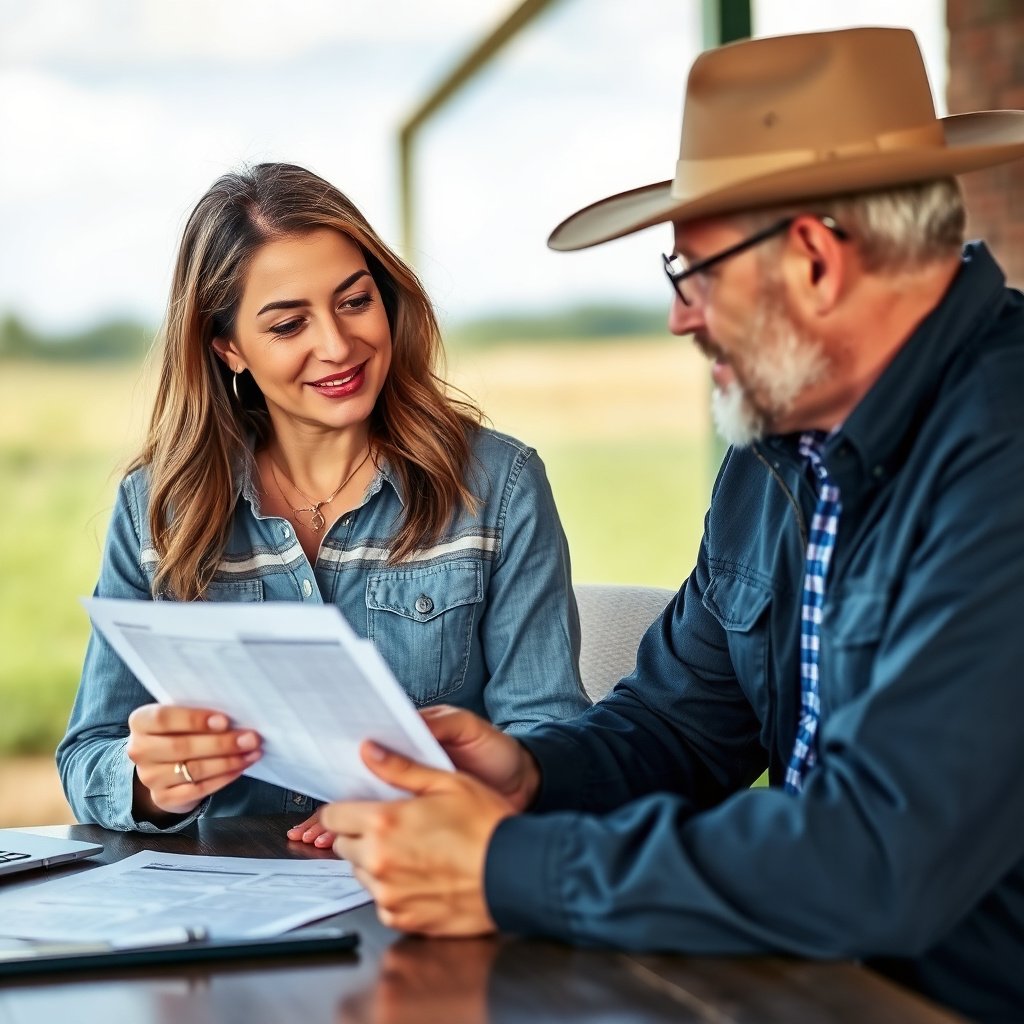
Capital Gains and Income Tax Considerations
Selling a farm often results in taxable capital gains depending on the difference between sale price and your original purchase price, adjusted for improvements. Familiarize yourself with tax rules applicable to agricultural properties to plan ahead.
Consulting a tax advisor can help you identify deductions, exemptions, or strategies to minimize tax liability, such as installment sales or conservation easements.
- Calculate capital gains tax
- Explore agricultural exemptions
- Consider installment sales to spread gains
For more on this, see our related guide: Is Lake of the Ozarks a Good Place to Retire? An Honest Look at the Retirement Potential.
Estate Planning and Succession Issues
Farm sales can have implications beyond immediate tax effects, especially for family-owned farms. Planning with estate and financial advisers on how the sale fits with inheritance or succession plans is important.
Sometimes gradual transfers or trusts are recommended instead of outright sales for smoother transitions and tax advantages.
- Discuss sale impact on estate plans
- Explore trusts or phased transfers
- Coordinate with heirs and advisors
Understanding Farm Sale Methods

Private Treaty vs. Auction Sales
Private treaty sales allow flexibility in price negotiations and timing, often preferred for selling farms due to their complexity. Auctions create competitive bidding but may risk selling below expected value if the market is weak.
Choosing the right method depends on market conditions, urgency, and your comfort with negotiation or risk.
- Private treaty: flexible, controlled price
- Auction: fast sale, competitive bidding
For a more detailed background on farm sales and related land value considerations, you can visit this comprehensive resource on selling farmland. selling farmland information.
Working with Real Estate Agents Specializing in Farms
Specialist farm agents understand the nuances of agricultural properties, from valuing assets to finding the right buyers. They can handle marketing, negotiations, and legalities efficiently, improving sale outcomes.
Selecting an agent with strong local connections and agricultural knowledge tends to shorten the selling process and maximize sale price.
- Find agents with farm expertise
- Use agents for marketing and legal support
Farm Sale Methods Comparison
Below is a comparison of common farm sale methods highlighting key features and typical uses.
| Sale Method | Advantages | Disadvantages | Best For |
|---|---|---|---|
| Private Treaty | Negotiable price, flexible timing | Longer sale process, requires marketing effort | Small to medium farms with specific buyer targets |
| Auction | Fast sale, competitive bidding | Pressure on price, less control | Farms needing quick sale or highly sought-after properties |
| Real Estate Agent Listing | Professional marketing, negotiation assistance | Commission costs, dependent on agent skill | Sellers unfamiliar with farmland market |
| Direct Sale to Investor | Quick transaction, minimal effort | Often lower price, limited buyer pool | Farmers with urgent need to sell |
Frequently Asked Questions
How long does it usually take to sell a farm?
The timeline varies widely depending on location, price, and market demand but typically ranges from a few months to over a year for agricultural properties.
Do I need a specialized real estate agent to sell my farm?
While not mandatory, agents with farm expertise provide valuable market knowledge and contacts that usually speed up the sale and help get a better price.
What paperwork is necessary to sell a farm?
Essential documents include the land title, tax records, environmental and soil assessments, water rights papers, and any lease or maintenance agreements.
Are there specific legal challenges in farm sales?
Yes, farms may have zoning, water rights, environmental, and agricultural regulation considerations requiring careful legal review before finalizing the sale.
How can I find the best price for my farm?
Obtain a professional appraisal and comparative market analysis to set a competitive, realistic asking price reflective of land quality and current market conditions.
Key Takeaways
- Prepare your farm by improving appearance and organizing documents before listing.
- Accurately value your farm using an appraisal and market comparisons.
- Market strategically to agricultural buyers with clear, detailed property information.
- Choose the appropriate sale method to align with your goals and timeline.
Conclusion
Selling a farm hinges on understanding both the tangible and intangible factors that influence agricultural property value. It requires detailed preparation, accurate pricing, and targeted marketing to find a buyer who appreciates the unique worth of your land and its assets. Recognizing the legal and tax implications at every step also protects your interests and secures a smooth transaction.
If your priority is maximizing sale value, using an experienced real estate agent and opting for a private treaty sale typically offers the best outcome, especially for mid-sized working farms. For farms requiring a fast sale or in competitive markets, auctions might be a better choice. Make sure to have all cadastral and legal paperwork ready, and consider farm selling tips like professional photos and thorough disclosures to attract qualified buyers.
To proceed confidently, begin by contacting local farm appraisers and specialized agents who understand your land’s potential. Carefully evaluate offers and seek legal counsel to finalize contracts. By following these steps, you’ll position yourself to sell your farm efficiently and at a price that reflects its true value.