Do You Need a Well Inspection? Understanding When and Why to Inspect Your Water Well
A well inspection is necessary whenever you experience changes in water quality, suspect contamination, or when buying and selling a property with a private well. It checks the condition of the well's structure, pump, and safety features to ensure safe, clean water supply.
Monitoring your well’s health matters because untreated problems can lead to costly repairs or health risks. Well inspections detect leaks, corrosion, bacteria, and mechanical issues before they affect your water and household.
This article will cover what a well inspection entails, why regular checks are beneficial, important signs that signal an inspection is due, and how inspections fit into overall water well maintenance.
What Is a Well Inspection and What Does It Include?
Physical Examination of Well Components
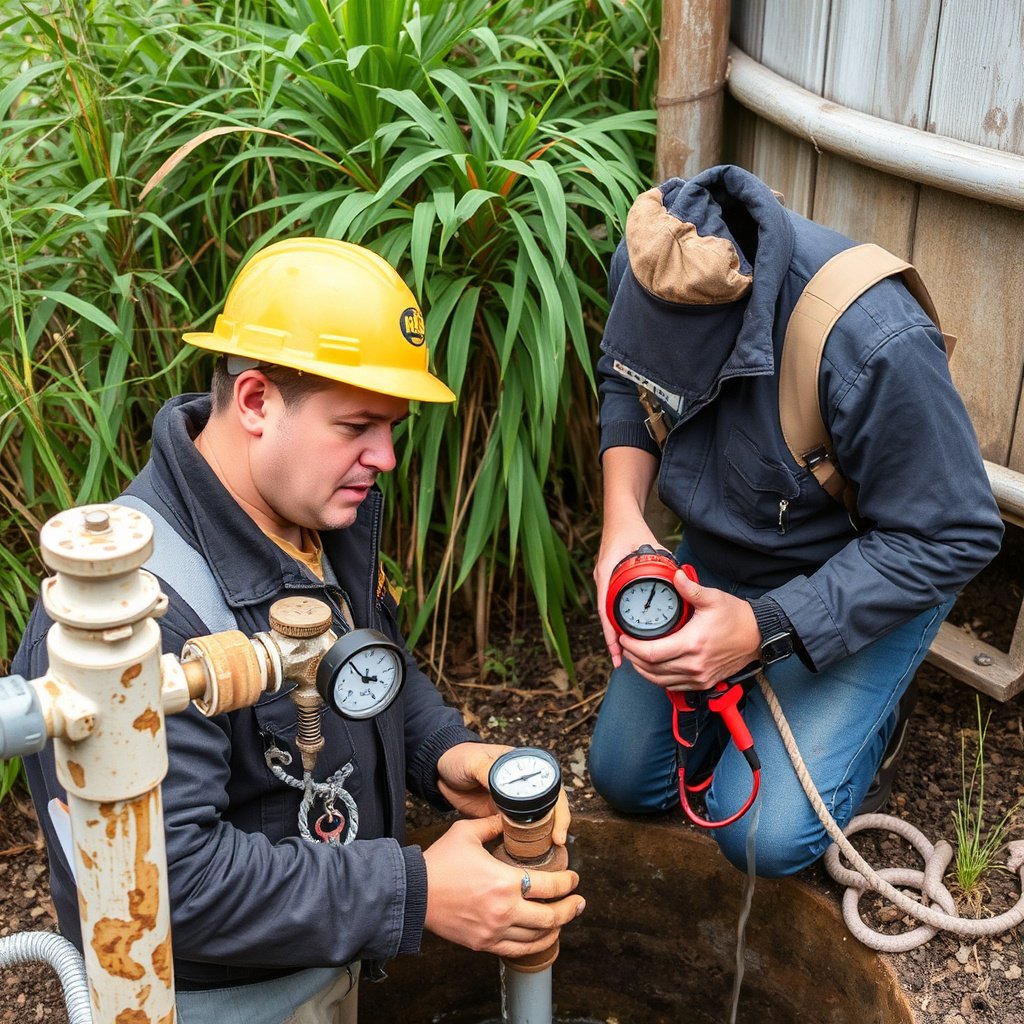
A licensed inspector examines surface equipment including the well cap, casing, and the condition of electrical and mechanical parts such as pumps and pressure tanks. Their goal is to identify damage, wear, or anything that could compromise system integrity.
The inspection ensures that seals and caps prevent surface contaminants from entering the well, and checks for any signs of structural issues like cracks or rust that might jeopardize the well’s durability.
- Well cap and seal integrity
- Casing condition check
- Pump and motor operation
- Pressure tanks and gauges
Water Quality Testing
Inspectors collect water samples to analyze for bacteria, nitrates, heavy metals, and other potentially harmful substances. Testing helps confirm the well water is safe for consumption or identifies contaminants that require treatment.
Water testing also detects changes over time that could indicate contamination from nearby activities such as agriculture or septic system leakage.
- Bacterial contamination testing
- Chemical and mineral analysis
- pH and turbidity measurement
- Testing frequency recommendations
Signs You Should Have a Well Inspection

Changes in Water Appearance or Taste
Cloudy, discolored, or foul-smelling water signals that contaminants might be entering your well. Such shifts should prompt an immediate inspection to identify sources such as surface runoff infiltration or equipment failure.
Metallic or unusual tastes often indicate issues like corrosion of pipes or contamination by minerals or chemicals, requiring prompt water testing and corrective actions.
- Cloudy or discolored water
- Foul or metallic tastes
- Unusual odors
- Sediment presence
Mechanical Issues and System Malfunctions
If the well pump runs inefficiently or cycles frequently, it may be time for an inspection. Signs like low water pressure or intermittent supply often reveal worn-out parts or electrical problems.
Unusual noises from pumps or sudden increases in energy bills can indicate ongoing mechanical problems that can be diagnosed during a well inspection.
- Pump cycling irregularities
- Water pressure drops
- Uncommon noises
- Increased energy use
Frequency and Timing for Well Inspections
Standard Inspection Intervals
Experts generally recommend a professional inspection every 2 to 3 years, depending on how heavily the well is used and local environmental risks. Homes relying on well water for drinking should stick to regular intervals to catch problems early.
More frequent inspections might be necessary if your area is prone to flooding, agricultural runoff, or if you notice any irregularities in water quality or system performance.
- Every 2-3 years for general use
- Annually if no disinfection system is used
- After nearby construction or flooding events
- Upon property sale or purchase
For more on this, see our related guide: How Much Does It Cost to Build a Lake House? A Detailed Cost Breakdown.
After Repairs, Modifications, or Weather Events
Following any repair work or replacement of well components, a thorough inspection ensures the system is reassembled and functions correctly. Inspections after significant weather events like heavy rains or freezing temperatures are crucial to assess any damage.
Routine checks after extreme weather can prevent minor issues from evolving into serious contamination or mechanical failures.
- Post-repair verification
- Storm and flood impact check
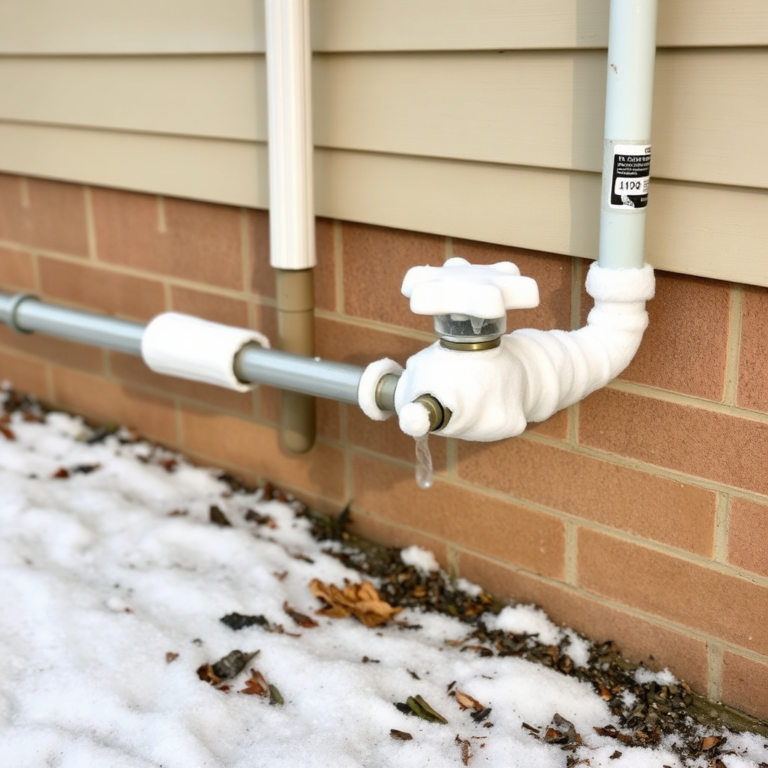
- Seasonal freeze damage assessment
- Well system upgrades review
The Cost and Process of a Professional Well Inspection

Typical Fees and What They Cover
A professional well inspection usually costs between $200 and $500, depending on the comprehensiveness of testing and regional pricing. This fee covers visual examination, water sample collection, and a detailed report of findings.
Additional tests such as chemical analysis or repeated water sampling may increase costs, but they provide deeper insight into water safety and well condition.
- Visual and mechanical check
- Water sampling and lab testing
- Detailed inspection report
- Possible additional costs for specialized tests
What to Expect During the Inspection
A licensed inspector will typically spend 1-2 hours assessing system components, taking water samples, and checking operation. Homeowners should provide access to the well area and any equipment rooms.
After testing, the inspector supplies a comprehensive report detailing any needed repairs, recommendations for water treatment, and timeline suggestions for future maintenance.
- Inspection duration of 1-2 hours
- Access to well and equipment required
- Water sample collection
- Written findings and advice
How Well Inspections Relate to Water Well Maintenance Tips
Routine Preventive Maintenance Activities
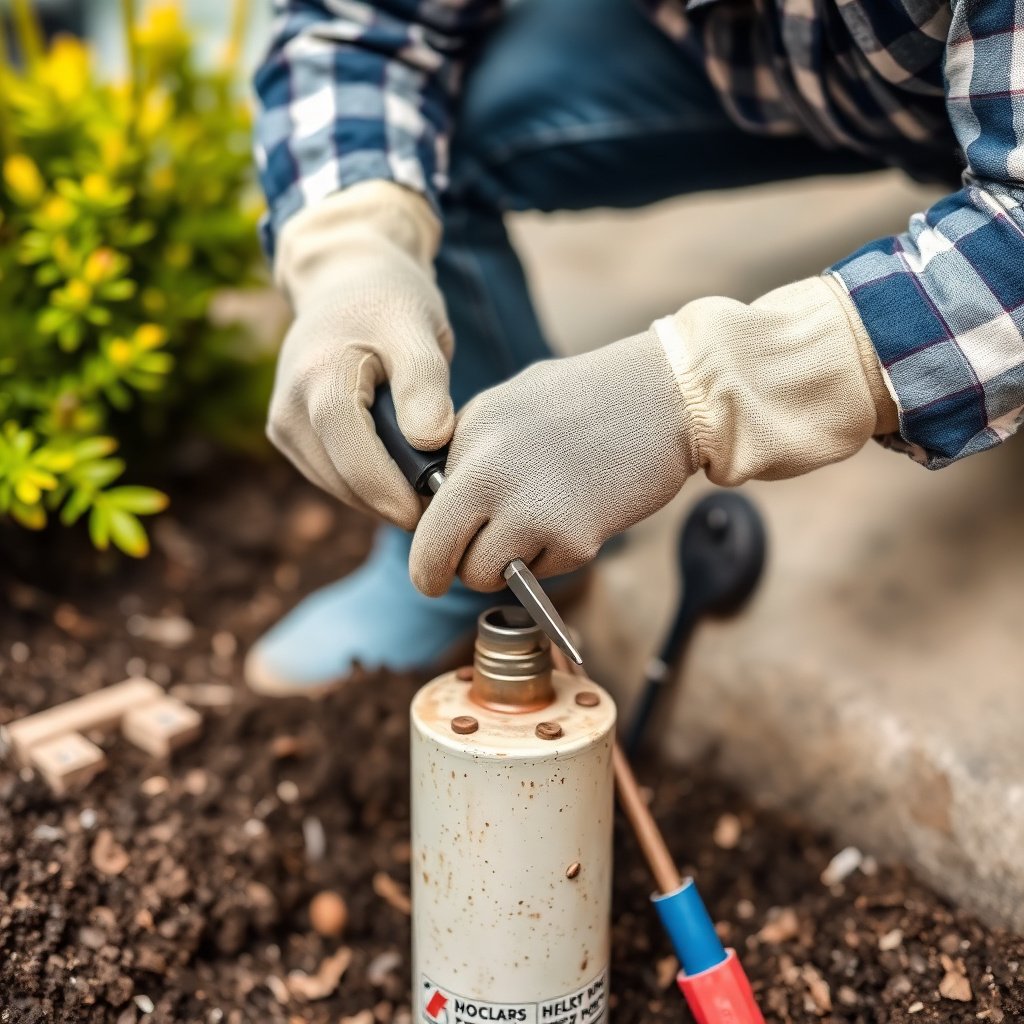
Regular well inspections fit into broader water well maintenance that includes checking the well cap, clearing debris around the wellhead, and monitoring water quality throughout the year.
Simple maintenance actions extend system life and reduce the risk of contamination between professional inspections.
- Clearing debris near wellhead
- Protecting casing seals
- Seasonal water testing
- Prompt repair of leaks or corrosion
For more on this, see our related guide: How to Get a Lake House Inspection: A Step-by-Step Guide.
Integrating Inspection Insights Into Daily Care
Professional inspection reports provide valuable guidance for homeowners to tailor daily and seasonal care routines, such as installing filtration or scheduling disinfection treatments based on water test results.
Following expert recommendations alongside water well maintenance tips helps maintain safe water flow and avoid unexpected system failures.
- Water treatment adjustments
- Scheduled pump maintenance
- Disinfection when needed
- Monitoring known vulnerability areas
Consequences of Skipping Well Inspections
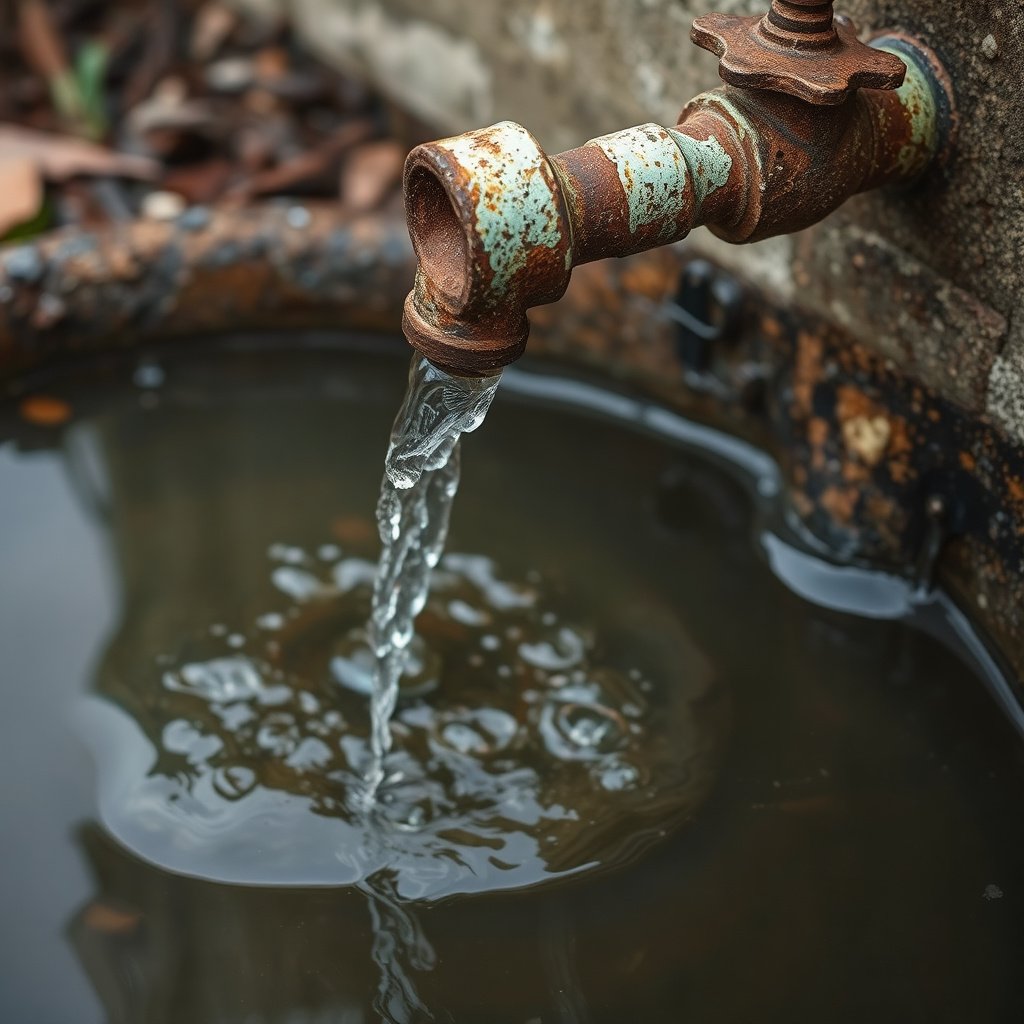
Health Risks From Untested Water
Failing to inspect your well increases the risk of consuming bacteria, viruses, or chemicals that can cause illness. Contaminated well water has been linked to gastrointestinal infections and long-term health problems.
Testing with a one-time inspection detects harmful substances early, but avoiding inspections altogether leaves you vulnerable to unknowingly drinking unsafe water.
- Bacterial contamination
- Chemical exposure
- Increased illness risk
- Undetected toxins
For further reading on well systems and groundwater basics, refer to the Water Wells information from the USGS. Water Wells information from the USGS.
Structural and Mechanical Damage
Without regular inspections, deteriorating equipment or well structure can lead to expensive repairs or complete system failure. Issues like casing cracks or pump failures worsen over time without detection.
A neglected well can also cause water loss or contamination spreading from nearby groundwater or surface water sources.
- Pump malfunctions
- Casing deterioration
- Decreased water flow
- System failures
Well Inspection Types Comparison
Here’s a comparison of common well inspection types to understand their focus, typical costs, and use cases.
| Inspection Type | Focus Area | Average Cost | Best For |
|---|---|---|---|
| Basic Visual Inspection | Surface equipment, seals, casing | $150-$300 | Routine preventive checks |
| Standard Well Inspection | Visual check + water quality test | $200-$500 | Annual or biannual maintenance |
| Comprehensive Inspection & Analysis | Detailed mechanical + lab water tests | $400-$700 | New property purchase or contamination concerns |
| Emergency Inspection | Specific problem diagnosis | $300-$600 | After flooding, mechanical failure, or contamination |
Frequently Asked Questions
How often should I schedule a well inspection?
It’s recommended to have a professional inspection every 2 to 3 years or more often if you notice water quality changes or mechanical problems.
Can I perform a well inspection myself?
While some basic checks can be done by homeowners, a full inspection including water testing requires a licensed professional for accurate assessment.
What contaminants are typically tested during a well inspection?
Common tests include bacteria like coliform, nitrates, heavy metals, pH levels, and turbidity to ensure safe drinking water.
Will my homeowner’s insurance cover well inspections?
Usually, inspections aren’t covered by insurance, but some policies may assist with repairs prompted by inspection reports; check your specific coverage.
What happens if contaminants are found during the inspection?
If contaminants are detected, remediation options include installing water treatment systems, disinfecting the well, or repairing damage to stop contamination sources.
Key Takeaways
- A well inspection ensures safe water by checking physical components and water quality.
- Inspections every 2-3 years prevent costly repairs and health risks.
- Unusual water appearance or pump issues are signs to inspect immediately.
- Professional inspections complement regular water well maintenance tips.
Conclusion
Determining when and why to schedule a well inspection centers on protecting your water supply from risks that affect health and system durability. Regular inspections uncover problems that aren't visible to the eye and verify water quality through scientific testing. This combination provides a clear picture of your well’s condition, helping avoid unsafe water or expensive breakdowns. By understanding inspection frequency, signs of trouble, and costs, homeowners can make practical decisions to safeguard their private well investment.
For homeowners who depend on well water for drinking and daily use, choosing a standard or comprehensive well inspection every few years is wise. Those noticing cloudy water, strange tastes, or mechanical irregularities should prioritize inspections to address possible contamination or equipment faults early. Emergency inspections fit sudden problems after events like floods, while routine visual checks fill the gaps between professional visits. These targeted approaches help plan preventive care and keep water quality reliably high.
Start by scheduling an inspection with a certified well professional who can thoroughly evaluate both your system’s hardware and water. Pair this with routine water well maintenance tips like clearing debris and monitoring water regularly to extend well life. Taking this proactive approach means peace of mind, safe drinking water, and fewer costly disruptions to your water supply. Don’t wait until problems arise—early inspection is the best way to keep your well running smoothly and your family healthy.