Is a Lake House Hard to Maintain? What You Need to Know
Owning a lake house comes with unique maintenance challenges, but whether it's hard to maintain depends on factors like location, construction, and how you manage upkeep. Regular tasks include managing moisture, preserving wood surfaces, controlling pests, and maintaining docks or shoreline areas. These demands can be greater than a typical home due to the lakeside environment.
Understanding the specific maintenance requirements matters because lakeside properties face harsher conditions like humidity, algae growth, and fluctuating water levels that can accelerate wear and tear. Proper, consistent care can reduce long-term costs and preserve your home's value and enjoyment.
This article will explore the main areas of maintaining a lake house, common challenges, and practical strategies. We’ll cover structural upkeep, seasonal considerations, environmental factors, and the financial impact to help you decide if managing a lake house fits your lifestyle.
Environmental Factors Affecting Lake House Maintenance
Humidity and Moisture Challenges
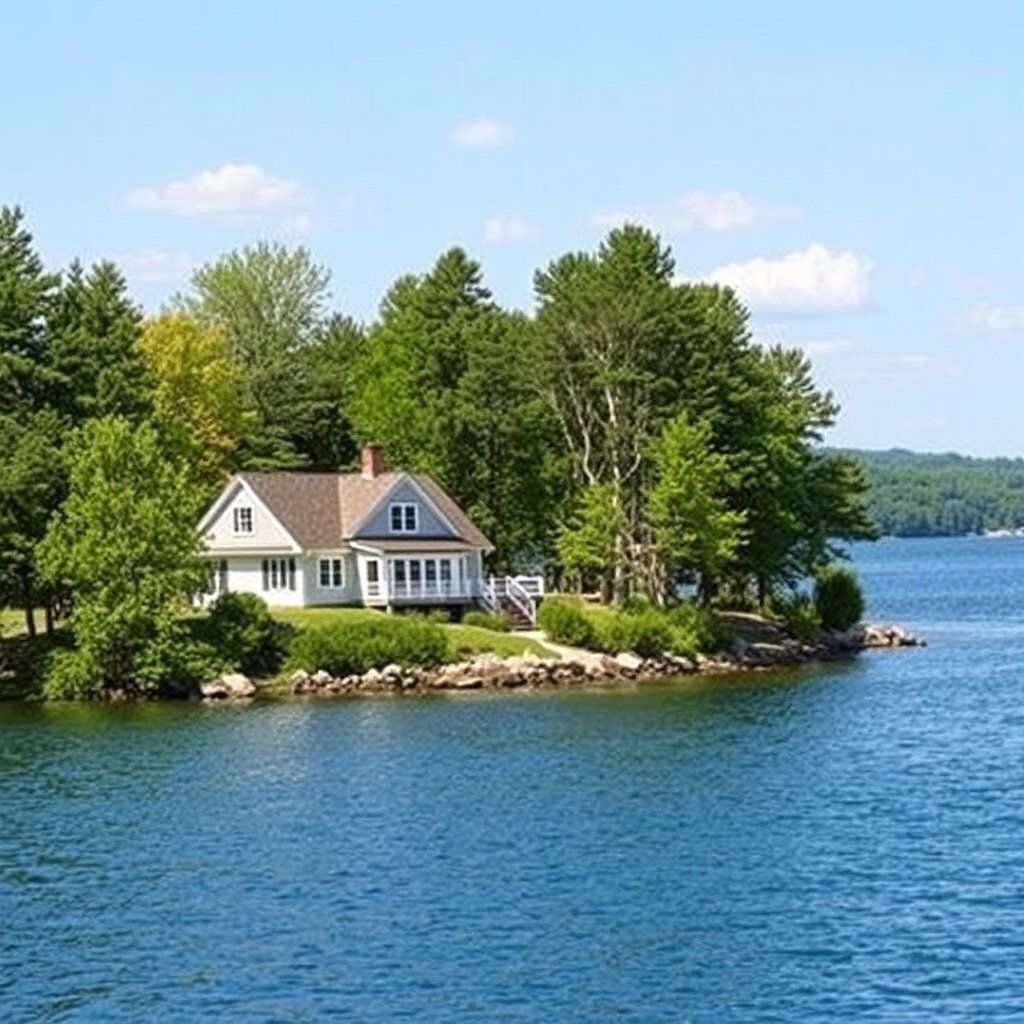
Lake houses are constantly exposed to higher humidity levels compared to inland homes, which can lead to mold, mildew, and wood rot if not addressed promptly. Proper ventilation and moisture barriers in foundation and walls help mitigate damage.
Regularly inspecting areas prone to moisture accumulation, such as basements, crawl spaces, and attics, is essential. Using dehumidifiers and maintaining gutters clear ensures water does not seep into the structure, preserving indoor air quality and the home's integrity.
- Install vapor barriers in crawlspaces
- Use high-quality exterior paint and sealants
- Keep gutters and downspouts clean and functional
Impact of Water and Weather
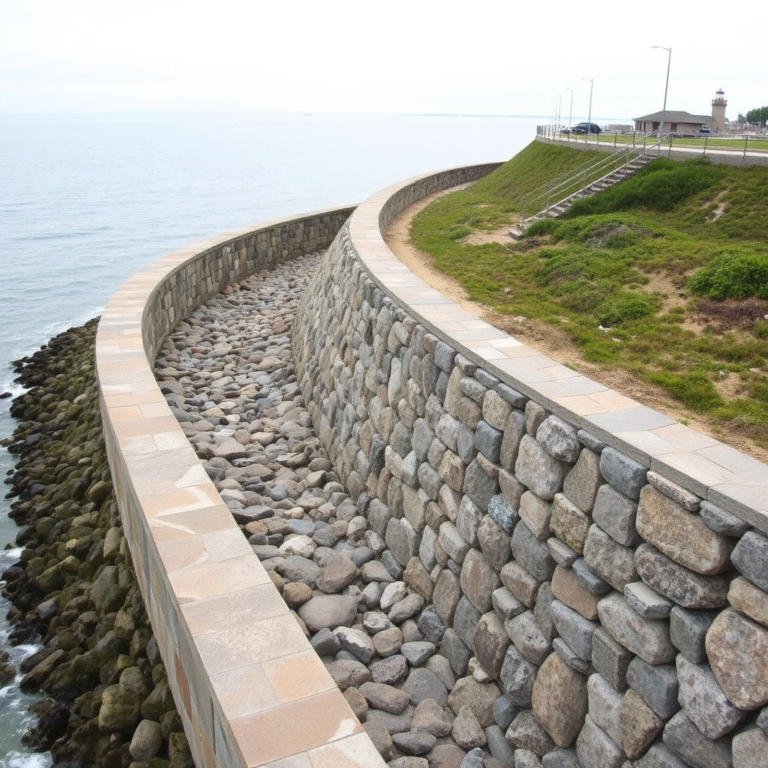
Shoreline erosion and fluctuating water levels can affect the foundation and dock stability of a lake house. It's important to survey the property annually for signs of shifting soil or damage to waterfront structures.
Harsh weather events like storms and flooding pose risks to lake houses, necessitating resilient construction and sometimes raised foundations. Regular maintenance of the roof, windows, and dock ensures the house withstands seasonal climate variations.
- Monitor soil erosion and shore condition
- Reinforce docks and seawalls annually
- Maintain weatherproofing on exterior surfaces
Structural and Exterior Maintenance of a Lake House
Wood Preservation and Paint Care
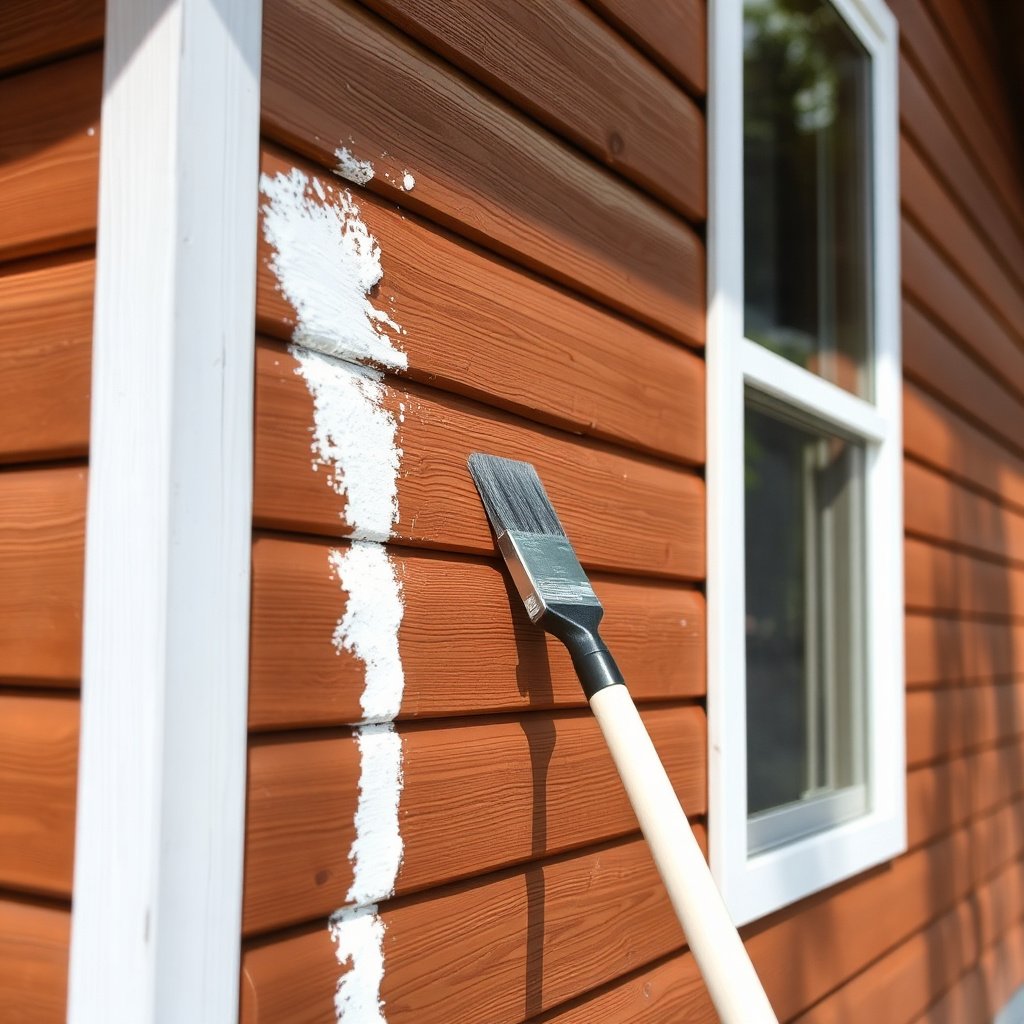
Lake houses often use wood extensively, which requires frequent upkeep to prevent rotting and insect damage. Applying protective stains and paints every 2-3 years creates a durable barrier against humidity and UV damage.
Inspect your home's wooden elements—decks, siding, trim—for cracks or peeling paint as early signs of deterioration. Prompt repairs and resealing maintain aesthetic appeal and structural soundness.
- Sand and repaint exterior wood surfaces
- Apply insect repellents where needed
- Schedule routine inspections each spring and fall
Roof and Window Upkeep
The lake environment subjects roofs and windows to moisture and wind stress. Routine inspection for loose shingles, leaks, or damaged skylights is vital to avoid water intrusion.
Installing high-quality, weather-resistant windows and maintaining proper sealing around frames reduces drafts and prevents mold growth, contributing to energy efficiency and comfort.
- Replace damaged shingles or flashing promptly
- Check window seals and re-caulk if necessary
- Clear debris from roof and chimneys regularly
Seasonal Considerations in Lake House Maintenance

Winterizing Your Lake House
Preparing a lake house for winter involves draining water lines, insulating pipes, and securing outdoor furniture to prevent freezing damage. Preventing ice buildup on roofs and gutters also avoids structural problems.
If the house is vacant during cold months, regularly checking for signs of leaks or rodent intrusion helps catch issues early. Winterizing extends the lifespan of mechanical systems and protects the home from weather extremes.
- Shut off and drain outdoor faucets
- Cover and store lawn furniture
- Inspect heating systems before cold sets in
For more on this, see our related guide: Do Lake Houses Make Good Investments? Pros, Cons, and Key Insights.
Spring and Summer Maintenance Routines
Warm months call for assessing winter damage, clearing algae from docks, and servicing landscaping. Seasonal inspections prevent long-term harm from moisture and pests active during this time.
Ensuring HVAC systems are clean and functional improves air quality during heavy use periods. Exterior painting or staining is best scheduled in spring or summer for optimal drying conditions.
- Power wash decks and siding
- Trim back vegetation near the house
- Inspect and clean gutters and downspouts
Managing Costs and Labor for Lake House Maintenance

Budgeting for Routine and Unexpected Repairs
Maintenance costs for lake houses can be higher than standard homes due to specialized repairs like dock upkeep and erosion control. Setting aside a maintenance fund covering 1-3% of the home's value annually helps handle predictable tasks and emergencies.
Unexpected expenses often arise from weather damage or pests. Regular inspections and preventive care keep surprises manageable and reduce the risk of costly structural failures.
- Plan for dock and shoreline repairs
- Include seasonal HVAC servicing
- Account for pest control treatments
Hiring Professionals vs. DIY Maintenance
Deciding which maintenance tasks to hire professionals for depends on your skills, time, and the work complexity. Electrical, structural repairs, and dock rebuilding often require licensed contractors.
Simple upkeep like cleaning gutters, painting, or lawn care you can handle yourself reduces costs but demands consistent attention. Balancing professional help and DIY work ensures safety and sustainability.
- Use licensed contractors for electrical and foundation work
- DIY painting and landscaping to cut expenses
- Schedule professional dock inspections regularly
Common Pest and Wildlife Issues in Lake Houses
Insect Pests and Their Prevention
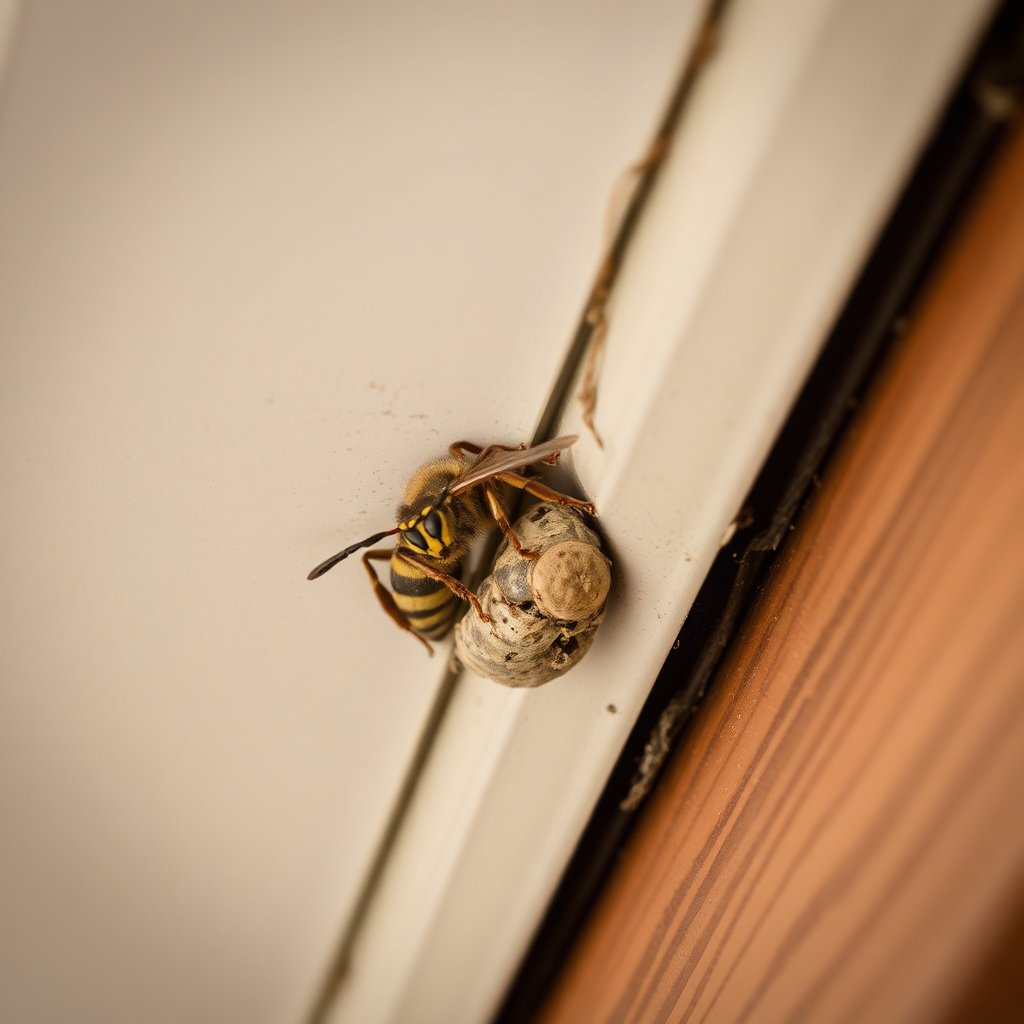
Warm, moist conditions attract insects like termites, carpenter ants, and wasps that can severely damage wood structures. Preventive treatments and timely inspections reduce these risks significantly.
Maintenance habits such as clearing wood debris, sealing cracks, and using insect-resistant materials provide a layered defense against infestations and costly repairs.
- Apply termite barriers annually
- Seal gaps around doors and windows
- Remove standing water that attracts mosquitoes
For more on this, see our related guide: Is a Lake House a Good Investment? Pros and Cons Explained.
Managing Wildlife Intrusion
Lake houses may attract raccoons, bats, and birds seeking shelter, potentially causing damage or safety issues. Installing humane deterrents and securing trash bins discourages unwanted guests.
If wildlife has nested in the home, professional removal ensures compliance with local regulations and reduces health risks.
- Install screened vents to keep animals out
- Use motion-activated lights to deter nocturnal animals
- Consult wildlife control experts for infestations
Using Technology and Tools for Efficient Lake House Maintenance

Home Maintenance Apps and Reminders
Technology helps track maintenance schedules for lake houses, reminding owners to perform seasonal tasks such as painting, gutter cleaning, or HVAC checks. These apps reduce the chance of overlooking critical upkeep.
Using digital tools to log repairs and costs improves budgeting and offers quick reference for future service needs.
- Schedule seasonal tasks through mobile apps
- Keep digital records of inspections
- Set alerts for warranty expirations or service renewals
For more detailed information on lake houses and considerations for upkeep, the Wikipedia page on lake houses provides valuable insights. Lakeside Home Maintenance Tips.
Specialized Tools for Waterfront Property Care
Tools like pressure washers, wood moisture meters, and water testing kits assist in everyday lake house maintenance. Pressure washing removes algae from docks and siding effectively without damage.
Monitoring water quality around the property helps prevent environmental issues affecting your home's foundation and helps comply with local conservation rules.
- Use moisture meters to catch hidden wood rot
- Pressure wash docks and decks carefully
- Test shoreline water for pesticides or algae blooms
Lake House Maintenance Task Comparison
Compare common maintenance categories by complexity, frequency, typical cost, and required skills to understand their demands better.
| Maintenance Task | Complexity Level | Frequency Required | Estimated Annual Cost | Skill Level Needed |
|---|---|---|---|---|
| Exterior Wood Preservation | Medium | Every 2-3 years | $500-$1500 | Moderate |
| Dock and Shoreline Repairs | High | Annually | $1000-$3000 | Advanced |
| Pest Control Treatments | Low | Seasonally | $200-$600 | Low |
| Winterizing Plumbing | Medium | Annually | $150-$400 | Moderate |
| Roof Inspection and Repairs | Medium | Annually | $300-$1000 | Moderate |
| Landscaping and Vegetation Management | Low | Monthly in season | $200-$800 | Basic |
Frequently Asked Questions
How often should I inspect my lake house for maintenance issues?
It's best to conduct inspections at least twice a year, ideally in spring and fall, to catch moisture damage, pest issues, and structural wear before they worsen.
Is it necessary to hire professionals for lake house maintenance?
While many small upkeep tasks can be handled DIY, specialized jobs like dock repairs, electrical work, or pest extermination usually require experienced professionals to ensure safety and code compliance.
What are the biggest maintenance challenges unique to lake houses?
Moisture management, protecting wooden structures from rot and insects, and maintaining shorelines or docks are among the most challenging due to the lake environment.
Can technology help simplify lake house upkeep?
Yes, apps for scheduling maintenance, digital records for repairs, and specialized tools like moisture meters make managing upkeep more organized and efficient.
How can I reduce maintenance costs for my lake house?
Regular preventive care, doing manageable DIY tasks, and budgeting for routine inspections helps minimize large repair expenses over time.
Key Takeaways
- Lake houses require more frequent and specific maintenance due to moisture and environmental exposure.
- Proper wood and structural care are essential to prevent rot and insect damage.
- Seasonal adjustments like winterizing and spring repairs keep the home safe year-round.
- Balancing DIY tasks with professional services can effectively manage costs and upkeep.
Conclusion
Deciding whether owning a lake house is hard to maintain depends on your willingness to commit to regular, sometimes specialized upkeep shaped by the lakeside environment. The constant presence of moisture, fluctuating water levels, and exposure to elements demand vigilant care. However, with planned inspections and a structured maintenance routine, the challenges become manageable rather than overwhelming. Understanding what each maintenance task involves, including structural, seasonal, and environmental aspects, helps prepare you for a smoother ownership experience.
For those ready to invest in maintenance, focusing on wood preservation and managing pests emerges as key priorities. Seasonal tasks like winterizing plumbing and refreshing exterior finishes protect the home from severe weather damage. Additionally, monitoring docks and shoreline conditions preserves both safety and property value. Technology, such as maintenance scheduling apps, complements these activities by keeping you organized. If your skill set allows, performing simple exterior cleaning or landscaping tasks can reduce costs, but don't hesitate to consult professionals for complex repairs or safety-critical jobs.
Ultimately, if you appreciate waterfront living and are prepared to adapt your maintenance approach to the lake setting, the effort pays off with long-term enjoyment and investment protection. Starting with a thorough evaluation of your property’s condition and creating a tailored maintenance plan provides a clear path forward. For new lake house buyers, consulting local experts and neighbors can offer insights into typical issues and service providers. Taking these steps ensures your lake house remains a cherished retreat rather than a burdensome responsibility.



One Comment