How Much Does a Lake Lot Cost? A Detailed Guide to Pricing and Factors
A lake lot's cost can vary widely, typically ranging from $30,000 to over $500,000 depending on location, size, and amenities. On average, buyers pay between $50,000 and $200,000 for a decent-sized lake lot in popular regions. The price often reflects factors like proximity to the water, local market demand, and available utilities.
Understanding lake lot pricing is important for buyers considering vacation homes, investments, or retirement spots. The appeal of lakefront living combined with scarcity of prime lots drives prices up, especially near major lakes or in well-developed recreational areas. Each lake market behaves differently, meaning similar-sized lots can cost vastly different amounts depending on where they’re located.
This article covers key aspects influencing lake lot costs, including location specifics, lot size, zoning rules, and water access rights. We will also compare different lake lot categories by price and amenities, discuss financing approaches, and answer common buyer questions to help you make a well-informed purchase.
Factors That Influence How Much a Lake Lot Costs

Location and Accessibility
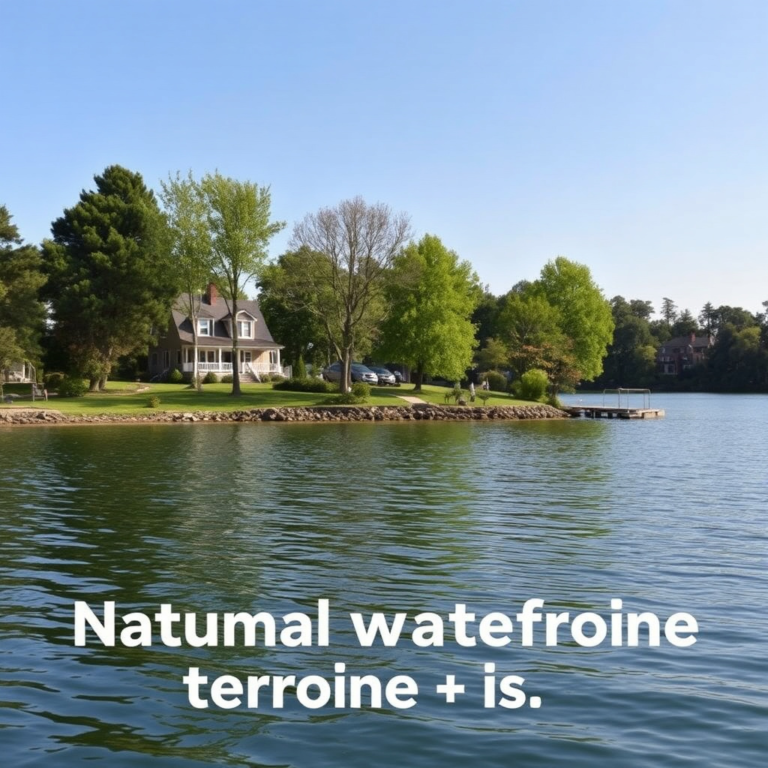
Location is the highest-impact factor when it comes to lake lot prices. Lots directly on the shoreline command premiums, while those farther back or across inlets cost less. Proximity to urban centers, highways, and services like marinas or shops also increases value.
Highly sought-after lakes with recreational popularity, scenic views, or clean water tend to have pricier lots. Remote or less developed lakes might offer bargains but also fewer conveniences.
Lot Size and Shape
Larger lake lots provide more space for building, privacy, or outdoor activities, which usually raises the price. However, usable lot shape matters too; irregularly shaped or sloped lots may be less desirable despite bigger acreage.
Some buyers prefer narrow but long waterfront lots that maximize shoreline access, while others look for square parcels with room to expand. Both factors contribute significantly to final pricing.
Amenities and Utilities Impacting Lake Lot Value

Water and Sewer Access
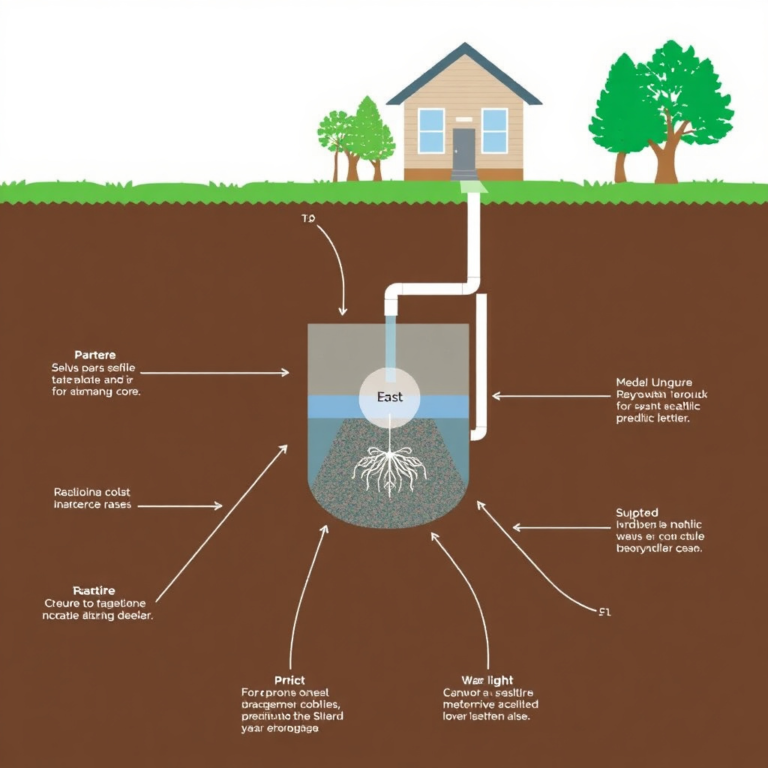
Lots with city water and sewer hookups offer convenience and often higher prices compared to those relying on wells and septic systems. The cost of installing utilities on undeveloped lots can be substantial.
Some lake lots come with private wells or shared community water sources which may reduce upfront costs but could require maintenance and inspections.
Docking and Boat Access
Private docks, boat ramps, or shared marina rights add significant value to lakefront properties by facilitating water activities. Many buyers prioritize lake lots that allow easy boat access and storage.
Permits or HOA fees for docks can affect overall ownership cost, so it's essential to understand local rules tied to any lake lot purchase.
Zoning, Building Restrictions, and Property Rights

Zoning Restrictions
Local zoning laws dictate what type of structures you can build on a lake lot and can affect price by limiting development potential. Residential, recreational, or agricultural designations each come with different rules and permits.
Some lots may have conservation easements or limited footprints to protect environmental quality, thereby reducing buildable area and overall value.
For more on this, see our related guide: How Much Do Property Taxes Cost at Lake of the Ozarks? A Detailed Guide.
Waterfront Use and Riparian Rights
Riparian rights grant owners access to use the waterbody adjacent to their property. These rights vary widely and may allow boat docks, fishing, or swimming, impacting desirability and price.
Buyers should verify the exact nature of water use rights since some lots have shared access or restrictions imposed by local ordinances or associations.
Comparing Lake Lot Categories

Luxury vs. Mid-Range Lake Lots
Luxury lake lots typically offer extensive waterfront, private docks, and full utility hookups near popular lakes. These lots often cost several hundred thousand dollars or more and attract buyers seeking high-end homes.
Mid-range lake lots balance affordability and amenities, perhaps featuring decent shoreline access but fewer luxury services like paved roads or extensive landscaping.
- Luxury lots may include gated community perks
- Mid-range lots might rely on septic and wells
Rural and Recreational Lots
Rural lake lots are generally more affordable but often lack paved road access and utilities, suitable for buyers wanting seclusion or hunting camps.
Recreational lots near public lakes may be smaller and less expensive but come with shared public access, limiting privacy and exclusivity.
- Lower price point
- Limited infrastructure
- Good for seasonal use
Financing and Closing Costs for Lake Lot Purchases

Obtaining Loans for Lake Lots
Securing financing for lake lots can be more challenging than typical home loans, especially for undeveloped or rural parcels. Banks often require higher down payments and may charge higher interest rates.
Some buyers use personal loans, land loans, or seller financing to complete purchases. Strong credit and a clear plan for development can improve financing terms.
For more on this, see our related guide: Do Lake of the Ozarks Homes Have Septic Systems? What Buyers Should Know.
Additional Fees and Expenses
Along with purchase price, buyers should budget for closing costs, property taxes, survey fees, and possible HOA dues. Utility installations or septic permits can add thousands of dollars more.
Title insurance and legal work to confirm waterfront rights or easements are recommended to prevent future disputes or surprises.
Environmental Considerations in Lake Lot Values
Water Quality and Environmental Protections
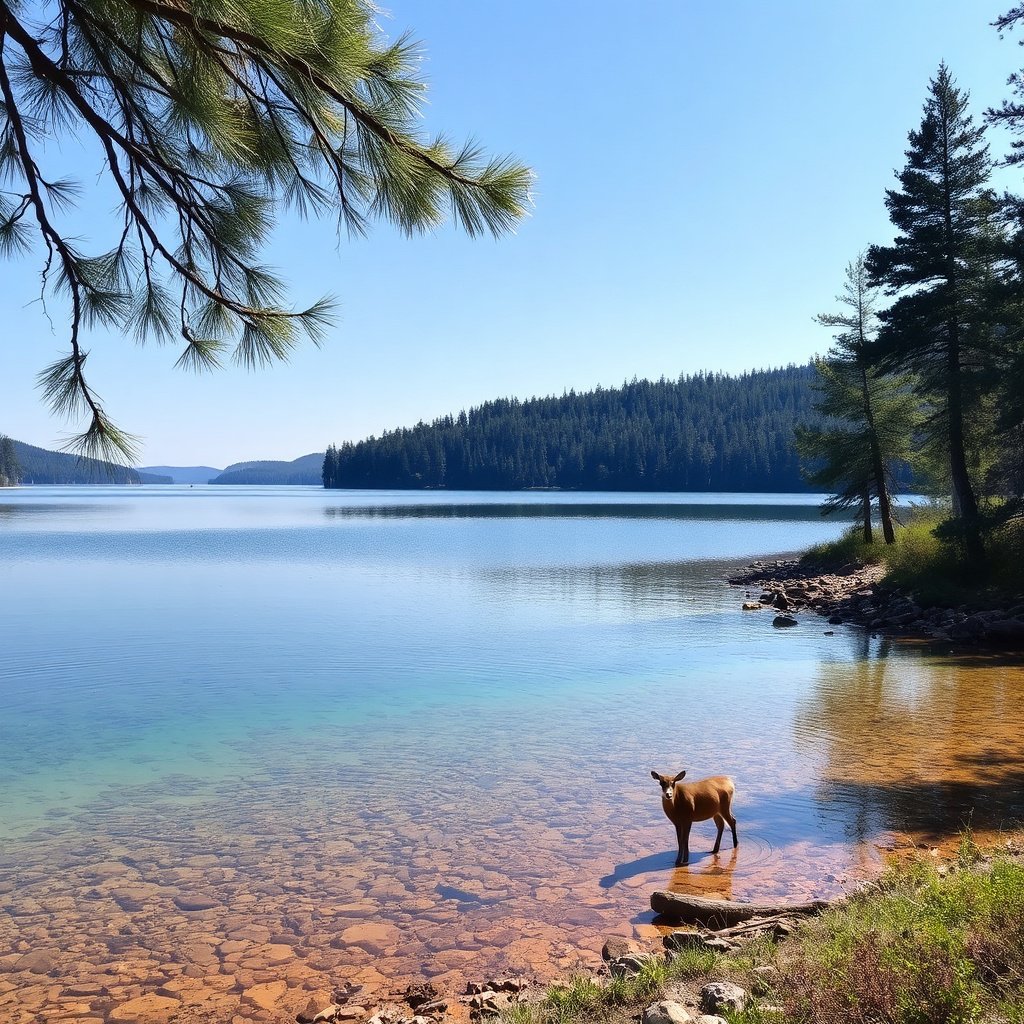
High water quality enhances lake lot appeal and price while pollution or invasive species can hurt values. Environmental regulations may control shoreline use to protect ecosystems.
Buyers should research recent water quality reports and local conservation rules that could affect lot usability or future development plans.
For more details on the characteristics of lakefront property, visit this informative resource. Lakefront property.
Flood Zones and Insurance
Many lakefront lots are located in flood-prone areas requiring special insurance and building measures. This can influence total ownership costs and financing availability.
Checking FEMA flood maps and consulting local experts before purchase helps buyers understand risks and prepare accordingly.
Lake Lot Price Category Comparison
Here's a comparison overview of different lake lot categories highlighting their price range, common features, and typical buyer profiles.
| Category | Price Range | Key Features | Ideal Buyer |
|---|---|---|---|
| Luxury Lake Lots | $200,000 – $1,000,000+ | Private docks, full utilities, prime locations | High-end homeowners, vacationers |
| Mid-Range Lake Lots | $50,000 – $200,000 | Moderate waterfront, basic utilities | Families, seasonal users |
| Rural Lake Lots | $20,000 – $70,000 | Limited access, minimal development | Rustic enthusiasts, hunters |
| Recreational Lake Lots | $15,000 – $60,000 | Shared water access, no private docks | Casual users, budget buyers |
Frequently Asked Questions
Why do lake lot prices vary so much?
Prices vary due to differences in location, lot size, access, utilities, and local regulations. Desirable lakes in developed areas typically have higher demand and cost more.
Are lake lots easier or harder to finance than regular lots?
Finance for lake lots can be harder to secure because lenders view undeveloped or rural lake properties as riskier. Down payments may be higher, and interest rates could be less favorable.
Do all lake lots include rights to use the water?
Not always. Water use rights depend on local laws and property deeds. Some lake lots have full riparian rights while others have limited or shared access, so it's important to confirm ownership details.
What additional costs come with buying a lake lot?
Beyond purchase price, you should budget for closing fees, property taxes, surveys, utility installations, potential HOA fees, and flood insurance if applicable.
How does zoning affect what I can build on a lake lot?
Zoning laws determine allowed uses and building sizes. Restrictions may specify setbacks from the water, types of dwellings, or prohibit certain activities to protect the lake environment.
Key Takeaways
- Lake lot costs range widely due to location, size, and amenities.
- Water access rights and utilities significantly affect value.
- Zoning and environmental rules impact buildability and price.
- Financing lake lots often requires higher down payments.
Conclusion
Deciding how much to spend on a lake lot involves balancing desire for prime waterfront, lot size, and available amenities against your budget and intended use. Prices differ sharply based on location nuances and local demand, so researching specific lakes and nearby listings is essential. Understanding zoning and water access rights early can prevent costly surprises.
For buyers seeking luxury waterfront living, lots near major lakes with private docks and full utilities cost upwards of $200,000 and provide extensive conveniences. Those wanting an affordable vacation spot or hunting cabin might consider rural or recreational lots priced below $70,000 but expect fewer services. Mid-range lots offer a good compromise of price and access, especially near small towns or popular state parks.
Begin your search by targeting lakes that match your lifestyle and budget, then analyze each lot’s features carefully—especially water rights and zoning rules. Consulting local real estate experts and reviewing official regulations will help you make the most informed purchase. In all, knowing how much a lake lot costs is just the start; getting clarity on all related aspects will ensure your investment delivers lasting enjoyment.



One Comment