How to Winterize a Vacation Home: A Practical Step-By-Step Guide
Winterizing a vacation home involves preparing the property to withstand freezing temperatures, prevent damage from ice and snow, and reduce maintenance needs while it remains unoccupied. This includes draining water lines, insulating pipes, sealing drafts, and setting appropriate thermostats to maintain a safe temperature that avoids frozen plumbing or structural damage.
Vacation homes often sit empty for months, making them vulnerable to winter weather problems like burst pipes, mold growth, and energy waste. Taking proper steps before the cold sets in helps preserve your investment, reduces costly repairs, and ensures the home is ready for your return in warmer months.
This article outlines key actions to winterize a vacation home, covering plumbing protection, heating options, sealing and insulation techniques, and emergency readiness. You'll gain practical advice to keep your property safe, energy-efficient, and ready for any winter challenge.
Preparing Plumbing Systems to Prevent Freeze Damage
Draining and Flushing Water Lines
One of the most critical winterizing tasks is to drain plumbing lines completely to prevent water from freezing and bursting pipes. This involves shutting off the main water supply, opening all faucets and valves to drain water from pipes, and flushing toilets to empty tanks and bowls.
Using compressed air to blow out any remaining water from pipes is recommendable, especially in climates with severe winters. Additionally, adding antifreeze formulated for plumbing systems in toilet bowls and traps helps to protect these components from freeze damage.
- Turn off the main water supply valve
- Open all taps, including outdoor faucets
- Flush and add antifreeze to toilets
- Use compressed air to clear remaining water
Insulating Exposed Pipes and Faucets
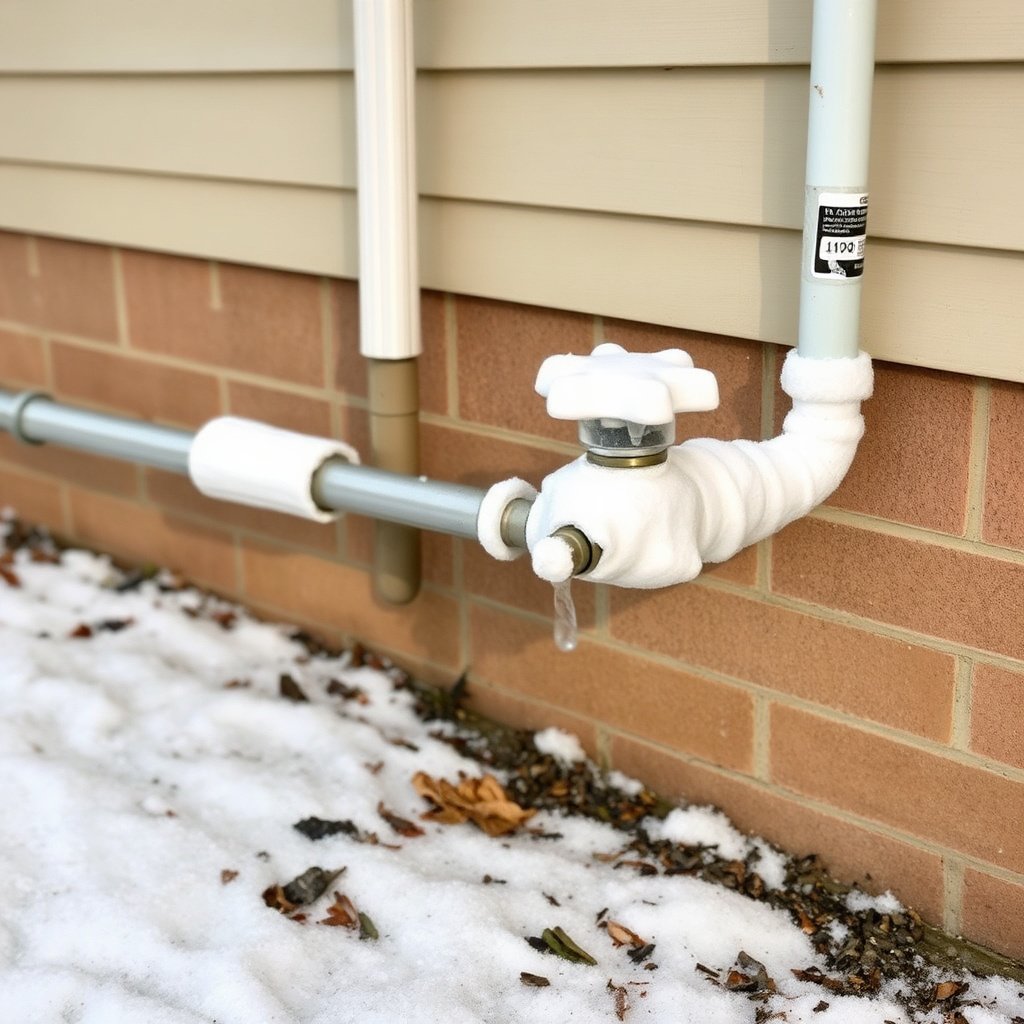
Exposed pipes in unheated areas like basements, attics, and crawl spaces should be wrapped with foam pipe insulation sleeves or heat tape to shield them from low temperatures. Covering outdoor faucets with insulated covers reduces the risk of freezing external water sources.
This step prevents pipes from freezing mid-winter, which can cause costly repairs. Pay attention to vulnerable spots where cold air may enter, ensuring a continuous insulation barrier that sustains pipe temperatures above freezing.
- Use foam or fiberglass pipe insulation
- Install insulated faucet covers outside
- Check for air leaks near pipes and seal them
Temperature Control Strategies for an Unoccupied Vacation Home
Setting Thermostat Temperatures to Prevent Freezing
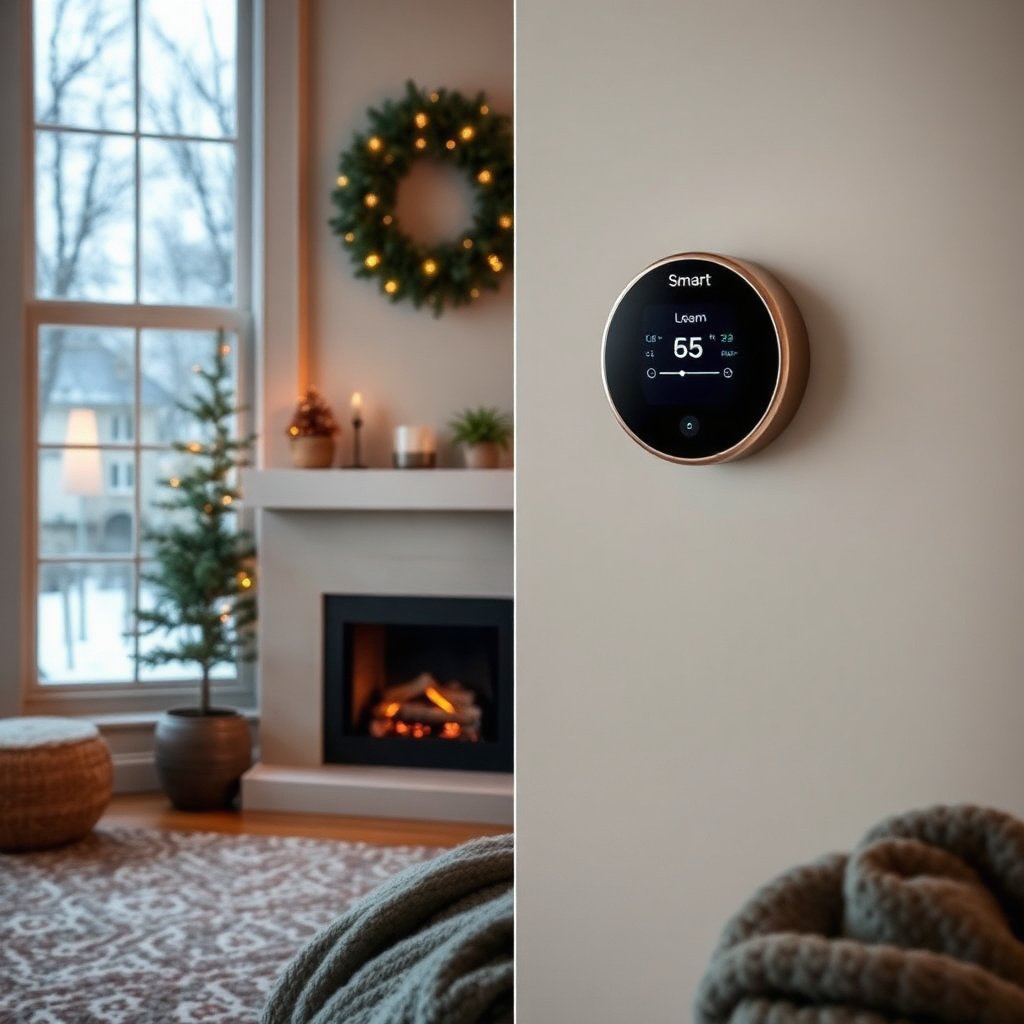
Maintaining a minimum indoor temperature between 55°F and 60°F stops pipes and walls from freezing while avoiding unnecessarily high energy use. Modern programmable thermostats allow you to set these temperatures remotely and adjust settings for energy savings.
Avoid turning the heat completely off unless you have fully drained the water system. Keeping a low constant heat benefits the overall structural health by preventing moisture condensation and maintaining indoor air quality.
- Set thermostat to at least 55°F
- Use programmable or smart controls for remote access
- Avoid turning heating off unless fully winterized plumbing
For more on this, see our related guide: How to Prevent Freezing Pipes in a Vacation Home: Essential Tips for Winterizing.
Considering Backup Heating Options
In areas prone to power outages or extreme cold, installing a backup heat source like a propane heater or wood stove can protect your vacation home if the primary heating fails. Some owners install battery-backed or generator-powered heaters to maintain minimum temperatures.
If you choose a backup system, ensure it is safe and compliant with local codes, and that the home is properly ventilated. Remote temperature monitoring devices may alert you quickly to heating failures so you can act before freeze damage occurs.
- Install backup heating for power outages
- Use propane or wood-burning options with safety checks
- Employ remote temperature monitors as early warnings
Securing the Property Through Insulation and Draft Sealing

Insulating Walls, Attics, and Crawl Spaces
Improving insulation in attics, walls, and crawl spaces keeps interior temperatures steady and reduces energy consumption during winter. Adding spray foam, batt, or blown-in insulation in these areas helps block cold air and retains warmth inside the home.
Especially in older vacation homes, retrofitting insulation can close thermal gaps which also prevent moisture buildup that could cause mold or wood rot during cold months.
- Inspect insulation quality and add material where thin
- Focus on attics and crawl spaces for maximum benefit
- Seal gaps before insulating to trap heat efficiently
Sealing Windows, Doors, and Other Openings
Windows and doors are common paths for heat loss. Applying weatherstripping, caulking cracks, and using draft stoppers helps block cold air infiltration. Consider thermal curtains or window insulation film to add extra barriers against the cold.
Check lesser-known openings like vents, chimney flues, and pet doors for drafts and seal or cover them seasonally to prevent chilly air from entering and warm air from escaping.
- Use weatherstripping around doors and windows
- Apply caulk to seal cracks in frames and walls
- Install thermal curtains or insulation film
- Seal vents and pet doors during winter
Outdoor Preparations to Protect Your Vacation Home
Clearing Gutters and Protecting Roofs
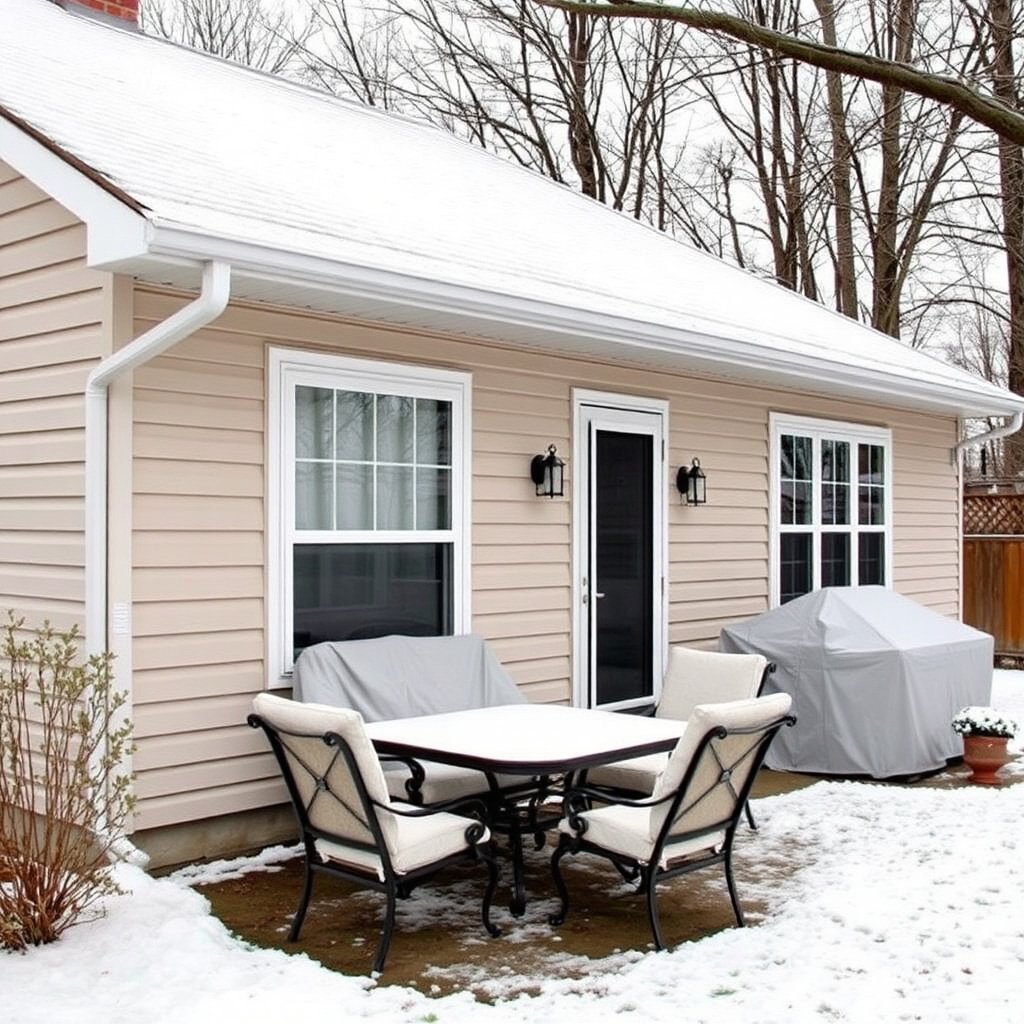
Removing leaves, twigs, and debris from gutters ensures proper drainage and prevents ice dams that can cause roof damage. Inspecting the roof for loose shingles or tiles before winter prevents leaks when snow accumulates and melts.
Installing gutter guards reduces debris build-up over time. If you live in heavy snow areas, consider roof heating cables to keep ice from forming on eaves and causing damage.
- Clean gutters thoroughly before winter
- Repair loose or missing shingles on the roof
- Install gutter guards or roof heating cables
For more on this, see our related guide: How to Stage a Vacation Home for a Quick and Profitable Sale.
Winterizing Outdoor Equipment and Landscaping
Store garden hoses indoors and cover outdoor faucets to prevent freezing. Disconnect irrigation systems and drain sprinkler lines to avoid pipe burst. Protect vulnerable plants with mulch, burlap, or protective covers peculiar to your climate zone.
Moving furniture and grills inside or covering them preserves their lifespan. Removing snow regularly and inspecting walkways reduces icy hazards for safety and property protection.
- Drain and store garden hoses indoors
- Cover or store outdoor furniture and grills
- Protect plants with appropriate winter coverings
- Clear snow and ice from walkways routinely
Monitoring and Emergency Preparedness for Long Vacations
Installing Remote Monitoring Systems
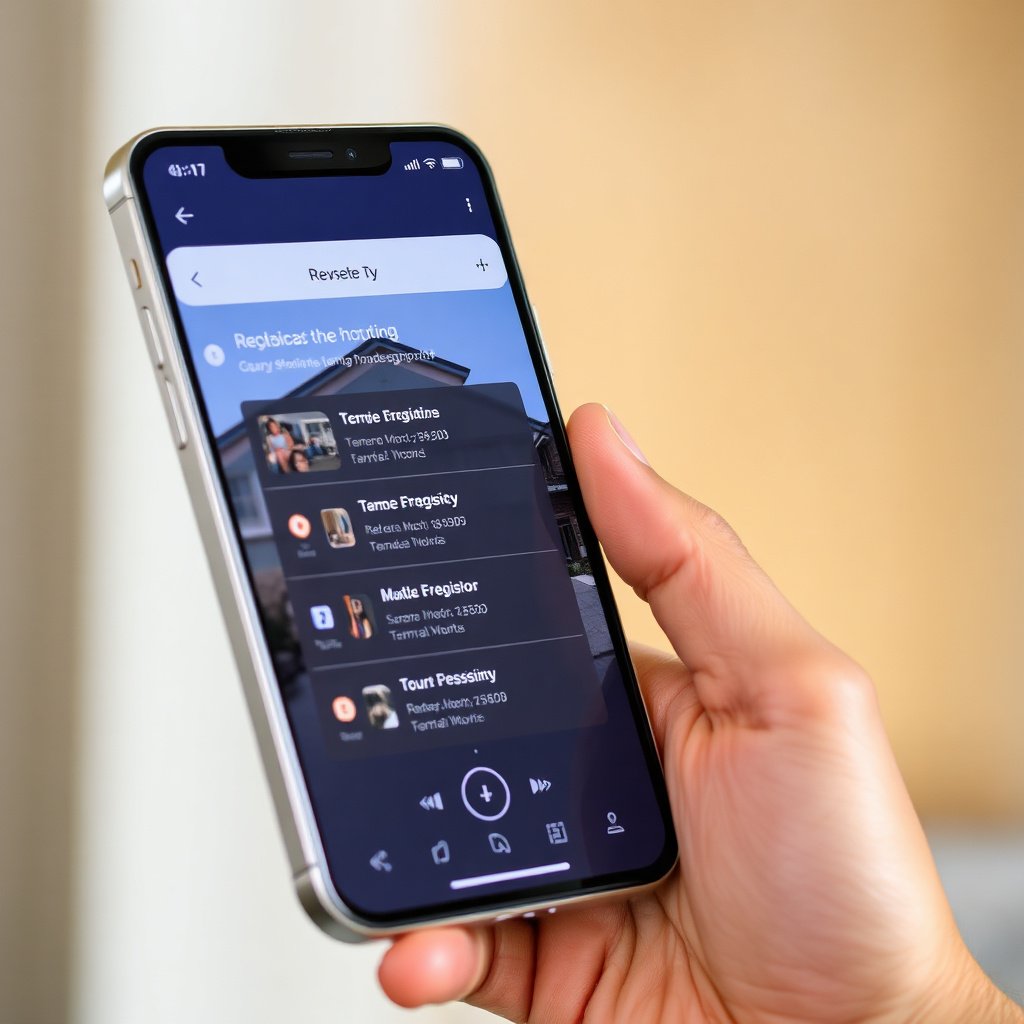
Smart home devices like temperature sensors, water leak detectors, and security cameras provide real-time alerts when unusual conditions arise, allowing you to respond quickly. These systems help detect frozen pipes, flooding, or break-ins to your vacation home while you're away.
Remote monitoring also lets you adjust thermostats or activate pumps remotely. Choose devices compatible with your preferred smart home ecosystem for seamless control.
- Install temperature and humidity sensors
- Use water leak detectors on plumbing lines
- Employ security cameras with remote viewing
- Choose smart thermostats for remote temperature control
For additional insights on sealing and insulating homes effectively, review these Vacation Home maintenance tips from the U.S. Department of Energy. Vacation Home maintenance tips from the U.S. Department of Energy.
Preparing an Emergency Response Plan
Identify trusted neighbors, friends, or local property managers who can check on the home periodically. Provide them with emergency contacts like plumbers or electricians familiar with the home.
Leave detailed instructions for winterization maintenance and emergency procedures. Having quick access to service providers can prevent minor issues from escalating into costly repairs.
- Assign check-in responsibilities to trusted contacts
- Provide emergency service contacts and instructions
- Plan for rapid response to plumbing or heating issues
Winterizing Vacation Home Methods Comparison
Here's a comparison of common winterizing approaches covering protection level, cost, and maintenance needs to help you decide which suits your vacation home best.
| Method | Protection Level | Installation Cost | Maintenance Required | Suitability |
|---|---|---|---|---|
| Drain Plumbing System Completely | High | Low | Moderate (annually) | Best for long vacancies |
| Maintain Low Heat Setting | Moderate | Low | Low | Suitable for moderate climates |
| Backup Heating Installation | Very High | High | Moderate | Ideal for cold, risky areas |
| Full Insulation Upgrade | High | Medium to High | Low | For older or poorly insulated homes |
| Remote Monitoring System | Supplemental | Medium | Low | Recommended for all homes |
Frequently Asked Questions
Can I just turn off the heat in my vacation home for the winter?
Turning off heat completely is risky unless you've fully drained the plumbing system. Without heat, pipes can freeze and burst, causing costly damage. It's safer to maintain a low temperature or drain water lines before leaving.
Is antifreeze safe to use in all plumbing fixtures?
Only non-toxic antifreeze designed for plumbing systems should be used, especially in toilets and traps. Automotive antifreeze is poisonous and should never be used. Choose products labeled safe for septic systems and potable water environments.
How often should I check on my vacant vacation home during winter?
Ideally, have someone inspect the property every few weeks to catch issues early. Remote monitoring can supplement this by alerting you to temperature drops or water leaks in real time.
What temperature should I set my thermostat at to prevent freezing?
Setting your thermostat between 55°F and 60°F maintains enough warmth to prevent frozen pipes and structural damage without excessive energy use.
Can I winterize my vacation home myself or should I hire a professional?
Many winterizing tasks can be done by homeowners with basic tools and knowledge. However, hiring professionals for plumbing winterization, insulation upgrades, or heating system installation ensures thorough and safe preparation.
Key Takeaways
- Drain and insulate plumbing to avoid freeze damage
- Maintain minimum heat to protect pipes and structure
- Seal drafts and improve insulation to reduce heat loss
- Use remote monitoring and backup heating for added safety
Conclusion
Deciding how to winterize a vacation home depends on your property's age, location, and how long it will remain unoccupied. A combination of plumbing protection, temperature control, insulation, and emergency monitoring covers most risks during cold months. Assessing your home's weaknesses—such as poor insulation or vulnerable plumbing—helps determine which winterizing methods deliver the best protection within your budget.
For homes left empty for extended periods in cold climates, a thorough plumbing drain combined with a low-level heating system provides dependable freeze protection. Backups like propane heaters or monitoring sensors offer additional security in harsh environments. In milder climates or shorter seasonal absences, maintaining a minimum heat setting and sealing air leaks may suffice. Enhancing insulation and outdoor preparations also contribute to preserving your vacation home through the winter.
Taking well-planned winterizing steps can save you from costly post-winter repairs and keep your vacation home comfortable and ready for the next visit. Start planning your winterization routine at least a month before temperatures drop, and consider professional assistance for complex tasks. This proactive care safeguards your investment and gives peace of mind during your time away.