How to Get a Lake House Inspection: A Step-by-Step Guide
Getting a lake house inspection is a necessary step to protect your investment and ensure the property is safe and sound. Start by hiring a professional inspector experienced in waterfront properties, then schedule a thorough evaluation covering both the structure and the unique water-related features. This inspection will reveal potential issues like water damage, foundation problems, and environmental hazards before you commit.
Lake houses present distinctive challenges compared to standard homes, such as exposure to floods, erosion, and specialized septic or water systems. Because of this, standard home inspections may miss critical problems. Understanding the condition of docks, shoreline, and water quality can be crucial to your decision and budgeting for repairs or maintenance.
This article will guide you through each stage of getting a lake house inspection—choosing the right inspector, what to expect during the process, key areas to pay attention to, common problems found in waterfront homes, and how to interpret inspection reports. Armed with this knowledge, you will approach your purchase with confidence.
Finding a Qualified Inspector for Your Lake House

Specialized Skills Needed for Waterfront Inspections
Inspectors adept in lake house evaluations usually have specialized training in waterfront concerns like shoreline erosion, flood risk, and septic systems designed for lakeside properties. They understand how the lake environment affects building materials and structural integrity.
It’s essential to confirm your inspector has experience with waterfront homes rather than a generic home inspection background, as the unique factors require a different approach and checklist.
- Knowledge of flood zone regulations
- Experience assessing docks and seawalls
- Understanding of water treatment and septic systems
- Familiarity with ecological impact
Where to Find Reliable Waterfront Inspectors
Start your search through local real estate agents with experience in lake properties, as they often recommend inspectors who specialize in this niche. Online platforms and inspection associations can also provide directories filtered by specialty and region.
Ask for references and request detailed reports from previous inspections to gauge their thoroughness and ability to spot waterfront-specific issues.
- Local real estate agencies with lake house listings
- Professional inspection associations
- Online review platforms with verified client feedback
- Word-of-mouth recommendations from lake home owners
Preparing for the Lake House Inspection
Gathering Necessary Documents
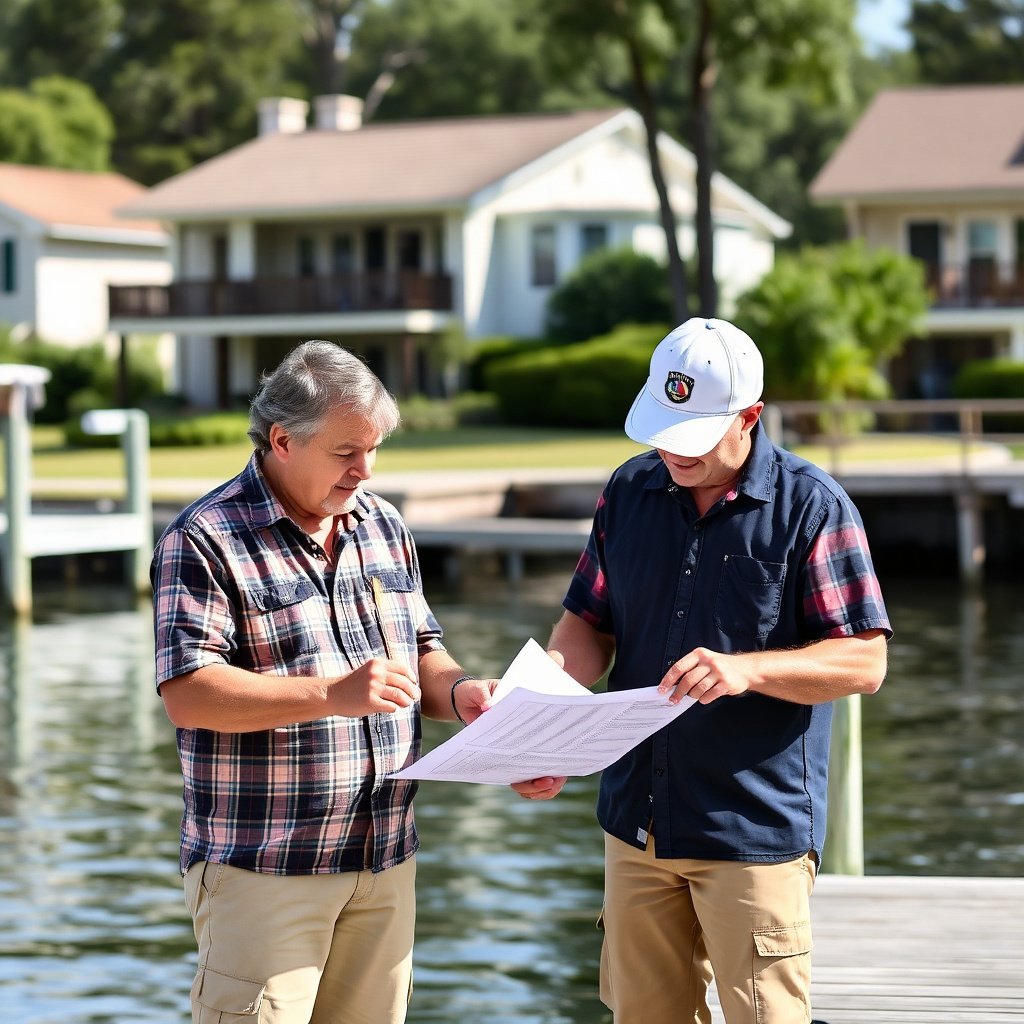
Before the inspection, collect key documents such as property disclosures related to flood history, shoreline permits, and previous inspection or repair reports. This information helps the inspector focus on known issues and regulatory compliance.
Having the latest survey or site plan on hand assists the inspector in verifying boundaries, easements, and any encroachments on waterfront access.
- Property disclosure statements regarding water damage or flooding
- Shoreline and dock permits
- Previous inspection reports
- Property surveys or site plans
Scheduling and Access Considerations
Coordinate inspection timing to include daylight hours for clear assessment of shoreline conditions and foundation details, often harder to evaluate at dawn or dusk. Ensure safe access to docks, boathouses, and remote shoreline points the inspector needs to examine.
Notify the inspector about special features like private wells, septic systems, or unique utilities to confirm they come prepared with appropriate tools.
- Choose inspection times with good lighting
- Arrange safe access to docks and shoreline
- Inform about on-site utilities and features
- Confirm inspection duration and scope
Key Areas Inspected in a Lake House Inspection

Structural Integrity and Water Damage
Water exposure can deteriorate foundations, walls, and roofing materials over time. Inspectors check for signs of rot, mold, warping, and foundation cracks that could compromise the building's stability.
Drainage systems and gutters are assessed for efficient water diversion away from the house to prevent flooding or moisture buildup.
- Foundation cracks and settlement
- Signs of water intrusion and mold
- Condition of exterior siding and roofing
- Drainage and gutter performance
For more on this, see our related guide: Is a Lake House a Second Home? Understanding the Classification and Implications.
Shoreline and Dock Condition
Inspecting the dock or pier includes checking structural soundness, wood rot, and connection stability to the shore. Shoreline erosion levels are observed since they can affect property safety and usability.
The condition of seawalls, bulkheads, or retaining walls is examined for cracks, leaning, or undermining caused by fluctuating water levels.
- Dock stability and wood integrity
- Erosion or sediment displacement
- Seawall cracks and alignment
- Compliance with local shoreline regulations
Understanding the Environmental and Regulatory Factors
Flood Zones and Water Level Risks
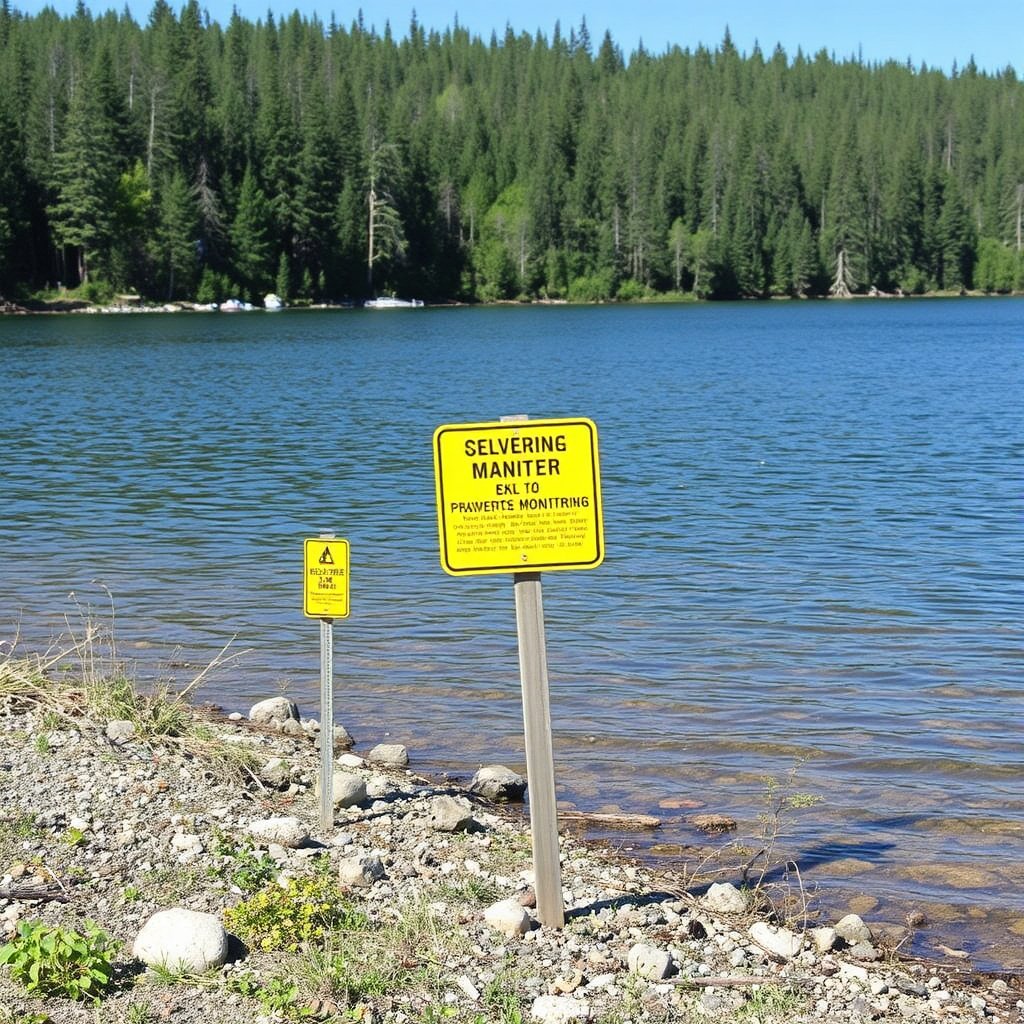
The inspector will identify the property's flood zone designation and review any history of flooding events. Seasonal water level changes and potential for future floods can affect insurance costs and property safety.
Understanding these environmental risks helps buyers prepare for protective measures like elevation, floodproofing, or insurance.
- Flood zone maps and insurance implications
- Historical flood and water level data
- Seasonal water fluctuation impacts
- Flood mitigation suggestions
Local Regulations for Waterfront Properties
Properties along lakes often have zoning laws, building restrictions, and environmental rules protecting shoreline vegetation and habitats. Inspectors verify compliance with these local ordinances to avoid future legal issues.
Permits for docks, seawalls, or vegetation removal should be current, with the property owner aware of any required renewal processes.
- Zoning restrictions and allowed uses
- Permits for structures and vegetation work
- Environmental protection statutes
- Renewal and compliance schedules
Interpreting the Lake House Inspection Report

Prioritizing Repair and Maintenance Recommendations
The inspection report categorizes issues by severity and urgency. Understanding which problems require immediate attention versus long-term monitoring helps in budgeting and negotiating the purchase.
Commonly, foundation or structural repairs and dock safety concerns top the priority list for lake houses.
- Immediate safety hazards
- Major structural repairs
- Routine maintenance tasks
- Potential future concerns
For more on this, see our related guide: How to Buy a Lake House Out of State: A Complete Buyer’s Guide.
Using the Report in Your Purchase Decision
Review inspection findings with your real estate agent and inspector to clarify technical details. You might request repairs before purchase or negotiate price adjustments based on needed work.
Sometimes the report signals a deal-breaker if expensive or unsafe conditions prevail, while other times it informs a feasible maintenance plan.
- Discuss findings with professionals
- Negotiate repair work or price
- Assess long-term investment impact
- Decide to proceed or withdraw
Additional Services for Thorough Waterfront Evaluation

Water Quality and Septic System Testing
Testing lake water quality for contaminants and testing septic systems for proper operation are critical additional inspections. These factors directly affect health, water usability, and environmental compliance.
Buyers should request these tests when not included in the general inspection to have a complete picture of waterfront health.
- Bacteria and pollutant analysis
- Septic tank volume and leakage checks
- Compliance with state health codes
- Recommendations on system upgrades
For more detailed background, you can explore the general topic of waterfront properties on Wikipedia. lake house inspections on Wikipedia.
Erosion Control and Soil Stability Assessments
Experts may evaluate soil composition and erosion control measures to determine whether existing protections are effective or need improvement. Unstable soil can threaten docks and house foundations.
These assessments advise on landscaping or engineering solutions to preserve waterfront property value.
- Soil type and drainage evaluation
- Effectiveness of erosion barriers
- Risk of landslides or shoreline retreat
- Recommendations for stabilization
Lake House Inspection Types Comparison
Here’s an overview comparing key types of lake house inspection services tailored to different buyer needs.
| Inspection Type | Focus Areas | Typical Cost Range | Ideal For |
|---|---|---|---|
| Basic Structural Inspection | Foundation, roofing, drainage | $300 – $500 | Buyers on budget or quick checks |
| Comprehensive Waterfront Inspection | Structure, shoreline, docks, flood risk | $600 – $900 | Full evaluation for new lake house buyers |
| Environmental & Water Quality Testing | Water contaminants, septic systems | $200 – $400 | Health-conscious or environmental focus |
| Erosion and Soil Stability Assessment | Shoreline erosion, soil composition | $400 – $700 | Properties with known erosion or land concerns |
Frequently Asked Questions
How long does a lake house inspection usually take?
A typical lake house inspection takes between 3 to 5 hours, depending on the property's size, features, and complexity of waterfront elements such as docks and shoreline.
Can a general home inspector check a lake house adequately?
A general home inspector might miss waterfront-specific issues like shoreline erosion or dock integrity, so it’s best to hire someone with lake property experience.
Should I be present during the lake house inspection?
Being present allows you to ask questions in real time and see issues firsthand, which is highly recommended for lake house buyers.
Does a lake house inspection cover water quality testing?
Water quality testing is usually an additional service, so you should request it separately if concerned about water safety.
How can I protect my lake house from flooding?
Proper grading, installing barriers like seawalls, and maintaining drainage systems can reduce flood impact; an inspector can advise on these during evaluation.
Key Takeaways
- Hire inspectors with waterfront property experience for accurate assessments.
- Inspect key areas including shoreline, dock, foundation, and drainage.
- Review environmental risks and local regulations affecting lake houses.
- Use inspection reports to prioritize repairs and negotiate purchase terms.
Conclusion
Deciding to purchase a lake house involves added layers of complexity compared to standard homes, making the lake house inspection a critical step to prevent costly surprises later. By seeking qualified inspectors who specialize in waterfront properties and preparing the right documents, buyers put themselves in a strong position to fully understand the property’s condition. Evaluating structural integrity alongside lake-related factors such as shoreline stability, flood risk, and environmental compliance ensures your investment aligns with your needs and safety standards.
Different types of lake house inspections—from basic structural checks to comprehensive waterfront evaluations and environmental testing—serve varying buyer priorities. For example, first-time lake house buyers should opt for comprehensive inspections that include dock and erosion assessments, while those particularly concerned about health should include water quality testing. Understanding these options can help you tailor the inspection process to your intended use, budget, and property location.
After receiving the inspection report, carefully weigh the recommendations and use them to inform negotiations or repair planning. If serious hazards or regulatory issues arise, consulting with professionals and possibly reconsidering the purchase is prudent. For buyers ready to move forward, scheduling additional tests like soil erosion analysis can further safeguard your enjoyment and value in owning a lake house. Taking informed steps now makes the dream of waterfront living more secure and gratifying.