How Much Does It Cost to Build a Lake House? A Detailed Cost Breakdown
The cost to build a lake house typically ranges from $150 to $400 per square foot depending on location, materials, and design complexity, with total expenses often falling between $300,000 and $1 million for average-sized homes. This figure includes foundation, framing, interior finishes, and basic lakeside features.
Building a lake house involves unique expenses that differ from standard homes, such as waterfront permits, dock installations, and specialized foundation work to prevent erosion. Understanding these elements helps buyers budget realistically and avoid unexpected surprises during construction.
This article covers major factors influencing the cost to build a lake house, including land selection, construction materials, labor, permits, and additional amenities like docks or boat slips. It also provides category comparisons, common FAQs, and tips to help plan your lakeside dream home within budget.
Land and Location Costs for Building a Lake House
Choosing the Right Lakefront Property
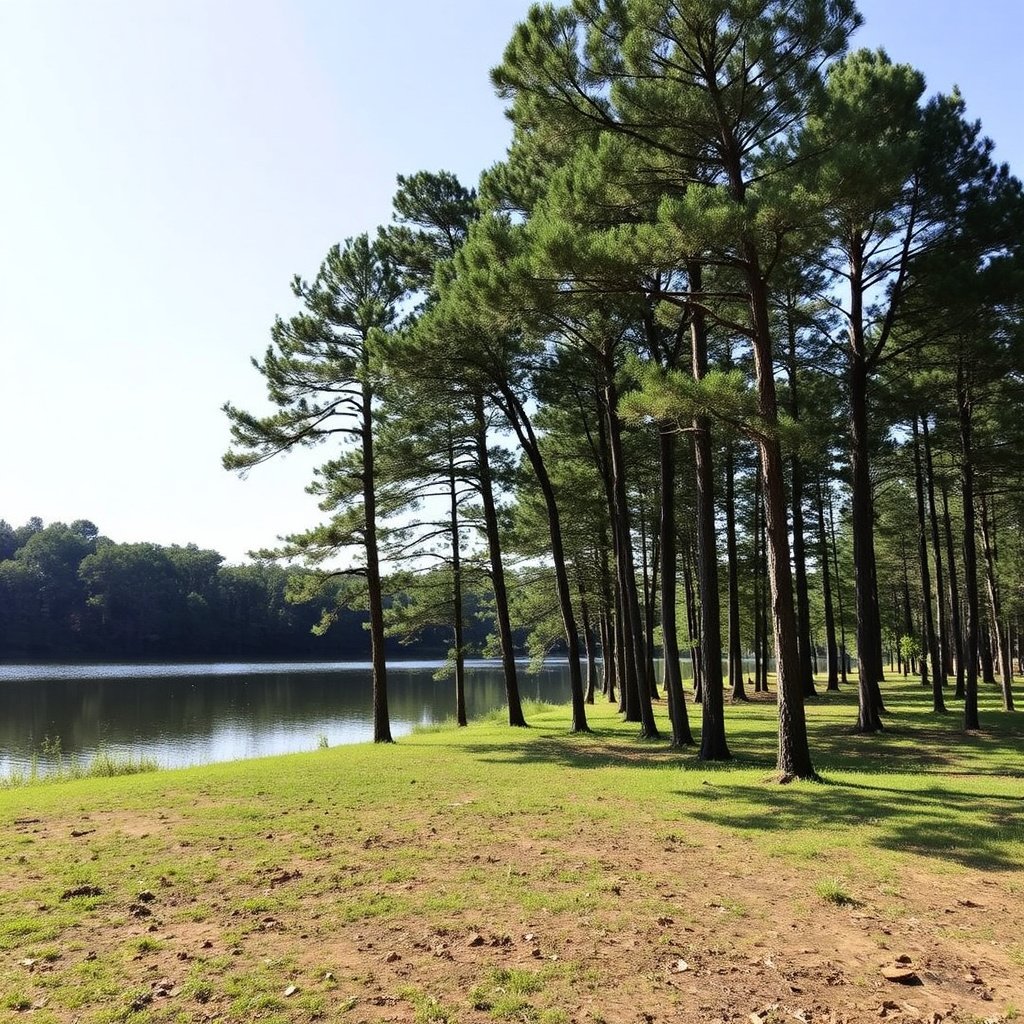
The price of land is often the largest initial expense when planning a lake house. Properties directly on the water typically command higher prices, influenced by lake size, accessibility, and regional demand. Remote or less popular locations may offer more affordable options but could lack infrastructure.
When selecting a site, consider factors like zoning regulations, flood risks, and proximity to utilities. Lakeside land often requires environmental assessments to comply with local conservation laws, adding to upfront costs but protecting the property's usability.
- Waterfront vs. nearby lake access cost differences
- Impact of lake popularity on land value
- Importance of soil tests and land surveys
Permits, Environmental Regulations, and Fees
Building a lake house usually involves specialized permits such as shoreline development allowances, septic system approvals, and erosion control plans. These permits vary widely depending on state and local laws and can add several thousand dollars to your budget.
Environmental regulations may require setbacks from the water, restrictions on tree removal, and limits on impervious surfaces, all of which can affect design choices and construction costs.
- Shoreline protection permits
- Septic system inspection and approval
- Environmental impact fees
Construction Expenses for a Lake House
Foundation and Structural Considerations
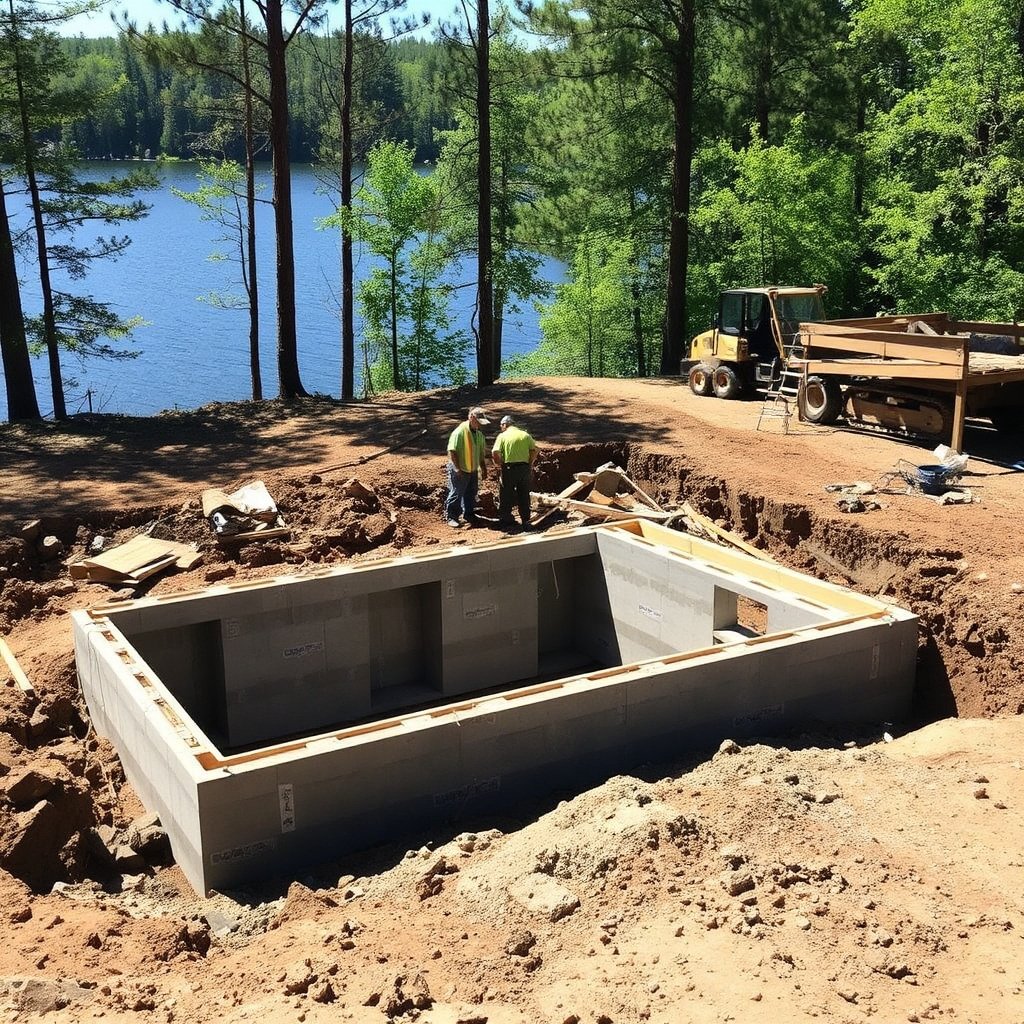
Lake houses commonly require foundations designed to withstand soil movement and flood potential. Options include pier foundations, helical piles, or reinforced slabs, each differing in cost and complexity. Proper drainage and erosion control add to foundational costs but improve long-term durability.
Waterproofing and moisture-resistant materials are critical for the crawlspace or basement to protect against water intrusion, especially in flood-prone zones. These technical details can increase initial construction expenses but save future repair costs.
- Pier foundation: elevated and flood-resistant
- Helical piles: stable for soft soil
- Waterproofing techniques
For more on this, see our related guide: Is a Lake House a Second Home? Understanding the Classification and Implications.
Interior Finishes and Amenities Specific to Lake Houses
Many lake houses feature large windows, decks, and porches to maximize water views, which affects both design and costs. Materials like treated wood, composite decking, and weather-resistant siding are popular but add to expenditures compared to standard homes.
Custom interior finishes — such as stone fireplaces, open-concept layouts, and boat storage areas — can increase building costs but improve the home's comfort and resale value. Planning for energy-efficient heating and cooling also plays a significant role in ongoing costs.
- Impact of large windows and outdoor spaces
- Durability of exterior materials near water
- Energy-efficient appliances and systems
Lake House Utilities and Infrastructure Costs

Septic Systems and Water Supply
In many lake areas, municipal sewer connections are unavailable, requiring septic systems that must meet environmental standards to avoid polluting the lake. Installation costs vary with soil conditions and system size, often ranging between $10,000 and $40,000.
Water supply may come from wells or local water sources. Drilling a well or integrating a water filtration system adds to infrastructure costs, which should be factored into the overall budget to maintain reliable water access.
- Septic system permits and inspections
- Well drilling and water purification needs
- Potential for increased insurance costs
Electrical and Internet Connectivity Challenges
Some lakefront properties are in rural or undeveloped zones where electrical grid access requires long-distance wiring installation or upgrades, which can be costly. Backup generators are also common for power resiliency.
High-speed internet options could be limited near lakes, requiring satellite or cellular solutions. Adding smart home technology tailored for remote areas may slightly increase initial setup costs but improves connectivity and security.
- Costs for electrical grid extension
- Backup power solutions for outages
- Internet options in remote lake areas
Outdoor Features and Lake Access Expenses

Building Docks, Boat Slips, and Shoreline Improvements
Adding a dock or boat slip involves design and permit expenses but greatly enhances lake access and enjoyment. Construction costs range widely based on materials, size, and local codes, generally between $5,000 and $30,000.
Shoreline stabilization using riprap, retaining walls, or native plantings helps prevent erosion and complies with environmental rules. These improvements require both materials and labor investment but protect property value.
- Dock permit requirements
- Materials: wood vs. composite vs. floating docks
- Shoreline stabilization techniques
For more on this, see our related guide: How to Buy a Lake House Out of State: A Complete Buyer’s Guide.
Landscaping and Outdoor Living Spaces
Lake house landscaping often emphasizes natural beauty and erosion control, incorporating native plants and minimal lawn areas. Outdoor features like fire pits, patios, and screened porches add lifestyle value but come with extra costs.
Careful grading to manage water runoff is essential for preserving the lakeside environment. These site developments complement the main build and contribute to the overall feel and functionality of the lake house.
- Native plant landscaping benefits
- Outdoor patios, decks, and fire pits
- Grading and drainage planning
Cost-Saving Strategies in Lake House Construction

Design Simplicity and Modular Options
Choosing a simpler, compact floor plan helps reduce foundation and framing costs. Prefabricated or modular lake homes can lower labor expenses and shorten construction timelines but may offer fewer customization options.
Using standard dimensions and avoiding complex rooflines or custom trims minimizes material waste and contractor charges, allowing budget allocation toward essential lakeside features.
- Advantages of modular construction
- Simplified roof and floor plans
- Balancing customization and cost
For additional background on lake house features and history, you can visit the detailed Wikipedia entry on lake houses. Lake house construction insights on Wikipedia.
Material Choices to Reduce Expenses
Opting for durable yet budget-friendly exterior materials like fiber cement siding rather than high-end wood or stone can lower upfront costs while still providing a quality finish suitable for lakeside climates.
Reusing reclaimed materials or selecting off-the-shelf fixtures and fittings also contributes towards cost containment without severely compromising aesthetic appeal.
- Fiber cement vs. cedar siding
- Reclaimed timber usage
- Affordable standard interior fixtures
Comparing Lake House Construction Cost Categories
This table highlights typical costs associated with various components of building a lake house, helping you identify where your budget might be allocated.
| Category | Low-End Cost | Mid-Range Cost | High-End Cost |
|---|---|---|---|
| Land Purchase | $50,000 | $150,000 | $500,000+ |
| Foundation and Structure | $20,000 | $60,000 | $150,000 |
| Permits and Fees | $2,000 | $8,000 | $20,000 |
| Interior Finishes | $40,000 | $100,000 | $250,000 |
| Dock and Shoreline Features | $5,000 | $15,000 | $40,000 |
| Utilities and Infrastructure | $10,000 | $30,000 | $70,000 |
Frequently Asked Questions
What is the average cost per square foot to build a lake house?
On average, constructing a lake house costs between $150 and $400 per square foot, influenced by location, materials, and special features tailored for waterfront living.
Are there special permits required for building on a lakefront?
Yes, lakefront properties often require additional permits like shoreline development and environmental impact approvals to protect the natural ecosystem and comply with local rules.
How much does building a dock typically cost?
Dock building costs vary widely but usually range from $5,000 to $30,000 depending on size, design, and materials used, with permitting fees also factored in.
Can I save money by using modular construction for a lake house?
Modular construction can reduce labor costs and construction time, offering savings especially for simpler designs. However, it may limit customization options based on factory capabilities.
What are common hidden expenses when building a lake house?
Hidden costs include environmental site assessments, shore stabilization, septic systems, utility extensions, and specialized insurance premiums, all of which should be anticipated for accurate budgeting.
Key Takeaways
- Lake house construction costs range widely, with major factors including land, foundation, and permits.
- Specialized foundations and water-resistant materials add to expenses but increase durability.
- Adding docks and shoreline improvements enhances value but requires permits and investment.
- Simplifying design and choosing cost-effective materials helps control the lake house construction cost.
Conclusion
Figuring out how much it costs to build a lake house involves analyzing many diverse and location-specific factors. The first step is setting a reasonable budget aligned with your preferred site and design complexity. The interplay of land costs, construction methods tailored for waterfront challenges, and legal requirements all shape the final expense. Understanding each cost component helps make informed decisions and reduces surprises throughout the project.
For those seeking affordability, prioritizing modest-sized, simple designs with durable yet economical materials like fiber cement siding limits costs without sacrificing lakeside aesthetics. Mid-range budgets usually accommodate custom layouts, quality finishes, and docks to fully enjoy lake living. High-end projects integrate advanced environmental protections, luxury amenities, and expansive outdoor spaces. Choosing among these depends on personal lifestyle priorities and financial flexibility.
If you are ready to begin, researching local land prices and having a professional evaluate site conditions should be next. Consulting with builders experienced in lake house construction will provide more exact quotes reflecting your vision. Planning permits and infrastructure early allows for risk mitigation. By balancing the cost to build a lake house with your desired features, you can create a rewarding retreat tailored to your lakeside lifestyle.




One Comment