How to Find Lakefront Property: A Practical Guide for Buyers
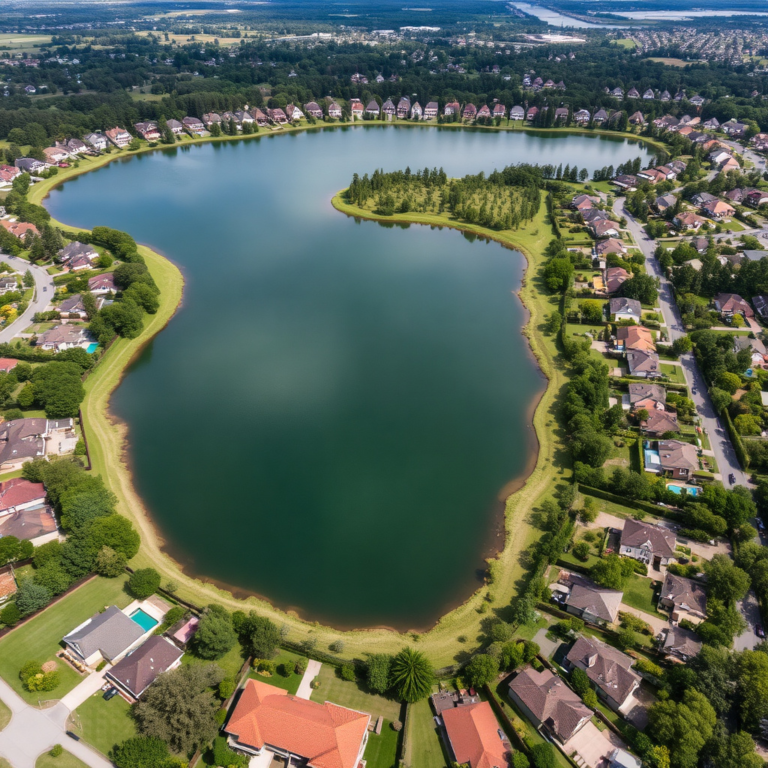
Finding lakefront property starts with pinpointing the location that fits your lifestyle, budget, and intended use. Begin by narrowing your search to specific lakes or regions you prefer, then work with local real estate agents who specialize in waterfront properties or use specialized online platforms to identify listings. Understanding zoning laws and shoreline restrictions early in the search helps avoid surprises later.
Lakefront properties offer unique benefits such as scenic views, recreational opportunities, and potential investment value, which makes them highly sought after. However, they also come with considerations like maintenance, insurance costs, and environmental regulations. Knowing these factors is essential before committing to a purchase.
This article covers how to identify ideal lakefront locations, evaluate legal and environmental aspects, understand pricing differences compared to other properties, and use effective search strategies. Tips for working with agents and financing options specific to lakefront homes will also be discussed.
Choosing the Right Location for Lakefront Property

Factors to Consider When Selecting a Lake
Not all lakes offer the same experience or value for lakefront property buyers. Consider the lake's size, water quality, accessibility, and recreational activities offered. Larger lakes might support boating and fishing, while smaller lakes may be quieter and better for swimming.
Research the community amenities, nearby schools, healthcare, and infrastructure. Seasonal population changes and local tourism can affect your enjoyment and property maintenance.
- Water quality and clarity
- Available water sports and activities
- Proximity to urban centers
- Community and local services
Popular Lakefront Markets and Their Features
Certain regions are renowned for lakefront properties, such as the Great Lakes area, the Finger Lakes in New York, or the lake districts in the Pacific Northwest. Each offers different price ranges and property types from rustic cabins to luxury homes.
Market trends in these regions fluctuate based on season and economic factors. Understanding these can help you time your purchase better and find the best deals.
Legal and Environmental Considerations for Lakefront Property

Understanding Shoreline and Zoning Regulations
Each lakefront property is subject to local zoning laws and shoreline regulations designed to protect the ecosystem and maintain community standards. These can limit building size, dock placement, and usage.
Before buying, verify with local planning departments about setbacks, allowed structures, and any conservation easements that might affect your property rights.
- Zoning restrictions on construction
- Shoreline setback rules
- Environmental protection ordinances
For more on this, see our related guide: How to Sell a Lake House: A Practical Guide for Waterfront Property Owners.
Environmental Risks and Maintenance Challenges
Lakefront properties face risks such as flooding, erosion, and water pollution. Owners must be prepared for possible higher maintenance due to weather exposure and natural wear.
Check floodplain maps, inquire about insurance requirements, and plan for ongoing property upkeep to preserve value and safety.
- Flood risk assessment
- Regular shoreline stabilization
- Waterfront property insurance
Evaluating the Market and Pricing of Lakefront Property
Factors Influencing Lakefront Property Prices
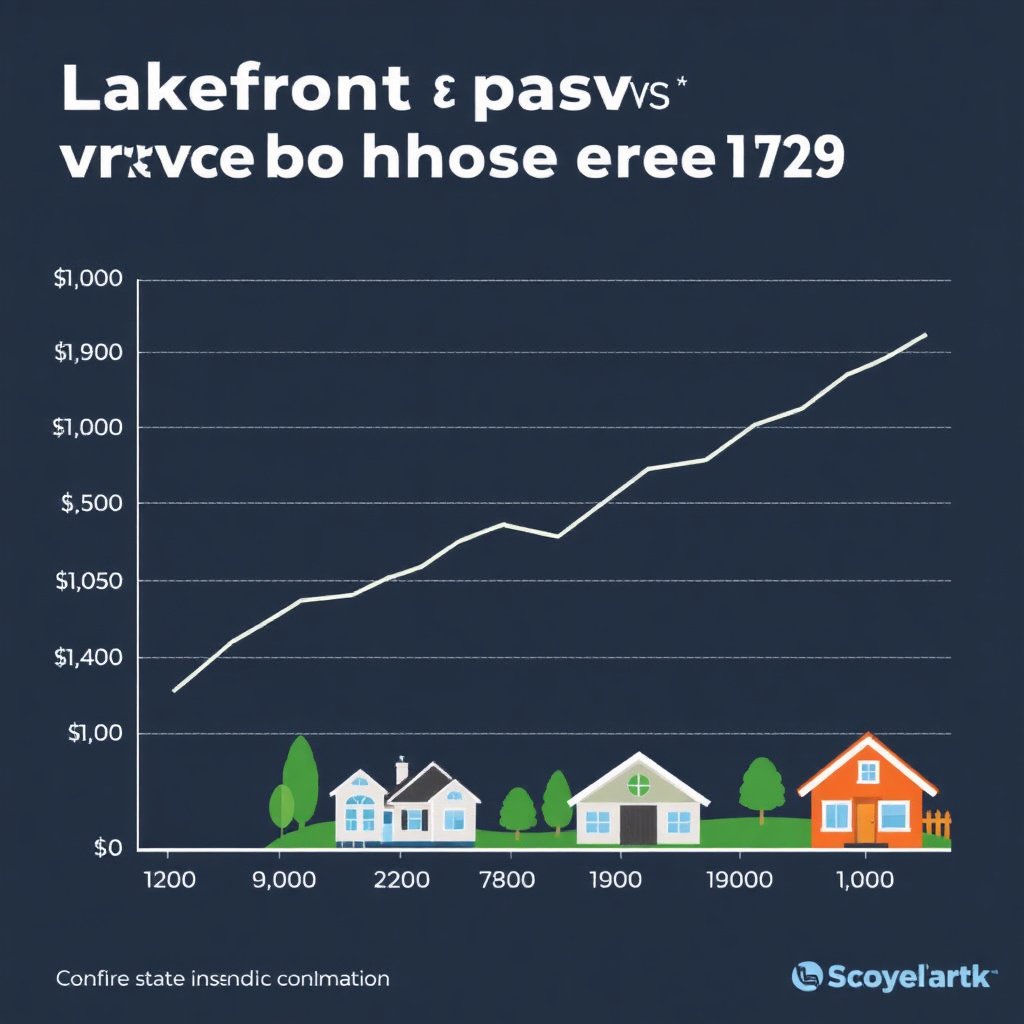
Prices for lakefront property vary widely depending on location, access, size, and amenities. Properties with private docks or direct water access command higher prices than those with limited frontage.
Seasonality and demand also greatly impact pricing. Waterfront properties tend to appreciate steadily but can be susceptible to economic shifts.
- Waterfront accessibility and frontage length
- Additional amenities like docks and boathouses
- Local market demand cycles
Comparing Lakefront Homes to Other Waterfront Options
Not all waterfront properties are lakefront; riverfront and oceanfront homes offer different characteristics and pricing. Lakefront homes often provide calmer water and more privacy, but may have more restrictions.
Understanding these differences helps align your budget and lifestyle expectations with the right type of waterfront.
- Calmness and size of water body
- Potential for flooding or erosion
- Privacy and noise levels
Effective Searching and Working With Agents

Using Online Platforms and Tools for Lakefront Property Searches
Specialized websites offer filters for lakefront homes, including details like water frontage, dock availability, and lake activities. Using these tools can save time and help compare properties efficiently.
Virtual tours and drone footage are increasingly common for lakefront listings, providing a better sense of location and views without in-person visits.
- Keyword filters for lakefront and waterfront
- Map-based search tools
- Virtual walkthroughs and video tours
For more on this, see our related guide: How to Find a Lake House for Sale: A Practical Guide for Buyers.
Choosing a Real Estate Agent Experienced in Lakefront Properties
Agents familiar with lakefront markets understand local nuances from regulations to seasonal patterns. They can provide valuable insights and negotiate better deals.
Request references and verify their track record with waterfront properties to find an agent aligned with your needs.
- Agent specialization in waterfront real estate
- Client testimonials and references
- Knowledge of local zoning and environmental rules
Financing and Investment Considerations for Lakefront Property

Mortgage Options for Lakefront Property Buyers
Financing lakefront homes can involve different underwriting standards due to property appraisals and insurance costs. Some lenders require higher down payments or specific insurance policies.
Exploring specialized mortgage products for vacation homes or investment properties can provide more favorable terms.
- Vacation home loans
- Higher appraisal scrutiny
- Flood insurance requirements
For additional information on lakefront property attributes and legal considerations, the Wikipedia page on Lakefront property offers comprehensive insights. Lakefront property details and regulations.
Assessing Lakefront Properties as Investment Assets
Lakefront properties often hold their value well and can generate rental income through vacation leasing. However, market fluctuations and maintenance expenses require careful financial planning.
Consult with property managers and real estate investment professionals to evaluate returns and risks.
- Rental income potential
- Long-term appreciation trends
- Management and maintenance costs
Lakefront Property vs. Other Waterfront Property Types Comparison
This table compares lakefront properties to riverfront and oceanfront options to help you understand differences in pricing, accessibility, and lifestyle.
| Property Type | Price Range | Water Type | Typical Activities | Maintenance Challenges |
|---|---|---|---|---|
| Lakefront | $300K – $2M+ | Freshwater | Boating, fishing, swimming | Flood risk, shoreline erosion |
| Riverfront | $200K – $1.5M+ | Freshwater (flowing) | Fishing, kayaking, canoeing | Flooding, current erosion |
| Oceanfront | $500K – $5M+ | Saltwater | Surfing, boating, swimming | Storm damage, salt corrosion |
Frequently Asked Questions
How do I verify if a lakefront property has private water access?
Review the property deed and survey documents to confirm water frontage. Your real estate agent or title company can help verify if the access is exclusive or shared.
Are there extra costs associated with owning lakefront property?
Yes. Lakefront properties may require higher insurance premiums, regular shoreline maintenance, and sometimes special permits, which can increase annual expenses.
Can I build a dock or boathouse on lakefront land?
Local zoning and environmental regulations typically govern docks and boathouses. It’s essential to check with local authorities before construction to meet legal requirements.
Is lakefront property a good investment?
Lakefront properties often retain value and can provide rental income, but factors like location, upkeep, and market trends should be carefully evaluated for long-term return.
What should I look for in a lakefront property’s shoreline?
Evaluate shoreline stability, slope, vegetation, and exposure to erosion. A healthy, stable shoreline reduces maintenance and improves waterfront usability.
Key Takeaways
- Focus on the lake’s characteristics and local community when choosing a location.
- Understand zoning, shoreline regulations, and environmental risks to avoid surprises.
- Lakefront property prices reflect access, amenities, and market demand.
- Work with specialized agents and use targeted search tools for the best results.
Conclusion
Finding the right lakefront property involves balancing lifestyle desires, financial capacity, and regulatory knowledge. By focusing on specific lakes that suit your recreational and community needs, and thoroughly researching legal and environmental factors, you improve the odds of a satisfying and secure purchase. Understanding the nuances of this niche market is key to making a confident decision without overlooking important details.
For buyers seeking a peaceful retreat with recreational opportunities, smaller lakes with strong local communities may be ideal. Conversely, those wanting investment potential and luxury often focus on larger, well-known markets. Familiarizing yourself with pricing trends, financing intricacies, and maintenance commitments for lakefront homes will ensure you select a property that matches your goals, whether it’s a year-round residence, seasonal home, or rental asset.
Start your search by selecting a few target lakes and connecting with real estate agents who specialize in waterfront properties. Use online platforms focusing on the best lakefront homes for sale to narrow options efficiently. After shortlisting properties, verify zoning, shoreline rules, and insurance considerations before making offers. This practical approach guides you toward owning lakefront property that you’ll enjoy for years.