What Is a Shoreline? Understanding Coastal Boundaries and Their Importance
A shoreline is the line where land meets a body of water, such as an ocean, sea, lake, or river. It represents the boundary separating terrestrial and aquatic environments and can change due to tides, erosion, or sediment deposition.
Understanding shorelines matters because these dynamic zones influence ecosystems, human settlements, and weather patterns. Shorelines are vital habitats for many species and act as natural barriers against storms and flooding.
This article explores the physical characteristics of shorelines, the factors that shape them, the different types found worldwide, their ecological significance, and their role in human activities including coastal management.
Physical Characteristics of Shorelines

Defining the Shoreline
The shoreline is a fluctuating boundary that appears where the water surface contacts the land. It is not fixed since it changes with tides, weather, and seasonal shifts. The exact position of the shoreline at any moment depends on these natural variations.
Practically, shorelines can be marked by high tide lines, low tide lines, or mean water levels depending on the context. Surveyors and geographers often use specific tidal benchmarks to define and measure shorelines.
Shoreline Dynamics and Movement
Shorelines continuously evolve due to the forces of waves, currents, and sediment transport. Erosion can wear away land while sediment deposition can expand shore areas, causing a gradual shift over time.
Human activities such as construction, dredging, and sea walls disrupt natural shoreline movements, impacting coastal stability and habitats.
- Wave action impacting erosion
- Sediment deposition expanding shorelines
- Human interference effects
Types of Shorelines and Their Features
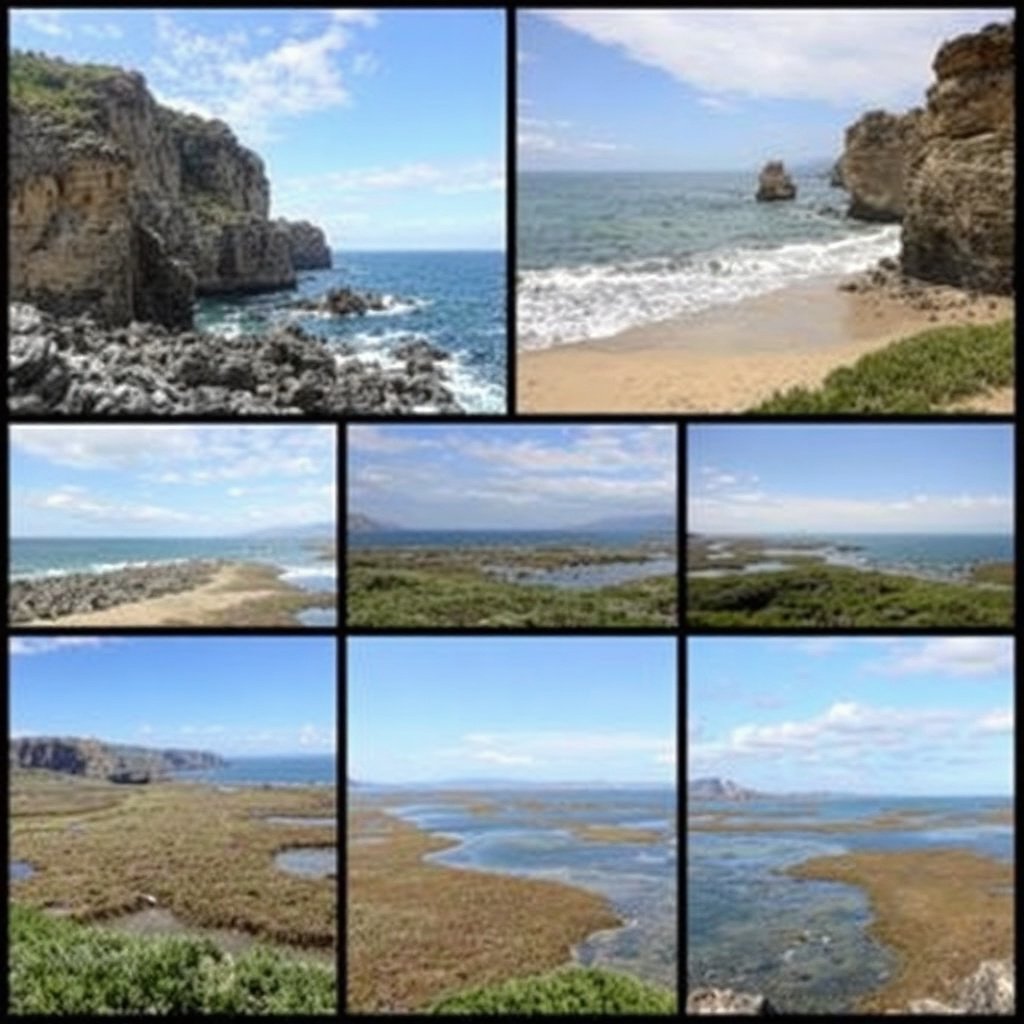
Rocky vs. Sandy Shorelines
Rocky shorelines are characterized by exposed rock formations, cliffs, and minimal sediment. They usually have steep profiles and support specific ecosystems like tide pools with marine life.
Sandy shorelines feature loose sand sediments and more gentle slopes. These beaches offer habitats for various coastal species and are often popular recreational spots.
- Rocky: stable but harsh environment
- Sandy: dynamic and shifting landscapes
Other Shoreline Types: Marshes and Estuaries
Marshy shorelines are wetland areas where fresh or saltwater mixes, creating rich ecosystems with abundant plant and animal life. They act as natural filters and buffers for coastal waters.
Estuaries occur where rivers meet the sea, mixing fresh and saltwater. They provide critical breeding grounds for fish and birds and are highly productive ecological zones.
- Marshes: wetland environments
- Estuaries: brackish water mixing zones
Shoreline and Coastal Geography

The Role of Shorelines in Coastal Geography
In coastal geography, the shoreline marks the boundary used to define land use zones, marine boundaries, and ecological divisions. It helps map coastal features and track changes due to natural processes.
Shorelines influence coastal weather patterns, sediment flow, and habitat distributions, making them key elements in geographical studies.
For more on this, see our related guide: What Is a Shoreline Management Plan? A Detailed Guide.
Measurement and Mapping Techniques
Modern shoreline mapping uses GPS, satellite imagery, and aerial surveys to accurately chart coastline changes over time. These technologies help manage erosion, plan development, and conserve habitats.
Matrices such as shoreline change rates quantify how quickly or slowly shorelines shift, providing valuable data for coastal managers.
- GPS-based shoreline surveying
- Satellite and aerial imagery
- Shoreline change rate metrics
Ecological Importance of Shorelines

Habitats Supported by Shorelines
Shorelines provide diverse habitats including sandy beaches for turtles, rocky shores for barnacles, and marshes for migratory birds. These zones host species adapted to varying moisture and salinity.
Their role as ecological interfaces makes shorelines hotspots for biodiversity and vital for species lifecycle events like spawning and nesting.
Shorelines as Natural Buffers
Vegetated shorelines, such as those with mangroves or salt marshes, absorb wave impacts and reduce erosion. They also mitigate flooding during storms by slowing water flow inland.
Preserving natural shoreline vegetation is critical to maintaining these buffering services which protect human communities and ecosystems alike.
- Wave energy absorption
- Flood mitigation role
- Erosion control
Human Impacts on Shorelines
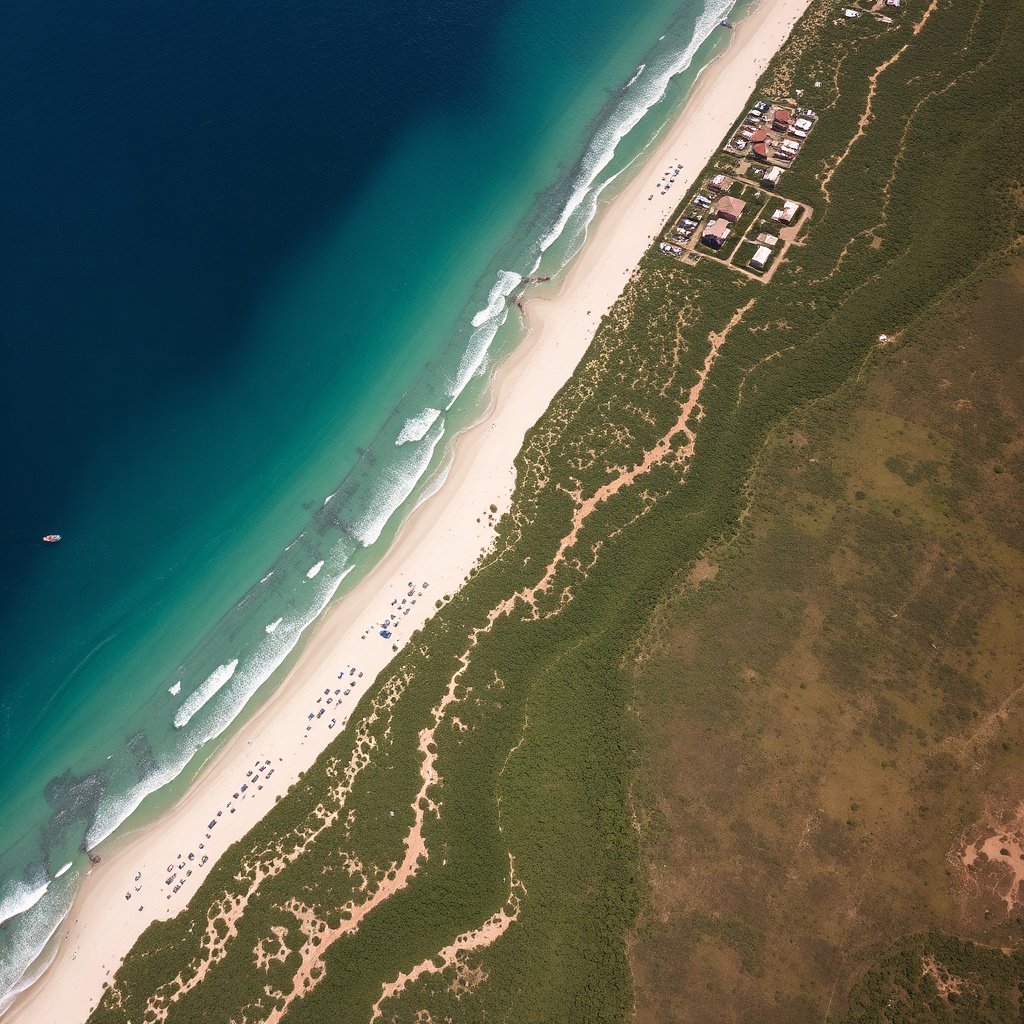
Development and Shoreline Alteration
Coastal construction like ports, seawalls, and resorts often involves reshaping shorelines. These changes can disrupt natural sediment movement and increase vulnerability to erosion.
Unregulated development degrades habitat quality and reduces the shoreline’s natural resilience to storms and rising sea levels.
For more on this, see our related guide: What Is a Shoreline Permit? Understanding Shoreline Management Regulations.
Pollution and Shoreline Health
Runoff carrying chemicals and plastics accumulates along shorelines, harming wildlife and contaminating water. Oil spills and sewage discharge also degrade shoreline ecosystems.
Effective pollution control and waste management near shorelines are essential to sustaining healthy coastal environments.
Managing Shorelines for Sustainability

Restoration Techniques for Shorelines
Restoring shorelines can involve replanting native vegetation, installing living shorelines using natural materials, and removing invasive species to stabilize sediments and improve habitat quality.
These eco-friendly methods aim to mimic natural processes, enhancing shoreline resilience without harming existing ecosystems.
- Native vegetation planting
- Living shoreline installation
- Invasive species removal
For further detailed information about shorelines, consult the comprehensive shoreline article on Wikipedia. shoreline article on Wikipedia.
Planning and Policy Approaches
Governments implement zoning laws, erosion control policies, and setback requirements to manage shoreline use responsibly. Public education campaigns also promote awareness of shoreline conservation.
Balancing human needs with ecological preservation is central to long-term shoreline management strategies.
Comparison of Shoreline Types and Their Characteristics
This table offers a side-by-side look at major shoreline categories, summarizing their physical characteristics, ecological roles, and human accessibility.
| Shoreline Type | Physical Features | Ecological Importance | Human Use |
|---|---|---|---|
| Rocky Shorelines | Steep cliffs, exposed rock | Supports tide pools and specialized species | Limited recreational use |
| Sandy Beaches | Loose sand, gentle slope | Nesting sites for turtles, diverse plants | High recreational and tourism value |
| Marshy Shorelines | Wetlands with dense vegetation | Filters pollutants, crucial bird habitat | Conservation and light recreation |
| Estuaries | Mix of fresh and saltwater | Nursery grounds for fish and birds | Fishing and ecological tourism |
Frequently Asked Questions
How does the shoreline change over time?
Shorelines shift gradually due to tides, waves, storms, erosion, and sediment deposition, making them dynamic natural features that can move noticeably over years or decades.
Why are shorelines important for wildlife?
They provide critical habitats such as nesting and feeding grounds for many species, supporting biodiversity in coastal ecosystems through unique environments like tide pools and marshes.
What human activities harm shorelines the most?
Construction, dredging, pollution from runoff, and removal of natural vegetation disrupt sediment flow and degrade shoreline ecosystems, leading to increased erosion and habitat loss.
Can shorelines be restored if damaged?
Yes, restoration methods like planting native vegetation and creating living shorelines help stabilize sediments, improve habitats, and regain natural buffer functions.
What is the difference between a shoreline and a coastline?
Shoreline specifically refers to the water-land boundary line, which can change daily, while coastline is the broader area of land along the ocean or sea, often defined more permanently.
Key Takeaways
- A shoreline is the shifting boundary where land meets water bodies like oceans or lakes.
- Shorelines vary widely, including rocky cliffs, sandy beaches, marshes, and estuaries.
- They serve vital ecological roles, providing habitats and buffering storm impacts.
- Human impacts can disrupt shorelines, but restoration and careful management can help protect them.
Conclusion
Understanding what a shoreline is and how it functions is fundamental for appreciating coastal environments. By recognizing that shorelines are dynamic zones influenced by natural forces and human activity alike, we can better respect their role in nature and planning.
Different shoreline types offer distinct benefits and challenges. Rocky shores provide stable habitats but limited access, while sandy beaches support tourism but are vulnerable to erosion. Marshy shorelines and estuaries serve as essential ecological buffers protecting biodiversity. Choosing appropriate human use depends on these natural characteristics.
For anyone interested in coastal preservation or development, the next step is to focus on sustainable shoreline management practices. Restoration efforts using native plantings and natural barriers, combined with informed policy, offer a path toward healthier shorelines that protect both people and ecosystems.