How to Run a Vacation Rental: Effective Strategies for Success
Running a vacation rental involves managing bookings, maintaining property upkeep, and delivering excellent guest experiences to attract repeat visitors and positive reviews. It requires efficient communication, setting competitive rates, and handling cleaning and maintenance promptly. These core actions help maximize occupancy and profitability.
The vacation rental market has grown significantly, making it an appealing income stream for property owners. However, standing out involves more than just listing your place online. Being proactive in marketing and guest relations directly influences how your property performs and how guests rate their stays.
This article outlines practical steps on how to run a vacation rental effectively. It covers property preparation, marketing tactics, guest communication, cleaning and maintenance schedules, legal considerations, pricing strategies, and tools that simplify management tasks.
Preparing Your Vacation Rental for Guests

Creating an Inviting Space
Start by making sure your property is clean, well-maintained, and thoughtfully decorated. Comfortable beds, fresh linens, and amenities like Wi-Fi and kitchen essentials increase guest satisfaction. Personal touches, such as local guides or welcome baskets, help distinguish your rental.
Safety features such as smoke detectors and secure locks are mandatory and increase guest confidence. Proper lighting inside and outside the property improves both ambience and safety.
Photographing Your Rental
High-quality photos are crucial for attracting bookings. Use natural light to capture each room from multiple angles. Highlight unique aspects like a scenic view, patio, or upgraded appliances. Clean and stage each area meticulously before the shoot.
Consider hiring a professional photographer if budget permits, as compelling images make your listing stand out and encourage more inquiries.
Managing Bookings and Guest Communication

Handling Reservations Efficiently
Use vacation rental management platforms to synchronize calendars and avoid double bookings. Respond quickly to inquiries to secure reservations. Confirm the details with guests before arrival to prevent confusion.
Clear policies on cancellations, check-in/out times, and house rules should be communicated upfront to set expectations and reduce potential disputes.
- Utilize automatic booking confirmations
- Implement a pre-arrival checklist for guests
Communicating to Enhance Guest Experience
Prompt and friendly communication before, during, and after the stay builds trust. Provide guests with clear instructions on accessing the property, troubleshooting common issues, and local recommendations.
Post-stay follow-ups encourage reviews and allow you to gather feedback that improves your vacation rental management over time.
Cleaning and Maintenance Practices
Establishing Reliable Cleaning Protocols
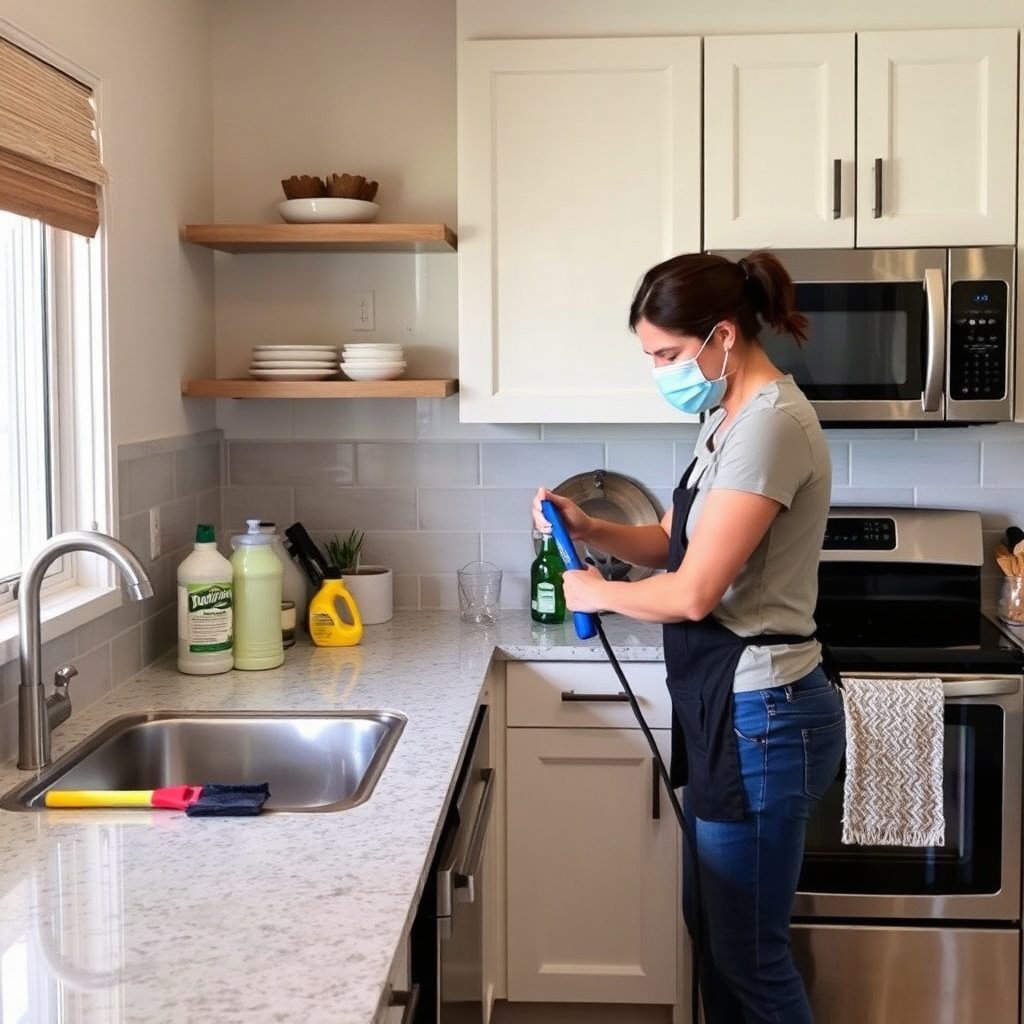
Cleanliness is essential for positive reviews and repeat bookings. Employ professional cleaners experienced with vacation rentals, and provide a detailed checklist covering all rooms and surfaces.
Between guest stays, focus on disinfecting high-touch areas, replenishing supplies, and ensuring everything is in working order.
- Use eco-friendly cleaning products when possible
- Schedule routine deep cleans
For more on this, see our related guide: Do Lake Houses Make Good Investments? Pros, Cons, and Key Insights.
Routine Maintenance and Repairs
Regular upkeep prevents small issues from becoming major problems. Inspect appliances, plumbing, HVAC systems, and structural elements periodically. Address repairs promptly to avoid guest dissatisfaction.
Keep a maintenance log and budget for unexpected fixes to maintain your property's standards consistently.
Legal Considerations and Regulations
Understanding Local Laws
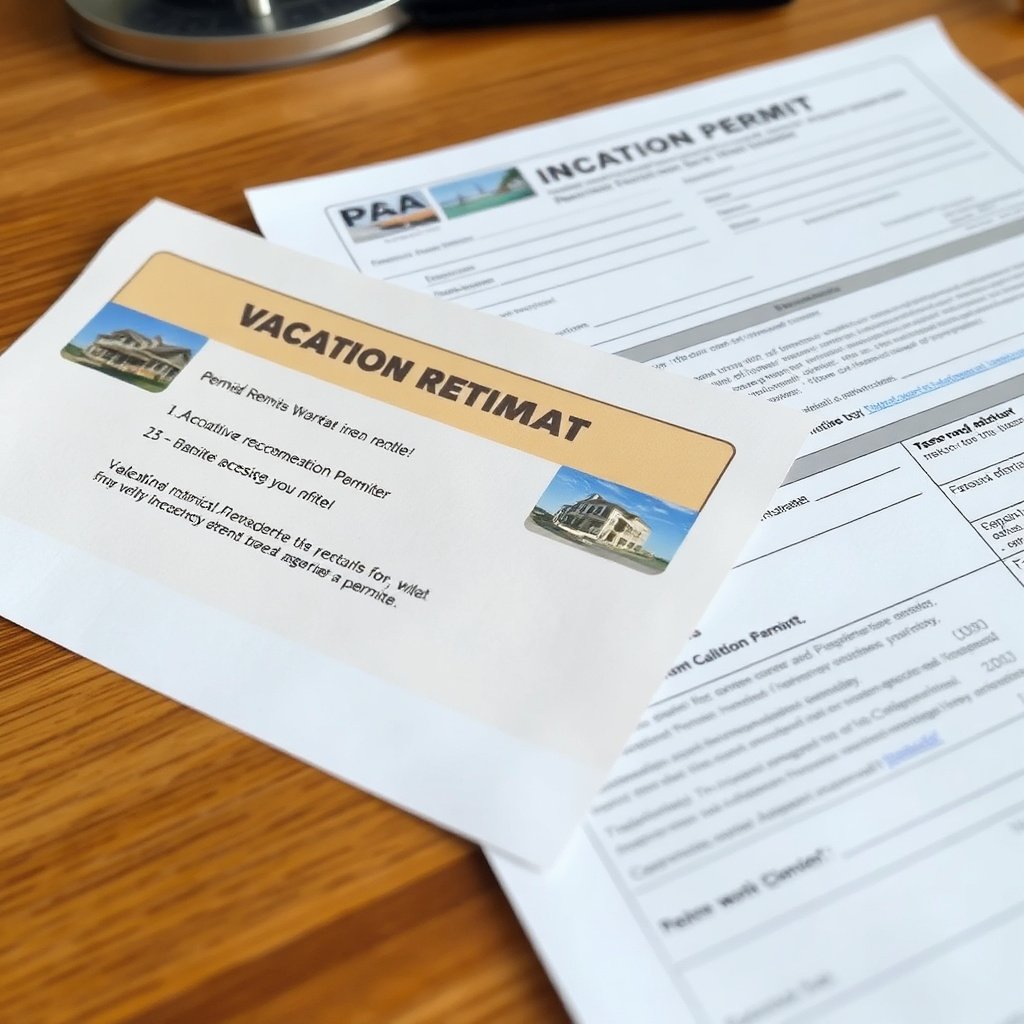
Research zoning rules, licensing requirements, and taxes applicable to vacation rentals in your area. Some regions require permits or registration, and failure to comply can lead to fines or forced closure.
Check homeowners association rules if your property is in a managed community, as restrictions often apply.
Insurance and Liability Protection
Standard homeowner’s insurance may not cover short-term rentals. Obtain specialized vacation rental insurance that covers property damage, liability claims, and loss of income.
Clearly outline guest responsibilities in your rental agreement to minimize risks and protect yourself legally.
Pricing Strategies and Marketing Your Rental

Setting Competitive Rates
Analyze local market rates and adjust your pricing according to seasonality, nearby events, and occupancy trends. Offering discounts for longer stays or last-minute bookings can boost revenue.
Use dynamic pricing tools that automatically update rates based on demand to maximize income.
- Factor in cleaning fees and service charges
- Consider minimum night requirements
Effective Marketing Channels
List your property on popular vacation rental platforms and maintain an engaging, updated profile. Leverage social media to showcase your rental’s unique features and local attractions.
Encourage satisfied guests to share reviews and refer friends, increasing your rental’s visibility organically.
Technology Tools to Simplify Management
Booking and Calendar Management Software
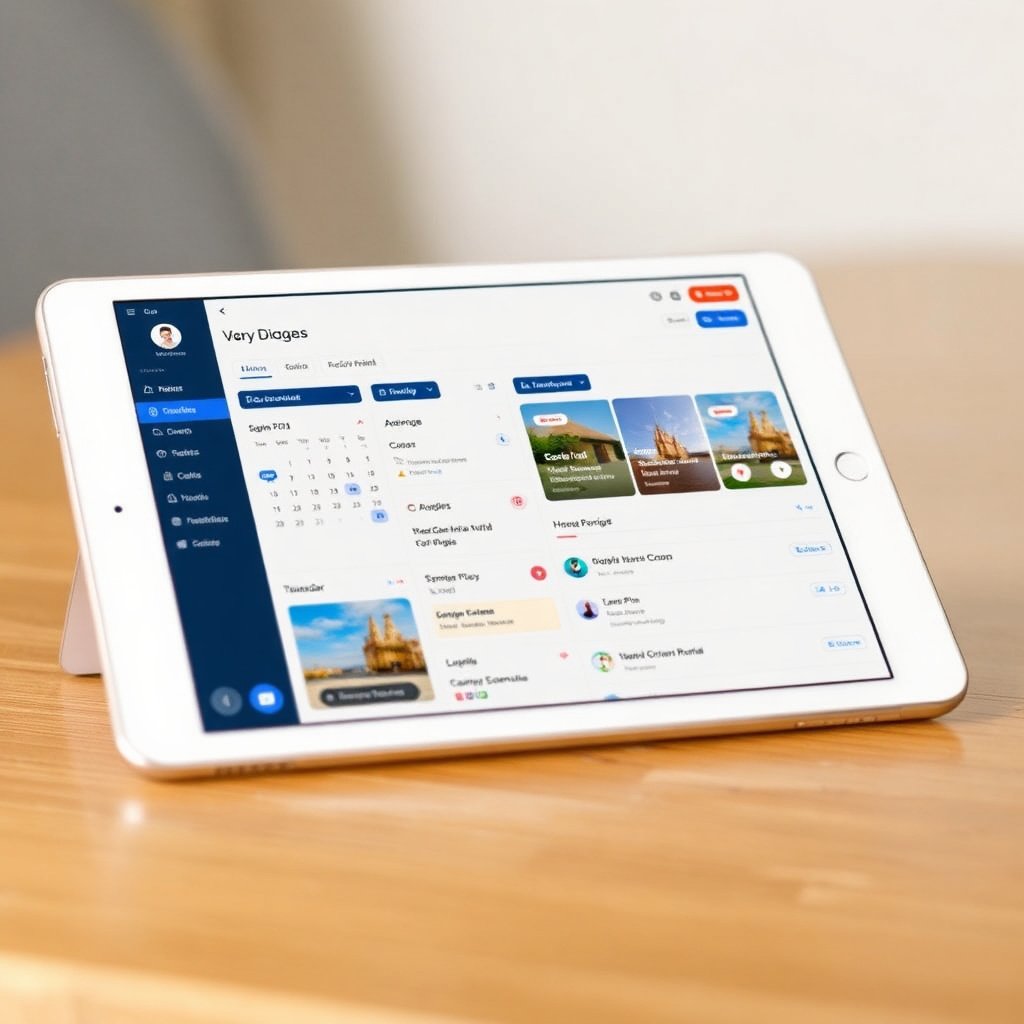
Tools like Airbnb, Vrbo, and dedicated property management software help you coordinate multiple bookings, track availability, and minimize scheduling conflicts.
Integrations with smart locks and automated messaging enhance efficiency and reduce manual workloads.
For an overview of vacation rental concepts and history, see the detailed Wikipedia article on vacation rental. Vacation rental.
Automation for Guest Communication
Automating messages for booking confirmations, check-in instructions, and thank-you notes improves guest experience and frees up your time.
Some platforms also offer chatbots or AI-powered assistants for immediate responses to common guest questions.
Vacation Rental Management Category Comparison
This table compares popular types of vacation rental properties based on management complexity, guest appeal, and maintenance needs.
| Category | Management Complexity | Guest Appeal | Maintenance Frequency | Typical Rental Income |
|---|---|---|---|---|
| Urban Apartment | Low | High | Moderate | $150-$250 per night |
| Beachfront Condo | Moderate | Very High | High | $250-$400 per night |
| Countryside Cabin | High | Moderate | Moderate | $100-$200 per night |
| Luxury Villa | Very High | Very High | Very High | $500-$1000 per night |
| Shared Room | Low | Low | Low | $50-$100 per night |
Frequently Asked Questions
How do I handle guest check-in and check-out smoothly?
Provide clear instructions via email or text before arrival, consider using keyless entry systems, and be available for any questions to ensure a seamless check-in and check-out process.
What are the most important amenities to offer?
Guests generally expect Wi-Fi, clean linens, toiletries, kitchen basics, and secure parking. Adding extras like coffee makers or local guides can enhance appeal.
How often should I deep clean my vacation rental?
A thorough deep clean should be done at least once a month or after multiple guest stays, ensuring carpets, upholstery, and hard-to-reach areas remain pristine.
Do I need a license to rent my property short-term?
Many municipalities require a vacation rental license or permit. Check your local regulations to comply and avoid fines.
What pricing strategy works best for new vacation rentals?
Start with competitive rates slightly lower than similar listings to attract your first guests and build reviews, then gradually adjust based on demand and occupancy.
Key Takeaways
- Keep your vacation rental clean, comfortable, and well-maintained for best guest reviews.
- Respond promptly and communicate clearly with guests from booking through check-out.
- Understand and comply with local laws and insurance requirements.
- Utilize pricing strategies and technology tools to maximize bookings and simplify management.
Conclusion
Successfully running a vacation rental requires balancing operational tasks, guest relations, and legal compliance. First and foremost, focus on creating a welcoming and well-equipped space supported by robust communication and regular upkeep. This combination builds guest satisfaction and encourages repeat visits, which are key to sustainable income.
Depending on your property type—whether it’s a downtown apartment, beachfront condo, or countryside cabin—the strategies will vary slightly. For example, urban apartments benefit from lower maintenance demands but may require competitive pricing, while luxury villas need high maintenance but can command premium rates. Employing vacation rental management tips such as dynamic pricing and prompt guest communication can elevate your rental’s success in any category.
The best next step is to list your property on trusted vacation rental platforms and begin fine-tuning your management process. Continuously gather guest feedback and adapt your approach, using software tools to streamline bookings and communication. With diligence and care, your vacation rental can become both a rewarding business and a source of enjoyable guest experiences.