How to Price a Lake Lot: A Practical Guide to Value Your Waterfront Property
Pricing a lake lot accurately involves considering multiple factors such as its size, location, accessibility, and unique waterfront features. The key is to analyze comparable sales and the lot’s potential uses to set a fair and attractive price that reflects its true market value.
Lake lots vary widely in value depending on their proximity to amenities, water quality, and development opportunities. Proper pricing is important to attract serious buyers and achieve a sale without leaving money on the table or deterring interest with an unrealistic figure.
This article covers essential steps to price a lake lot, including researching the local market, evaluating the lot’s characteristics, accounting for legal and environmental factors, and practical tips on negotiating and marketing your property effectively.
Understanding the Local Market for Lake Lots
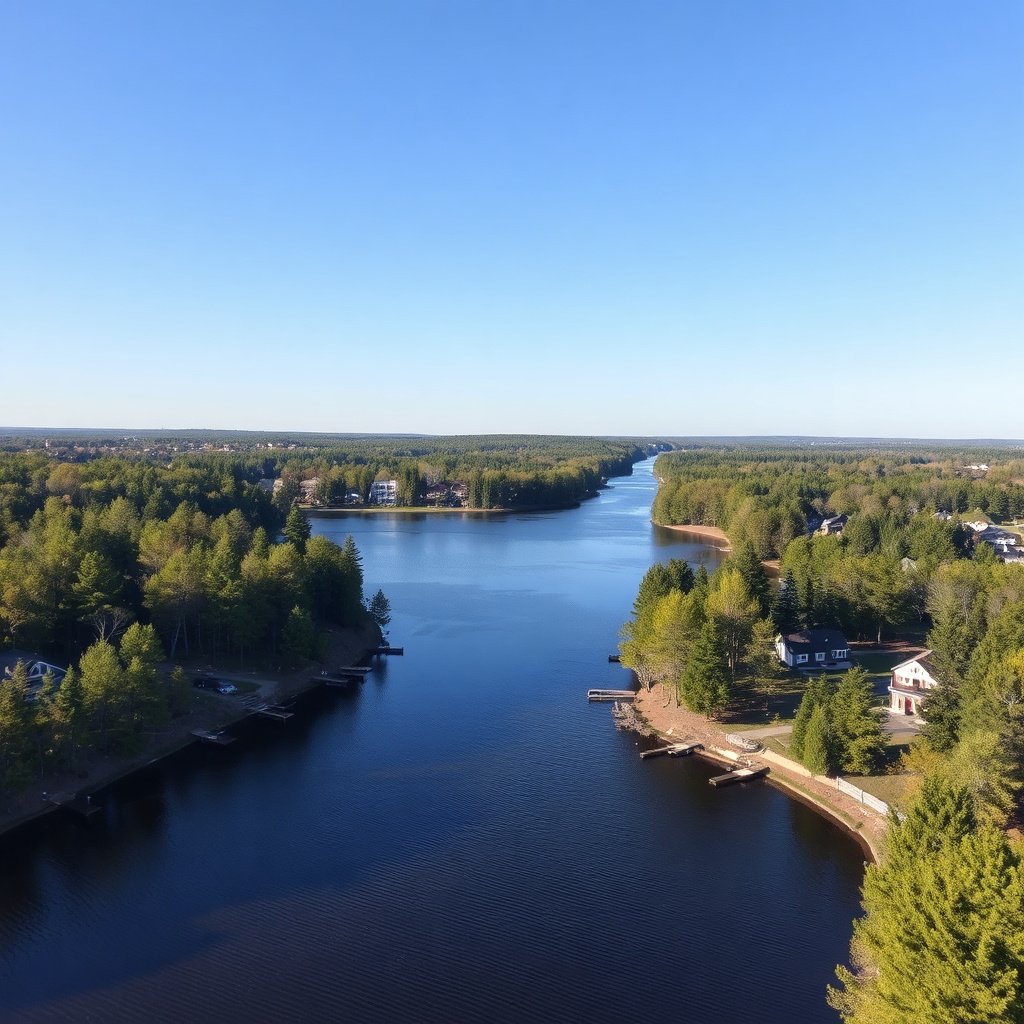
Researching Comparable Sales
Check recent sales of similar lake lots in the same area to get a baseline for pricing. Look for properties with similar lot sizes, lake access, and amenities to establish a realistic price range.
Pay attention to the timeline of sales as markets can fluctuate seasonally or due to local development. Gathering multiple data points across different neighborhoods helps refine your price estimate.
- Find recent sale prices in local real estate listings or county records
- Compare lot sizes and shape
- Consider the quality of lake access and views
Evaluating Market Trends
Research current demand for lake lots in the region and how factors such as economic conditions or tourism affect desirability and pricing.
Rising interest in waterfront properties may warrant a higher asking price, while a saturated market or economic downturn may require more competitive pricing.
- Track shifts in property values over the past year
- Note seasonal trends affecting lakefront interest
- Monitor local zoning or infrastructure changes that impact value
Assessing Unique Features of Your Lake Lot
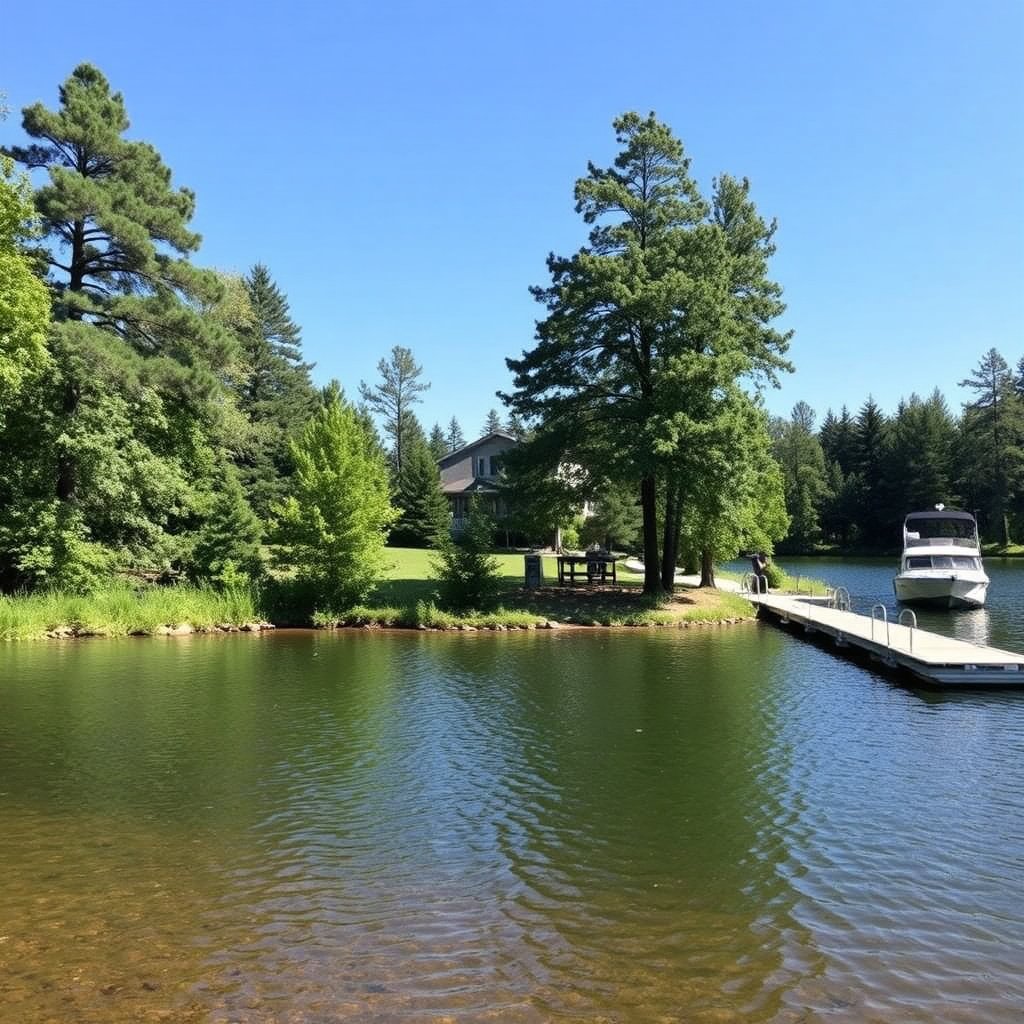
Lot Size and Shape Considerations
Larger lots naturally command higher prices, but shape and usability matter too. A narrow or oddly shaped lot might limit development, reducing its appeal compared to a wide, easily usable parcel.
Consider how the lot can accommodate structures, docks, or recreational spaces. The physical layout directly affects its market value, especially for buyers looking for building potential.
- Measure total square footage and shoreline frontage
- Evaluate terrain – flat or sloped
- Check for wetlands or protected areas restricting use
Waterfront Quality and Access
The quality of direct water access strongly influences pricing. Clear water, private frontage, and gentle slopes into the lake are highly sought after while lots with rocky or swampy edges may be less valuable.
Public access points nearby, boat ramps, and permitted dock construction add to desirability. Ensure you highlight these features when marketing.
- Assess water depth and clarity
- Check access rights and easements
- Consider views and privacy levels
Navigating Legal and Environmental Considerations
Zoning Laws and Building Restrictions
Local zoning determines what structures can be built and how the lake lot can be used. Restrictions on septic systems, docks, or boathouses can lower the value or appeal to certain buyers.
Familiarize yourself with setback rules, allowable density, and any homeowner association fees or regulations that might apply.
- Verify zoning classifications
- Review dock and shoreline modification permits
- Account for conservation easements
For more on this, see our related guide: What Is the Average Cost of a Lake House? A Detailed Pricing Guide.
Environmental Factors Impacting Price
Environmental protections like wetlands or endangered species habitats affect development possibilities and thus pricing. Flood zones or erosion risks also influence insurance costs and buyer interest.
Testing soil quality and water conditions can uncover issues that might require remediation or limit usage.
- Identify flood risk areas
- Evaluate presence of protected habitats
- Consider water quality reports
Calculating the Price: Methods and Metrics
Price Per Front Foot Approach
A common valuation method is price per front foot of shoreline, multiplying the waterfront length by a set rate derived from market data. This quickly estimates the value of the lakeside portion.
However, this method alone can overlook important details like lot depth or unique location factors. Use it as a starting point rather than a final figure.
- Calculate shoreline length in feet
- Multiply by average cost per front foot in area
- Adjust for lot uniqueness or restrictions
Using Comparable Sales and Adjustments
Starting with comparable sales, adjust prices up or down based on your lot’s size, access, improvements, and restrictions. This step integrates all variables for a refined price estimate.
Create a checklist of positive and negative features relative to comparables to justify pricing objectively.
- List comparable sales attributes
- Add value for desirable features
- Deduct for limitations or issues
Marketing and Negotiating Your Lake Lot Price

Highlighting Key Selling Points
Emphasize the lot’s unique waterfront features, access rights, scenic views, and recreational potential. Using high-quality photos, drone shots, and detailed descriptions attract more qualified buyers.
Point out any recent improvements like cleared sites, utility hookups, or approved building plans to add value confidence.
- Showcase privacy and natural beauty
- Mention proximity to amenities
- Highlight local attractions and lake activities
For more on this, see our related guide: How to Buy a Lakefront Property with a Dock: Essential Tips and Insights.
Strategies for Effective Negotiations
Be prepared to justify your asking price with market data and a clear summary of benefits. Listen to buyer feedback to adjust expectations and consider including incentives like flexible closing terms.
Consider using a real estate agent experienced in waterfront properties to navigate offers and communicate value effectively.
- Set realistic but firm pricing boundaries
- Respond promptly to inquiries
- Remain open to reasonable compromises
Common Mistakes to Avoid When Pricing Lake Lots

Overpricing Due to Emotional Attachment
Sellers sometimes price based on personal value or memories rather than market realities, which can lead to stagnation and missed opportunities.
Separating emotional bias from objective data secures a competitive price that attracts offers rather than driving buyers away.
- Avoid comparing with personal improvements only
- Get third-party valuation input
- Focus on buyer perspective
For further reading on factors influencing waterfront property valuation, see the detailed overview of lake property valuation on Wikipedia. lake property valuation.
Ignoring Hidden Costs and Limitations
Failing to consider costly environmental assessments, permits, or development restrictions can mislead buyers and cause pricing surprises.
Full disclosure and factoring these into the price builds trust and prevents deal breakdowns.
- List known restrictions up front
- Account for potential remediation costs
- Include estimated maintenance fees
Lake Lot Pricing Category Comparison
Here's a comparison of common lake lot categories to help you understand how attributes affect pricing and value.
| Category | Average Price per Front Foot | Common Restrictions | Ideal Buyer Profile |
|---|---|---|---|
| Prime Waterfront Lot | $500 – $1,200 | Few, usually local building codes | Vacation home buyers, retirees |
| Wooded Lake Lot | $250 – $600 | Possible environmental restrictions | Nature lovers, conservation-minded buyers |
| Developed Lake Subdivision Lot | $350 – $800 | HOA fees and rules | Families seeking community amenities |
| Remote Lake Lot | $150 – $400 | Limited access, no utilities | Investors or off-grid enthusiasts |
| Commercial Lake Lot | $800 – $1,500 | Zoning for business use | Developers and commercial buyers |
Frequently Asked Questions
What is the best way to find comparable sales for lake lots?
Search local county records and real estate websites focusing on lakefront parcels. Work with a local agent who specializes in waterfront properties to access recent sales data.
How does zoning influence lake lot pricing?
Zoning determines what you can build and use the land for, which directly impacts value. Strict zoning or environmental protections typically reduce price by limiting development options.
Should I include the cost of permits when pricing my lake lot?
Yes, including anticipated permit and development costs in your price expectations helps buyers understand the total investment needed and prevents surprises during negotiations.
Can lake lot price per front foot vary within the same lake?
Absolutely. Factors like water quality, shoreline type, view, and accessibility cause per front foot prices to vary considerably even on the same lake.
How important is environmental testing for pricing my lake lot?
Environmental testing can reveal issues that affect usability and cost. Disclosing these details upfront helps establish realistic pricing and build buyer trust.
Key Takeaways
- Analyze local comparable sales to establish a baseline price for your lake lot.
- Consider unique lot features like size, shape, and quality of waterfront access.
- Understand zoning and environmental factors that can impact development and value.
- Use multiple valuation methods and market data to price reasonably and attract buyers.
Conclusion
Determining how to price a lake lot involves balancing objective market data with the unique characteristics of your property. By studying comparable sales, market trends, and zoning details, you can craft a price that reflects both current demand and lot-specific value. Avoid letting emotional attachment inflate your asking price, and instead use fact-based methods like price per front foot combined with detailed feature adjustments. This balanced approach increases the chances of a successful sale within a reasonable timeframe.
For sellers with prime waterfront lots, emphasizing privacy and unobstructed lake views allows for a higher listing price. Wooded or remote lots may require adjusting expectations but appeal to buyers wanting tranquility or natural settings. Developed subdivision parcels often command moderate prices due to community amenities and convenience. Understanding each lot category’s pricing nuances helps set clear strategies when marketing and negotiating. Consulting a specialized agent can also provide insights tailored to your property’s segment.
Once you identify a suitable price range for your lake lot, focus on clear communication of its selling points with professional photos and detailed descriptions. Transparency about restrictions and any required environmental considerations fosters trust with potential buyers. Stay responsive and flexible during negotiations while anchoring your price around solid research. Taking these steps equips you to position your lake lot competitively in the market and maximize its value.


2 Comments