How Much Does a Realtor Charge? Understanding Realtor Fees Explained
A realtor typically charges a commission that ranges between 5% and 6% of the home's final sale price. This fee is usually split between the seller's agent and the buyer's agent, meaning the seller often pays the total commission. How much a realtor charges can vary based on location, property type, and the services offered.
Knowing realtor fees helps buyers and sellers anticipate their expenses and negotiate better during transactions. Since these commissions comprise the agent’s compensation for marketing, negotiations, and facilitating the sale, understanding the fee structure clarifies the value provided. This fee is paid only upon closing the sale and is generally deducted from the proceeds.
This article will cover how realtor commissions work, factors affecting realtor charges, typical percentage ranges by region, alternative fee structures, and tips for negotiating agents’ commission. By the end, you'll have a clearer picture of realtor fees and how to approach them when selling or buying a property.
How Realtor Commissions Typically Work
Standard Commission Splits Explained
Most realtors charge commissions as a percentage of the final home sale price, commonly between 5% and 6%. This commission is split between the seller’s and buyer’s agents, often evenly at 2.5% to 3% each, but the split can vary depending on local customs and agreements.
The commission is paid only if the sale closes successfully. Typically, the seller agrees to this fee upfront in the listing contract. The payment comes from the proceeds of the home sale, which means buyers usually don’t pay realtor commissions directly.
What Services Are Covered by Realtor Fees?
Realtor commissions cover marketing the property, hosting open houses, coordinating showings, negotiating offers, handling paperwork, and guiding both parties through closing. The agents use their expertise to attract buyers and streamline complex legal and financial aspects of the sale.
While some services overlap, the buyer’s agent helps shoppers find homes, arrange inspections, and discuss financing options. The seller’s agent focuses on pricing strategy, advertising, and managing buyer interest.
- Listing the property on multiple platforms
- Marketing and advertising campaigns
- Scheduling and hosting showings
- Negotiation and contract management
Factors Influencing How Much a Realtor Charges
Variations by Location
Realtor commission rates often differ widely depending on the local housing market. Urban areas with high competition may have slightly lower fees, while rural or luxury markets can see higher percentages due to the complexity and exclusivity of sales.
Some cities have customary commission percentages, while others leave rates more flexible. In regions with hot markets, sellers might negotiate lower commission rates to attract listings.
- Urban areas: 5%-5.5%
- Suburban areas: 5.5%-6%
- Luxury homes: sometimes higher than 6%
Property Type and Sale Price Impact
High-value homes sometimes justify lower percentage fees because the dollar amount is substantial even at reduced rates. Conversely, smaller or low-price properties might have higher percentage fees since agents still devote significant time and resources regardless of sale price.
Commercial real estate and unique properties often have custom commission arrangements reflecting their specialized market requirements.
Alternative Realtor Fee Structures
Flat Fee Realtors
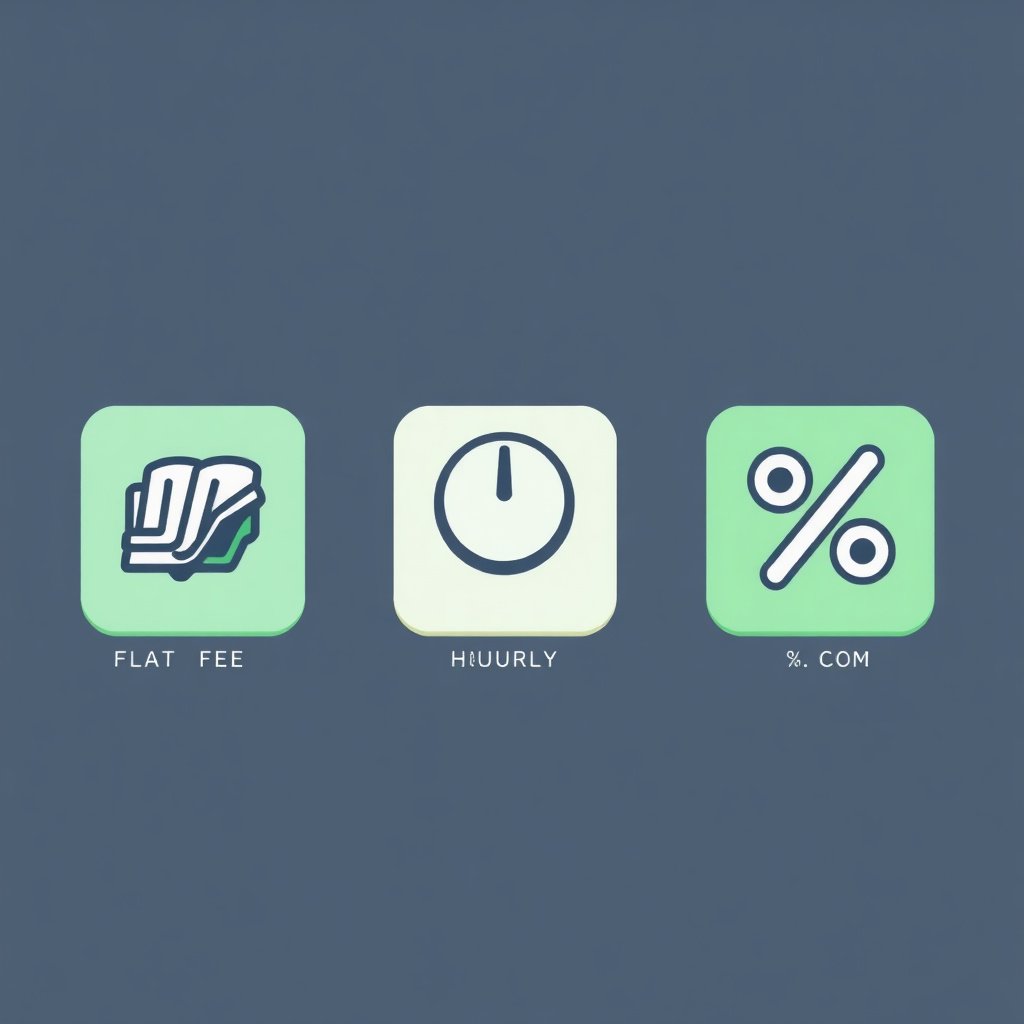
Some agents or services offer flat-fee listings where sellers pay a fixed price regardless of the home’s sale price. This can reduce total fees on higher-value homes and provides clarity on upfront costs.
However, flat fee services may offer fewer features such as limited marketing or no buyer agent, which can affect sale speed and price.
- Fixed charge regardless of sale price
- May limit marketing exposure
- Potentially no buyer agent representation
Hourly or Discount Brokerage Fees
Few agents bill hourly or offer discounted commission services, catering to sellers who want to handle some tasks themselves or require minimal assistance. These arrangements can lower fees but require sellers to invest more effort.
Discount brokerages sometimes offer reduced percentages, often around 2% to 3%, but may charge extra for additional services.
- Hourly consultancy fees
- Lower percentage rates
- Possible extra charges for added services
Negotiating and Understanding Realtor Fees

How to Negotiate Realtor Commissions
Sellers can discuss commission rates with their listing agents before signing contracts. Agents may agree to lower percentages for high-value homes, repeat clients, or if the seller handles some tasks independently.
Understanding industry norms and local market conditions gives sellers leverage to negotiate reasonable fees. Sometimes, agents reduce commissions if they also represent the buyer or the seller provides referrals.
- Request commission reductions upfront
- Leverage multiple offers from agents
- Offer bonuses for quick sales
Hidden or Additional Charges Explained
Some brokerages charge administrative fees, marketing costs, or transaction fees beyond the commission percentage. Sellers should clarify all potential costs to avoid surprises at closing.
Reviewing the listing agreement carefully and asking about extra expenses helps sellers budget accurately.
Typical Realtor Commission Rates by Region
Commission Trends in the United States
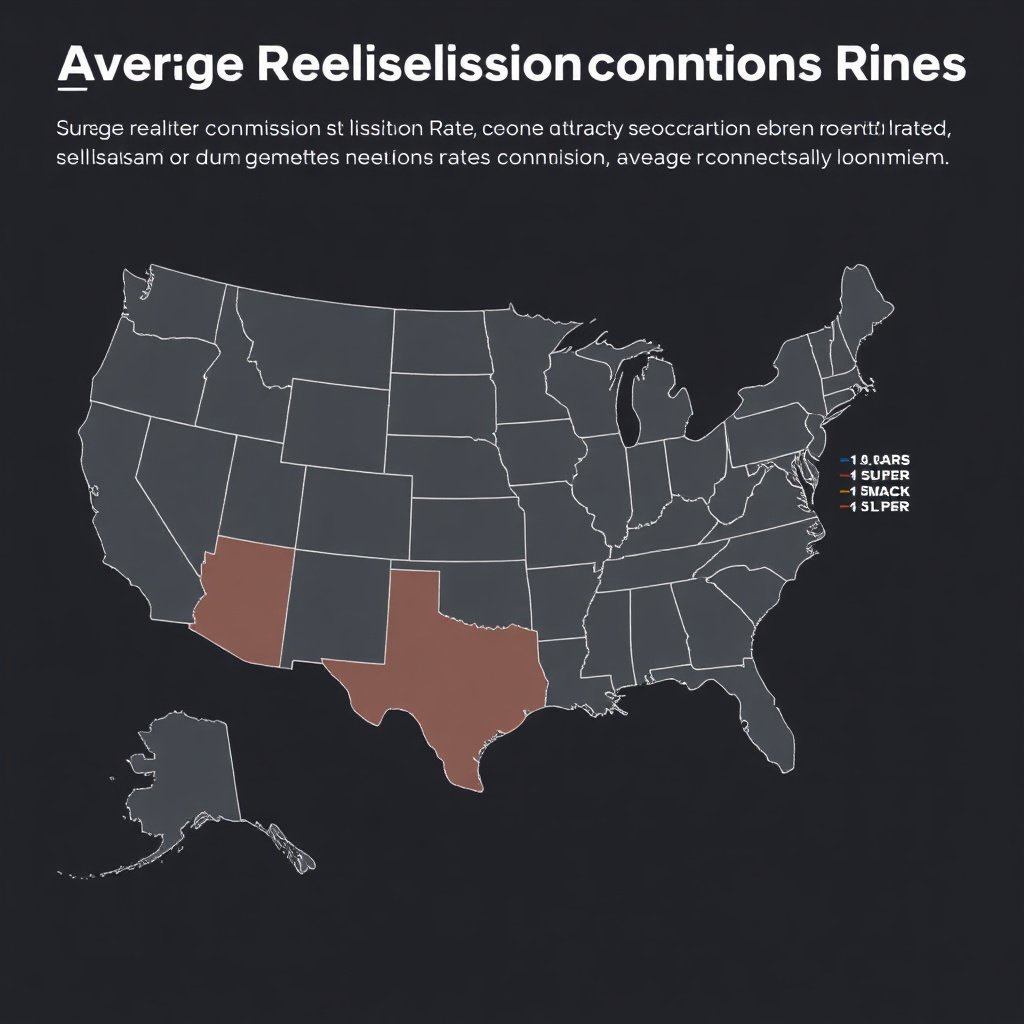
Nationally, realtor commission averages hover around 5% to 6%, but states like California and New York tend to have fees closer to 5%, while rural areas in the Midwest may reach up to 6%.
Busy real estate markets often have greater agent competition, which can pressure commissions downward. Conversely, less competitive markets often maintain higher percentages.
International Realtor Fees Comparison
Realtor commission rates vary internationally, with some countries charging lower flat fees or government-regulated percentages. For example, Canadian fees resemble U.S. rates, while European countries sometimes have fixed or minimal agent fees.
Understanding regional fee structures is critical for international buyers or sellers working with cross-border agents.
How Buyers and Sellers Share Realtor Costs
Who Typically Pays the Realtor Fees?
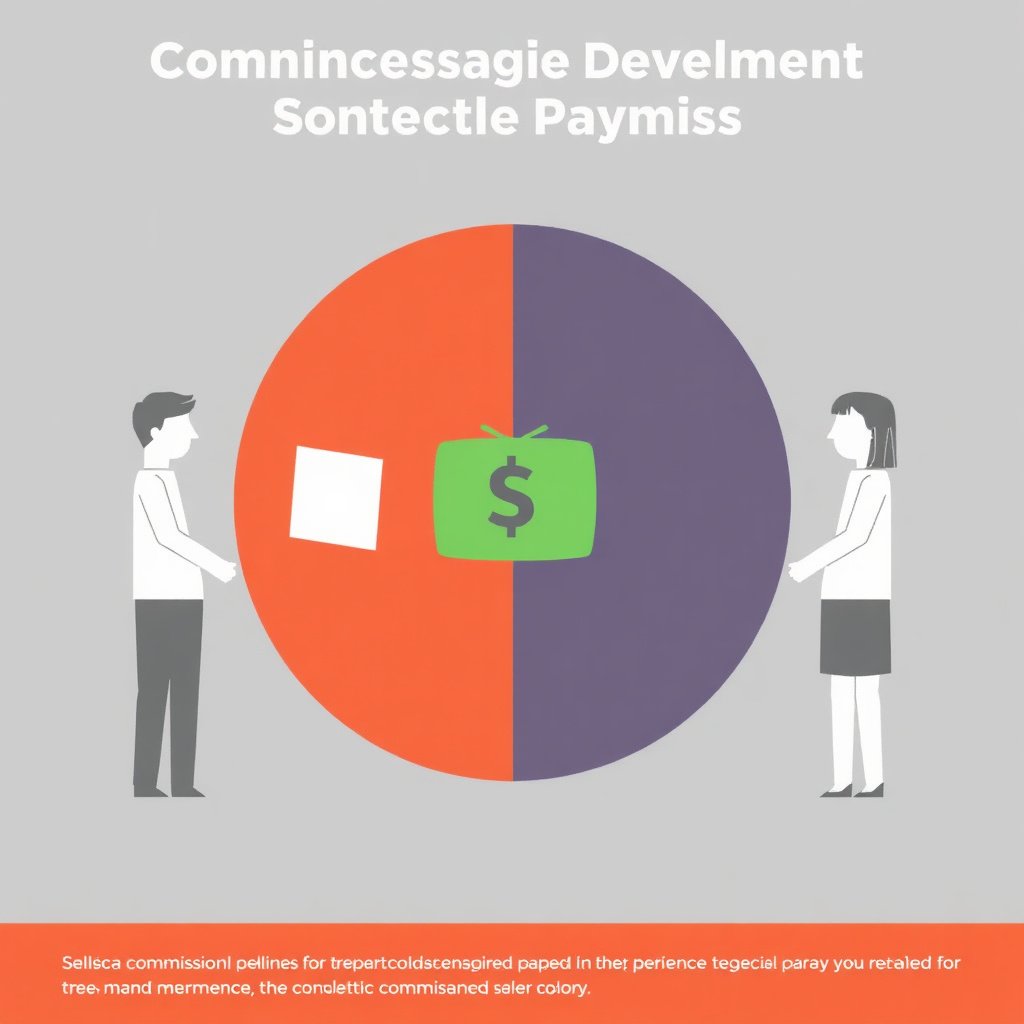
Conventional practice dictates that the seller pays the realtor commissions for both the seller’s and buyer’s agents from the sales proceeds. Buyers generally do not pay their agent directly unless a buyer broker agreement says otherwise.
However, in some markets or under special agreements, buyer agents may charge fees paid by buyers.
For more detailed information on real estate agent commission practices, refer to this authoritative Wikipedia article. Real estate agent commission.
How Realtor Fees Affect Sale Price Negotiations
Because the seller covers total commissions, the cost influences their desired sale price, sometimes pushing prices higher to compensate for agent fees. Buyers should understand that realtor fees are built into the sale price rather than paid separately.
This indirect effect makes real estate negotiations multifaceted, with commission percentages subtly shaping pricing strategies.
Realtor Fee Structure Comparison
Here’s a summary comparing common realtor fee structures and their pros and cons to help you decide.
| Fee Structure | Typical Commission Rate | Key Benefits | Drawbacks |
|---|---|---|---|
| Standard Percentage Commission | 5% to 6% | Comprehensive services, motivated agents | Can be expensive on high-value homes |
| Flat Fee | Varies (e.g., $3,000 to $5,000) | Fixed cost, predictable expenses | May include limited services |
| Discount Brokerage | 2% to 3% | Lower fees, cost savings | Fewer personalized services |
| Hourly Rate | Varies widely | Pay only for time used | Seller handles many tasks |
| Dual Agency Commission | 5% to 6% split differently | Simplified process with one agent | Potential conflicts of interest |
Frequently Asked Questions
Does the realtor fee cover both the buyer’s and seller’s agents?
Yes, typically the seller pays one total commission that is split between their own agent and the buyer’s agent. Buyers usually do not pay agents directly unless agreed otherwise.
Can realtor commissions be negotiated?
Absolutely. Sellers can often negotiate lower commissions, especially for high-priced homes or when using the same agent for buying and selling.
What happens if my home doesn’t sell?
If the home doesn’t sell, the seller usually pays no commission since fees are contingent on completed sales, but specific contract terms may vary.
Are there any hidden fees beyond the realtor commission?
Some brokerages charge extra fees like administrative or marketing costs, so it’s important to clarify all potential expenses before signing any agreement.
Do buyer’s agents ever charge buyers directly?
In some cases, buyer agents charge fees directly to buyers, especially if no seller commission covers their services or in exclusive buyer-agent agreements.
How do realtor fees affect the sale price?
Realtor fees are typically included in the sale price the seller seeks, so they indirectly influence listing prices and buyer offers.
Key Takeaways
- Realtors typically charge 5%-6% commission of the home’s sale price.
- The seller usually pays the total realtor fees, split between agents.
- Commission rates vary by location, property type, and market conditions.
- Alternative fee structures include flat fees and discount brokerages.
Conclusion
Understanding how much a realtor charges is vital to making informed decisions in real estate transactions. Realtor fees are generally a percentage of the sale price, representing payment for services that facilitate buying and selling. Evaluating local market norms, property specifics, and fee structures helps sellers and buyers set realistic expectations and negotiate better terms. Knowing that commissions are the primary cost of agent services allows you to plan your finances accordingly while recognizing their role in securing a successful sale.
If you’re selling a typical residential property, expect commissions around 5% to 6%, though specific regional differences apply. For high-value homes or luxury properties, negotiating the percentage can save you substantial money. Flat fee agents or discount brokerages offer alternatives, possibly at the expense of personal service levels. Buyers should also consider whether they will pay any direct fees or rely on the seller’s commission. Choosing an agent with transparent fees and solid local experience is key to a smooth transaction.
Before listing or making an offer, review all commission terms carefully, including additional fees or costs beyond the basic percentage. Engaging in an open conversation with your agent about fees can yield savings and clearer mutual understanding. Ultimately, knowing how much a realtor charges helps you avoid surprises and equips you to navigate the sale or purchase with confidence.




One Comment