How to Buy a Boat Dock: A Practical Guide for Waterfront Owners
To buy a boat dock, start by assessing your waterfront property's specific conditions such as water depth, shoreline type, and usage needs. Knowing these factors upfront helps you select a dock design and material that provides safety, durability, and convenience tailored to your boating activities.
Boat docks vary widely, from fixed wooden piers to floating aluminum platforms, each suited for different environments and budgets. Selecting the right dock ensures your boat remains secure and accessible, maintaining value and enhancing your waterfront lifestyle.
This guide will cover various boat dock types, material choices, legal and permitting considerations, installation methods, cost factors, and maintenance tips to help you make an informed purchase that matches your waterfront setup and boating routine.
Understanding Boat Dock Types for Your Waterfront
Fixed versus Floating Docks
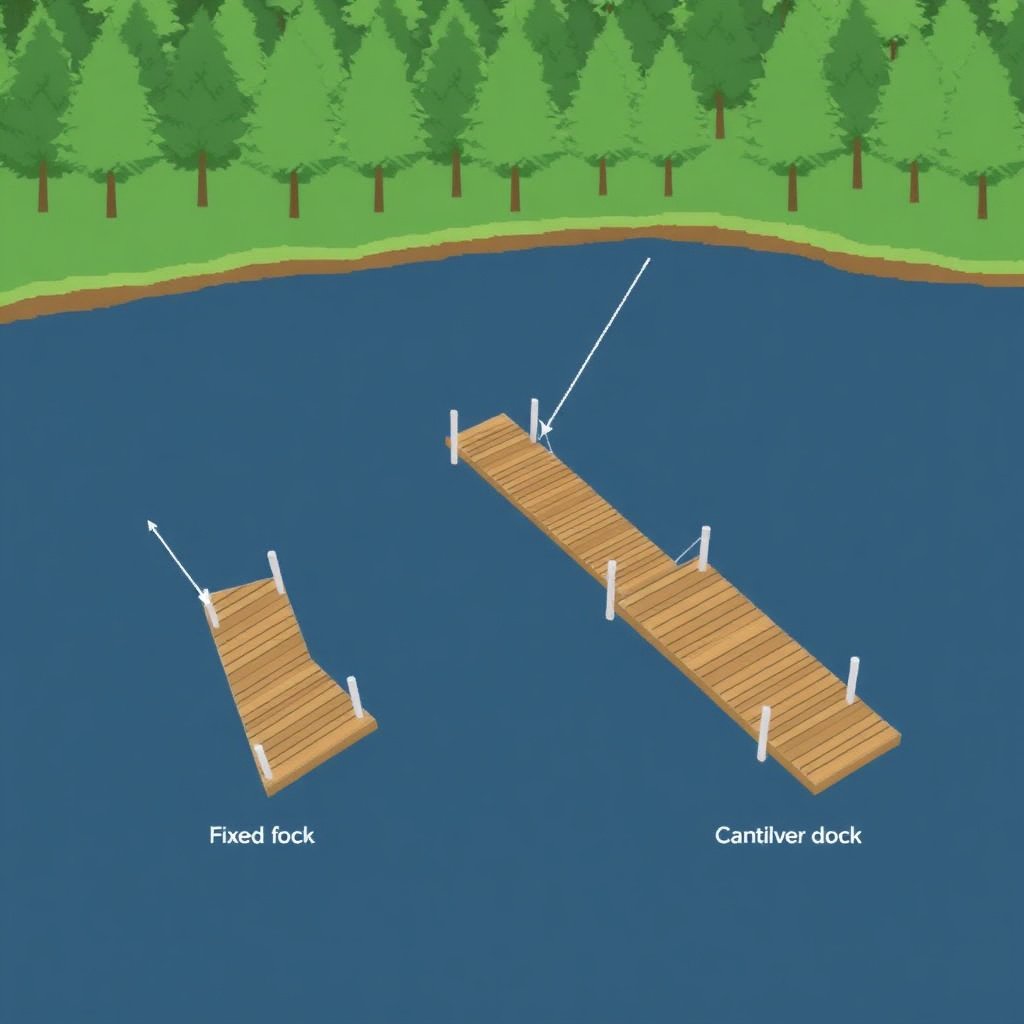
Fixed docks are anchored firmly to the bottom of the waterway, providing a stable platform. They work best in water bodies with consistent depth and minimal water level changes but require pile driving or concrete footings.
Floating docks rest on pontoons or barrels, rising and falling with water levels. They are versatile for fluctuating tides or variable depths, protecting your structure from damage due to water movement.
- Fixed docks offer stability but less flexibility
- Floating docks adapt to changing water levels
- Installation methods differ greatly between types
Specialized Dock Designs
Cantilever docks, supported from land rather than the water, are ideal for rocky or deep shorelines where piling is difficult. They allow unobstructed water access underneath.
L-shaped and U-shaped docks provide convenient boat access on multiple sides and can include swim platforms or seating areas, enhancing recreational use.
- Cantilever docks suit challenging shorelines
- L and U shapes offer functional boat access
- Design choice affects installation complexity
Materials Matter: Choosing the Right Boat Dock Construction

Wooden Docks: Pros and Cons
Traditional wooden docks provide natural aesthetics and are often preferred for residential waterfronts. Cedar and treated pine resist rot but require regular sealing to extend lifespan.
However, wood docks need more maintenance and are vulnerable to weathering, marine borer damage, and splintering, factors that may influence long-term costs.
- Natural look enhances waterfront appearance
- Requires periodic staining or sealing
- Can suffer damage from marine organisms
Modern Materials: Aluminum and Composite
Aluminum docks are lightweight, corrosion-resistant, and low-maintenance, making them a durable choice for many boat owners. They often come in modular sections for easy expansion.
Composite decking combines plastic and wood fibers to mimic wood’s appearance without rot issues. This material resists fading, splintering, and requires little upkeep.
- Aluminum docks resist rust and corrosion
- Composite decking offers wood look with less care
- Materials affect dock weight and ease of installation
Legal Permissions and Environmental Considerations

Permitting Requirements
Before buying a boat dock, verify local regulations and obtain necessary permits. Authorities may require environmental impact assessments, limits on dock size, and setbacks from property lines.
Failure to comply can lead to fines or forced removal, so consulting municipal offices or waterway management agencies early prevents costly delays.
- Check with city or county zoning departments
- Environmental reviews protect local ecosystems
- Permit duration and conditions vary by location
For more on this, see our related guide: Is It Worth Buying a Boat Dock? Pros and Cons Explained.
Environmental Impact and Best Practices
Choose dock designs and materials that minimize disruption to aquatic habitats. Avoid blocking fish spawning areas and select environmentally friendly construction options to preserve water quality.
Floating docks generally have less impact on the lakebed and vegetation than fixed docks, making them preferable where environmental sensitivity matters.
- Preserve native vegetation around shoreline
- Use non-toxic, eco-friendly materials
- Consider removable docks to reduce seasonal impact
Installation Techniques for Boat Dock Buyers

DIY Installation versus Professional Help
Some boat docks come as prefabricated kits suitable for homeowners comfortable with tools and permitting processes. DIY installation can save money but demands time and planning.
Hiring professionals simplifies installation, especially for fixed docks requiring excavation or drive piles. Experts ensure safe anchoring, compliance with local codes, and proper materials handling.
- DIY suits simple floating dock kits
- Professionals needed for fixed or large docks
- Installation cost varies based on complexity
Seasonal Timing and Weather Factors
Installing a dock during calm, warm months reduces weather risks and water turbulence, facilitating safer work conditions and better curing for concrete footings.
Regions with freezing winters require docks designed to withstand ice pressure or need seasonal removal to prevent damage.
- Plan installation during low water flow periods
- Consider seasonal dock removal options
- Weather conditions impact construction schedule
Cost Breakdown: Budgeting for Your Boat Dock Purchase
Initial Investment: Materials and Labor
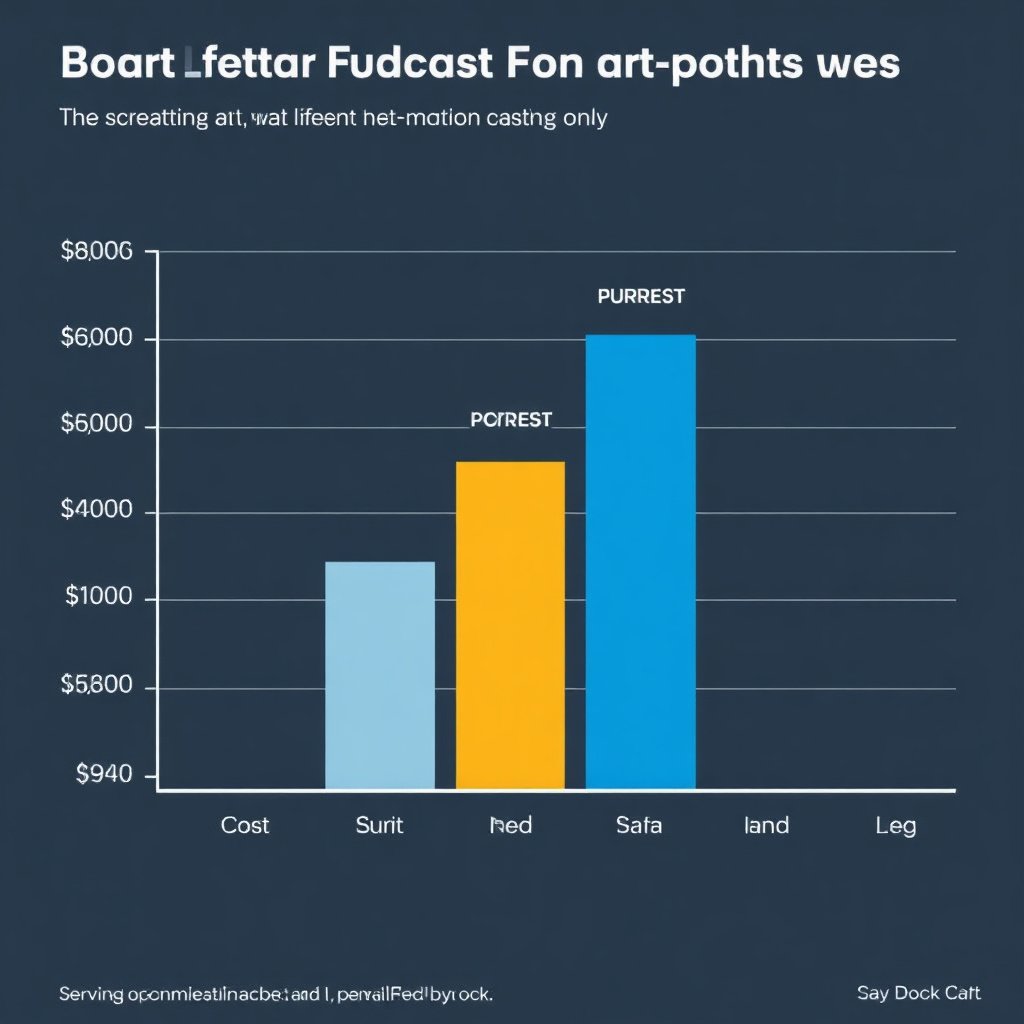
Material choice dramatically affects upfront costs: wood is generally less expensive than aluminum or composite, but varying labor fees and specialized installation can add to budgets.
Floating dock kits often have lower installation expenses compared to fixed docks requiring heavy equipment. Accurate quotes and comparisons help avoid financial surprises.
- Wood docks: $15-$35 per square foot
- Aluminum docks: $30-$60 per square foot
- Installation labor can be 30-50% of total cost
For more on this, see our related guide: How to Buy a Lakefront Home: A Practical Guide to Waterfront Living.
Long-Term Costs and Maintenance
Ongoing maintenance including cleaning, sealing, and repairs impact total dock ownership cost. Wood docks typically need more upkeep, while composite and aluminum are lower maintenance.
Budget for occasional replacement of damaged parts or seasonal removal, plus insurance or liability considerations where applicable.
- Wood dock maintenance every 1-3 years
- Composite docks require minimal upkeep
- Plan for mid-life refurbishments or upgrades
Maintaining Your Boat Dock for Longevity

Routine Cleaning and Inspection
Regularly remove debris, algae, and stains to prevent slip hazards and structural decay. Seasonal inspections identify loose boards, rusted fasteners, or damaged pontoons early, reducing repair costs.
Use gentle cleaners compatible with your dock’s material to avoid surface damage or environmental harm.
- Sweep and hose dock monthly
- Inspect joints and hardware quarterly
- Address minor repairs promptly
For more detailed technical definitions and historical context, you can visit the Boat dock information on Wikipedia. Boat dock information on Wikipedia.
Winterizing and Seasonal Care
In cold climates, lift or float docks out of the water to prevent ice damage. Apply protective coatings annually and cover seats or accessories to avoid weather degradation.
Floating docks may require detachment and storage, while some fixed docks need reinforcement before freeze-thaw cycles.
- Remove or secure furniture and accessories
- Apply weatherproof sealants before winter
- Store removable docks in dry, sheltered locations
Boat Dock Types Category Comparison
The table below compares major boat dock types, highlighting their features, recommended uses, and cost ranges to guide your choice.
| Category | Stability | Suitability | Maintenance | Typical Cost (per sq ft) |
|---|---|---|---|---|
| Fixed Dock | High stability on firm footing | Best for stable water depths | Moderate to high maintenance | $25-$50 |
| Floating Dock | Moderate, flexible with water level | Ideal for tide and level fluctuations | Low maintenance | $20-$45 |
| Cantilever Dock | Stable, land-supported | Good for rocky or deep shorelines | Moderate maintenance | $30-$55 |
| Aluminum Modular Dock | High stability, lightweight | Versatile, easy to expand | Very low maintenance | $30-$60 |
| Wooden Traditional Dock | High stability if built well | Preferred for residential aesthetics | High maintenance | $15-$35 |
Frequently Asked Questions
Do I need a permit to install a boat dock?
Most local governments require permits for boat docks, especially on public waters, to regulate size, location, and environmental impact. Check with your municipality before purchasing or installing a dock.
What is the difference between fixed and floating docks?
Fixed docks are anchored permanently to the bottom and stay at a set height, suitable for stable water levels. Floating docks rest on pontoons and rise or fall with water levels, adapting to tides or seasonal changes.
How often should I maintain a wooden boat dock?
Wooden docks typically need maintenance like sealing or staining every one to three years, plus inspections for damage, to prevent rot and prolong lifespan.
Are aluminum boat docks more expensive than wooden ones?
Yes, aluminum docks generally cost more upfront than wooden docks but require less maintenance over time, potentially offsetting initial expenditure in the long run.
Can I install a boat dock myself?
DIY installation is possible for simple floating dock kits, but fixed docks or more complex designs usually require professional expertise to guarantee safety and regulatory compliance.
Key Takeaways
- Assess your waterfront conditions before choosing a dock type
- Material choice impacts dock longevity and maintenance needs
- Permits and environmental factors influence dock design and placement
- Budget for both initial costs and ongoing upkeep when buying a boat dock
Conclusion
Choosing the right boat dock depends largely on your specific waterfront environment, boating habits, and budget. Considering factors such as water depth, seasonal changes, and shoreline type helps narrow down suitable dock styles. Balancing aesthetic preferences with practical durability guides you towards a dock that performs well and complements your property. Factoring local regulations and environmental impact early avoids legal complications and preservation concerns, ensuring a hassle-free ownership experience.
For calm lakes with stable water levels, fixed wooden docks offer a traditional and sturdy solution, although they require regular maintenance. Floating docks provide flexibility for fluctuating tides or seasonal level changes, often paired with lightweight aluminum or composite materials for reduced upkeep. Cantilever or modular aluminum docks suit challenging shoreline conditions or owners valuing ease of expansion and longevity. Matching your boat dock choice to your specific usage and location yields the most satisfying investment.
Once you’ve identified your ideal boat dock type and material, the next step is to consult local authorities regarding permits and environmental guidelines. Then, weigh installation options between professional services and DIY setups based on complexity. Maintaining your dock with routine cleaning and seasonal care will ensure it remains safe and functional for years. Armed with this comprehensive understanding of how to buy a boat dock, you can confidently proceed toward enhancing your waterfront lifestyle.