What Is a Second Home? Understanding Its Meaning and Benefits
A second home is a residential property that a person owns in addition to their main residence. Unlike a primary home where you live most of the time, a second home is typically used for vacations, seasonal stays, or as an investment property. It is not your primary mailing address but still provides living space and comfort for occasional occupancy.
Understanding the concept of a second home matters because it affects financial decisions including taxes, mortgage terms, and maintenance responsibilities. Many families buy second homes to enjoy leisure time in preferred locations or to secure a getaway spot. It can also be a financial strategy if the property appreciates in value or generates rental income.
This article will explore what qualifies as a second home, differences between it and other property types, key considerations for investing in one, and the tax implications involved. By the end, you’ll have a clear idea of whether a second home fits your lifestyle or investment goals.
Defining a Second Home and Its Characteristics

What Qualifies as a Second Home?
A second home is a property distinct from your primary residence, used for personal reasons such as vacations, holidays, or seasonal stays. It is not rented out as a primary business but may sometimes be rented to cover costs when not in use.
Lenders often require that a second home be located a reasonable distance from the primary residence and used by the owner for a minimum number of days each year. This ensures it serves as a genuine additional living space rather than an investment rental property.
How Does a Second Home Differ from Investment Properties?
While both are additional properties, investment properties are primarily purchased to generate rental income or capital gain, whereas a second home is intended for personal use. This distinction affects financing and taxation.
Second homes often come with lower mortgage interest rates compared to investment properties and may qualify for certain tax breaks that rentals do not. Understanding these differences helps avoid confusion between ownership purposes.
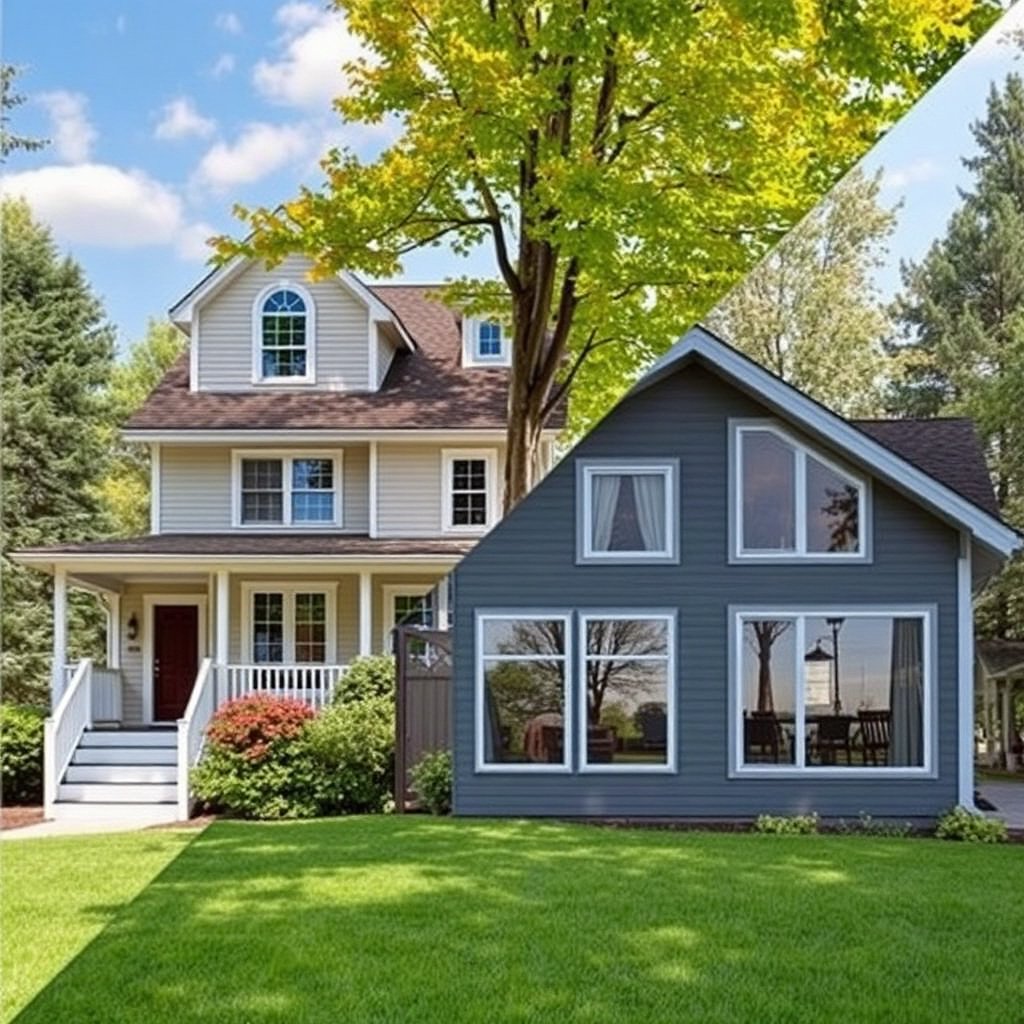
Primary vs Second Home: Key Contrasts
Usage Patterns and Occupancy
A primary home is where you reside most of the year, receive mail, and carry out daily activities. A second home is mainly for occasional stays, such as weekends or holidays, and does not serve as your main postal address.
This difference in usage heavily influences insurance policies and mortgage terms. Insurance for primary residences typically covers broader risks, while second home insurance might be more limited due to less frequent occupancy.
Financial and Tax Treatment
Mortgage lenders usually offer better interest rates for primary homes, with second homes receiving favorable terms compared to investment properties, but less so than primary residences. Tax deductions on mortgage interest for second homes can apply, but rental income rules may alter tax implications.
Property taxes and capital gains treatments also vary. For instance, capital gains from selling a primary home may be exempt up to certain limits, while gains from second homes might not qualify for the same exclusions.
Benefits of Owning a Second Home

Personal and Lifestyle Advantages
Having a second home offers convenience for vacations without the need for hotel stays or rentals. It can become a family retreat that creates lasting memories and fosters relaxation in a preferred environment.
Additionally, it often provides a sense of security knowing you have a personal, private space ready whenever needed. This can enhance quality of life and well-being.
For more on this, see our related guide: Is a Lake House a Second Home? Understanding the Classification and Implications.
Financial and Investment Potential
Besides personal use, a second home may increase in value over time, offering investment growth. Owners sometimes rent out their second homes short-term to offset maintenance and financing costs.
However, rental income might complicate tax status, so evaluating financial goals before purchase is essential to maximize benefits and minimize risks.
Financing and Mortgage Options for a Second Home

Qualifying for a Second Home Mortgage
Obtaining a mortgage for a second home is generally easier than for investment properties but slightly more stringent than for a primary residence. Lenders look closely at credit score, debt-to-income ratio, and proof of sufficient income.
Down payment requirements typically range from 10% to 20%, reflecting the lower risk lenders perceive compared to investment properties. Demonstrating occupancy intent helps in mortgage approval.
- Credit score requirements usually 620 or higher
- Down payment ranges from 10% to 20%
- Debts must be manageable compared to income
Understanding Interest Rates and Loan Terms
Interest rates on second home loans tend to be higher than primary home loans but more favorable than investment property rates. Fixed-rate and adjustable-rate mortgages are available based on borrower preference.
Loan terms often mirror those offered for primary homes, typically 15 or 30 years. It's wise to shop around and compare lenders to find the best rates and terms suited for your financial situation.
Tax Implications of Owning a Second Home

Mortgage Interest and Property Tax Deductions
Owners can deduct mortgage interest and property taxes on second homes similar to their primary residence, subject to certain IRS limits. However, combining all mortgage interest deductions must not exceed the total allowable debt limits.
These deductions reduce taxable income and help decrease the financial burden of ownership when properly documented.
For more on this, see our related guide: How Much Down Payment Do You Need for a Second Home?.
Rental Income and Capital Gains Considerations
If the second home is rented out, rental income must be reported, but associated expenses can be deducted proportionally. This changes the tax status from purely personal to partially investment, complicating filing.
When selling a second home, capital gains taxes typically apply on profit without the exemption available for primary residences. Planning ahead can mitigate unexpected tax bills.
Maintenance and Management of a Second Home

Regular Upkeep and Seasonal Maintenance
Second homes require periodic maintenance to preserve property value, especially if unoccupied for long periods. This includes inspections, repairs, cleaning, and checking for weather-related damage.
Seasonal homes often need preparation before each season for climate-specific conditions, such as winterizing plumbing or clearing debris after storms.
- Inspect HVAC systems
- Maintain landscaping
- Secure against pests
- Prepare utilities for different seasons
For a detailed explanation and examples, visit the comprehensive second home definition page on Investopedia. Second home definition on Investopedia.
Management Options for Remote Ownership
For owners who live far from their second home, professional property management services provide maintenance, tenant handling if rented, and security monitoring. This adds cost but provides peace of mind.
Remote owners can also use digital tools to schedule services, monitor property status, and communicate with caretakers efficiently.
Second Home Categories Comparison
This table compares different types of second homes based on typical use, cost, and management needs to help you identify which category fits your priorities.
| Category | Typical Location | Primary Purpose | Average Cost Range | Management Complexity |
|---|---|---|---|---|
| Vacation Cabin | Lakeside or Mountains | Seasonal Relaxation | $150,000 – $500,000 | Moderate |
| Beach House | Coastal Areas | Holiday Getaways | $300,000 – $1,000,000+ | High |
| Urban Condo | City Centers | Short Trips & Rentals | $200,000 – $700,000 | Moderate to High |
| Rural Retreat | Countryside or Farms | Privacy & Quiet | $100,000 – $400,000 | Low to Moderate |
| Investment Second Home | Various | Income Generation | $250,000 – $1,000,000+ | High |
Frequently Asked Questions
Can I rent out my second home?
Yes, you can rent out your second home, but doing so may affect its tax status and mortgage conditions. Short-term or occasional rentals are common but require careful tracking of usage and income for tax purposes.
Is a second home considered an investment property?
Not necessarily. A second home is primarily for personal use, whereas investment properties are bought mainly to generate rental income. The distinction affects financing and tax rules.
How much do I need for a down payment on a second home?
Typically, down payments range from 10% to 20% for second homes, slightly higher than primary residences but lower than investment properties. Exact requirements depend on your lender and credit profile.
Are mortgage interest deductions available on second homes?
Yes, mortgage interest on second homes can be deductible under IRS rules, with limits on total mortgage debt and proper documentation. Consult a tax advisor for details based on your situation.
What maintenance is required for a second home?
Regular maintenance includes seasonal preparations, inspections, cleaning, and repairs. Unoccupied periods increase the need for preventive care to avoid damage from weather or pests.
Key Takeaways
- A second home is a non-primary residence used mainly for personal enjoyment or seasonal stays.
- It differs from investment properties in purpose, financing, and tax treatment.
- Mortgage rules and interest rates for second homes are more favorable than investment properties but less than primary homes.
- Understanding maintenance, tax implications, and management options is vital before purchasing a second home.
Conclusion
Choosing to buy a second home involves weighing personal lifestyle benefits against financial and management obligations. Recognizing the key differences between a primary residence, a second home, and investment properties guides informed decision-making. Considering how often you plan to use the home, its location, and your financial readiness helps clarify if a second home suits your needs.
For families seeking occasional retreats, vacation cabins or beach houses provide comfort and convenience. Urban condos appeal to those desiring city visits with rental potential, while rural retreats offer privacy and tranquility. Buyers focused on income generation should carefully consider the shift from a second home to a rental investment, which carries more complex requirements.
Before proceeding, it’s wise to consult with financial advisors and mortgage professionals to review loan options and tax consequences of owning a second home. Starting with a clear understanding of your intentions and realistic budgeting ensures that your second home becomes a rewarding addition rather than an unexpected burden.




One Comment