How to Buy a Lake House as an Investment: A Step-by-Step Guide
Buying a lake house as an investment requires careful evaluation of the location, market trends, and potential rental income. Start by identifying desirable lakeside areas with strong year-round demand and good access to amenities. Conduct thorough market research and determine your budget before approaching financing options.
Lake houses can generate income through vacation rentals or long-term leasing, but successful investments depend on balancing purchase price, upkeep costs, and rental rates. Understanding seasonal fluctuations and property management needs will impact your returns significantly. This makes an informed purchase more than just a simple transaction; it’s a business decision that involves strategic planning.
This article will cover selecting the right location, analyzing financing choices, assessing rental income potential, understanding legal considerations, and managing upkeep costs. You'll get practical advice to help you make smart investment decisions when buying a lake house as an investment.
Choosing the Right Location for a Lake House Investment

Evaluating Lake Popularity and Accessibility
Some lakes attract more visitors due to recreational opportunities like boating and fishing, increasing potential rental demand. Accessibility by road and proximity to urban centers also play important roles in consistent occupancy.
Consider local infrastructure such as nearby airports, highways, and essential services. A lake house within a two-hour drive from major cities tends to have better rental potential due to ease of weekend trips.
- Popular lakes with year-round tourism
- Lakes near major cities or tourist hubs
- Accessible roads with good maintenance
- Nearby amenities like restaurants and shops
Assessing Environmental and Zoning Factors
Environmental protections can limit construction or expansion but are important to preserve the lake’s appeal. Ensure the property is compliant with local zoning laws that might affect your use or rental plans.
Check for flood zones or erosion risks that may increase insurance costs or require costly improvements. Properties with lakefront public access often have different regulations than private ones.
- Zoning restrictions on rentals and modifications
- Environmental regulations for shoreline protection
- Flood risk and insurance implications
- Availability of private or public lake access
Financing Your Lake House Investment

Traditional Mortgage vs. Investment Property Loan
Financing a lake house generally requires an investment property loan rather than a primary residence mortgage. These loans often have higher interest rates and stricter qualification criteria.
Compare terms from multiple lenders and factor in down payment requirements, usually 15-25%, and additional closing costs. A strong credit score and stable income improve your chances of securing favorable terms.
- Higher interest rates on investment property loans
- Larger down payment expectations
- Pre-approval for better negotiation power
- Loan options specific to vacation properties
Alternative Financing and Partnerships
If traditional loans are challenging, consider seller financing, regional development loans, or partnerships to reduce upfront costs. Pooling resources with partners can spread financial risk and increase buying power.
Crowdfunding platforms and real estate investment groups sometimes offer additional avenues for financing lake house purchases, though with varying levels of control and profit sharing.
- Seller financing agreements
- Local government or development incentives
- Joint ventures with other investors
- Real estate crowdfunding platforms
Evaluating Lake House Rental Income Potential
Seasonality and Occupancy Rates
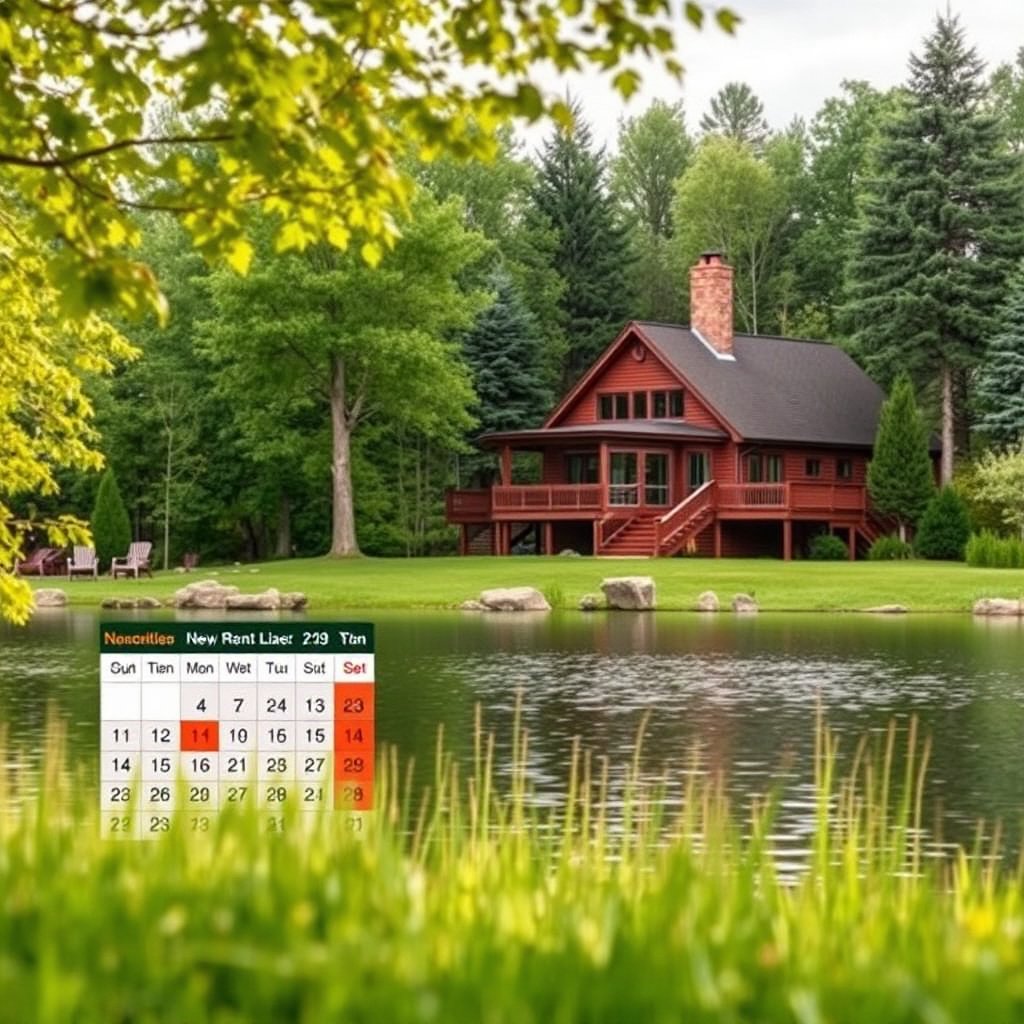
Rental income varies significantly with season, peaking in summer months for most lakes. Understanding local tourist cycles helps estimate occupancy and set competitive rates to maximize profitability.
Market research using rental platforms shows demand patterns and pricing trends. Occupancy rates over 60-70% annually indicate good rental income potential but depend on effective marketing and property appeal.
- High summer occupancy
- Lower off-season demand
- Potential for long-term rentals in shoulder seasons
- Rent rate fluctuations based on holidays and events
For more on this, see our related guide: How to Prevent Mold in a Lake House: Effective Strategies for Moisture Control.
Marketing Strategies to Boost Rental Income
Highlight unique features like private docks, modern amenities, or scenic views in listings. Professional photography and timely responsiveness to inquiries increase bookings.
Offering mid-week discounts and partnering with local tour operators can attract diverse renter profiles and increase occupancy beyond peak periods.
- Professional photos and virtual tours
- Dynamic pricing models
- Positive guest reviews and quick communication
- Packages with local experiences or services
Legal and Regulatory Considerations for Lake House Investments

Rental Regulations and Permits
Many lake communities regulate short-term rentals through permits or licenses. Verify local rules to avoid penalties and ensure your rental activity is compliant.
Some areas impose limits on rental frequency or occupancy by law or homeowners associations. Failure to comply may lead to fines or legal action.
- Short-term rental permit requirements
- Local occupancy limits
- Homeowners association rules
- Reporting and tax obligations
Insurance and Liability Issues
Appropriate insurance coverage is crucial to protect against property damage and liability, especially with renters. Understand the difference between homeowner’s and landlord insurance policies.
Consider additional policies for watercraft, docks, and pools. Consult with an agent familiar with lake properties to tailor your coverage.
- Landlord insurance for rental use
- Liability coverage for guests
- Protection for boats and docks
- Flood and natural disaster considerations
Managing Upkeep and Operational Costs
Routine Maintenance and Seasonal Preparation
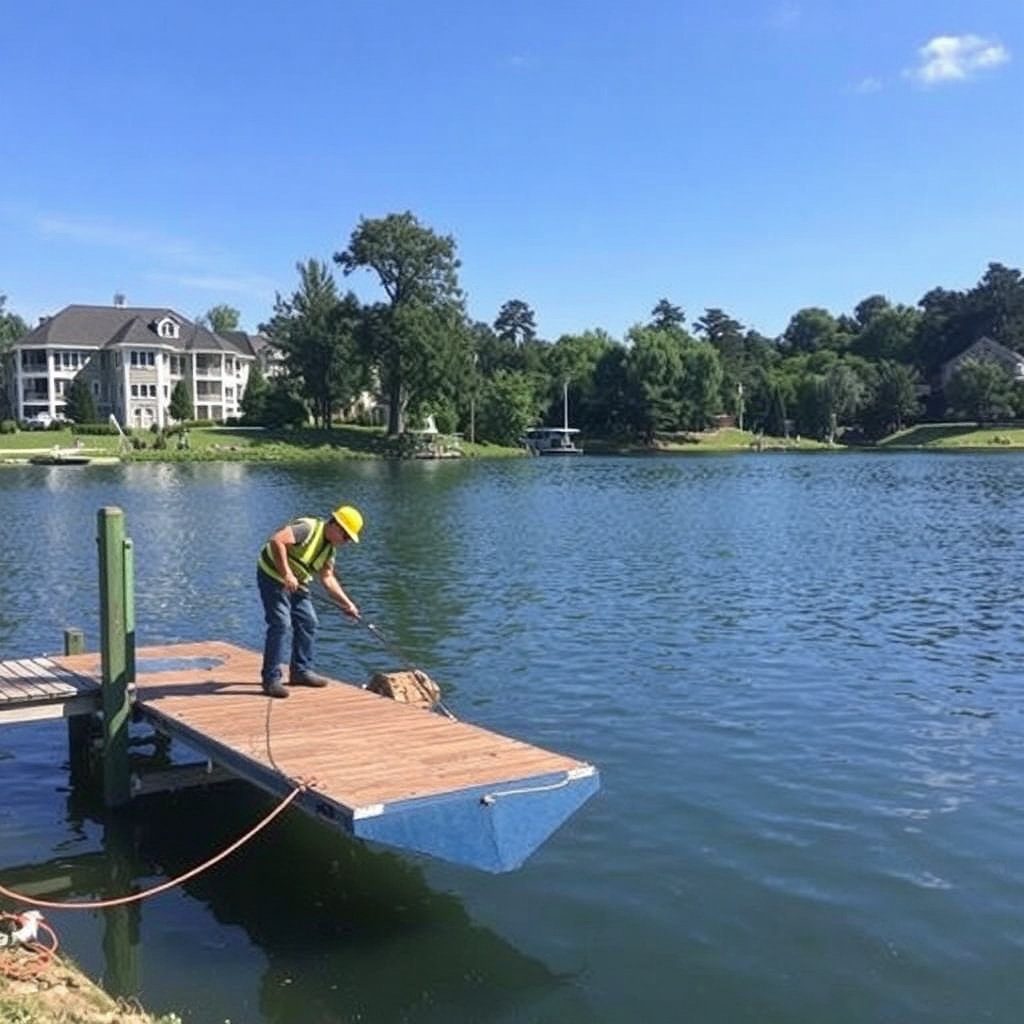
Lake houses require upkeep such as dock repairs, landscaping, and seasonal winterization to prevent damage. Regular maintenance preserves value and improves renter satisfaction.
Plan for increased wear during high rental seasons and budget for periodic painting, plumbing checks, and pest control specific to lakeside environments.
- Dock and shoreline maintenance
- Winterizing plumbing and septic systems
- Landscaping and invasive species control
- Routine inspections to prevent costly repairs
For more on this, see our related guide: Is It a Good Time to Buy Land? Expert Insights for 2024.
Property Management Options
Hiring a local property manager can handle tenant relations, cleaning, and maintenance more efficiently than remote owners. This improves guest experience and rental consistency.
Self-managing might save fees but requires time commitment. Consider hybrid approaches like using cleaning services and automated booking software.
- Full-service property managers
- Cleaning and turnover services
- Remote management tools and apps
- Cost-benefit of self-management
Understanding Market Trends Affecting Lake House Investments

Economic Factors Influencing Lake Property Demand
Interest rates, regional economic health, and tourism trends impact lake house values and rental demand. Staying informed helps time purchases and sales effectively.
Rising remote work opportunities have increased demand for second homes, including lake houses, boosting investment potential in certain regions.
- Interest rate shifts affecting mortgage costs
- Local employment rates
- Tourism growth statistics
- Remote work trends driving demand
For broader context on lake houses and their uses, consider reviewing general lake house investment information on Wikipedia. Lake house investment information on Wikipedia.
Future Development and Infrastructure Plans
Upcoming infrastructure projects such as roads, marinas, or recreational facilities can raise property values but also change the character of the lake area.
Check local government plans for construction or zoning changes that may influence long-term investment outcomes positively or negatively.
- New marina developments
- Road expansions or public transportation
- Zoning amendments
- Community recreational investments
Lake House Investment Options Comparison
Here is a breakdown of various lake house categories to help you compare investment benefits and trade-offs.
| Category | Average Price Range | Rental Income Potential | Maintenance Costs | Seasonal Demand |
|---|---|---|---|---|
| Remote Rustic Cabins | $150,000 – $300,000 | Moderate | Low | High in summer only |
| Luxury Lakefront Homes | $600,000 – $2M+ | High | High | Year-round |
| Mid-range Family Homes | $300,000 – $600,000 | Moderate to High | Moderate | Strong summer and shoulder seasons |
| Condos and Townhouses | $200,000 – $500,000 | Consistent | Low | Year-round |
| Lake Lots for Future Build | $50,000 – $200,000 | N/A | Minimal | Value depends on development timing |
Frequently Asked Questions
What is the typical down payment for a lake house investment?
Investment property loans for lake houses typically require a down payment between 15% and 25%, depending on lender policies and your credit profile.
Can I rent out my lake house year-round?
Rental regulations and demand vary by location; some areas allow year-round rentals while others restrict short-term use to certain seasons or durations.
How do I estimate the rental income for a lake house?
Analyze comparable rental listings in the area, occupancy rates, and seasonal fluctuations through platforms like Airbnb and VRBO to approximate income.
Are there special insurance needs for lake houses?
Yes, lake houses typically need landlord insurance, liability coverage, and possibly additional protection for watercraft and flood risks.
Should I hire a property manager for my lake house investment?
Property managers can improve rental operations by handling maintenance and guest communication, especially if you do not live nearby.
Key Takeaways
- Location and accessibility greatly impact rental demand and resale value.
- Investment property loans have stricter terms than primary residence mortgages.
- Seasonal market patterns affect lake house rental income potential.
- Proper legal compliance and insurance protect your investment.
Conclusion
Approaching how to buy a lake house as an investment means balancing multiple factors like location, financing, and rental income to make the property profitable over time. Prioritizing lakes with strong demand and evaluating environmental and legal factors reduces risk. Reviewing financing options carefully helps align purchase costs with your financial capacity and goals, while understanding market trends allows strategic timing.
If your focus is high rental returns and year-round usage, luxury lakefront homes or well-located family homes offer attractive opportunities. For lower upfront investment with steady income, condos or townhouses near popular lakes can be suitable. Rustic cabins appeal to summer renters but require consideration of seasonal demand. Carefully weigh maintenance costs and community regulations before finalizing your choice.
Begin by researching lake areas with tourism growth, consult experienced lenders on financing possibilities, and consider employing property management for best operational outcomes. This practical approach will help you buy a lake house as an investment that fits your budget and long-term financial objectives.



2 Comments