How Much Does a Seawall Cost? A Complete Guide to Pricing and Factors
The cost of a seawall typically ranges from $1,500 to $3,000 per linear foot, depending on materials, design, labor, and site conditions. On average, homeowners can expect to pay between $30,000 and $100,000 for a standard residential seawall spanning 20 to 40 feet. This variation is influenced by factors such as seawall height, length, and local terrain.
Seawalls are essential for protecting properties from coastal erosion, storm surges, and flooding. Because seawalls require sturdy construction using materials like concrete, steel, or timber, installation can be quite costly but reflects the importance of safeguarding real estate investments and preserving waterfront landscapes.
This article will break down the common types of seawalls, factors affecting seawall cost, installation considerations, ongoing maintenance expenses, and alternatives to seawalls. This comprehensive overview will help you understand budget expectations and select the seawall option that fits your needs.
Types of Seawalls and Their Cost Impact
Concrete Seawalls: Durability Meets Expense
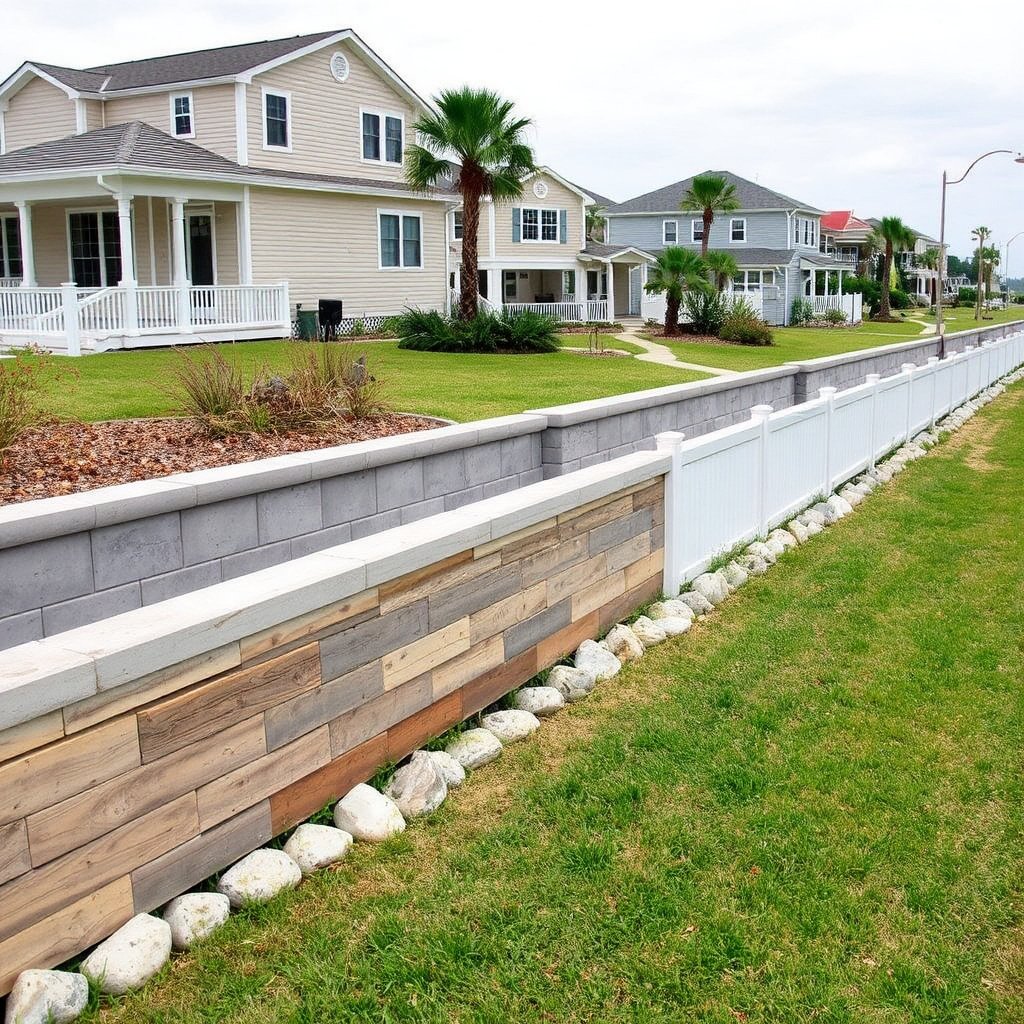
Concrete seawalls are among the most durable and commonly used seawalls because they can withstand severe weather and heavy wave action. Their robust nature contributes to a higher initial cost but ensures long service life and minimal repairs.
This type typically costs between $2,000 and $3,000 per linear foot, factoring in reinforced materials and complex formwork needed during installation. The higher price reflects the strength and longevity of concrete seawalls.
Timber and Vinyl Seawalls: Cost-Effective Alternatives
Timber seawalls provide a classic aesthetic and generally are less expensive, averaging $1,500 to $2,000 per linear foot. However, they have a shorter lifespan and may require more frequent repairs or replacement.
Vinyl seawalls have recently gained popularity as a low-maintenance, corrosion-resistant option with costs similar to timber. Their lightweight nature can reduce installation expenses compared to heavier concrete walls.
- Timber seawalls: $1,500 – $2,000 per linear foot
- Vinyl seawalls: $1,600 – $2,200 per linear foot
Key Factors Influencing Seawall Cost

Length, Height, and Structural Requirements
The length of your seawall directly impacts the total cost—longer walls need more materials and labor. Height also plays a critical role; taller seawalls require deeper foundations and stronger reinforcements, escalating both materials and construction expenses.
Structural needs vary by local wave intensity and soil stability. High-energy shorelines demand more robust designs, which increases project complexity and cost.
- Longer walls increase materials and labor costs
- Height affects foundation depth and reinforcement
- Structural design adapts to local environmental forces
Site Conditions and Accessibility
Geographical factors like soil type, slope stability, and tidal patterns influence the seawall's design and installation difficulty. Rocky or unstable sites might require specialized equipment and additional engineering, leading to higher prices.
Accessibility matters because hard-to-reach sites increase transport and labor costs. Remote or terrain-challenging locations require extra effort, which reflects in the overall seawall installation cost.
Installation Costs and Process Overview

Labor and Equipment Expenses
Seawall installation requires skilled labor such as marine engineers and specialized contractors. Labor costs usually contribute 30-50% of the overall seawall cost, varying with project complexity and region.
Heavy machinery like cranes, excavators, and pile drivers are essential tools that add to overhead. Rental and operation charges are included in installation costs to ensure proper wall placement and safety.
- Experienced construction crew needed
- Machinery required for heavy lifting and piling
- Labor can account for nearly half the budget
For more on this, see our related guide: How to Buy a Lake House: A Practical Guide for First-Time Buyers.
Permit Fees and Regulatory Considerations
Obtaining necessary permits from local government agencies can add to the cost and time of seawall installation. Regulations aim to minimize environmental impact but may require additional design adjustments or studies.
Permit fees range widely, with some coastal municipalities charging several thousand dollars depending on wall size and environmental assessment needs.
Maintenance and Long-Term Cost Considerations
Routine Maintenance Requirements
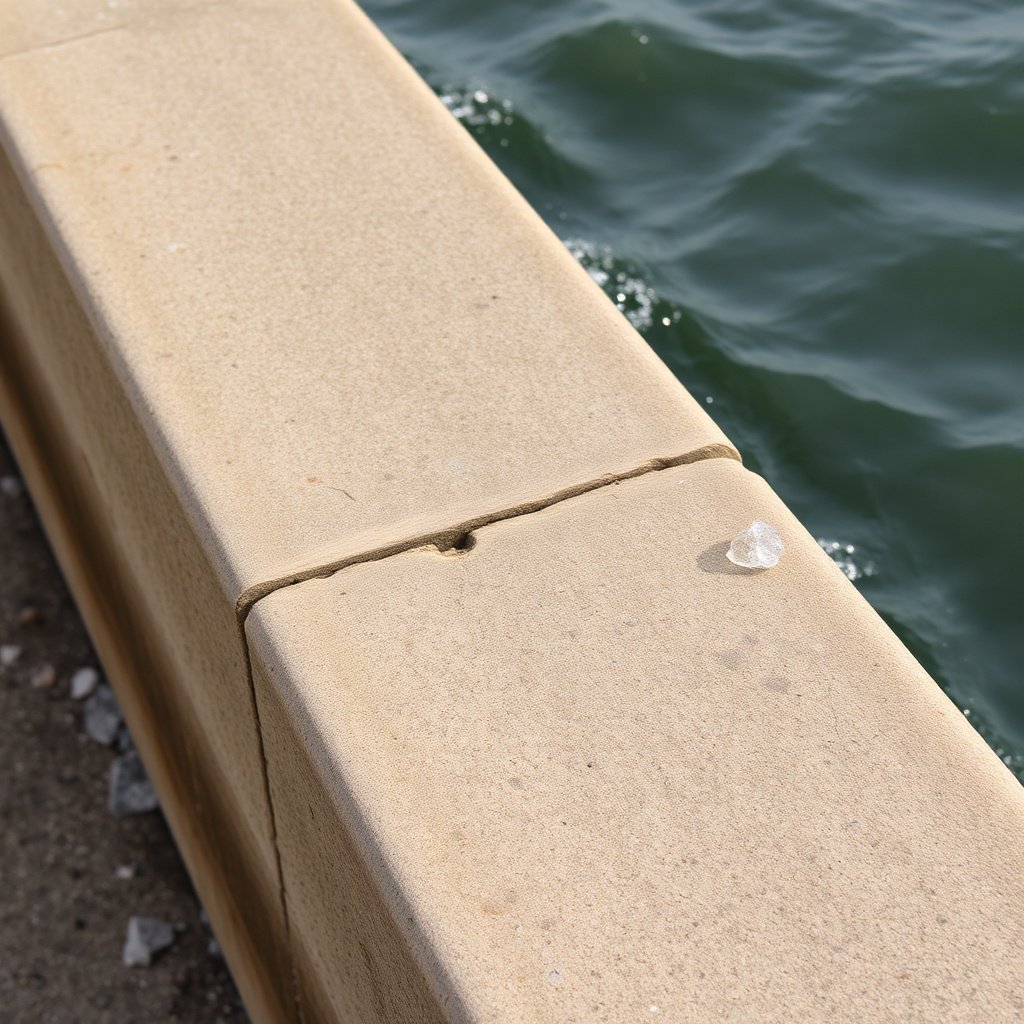
Seawalls need periodic inspections to detect cracks, erosion, or joint failures, especially after storms. Routine maintenance costs usually amount to a few hundred to a couple thousand dollars annually depending on seawall size and material.
Repairing minor damages promptly helps prevent costly reconstruction. Different materials require different upkeep: timber may need staining or replacement, while concrete requires patching and sealing.
- Annual inspections recommended
- Timely repairs avoid escalating damage
- Maintenance costs vary by seawall material
Lifespan and Replacement Planning
Most seawalls last between 20 to 50 years depending on build quality, materials, and environmental factors. Planning for eventual replacement helps integrate costs into long-term property management.
Concrete seawalls tend to have the longest lifespan, while timber may require replacement after 20-30 years. Vinyl seawalls often last 25-40 years with proper care.
Seawall Installation Cost Compared to Alternatives
Breakwaters and Revetments as Protective Options
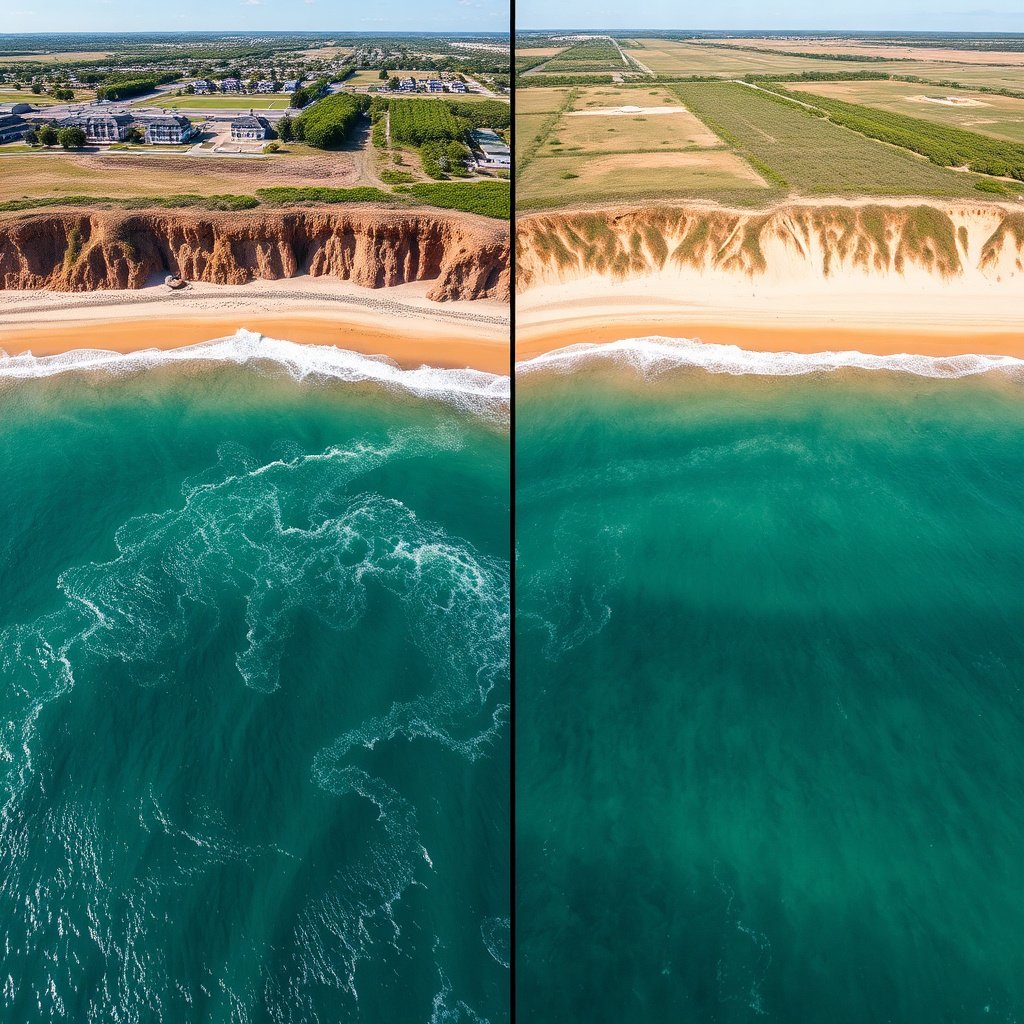
Breakwaters are offshore barriers that absorb wave energy before it reaches the shore, costing roughly $1,000 to $2,500 per linear foot. While less intrusive visually, they don’t provide direct access to the water like seawalls.
Revetments consist of sloped rock or concrete layers protecting beaches with lower expense but limited durability compared to seawalls.
- Breakwaters: $1,000 – $2,500 per linear foot
- Revetments: generally less expensive, $500 – $1,500 per linear foot
Natural Solutions and Their Cost-Benefit
Preserving or restoring dunes, mangroves, or marshes provides cost-effective erosion control and ecological benefits. Initial investment can be lower but results take longer and depend on healthy ecosystems.
Natural defenses often complement seawalls or alternatives, enhancing shoreline resilience while reducing some structural demands and associated costs.
Factors That Can Increase or Decrease Seawall Cost

Environmental and Weather Considerations
Areas prone to hurricanes, typhoons, or heavy wave action require more robust seawall designs, increasing material and engineering costs. Conversely, calmer bays might allow lighter construction, lowering expenses.
Saltwater corrosion resistance also affects material choice and price.
- Severe weather demands stronger construction
- Saltwater environment necessitates corrosion-resistant materials
For additional detailed information on seawall designs and uses, you can visit the seawall information on Wikipedia. Seawall information on Wikipedia.
Customization and Aesthetic Enhancements
Adding decorative finishes, integrated lighting, or landscaping features elevates seawall installation costs but boosts property appeal. Custom shapes and curves also increase design and labor time.
Functional accessories like boat ramps or seating walls may add to the overall budget.
- Decorative concrete textures raise price
- Custom design requires extra engineering
- Additional features increase labor and materials cost
Seawall Cost Category Comparison
This table summarizes typical cost ranges and characteristics for common seawall types and related coastal protection options.
| Type | Average Cost per Linear Foot | Lifespan (Years) | Maintenance Level |
|---|---|---|---|
| Concrete Seawall | $2,000 – $3,000 | 40 – 50 | Low |
| Timber Seawall | $1,500 – $2,000 | 20 – 30 | High |
| Vinyl Seawall | $1,600 – $2,200 | 25 – 40 | Medium |
| Breakwaters | $1,000 – $2,500 | 30 – 50 | Medium |
| Revetments | $500 – $1,500 | 20 – 40 | High |
Frequently Asked Questions
What is the average cost of building a seawall?
The average seawall costs between $1,500 and $3,000 per linear foot, with factors like material, height, and site conditions influencing the total price.
How long does a typical seawall last?
Depending on materials and maintenance, seawalls can last from 20 up to 50 years, with concrete walls generally offering the longest lifespan.
Are permits required for seawall construction?
Yes, most coastal areas require permits before seawall installation to address environmental impacts and structural safety.
Is a seawall always the best option for shoreline protection?
Not necessarily; alternatives like breakwaters, revetments, or natural barriers may be better suited depending on environmental conditions and budget.
How often do seawalls require maintenance?
Seawalls should be inspected annually, especially after storms, with maintenance frequency depending on material type and exposure.
Key Takeaways
- Seawall costs typically range from $1,500 to $3,000 per linear foot.
- Materials, height, length, and site conditions significantly affect prices.
- Maintenance is vital to extend seawall lifespan and reduce costly repairs.
- Alternatives like breakwaters and natural barriers can offer cost-effective protection.
Conclusion
Evaluating seawall cost requires understanding your shoreline’s specific needs, environmental challenges, and budget constraints. By carefully weighing material durability, project scale, and local site conditions, you can select an option that protects your property effectively while fitting your financial plans. The investment in a seawall reflects long-term resilience against erosion and flooding risks, which can prevent far greater losses over time.
For homeowners seeking durable protection with minimal maintenance, concrete seawalls offer a strong yet costly choice, suitable for harsh coastal areas. Alternatively, timber or vinyl seawalls reduce initial expenses but require more upkeep. If budget or environmental concerns are paramount, exploring structural alternatives such as breakwaters or natural solutions like dune restoration may provide balanced protection with a lower upfront cost. Understanding these options allows you to tailor the project to your needs and goals.
When ready to proceed, obtaining detailed assessments from coastal engineers and securing permits early will smooth your seawall installation process. Comparing multiple contractor quotes and reviewing maintenance plans helps ensure cost transparency and quality outcomes. Finally, regular inspections and upkeep after construction will protect your seawall investment, maximizing its service life and keeping your shoreline safeguarded for years to come.