How Much Down Payment for a Lake House You Need to Prepare
The down payment for a lake house usually ranges between 10% and 25% of the home's purchase price, depending largely on whether it’s a primary residence or a vacation property and the lender's requirements. Waterfront homes often require a larger down payment compared to regular homes because of higher risks associated with flood zones and property values.
Understanding the down payment amount is crucial because it affects your mortgage terms and monthly payments. Since lake houses often serve as second homes or investment properties, lenders generally require a more substantial upfront commitment to reduce their risk exposure. This higher initial cost can impact your buying strategy significantly.
This article outlines the typical down payment percentages for lake houses, influencing factors like loan type and credit scores, and offers a breakdown of financing options. You’ll also find comparisons of different loan programs and tips on preparing financially to make the lake house purchase smoother.
Typical Down Payment Amounts for Lake Houses

Primary Residence vs. Vacation Home Down Payments
Lenders usually require smaller down payments if the lake house is your primary residence, often around 10% to 15%. However, for vacation homes or second properties, the down payment often jumps to 20% or more, because lenders consider these riskier. This difference ensures borrowers are financially committed.
In some cases, down payments for lake houses that are considered investment properties can push even beyond 25%, especially if you have suboptimal credit or limited income proof. For primary residences, some loan programs might offer lower down payment options, but lake houses rarely qualify for those.
Influence of Property Location and Flood Risks
Lake houses located in flood-prone areas typically require higher down payments or additional insurance, due to the increased risk of damage. Lenders may ask for an extra financial cushion to protect their investment, which raises your initial cash requirements.
Flood zones increase the complexity of financing a lake house. You might be required to pay for private flood insurance, and some lenders even factor this cost into down payment calculations. Awareness of the property’s risk zone is key before making a bid.
Loan Types Affecting Lake House Down Payments

Conventional Loans for Lake Houses
Conventional loans typically require a down payment between 15% and 25% for lake houses since these properties are often classified as second homes or investment properties. Paying at least 20% often helps buyers avoid private mortgage insurance (PMI), which can save money over time.
The borrower's credit score and debt-to-income ratio heavily influence the exact amount. Good credit scores might allow closer to a 15% down payment, but lenders generally prefer more substantial commitments for waterfront homes to mitigate risk.
Government-Backed Loans and Their Limitations
FHA loans, which allow down payments as low as 3.5%, generally do not apply to lake houses because they are meant for primary residences and have restrictions on vacation properties. Likewise, USDA loans are focused on rural primary homes, and VA loans also limit vacation home use.
Therefore, most lake house buyers must lean on conventional financing or cash purchases. Some specialty lenders might offer tailored financing, but these usually require higher down payments reflecting the increased risk of waterfront properties.
Financial Factors Impacting Your Down Payment

Role of Credit Score and Savings
One’s credit score significantly affects loan terms and the down payment requirement for a lake house. Higher credit scores can reduce the minimum down payment percentage and secure better interest rates, lowering long-term costs.
Ample savings beyond the down payment for closing costs, inspections, and insurance are crucial. Being financially prepared beyond just the down payment smoothens approval processes and also handles unexpected expenses often associated with waterfront properties.
For more on this, see our related guide: What Is the Average Cost of a Lake House? A Detailed Pricing Guide.
Debt-to-Income Ratio Considerations
Lenders evaluate your debt-to-income (DTI) ratio to gauge your ability to manage monthly mortgage payments alongside other debts. A lower DTI ratio can help qualify for better financing and potentially lower down payment demands.
When buying a lake house, which often has higher ongoing maintenance and insurance costs, lenders scrutinize your financial profile closely, adding pressure to maintain a healthy DTI ratio.
Lake House Financing Options
Conventional Mortgage Financing
Most lake house purchases rely on conventional mortgages due to their flexibility and availability. These mortgages typically require a 15-25% down payment. Borrowers often opt for a 20% down payment to avoid private mortgage insurance.
Interest rates on conventional loans depend on credit and market conditions but can be higher than those for primary residences. Proper comparison of lenders helps find the best terms for your lake house financing needs.
Alternative Financing Methods
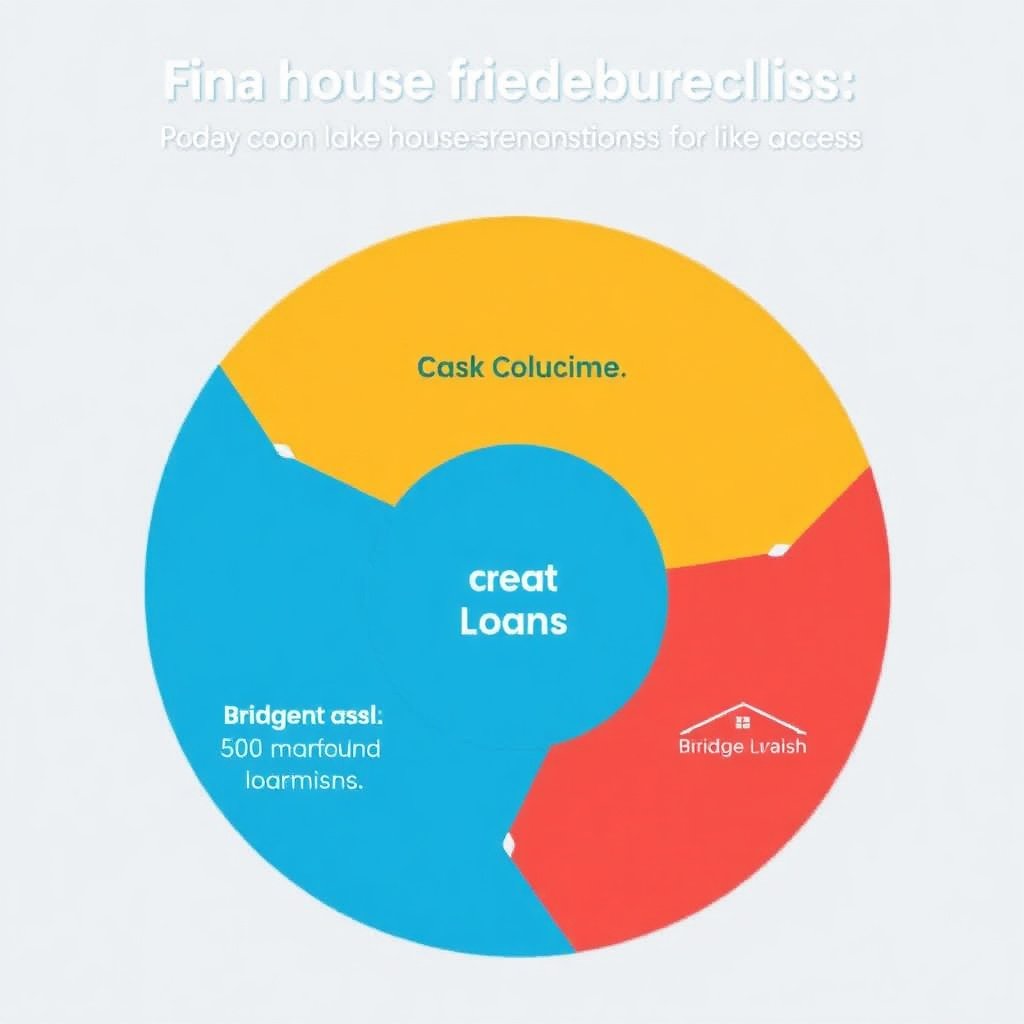
Some buyers use cash, bridge loans, or home equity loans from primary residences to fund lake house purchases. These methods reduce initial mortgage qualifications but require significant available capital or equity.
Bridge loans connect sale proceeds from an existing home to a new lake house purchase and can sometimes lower down payment requirements, but they often carry higher interest rates and fees.
Preparing Financially for Your Lake House Down Payment

Saving Strategies and Budget Planning
Establishing a dedicated savings plan targeting 20-25% of your target lake house price helps manage the steep down payment requirements. Automating transfers and cutting non-essential expenses can accelerate down payment savings.
Budgeting must also accommodate other purchase-related costs like closing fees and higher insurance premiums typical for waterfront properties to avoid any last-minute financial shortfalls.
For more on this, see our related guide: How to Finance a Lake Lot: A Practical Guide to Buying Waterfront Property.
Improving Credit and Financial Profile
Improving your credit score ahead of applying for lake house loans can reduce your down payment percentage and secure better terms. Paying down debts, resolving disputes, and avoiding new credit inquiries help strengthen your profile.
Maintaining stable income records and avoiding excessive debt increases lender confidence, which may translate to lower binding down payment minimums and smoother approval for your lake house financing.
Common Challenges When Determining Down Payment for Lake Houses

Higher Insurance and Maintenance Costs
Lake houses often come with elevated insurance premiums due to flood risks and potential storm damage, markedly increasing the overall cost of ownership beyond the down payment. Buyers must factor these costs into their budgeting early.
Maintenance expenses are typically higher because of the environmental exposure and potential for water damage, which lenders might also consider when setting down payment thresholds.
For a broader understanding of lake house ownership and financing factors, you can explore this lake house financing overview. lake house financing overview.
Unpredictable Market and Resale Values
Lakefront property markets can be volatile, influenced by environmental changes, local demand, and regulatory shifts. This variability can increase lender caution and thus raise down payment requirements.
Understanding the local real estate market trends for lake houses aids buyers in preparing adequately, as lenders factor resale risk into financing terms, directly impacting your initial investment amount.
Lake House Down Payment Options Comparison
Here's a straightforward comparison of different lake house financing categories highlighting typical down payment requirements and key features.
| Category | Typical Down Payment | Credit Score Needed | Loan Type |
|---|---|---|---|
| Primary Residence Lake House | 10%-15% | Good (700+) | Conventional, FHA (limited) |
| Vacation Home Lake House | 20%-25% | Good to Excellent (720+) | Conventional |
| Investment Property Lake House | 25%+ | Excellent (740+) | Conventional, Portfolio Loans |
| Cash Purchase | 100% | N/A | None |
| Bridge Loan Option | Varies (often 10-20%) | Good (700+) | Bridge Financing |
Frequently Asked Questions
Can I get a lake house with a small down payment?
Small down payments are rare for lake houses because lenders view them as higher risk. Typically, a minimum of 10%-15% is needed for primary residences, and 20% or more for vacation homes.
Does flood insurance affect my down payment for a lake house?
Flood insurance doesn’t directly increase your down payment but adds to your total purchase cost. Sometimes lenders require extra reserves or higher down payments in flood zones.
Are there special loan programs for lake houses?
Most government-backed loans exclude vacation and second homes like lake houses, so conventional loans dominate. Some niche lenders may offer specialized products but often with higher down payment requirements.
How does my credit score impact my lake house down payment?
Higher credit scores can lower your required down payment and interest rate. Conversely, lower scores usually require larger down payments to secure financing for lake houses.
Is it better to buy a lake house with cash?
Paying cash bypasses loan requirements and can offer negotiation advantages, but it demands large upfront capital. Many buyers prefer financing to maintain liquidity.
Key Takeaways
- Down payments for lake houses typically range from 10% to 25%, depending on use and lender policies.
- Conventional loans are the most common financing option for lake houses, rarely qualifying for government-backed programs.
- Higher risks from flood zones and maintenance costs often increase down payment requirements and insurance expenses.
- Improving credit and saving beyond the down payment can facilitate smoother loan approval and better terms.
Conclusion
Understanding how much down payment for a lake house is required involves evaluating your intended use of the property, lender demands, and your financial profile. Because lake houses often serve as vacation or investment homes, lenders generally ask for higher down payments between 15% and 25%, reflecting the unique risks and costs associated with waterfront properties. Careful assessment of your ability to cover these upfront costs alongside ongoing expenses helps provide a realistic foundation for your purchase decision.
For buyers planning to live in the lake house full time, lower down payments around 10%-15% may be possible if they meet credit and income standards. Those acquiring lake houses strictly as vacation homes or income properties should prepare for 20%-25% or more. Conventional loan programs dominate this market, with few available government-backed options. Buyers with sufficient equity sometimes use alternative financing like bridge loans or cash payments to navigate tighter requirements.
Next steps include thoroughly reviewing your credit health, saving strategically to cover all expenses, and comparing loan offers targeted for lake house financing. Understanding local flood risks and insurance implications will also clarify your total financial commitment. Approaching your lake house purchase with this detailed planning will set you on a firm path to securing your ideal waterfront property.




One Comment