How to Maintain a Septic System for Long-Lasting Performance
Maintaining a septic system requires regular inspections, timely pumping, and mindful water use to keep it functioning properly and avoid costly repairs. At its core, a good septic maintenance routine involves monitoring sludge levels and preventing solids from clogging the system's drain field.
Septic systems treat household wastewater in a contained environment, making them vital for homes without access to municipal sewage. Without proper upkeep, these systems can fail, resulting in foul odors, backups, or environmental contamination. Knowing how to maintain a septic system helps homeowners protect their investment and minimize health risks.
This article covers practical steps for septic system upkeep, including inspection schedules, the role of septic tank pumping frequency, water conservation tips, preventing common problems, and how to recognize early issues before they escalate.
Regular Septic System Inspections

Why Frequent Inspections Matter
Regular inspections help detect issues like sludge buildup or leaks early, preventing system failure. Experts recommend a professional septic inspection every 3 years to assess tank integrity and sludge levels.
These inspections include checking the scum and sludge layers and testing the drain field’s absorption capacity. Timely detection reduces repair costs and keeps the system operating efficiently.
- Identify signs of leaks or cracks
- Measure sludge accumulation
- Evaluate drain field condition
DIY Inspection Tips for Homeowners
Homeowners can perform simple visual checks for sluggish drains, pooling water, or unpleasant odors around the septic area. These signs may suggest urgent inspection needs.
Keep a maintenance log to track inspection dates and any irregularities. However, avoid opening the tank yourself unless properly trained, as gases inside can be hazardous.
- Look for wet spots or unusual greenery
- Monitor slow draining sinks or toilets
- Note any foul smells near the system
The Role of Septic Tank Pumping Frequency

Determining Pumping Intervals
Septic tank pumping frequency depends on factors like tank size, household water use, and sludge accumulation rate. Most tanks require pumping every 3 to 5 years to prevent solids from overflowing into the drain field.
Tanks serving large families or heavy water users may need more frequent pumping. Neglecting pumping can cause solids to block the drain field, leading to costly repairs or replacement.
- Larger tanks require less frequent pumping
- High water usage shortens intervals
- Chemical use can affect sludge buildup
Signs That Your Tank Needs Pumping
Slow-draining fixtures, sewage odors, or sewage surfacing in the yard signal that pumping is overdue. Regularly scheduled pumping is key to avoiding these symptoms.
Professional pumping involves removing accumulated solids and cleaning baffles to restore system efficiency and extend its lifespan.
- Persistent slow drains
- Gurgling sounds in plumbing
- Standing water near the drain field
Water Conservation to Protect Your Septic System
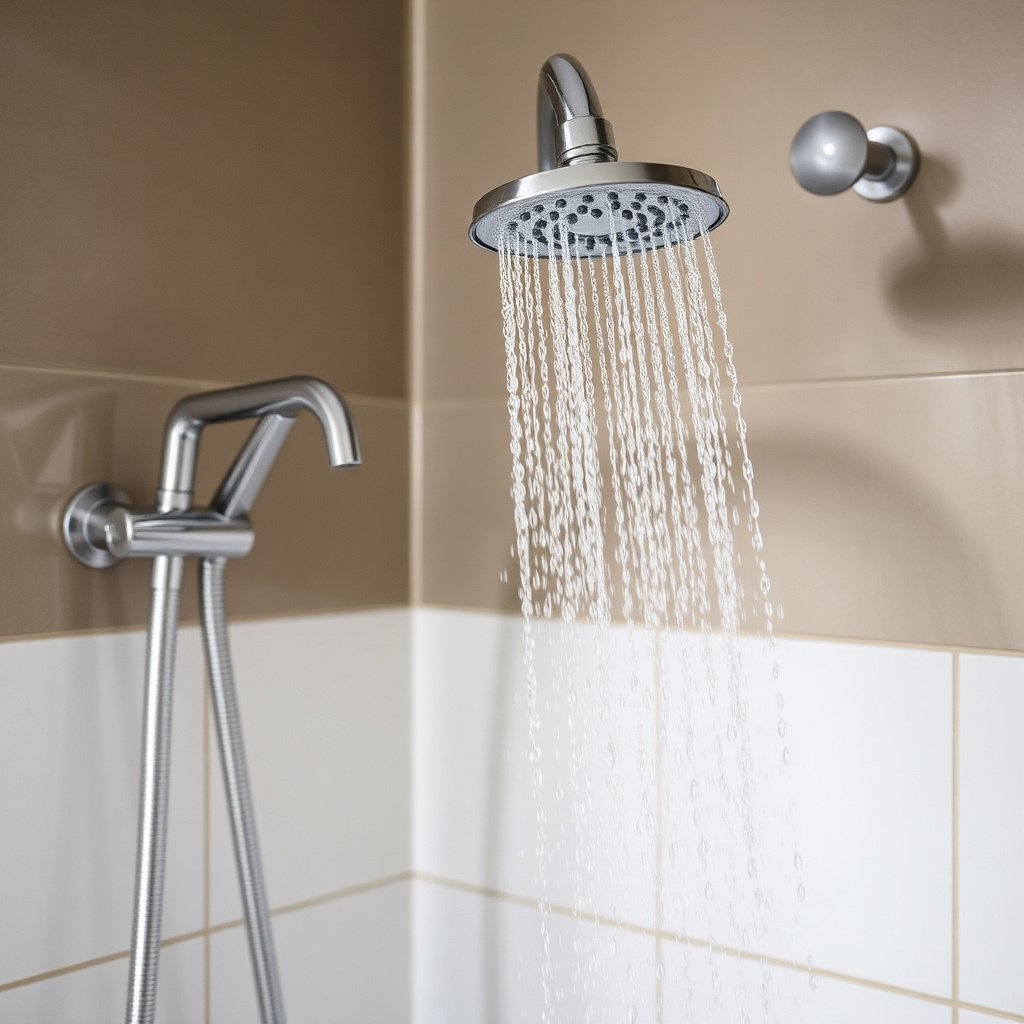
Why Conserving Water Helps Septic Health
Excess water strains the septic system, pushing solids into the drain field and reducing treatment time. Conserving water prevents system overload and prolongs drain field life.
Simple water-saving habits can balance daily water input with the system's capacity, keeping it functioning optimally.
- Avoid excessive laundry loads
- Fix leaks promptly
- Install low-flow fixtures
For more on this, see our related guide: What Is a Septic System? Understanding How It Works and Why It Matters.
Water-Saving Strategies to Implement
Staggering appliance use, fixing dripping faucets, and choosing water-efficient appliances reduce water volume entering the septic system. These measures slow sludge buildup and minimize the risk of system backups.
Rainwater harvesting for outdoor use can also reduce household water consumption, indirectly supporting septic health.
- Use high-efficiency toilets and faucets
- Run full loads of laundry and dishes
- Collect rainwater for gardening
Preventing Common Septic System Problems

Materials to Avoid Flushing or Pouring
Avoid flushing grease, oils, chemicals, non-biodegradable wipes, or pharmaceuticals. These substances can clog the system or kill beneficial bacteria needed for wastewater treatment.
Proper disposal of hazardous materials and household chemicals helps prevent system damage and groundwater contamination.
- No grease or cooking oils
- Avoid antibacterial soaps and chemicals
- Never flush diapers or sanitary products
Landscaping and Physical Protection
Plant only grass or shallow-rooted plants over the drain field to prevent root intrusion. Avoid driving or parking vehicles on the system’s drain field and septic tank to protect its integrity.
Heavy equipment and compacted soil can damage pipes and reduce drainage capacity, causing failure.
- Use grass or turf for drain field areas
- Keep heavy machinery off septic zones
- Ensure good drainage around the field
Recognizing Early Warning Signs of Failure
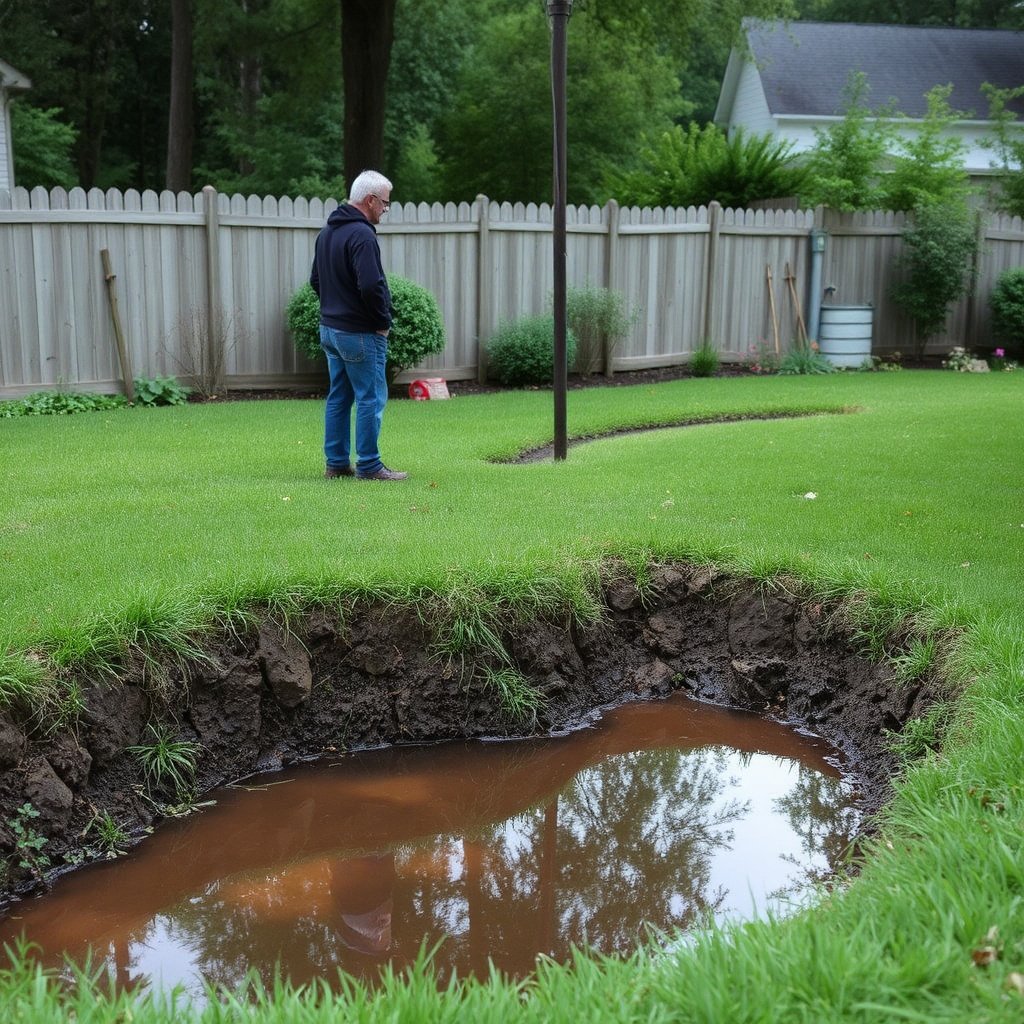
Indicators of Septic System Trouble
Pooling water, slow drains, sewage odors, or lush patches of grass over the drain field often signal system issues. Early recognition helps avoid costly and extensive repairs.
If these signs appear, arrange for inspection and pumping promptly to diagnose the problem.
- Pooling or soggy areas near drain field
- Persistent sewage smell indoors or outdoors
- Backups in toilets or sinks
For more on this, see our related guide: Do Lake of the Ozarks Homes Have Septic Systems? What Buyers Should Know.
When to Contact a Professional
If you experience frequent backups, odors, or changes in yard appearance, contact a septic service professional immediately. Catching problems early saves money and prevents health hazards.
Experts can perform camera inspections, locate leaks, or recommend repairs to restore system function.
- Repeated backups despite pumping
- Structural damage or cracks detected
- Severe odors not dissipating
Additional Septic System Maintenance Tips

Using Biological Additives
Some homeowners consider bacterial additives to boost septic tank bacteria. While these products can help maintain bacterial health, regular pumping and water conservation remain essential.
Avoid products that claim to dissolve solids aggressively, as they may harm the system’s natural processes.
- Choose natural bacterial additives if needed
- Avoid harsh chemical cleaners
- Consult professionals before use
For a deeper understanding of septic system care, refer to the official EPA guide on septic systems. Septic system basics and maintenance guidelines.
Maintaining Records and Scheduling
Keep detailed records of inspections, pumping, repairs, and any unusual observations. A maintenance schedule tailored to your household size and tank specifications reduces chances of neglect.
Setting reminders for routine services helps maintain a proactive septic system care routine.
- Track dates of pumping and inspection
- Record all repairs and servicing
- Schedule routine maintenance promptly
Septic System Maintenance Methods Comparison
This table compares common maintenance methods based on their benefits, costs, and frequency to help homeowners choose the right approach.
| Method | Primary Benefit | Cost Range | Recommended Frequency |
|---|---|---|---|
| Professional Inspection | Early problem detection | $100-$300 per inspection | Every 3 years |
| Septic Tank Pumping | Removes sludge buildup | $200-$500 per pumping | Every 3-5 years |
| Water Conservation | Reduces system load | Low to no direct cost | Ongoing |
| Biological Additives | Enhances bacteria health | $20-$50 per treatment | As needed or quarterly |
| DIY Visual Checks | Identifies visible issues | Free | Monthly to quarterly |
Frequently Asked Questions
How often should a septic tank be pumped?
Typically, septic tanks should be pumped every 3 to 5 years, depending on household size and water use. Frequent pumping prevents solids from damaging the drain field.
Can I use chemical cleaners with my septic system?
Harsh chemical cleaners can kill beneficial bacteria in the septic tank and harm the system. It's best to use mild detergents designed to be septic-safe.
What signs indicate my septic system needs repair?
Common warning signs include sewage odors, slow drains, pooling water near the drain field, and backups in sinks or toilets. Prompt professional evaluation is recommended.
Is it safe to plant trees near the septic drain field?
No, trees and shrubs with deep roots can invade and damage the septic system pipes. Plant only grass or shallow-rooted plants over drain fields.
Can I inspect my septic tank myself?
While homeowners can observe surface signs and monitor for odors or wetness, septic tank interiors should be inspected by professionals due to toxic gases and technical requirements.
Key Takeaways
- Regular septic system inspections every 3 years prevent costly damage
- Pump your septic tank every 3-5 years based on usage
- Conserving water helps extend system life and reduce overload
- Avoid flushing harmful materials to protect beneficial bacteria
Conclusion
Understanding how to maintain a septic system involves combining routine professional inspections, scheduled pumping, and smart water use. This holistic approach allows you to catch potential problems early while preserving the septic system’s critical functions. Maintenance is not only about avoiding costly repairs but also about protecting your home’s environment and health. Regular monitoring and simple preventative steps create a long-lasting, worry-free septic setup.
For many homeowners, scheduling septic tank pumping every 3 to 5 years suits typical household needs, with professional inspections every few years providing deeper insight into system health. Water conservation practices, such as fixing leaks and using water-efficient appliances, reduce stress on the system. Preventing harmful substances from entering the tank safeguards the delicate balance of bacteria crucial for wastewater treatment. Together, these practices form a maintenance routine that fits most residential septic systems.
If you are new to septic system care, start by identifying local septic service providers and setting up an inspection appointment. Keep a log of all maintenance activities to track your system’s condition over time. Incorporate water-saving habits at home to reduce load, and avoid flushing anything other than biodegradable waste and toilet paper. This practical combination of professional care and daily mindfulness will help keep your septic system running smoothly for years.