Do Lake of the Ozarks Homes Have Septic Systems? What Buyers Should Know
Most homes at Lake of the Ozarks indeed rely on septic systems, particularly those located in more rural or less densely developed areas around the lake. Municipal sewage connections are available in some communities, but septic tanks remain the predominant choice for wastewater management at this destination.
The presence of septic systems matters because maintenance, capacity limits, and local regulations can impact the overall upkeep and value of a home. Buyers often need to understand the septic setup to budget for inspections, potential upgrades, or replacements during homeownership around the lake.
This article explores typical septic system usage at Lake of the Ozarks homes, the implications for homeowners, common types of septic installations found there, and how septic considerations influence purchasing decisions in this lakefront real estate market.
Understanding Septic Systems in Lake of the Ozarks Homes
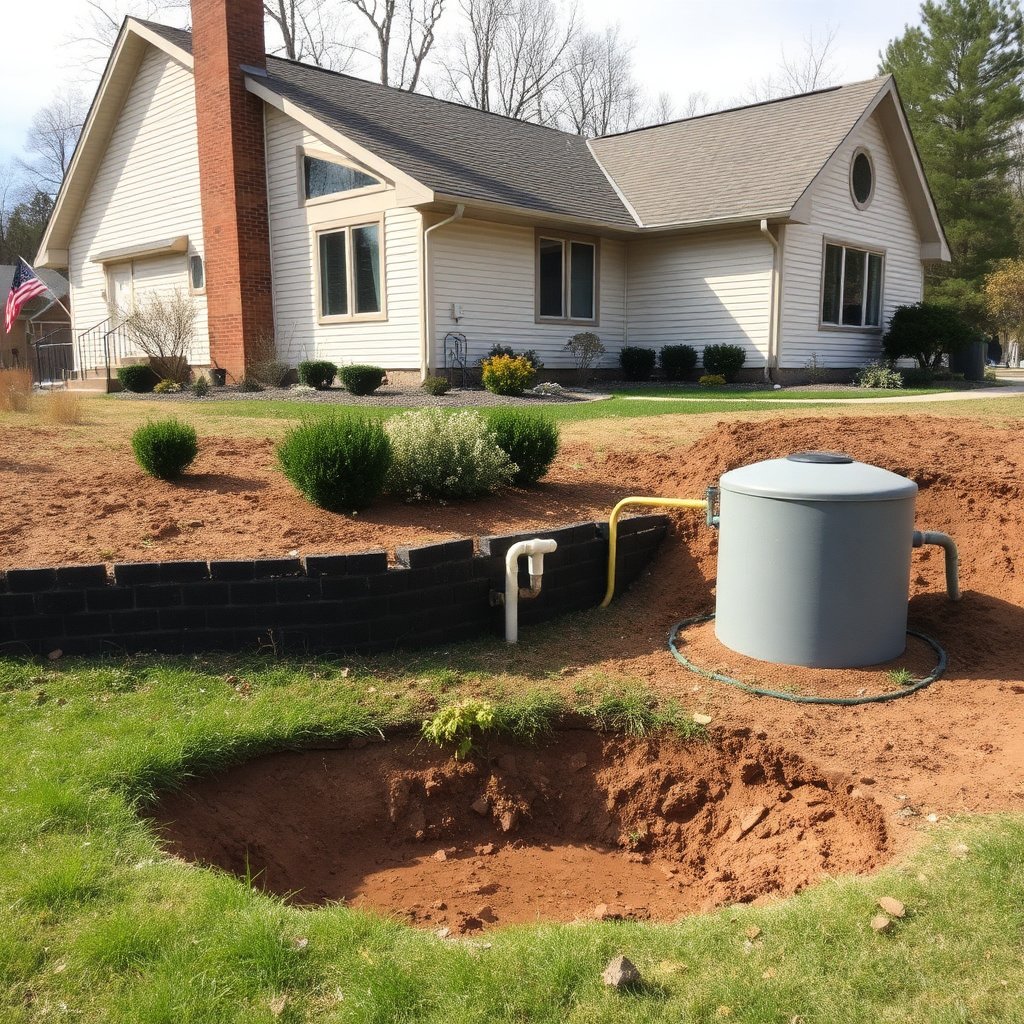
What Is a Septic System and How Does It Work?
A septic system is an underground wastewater treatment structure common in rural areas, including much of the Lake of the Ozarks region. It consists of a septic tank where solids settle and decompose, and a drain field or leach field that disposes of liquid waste into the soil.
Proper function depends on regular maintenance and adequate space for the drain field. The system naturally treats household wastewater without relying on public sewage lines, making it ideal for lake homes not connected to municipal sewer services.
Why Septic Systems Are Common at Lake of the Ozarks
Lake of the Ozarks is a mix of dense residential pockets and more spread-out rural areas. Municipal sewage infrastructure is limited, especially around more isolated or older home sites, so septic tanks serve as the primary waste management solution.
Additionally, the geography and zoning regulations around the lake often limit sewer line expansion. This reinforces septic systems as the practical and sometimes only option for many properties.
- Limited public sewer availability in many areas
- Rural and mountainous terrain restricts sewer line installation
- Zoning ordinances favor septic for environmental protection
Types of Septic Systems Found in Lake of the Ozarks Homes
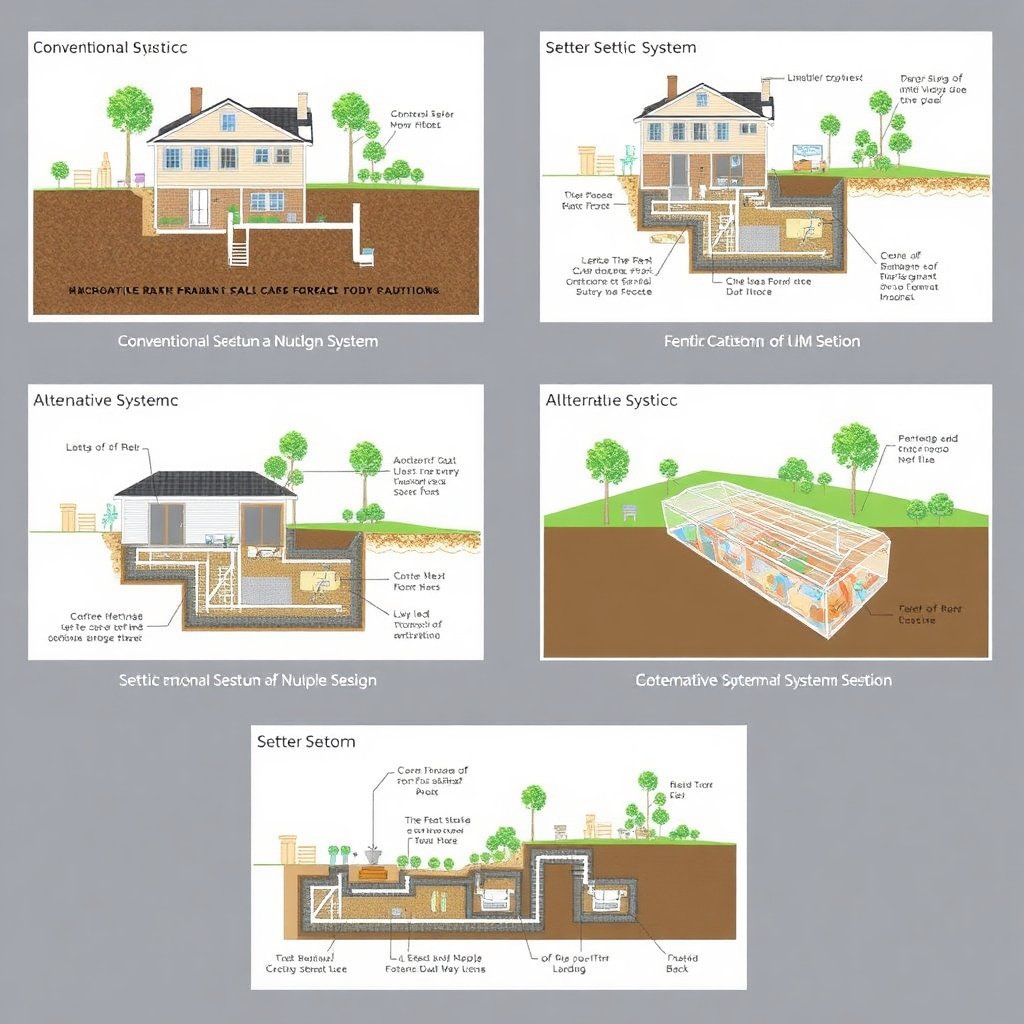
Conventional Septic Systems
The most common type of septic at Lake of the Ozarks is the conventional system, which includes a single tank paired with a gravity-fed drain field. These systems are cost-effective and work well where soil conditions allow proper absorption and treatment.
Their installation and maintenance are relatively straightforward, but they require sufficient soil permeability and space for an effective drain field, limiting their use in tighter or less permeable plots.
Alternative and Advanced Septic Solutions
Where soil or lot conditions restrict conventional systems, alternative setups like mound systems, aerobic treatment units, or sand filters are utilized. These systems promote better wastewater treatment in challenging environments common to certain lakefront or hillside properties.
Such systems often come with higher installation and maintenance costs but may be necessary to meet local health codes or protect the lake from contamination.
- Mound systems elevate drain fields above native soil
- Aerobic units introduce oxygen to treat waste before dispersal
- Regular inspections are usually required for advanced systems
Maintenance Considerations for Septic Systems at Lake of the Ozarks
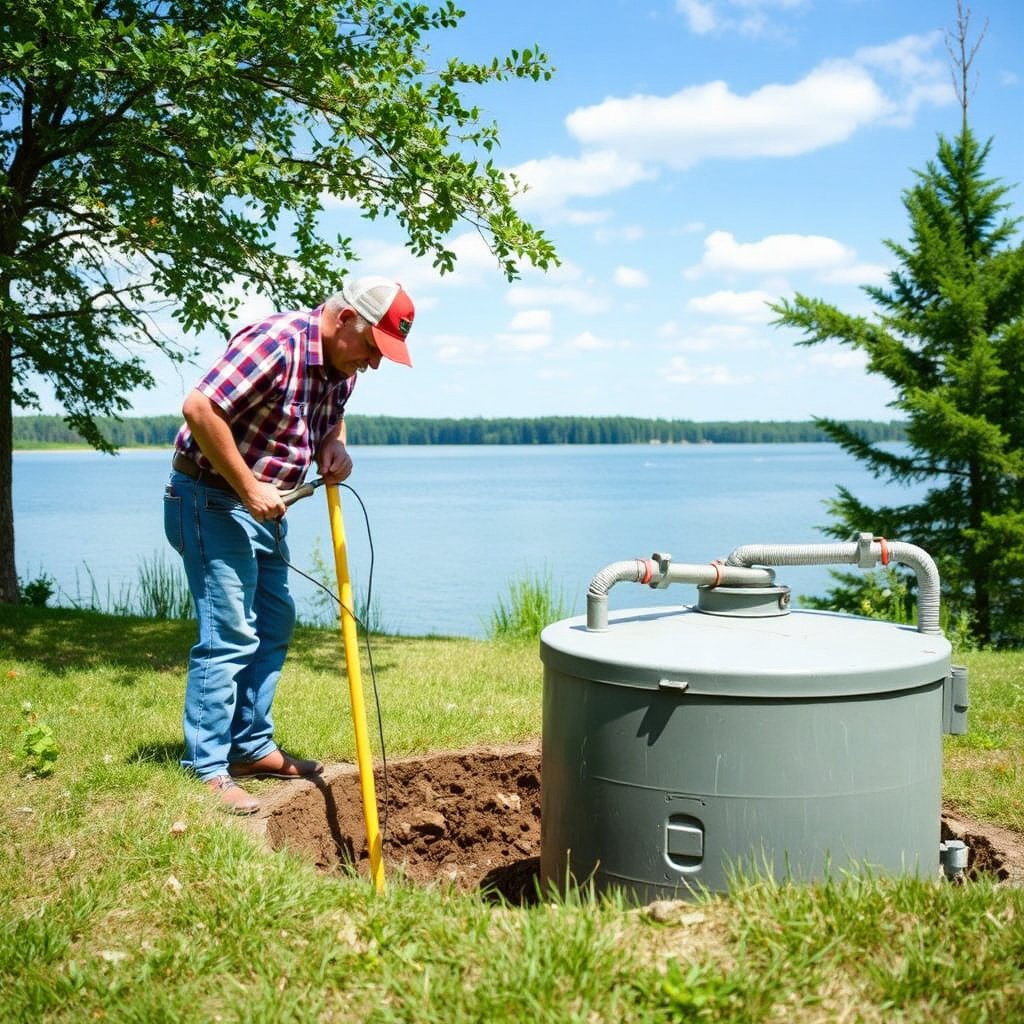
Routine Care and Inspection
Septic systems need regular inspections, typically every 3-5 years, and periodic tank pumping to remove settled sludge. Neglecting maintenance can lead to costly failures and environmental hazards, especially important near sensitive lake ecosystems.
Homeowners should also monitor water usage habits and avoid flushing harsh chemicals or non-biodegradable materials that could damage the system’s balance.
- Schedule professional inspections every 3-5 years
- Pump tanks every 3-7 years depending on household size
- Conserve water to reduce strain on the system
For more on this, see our related guide: Is It Better to Buy a Condo or a House at the Lake? A Practical Guide.
Signs of Septic System Problems
Common warning signs include slow draining sinks or toilets, foul odors around the property, and unusually lush vegetation near the drain field, which can signify leakage.
Early identification and repair of issues help prevent contamination of the lake and costly home repairs, so prospective buyers should consider thorough septic inspections before purchase.
- Slow drains and backups inside the home
- Bad smells around the septic tank or leach field
- Soggy or overly green lawn areas in the drain field zone
Legal and Environmental Regulations Affecting Septic Systems

Local Ordinances and Permitting
Missouri and local Lake of the Ozarks jurisdictions enforce septic system codes to safeguard groundwater and lake water quality. Permits for system installations, replacements, and upgrades often require soil tests and adherence to setbacks from water bodies.
Buyers must verify compliance with these rules, as violations can result in fines or mandatory system upgrades.
- Requirement for setback distances from lakes and wells
- Mandatory permits and inspections before system installation
- Regulatory oversight from county health departments
Protecting Lake Water Quality from Septic Use
Septic systems near Lake of the Ozarks are designed and managed to minimize nutrient runoff and protect the lake's ecosystem. Proper system selection and maintenance are critical in reducing risks of nitrogen and phosphorus pollution.
Environmental agencies monitor septic-related impacts and may impose stricter standards in sensitive shoreline zones to preserve water clarity and aquatic life.
Septic Systems and Home Buying at Lake of the Ozarks
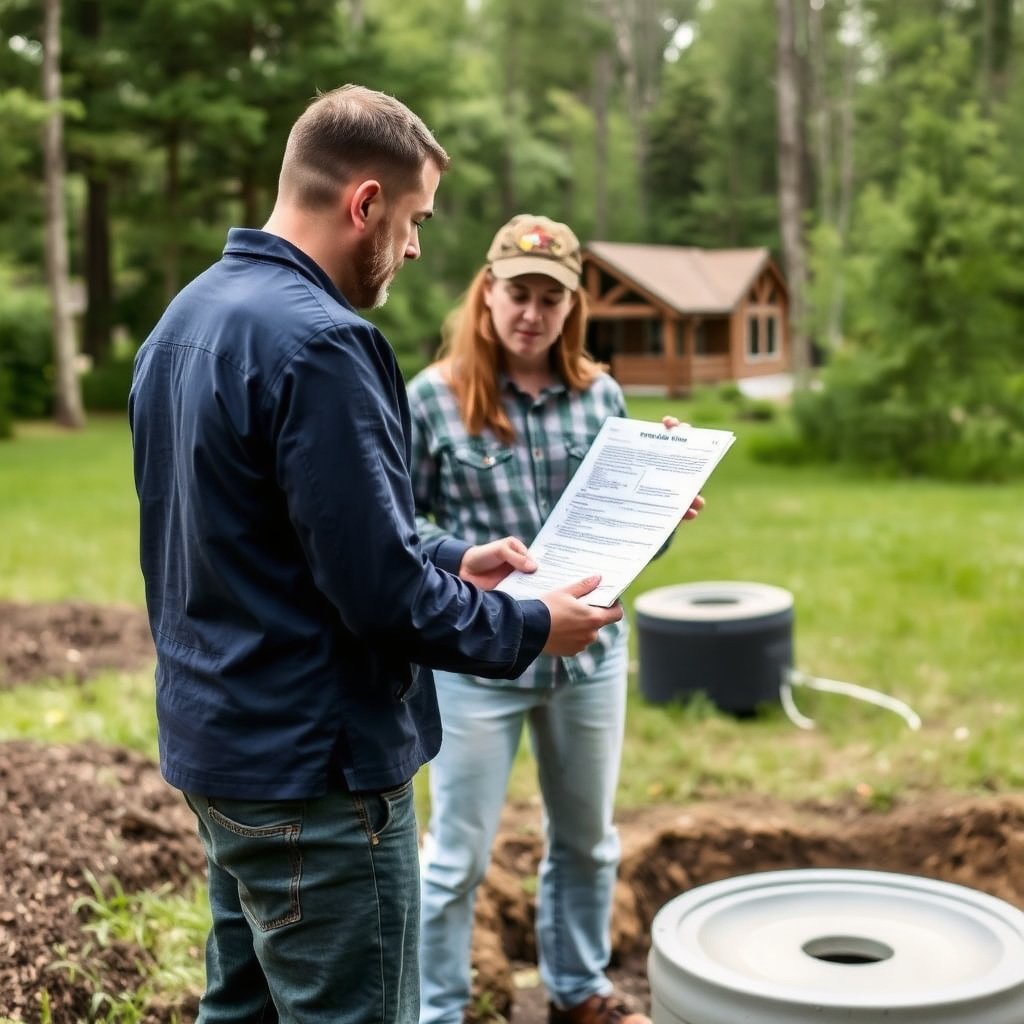
What Buyers Should Inspect Regarding Septic Systems
A thorough septic inspection is a must during the home-buying process at Lake of the Ozarks. This includes verifying the tank condition, drainage field performance, and any history of repairs or failures to avoid unexpected expenses.
Buyers should also ask for permits and maintenance records to assess system age and compliance with local rules.
- Check septic tank material and condition
- Examine leach field health and spacing
- Review maintenance and repair documents
For more on this, see our related guide: How to Build a Lake House: A Step-by-Step Guide for Your Dream Retreat.
Impact of Septic Systems on Property Value and Resale
Properties with well-maintained septic systems generally maintain good market value and appeal to buyers aware of rural infrastructure realities.
Conversely, failing or undersized systems can decrease property desirability. Accurate septic knowledge helps price properties fairly and manage renovation budgets for Lake of the Ozarks real estate.
- Septic condition can enhance or diminish property attractiveness
- Upgrading old systems may boost home value
- Disclosure of septic status is legally required during sale
Alternatives to Septic Systems at Lake of the Ozarks

Areas With Municipal Sewer Connections
Certain Lake of the Ozarks neighborhoods near towns like Osage Beach have municipal sewer service, allowing homes to connect to central treatment instead of individual septic systems.
These connections can simplify maintenance and possibly increase home values but often come with higher utility fees and require proximity to existing sewer lines.
For a detailed overview of how septic systems function along with related regulations, this page provides valuable foundational information. Septic system basics and regulations.
Emerging Technologies and Community Systems
Some newer developments or lake communities use cluster septic systems or package treatment plants shared among groups of homes, improving efficiency and environmental safeguards.
Innovations in wastewater management at Lake of the Ozarks may expand options for buyers seeking alternatives to traditional septic tanks.
- Cluster systems treat wastewater from several homes collectively
- Package plants provide advanced treatment on-site
- Potential for future municipal expansion with growth
Comparing Septic System Types for Lake of the Ozarks Homes
Here is a comparison of common septic system types used around Lake of the Ozarks based on cost, maintenance, and suitability.
| Septic System Type | Initial Cost | Maintenance Frequency | Suitability |
|---|---|---|---|
| Conventional Septic | $3,000–$7,000 | Every 3-5 years | Good soil and space availability |
| Mound System | $10,000–$20,000 | Every 2-3 years | Poor soil or high water table areas |
| Aerobic Treatment Unit | $7,000–$15,000 | Quarterly inspections | Sites with limited drain field space |
| Cluster System | $20,000+ (shared cost) | Depends on system | New developments or community setups |
Frequently Asked Questions
Are septic systems common for all homes at Lake of the Ozarks?
While many homes rely on septic systems due to limited sewer access, some neighborhoods near towns have municipal sewer services. Septic is predominant especially in rural and lakefront areas.
How often should septic tanks be pumped at Lake of the Ozarks?
Generally, septic tanks should be pumped every 3 to 7 years depending on household size and usage to prevent system overload and failure.
Can a failed septic system impact lake water quality?
Yes, a failing septic system can leak nutrients and contaminants that harm the lake’s ecosystem, making proper maintenance critical near Lake of the Ozarks.
Do home inspections at Lake of the Ozarks always include a septic inspection?
A septic inspection is recommended but not always included in standard home inspections, so buyers should specifically request it for properties with septic systems.
What alternatives exist if a septic system is not feasible on a property?
Alternatives include connecting to municipal sewer lines if available, installing advanced treatment units, mound systems, or joining cluster septic systems depending on regulations and site conditions.
Key Takeaways
- Most Lake of the Ozarks homes have septic systems due to limited sewer infrastructure.
- Septic type and condition can significantly affect home maintenance and value.
- Regular inspections and pumping are vital to prevent costly repairs and lake pollution.
- Buyers should prioritize septic inspections when evaluating lakefront real estate.
Conclusion
When considering a home at Lake of the Ozarks, understanding the septic systems in place is essential for making a sound real estate investment. Since municipal sewage connections are limited, septic tanks and associated wastewater solutions form the backbone of property services. Evaluating the type, age, and maintenance history of a septic system reveals much about potential future costs and environmental responsibility. A well-maintained system supports sustainable homeownership and preserves the natural beauty of the lake area.
For buyers planning to live or invest in the Lake of the Ozarks area, it’s wise to review various septic options based on property location and soil conditions. Conventional septic systems are common and cost-effective where soil permits, while mound or aerobic systems may be necessary in challenging landscapes. Neighborhoods with municipal sewer access offer an alternative but often at a premium. Considering these factors alongside septic system inspections will help align expectations and budgets with the realities of Lake of the Ozarks real estate.
Ultimately, a practical next step is to engage professional septic inspectors and local health departments early in your home search. This will clarify septic system compliance and performance, safeguarding your purchase. By carefully weighing septic system implications, buyers can enjoy their Lake of the Ozarks home with confidence in efficient wastewater management and environmental care.





One Comment