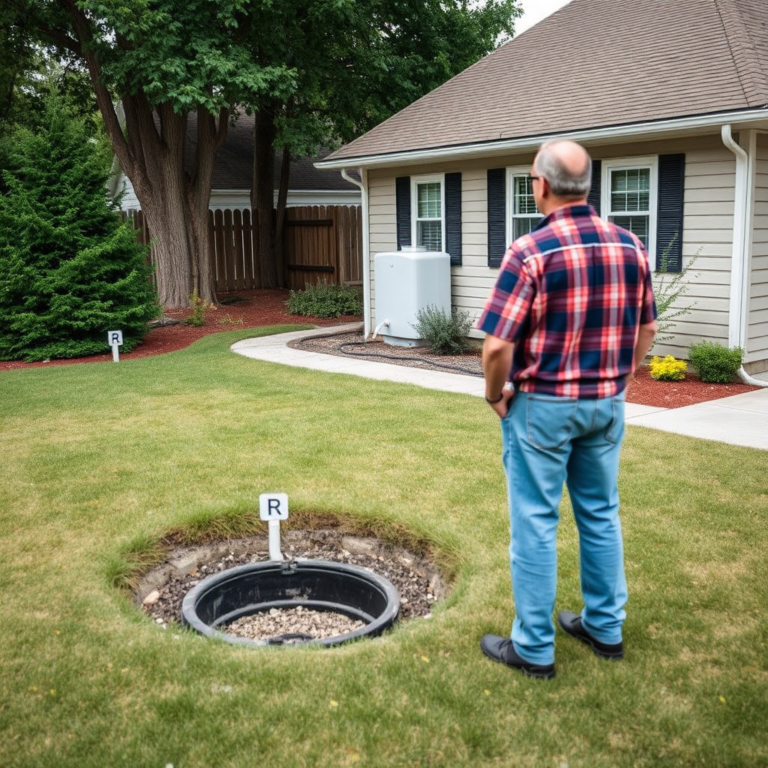
What Is a Septic System? Understanding How It Works and Why It Matters
A septic system is an underground wastewater treatment structure commonly used in rural areas without access to centralized sewer systems. It collects, treats, and disposes of household wastewater safely on-site, preventing contamination and protecting the environment.
Septic systems matter because they handle all wastewater from toilets, showers, sinks, and appliances. Proper functioning prevents health hazards and groundwater pollution. Understanding how a septic system operates helps homeowners maintain it and avoid costly repairs or environmental damage.
This article will cover the main components of a septic system, how wastewater is treated, typical installation methods, maintenance practices including septic tank maintenance tips, common problems, inspection guidelines, and a comparison of system types.
Understanding the Main Components of a Septic System
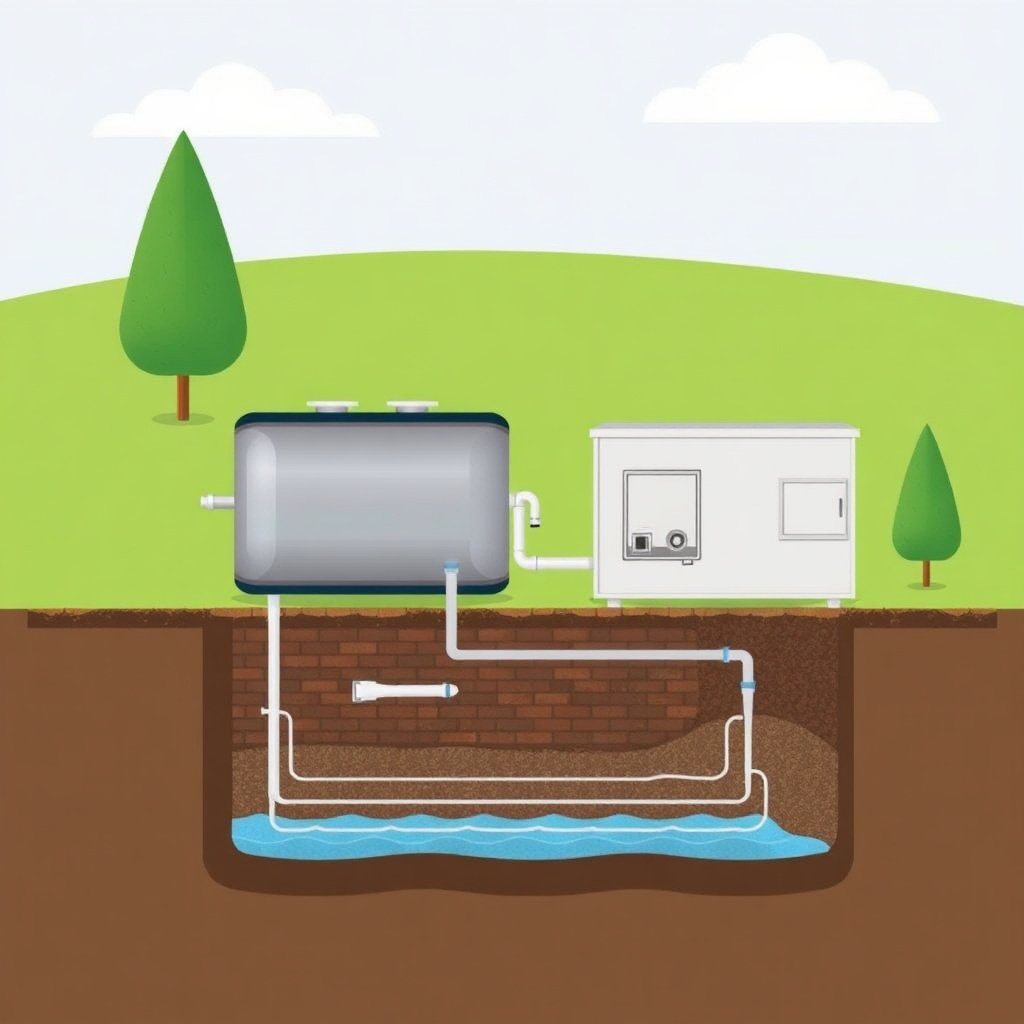
Septic Tank Function and Design
The septic tank is a watertight container, usually made of concrete, fiberglass, or plastic, buried underground near the home. Its primary role is to hold wastewater long enough for solids to settle to the bottom as sludge while oils and grease float to the top as scum.
Bacteria in the tank partially decompose solids, helping reduce volume. Tanks generally range from 750 to 1500 gallons, sized based on household water usage. Regular pumping removes sludge and scum that can't decompose.
- Tank size typically 750-1500 gallons
- Material options: concrete, fiberglass, or plastic
- Separation of sludge, scum, and liquid effluent
Drain Field and Soil Absorption
Effluent, the liquid from the septic tank, flows to the drain field (or leach field) where it is distributed through perforated pipes into a bed of gravel and native soil. The soil filters and treats the effluent by removing harmful bacteria and nutrients.
The drain field must be designed with suitable soil conditions to prevent pooling or contamination. It relies on natural processes like microbial activity and soil absorption to clean wastewater before it reaches groundwater.
- Perforated pipes distribute effluent evenly
- Gravel bed enhances filtration
- Soil type and permeability critical for system success
How Wastewater Is Treated in a Septic System
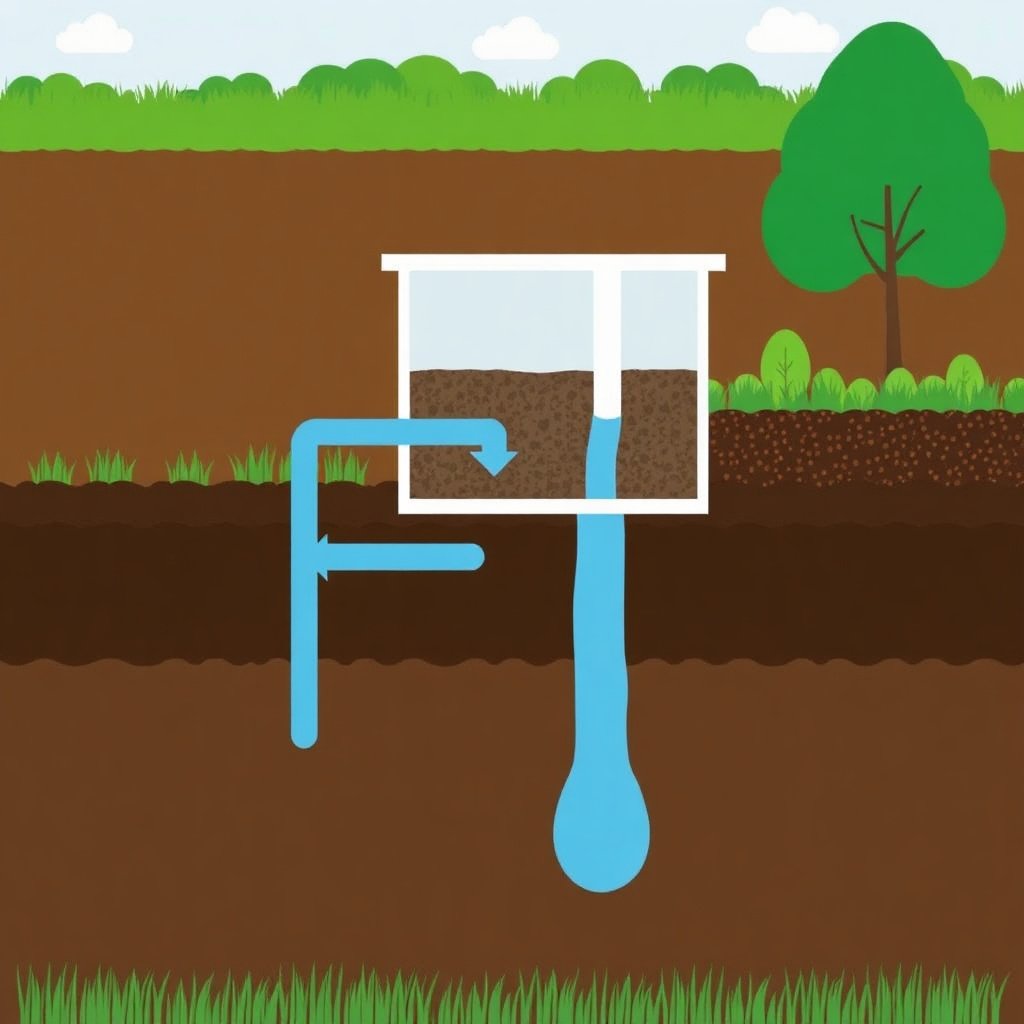
Primary Treatment Inside the Septic Tank
When wastewater enters the septic tank, solids sink, and grease floats, allowing clear liquid effluent to exit. Microorganisms break down organic matter anaerobically, reducing sludge volume. This phase removes most solids but doesn’t completely purify wastewater.
Regular inspections and pumping are necessary because sludge accumulation reduces tank effectiveness and can lead to backups or system failures.
Secondary Treatment in the Drain Field
Once in the drain field, aerobic bacteria in the soil further decompose organic material while soil particles filter out pathogens and nutrients. This natural purification protects groundwater quality and prevents contamination.
Proper design and maintenance of the drain field prevent saturation, which can cause untreated wastewater to surface or seep into water sources, posing health hazards.
Installation and Site Requirements for Septic Systems
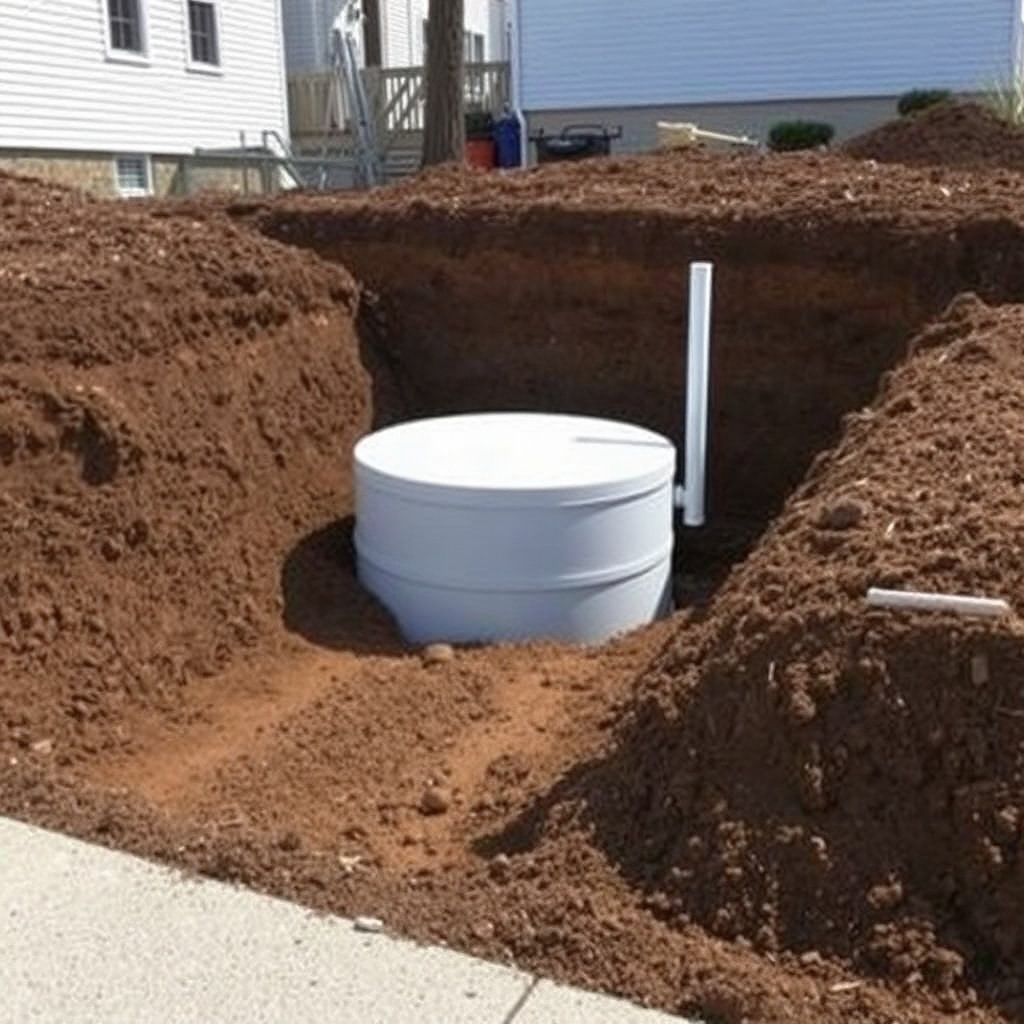
Site Evaluation and Soil Testing
Before installation, soil testing (percolation tests) determines how quickly water drains and how suitable the soil is for a drain field. Rocky, sandy, or clay soils influence system design.
A licensed professional assesses lot size, groundwater level, and distance from wells or water bodies to comply with health regulations and prevent contamination.
- Percolation tests to assess drainage
- Setbacks from wells and water sources
- Evaluation of soil type and depth
For more on this, see our related guide: Do Lake of the Ozarks Homes Have Septic Systems? What Buyers Should Know.
Installation Process and Materials
Excavation prepares the site for the septic tank and drain field. The tank is placed below the frost line for protection, and drain field trenches filled with gravel and perforated pipe are carefully angled for drainage.
Materials must be durable and resistant to corrosion or damage. Proper installation ensures system longevity and efficient wastewater treatment.
- Tank installation below frost depth
- Use of durable piping and tank materials
- Correct trench slope and gravel sizing
Maintenance Practices and Septic Tank Maintenance Tips

Routine Inspection and Pumping
Septic tanks require inspection every 1 to 3 years with pumping every 3 to 5 years depending on household size and tank volume. Pumping removes accumulated sludge and scum that cause system backups.
Frequent inspection helps catch leaks, cracks, or failing components early to avoid costly repairs and environmental damage.
- Inspect tank and system annually or biannually
- Pump sludge and scum every 3–5 years
- Monitor water usage to avoid overloading
Tips to Extend Septic System Life
Avoid flushing non-biodegradable items, grease, or harsh chemicals that disrupt bacterial action. Divert roof drains and surface water away from the drain field to prevent saturation.
Moderate water use, repair leaks, and prevent heavy equipment from driving over the system to protect its integrity.
- Do not flush wipes or grease
- Divert rainwater from system area
- Limit water use during peak times
Common Problems and Troubleshooting Septic Systems
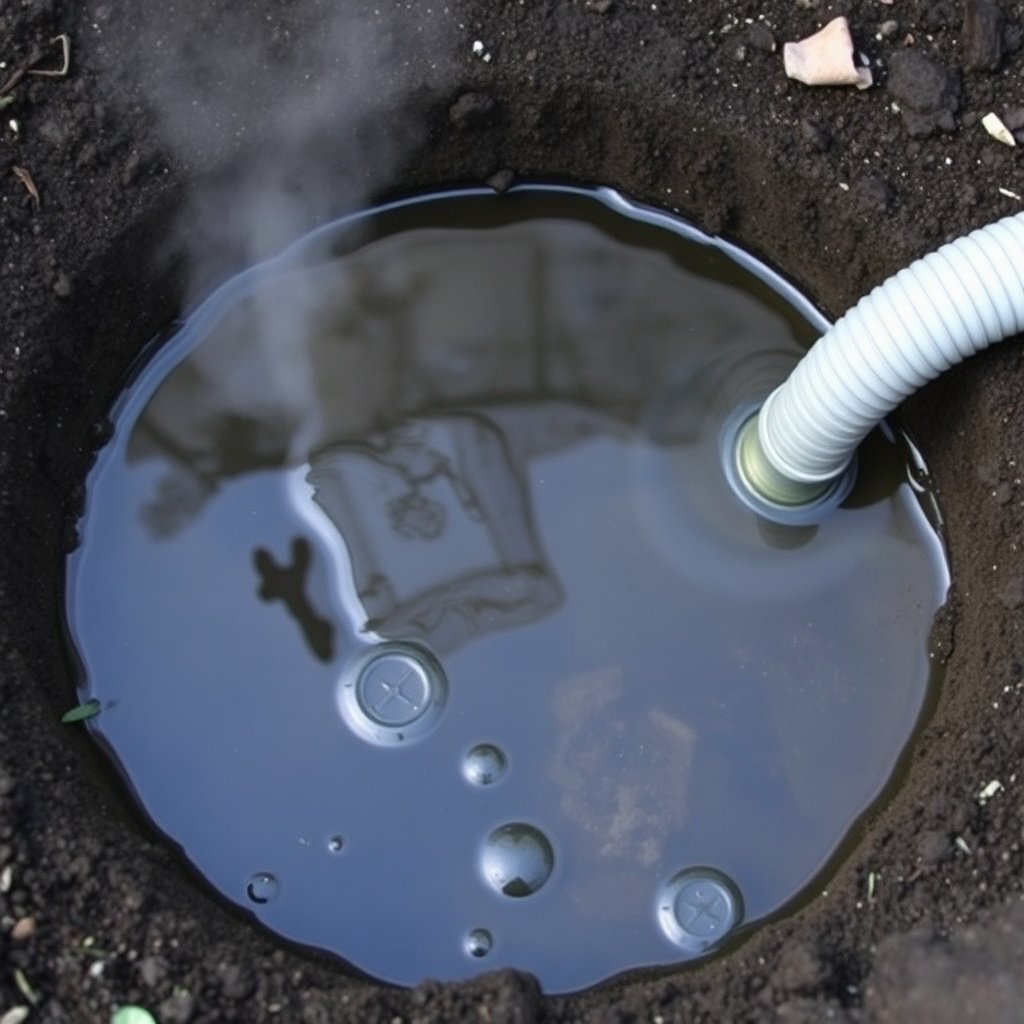
Signs of Septic System Failure
Pooling water, sewage odors near the drain field, slow drains inside the home, or backups indicate system problems. These symptoms suggest blocked pipes, saturated drain fields, or tank failure requiring prompt attention.
Ignoring signs increases risk of environmental contamination and costly repairs.
For more on this, see our related guide: How Much Does a Septic System Cost? A Detailed Breakdown.
Diagnosing and Fixing Common Issues
A professional can perform dye tests, camera inspections, or soil evaluations to identify failures. Solutions range from pumping, repairing pipes, or replacing the drain field depending on severity.
Regular monitoring can prevent many failures and extend system lifespan.
Inspecting and Upgrading Older Septic Systems
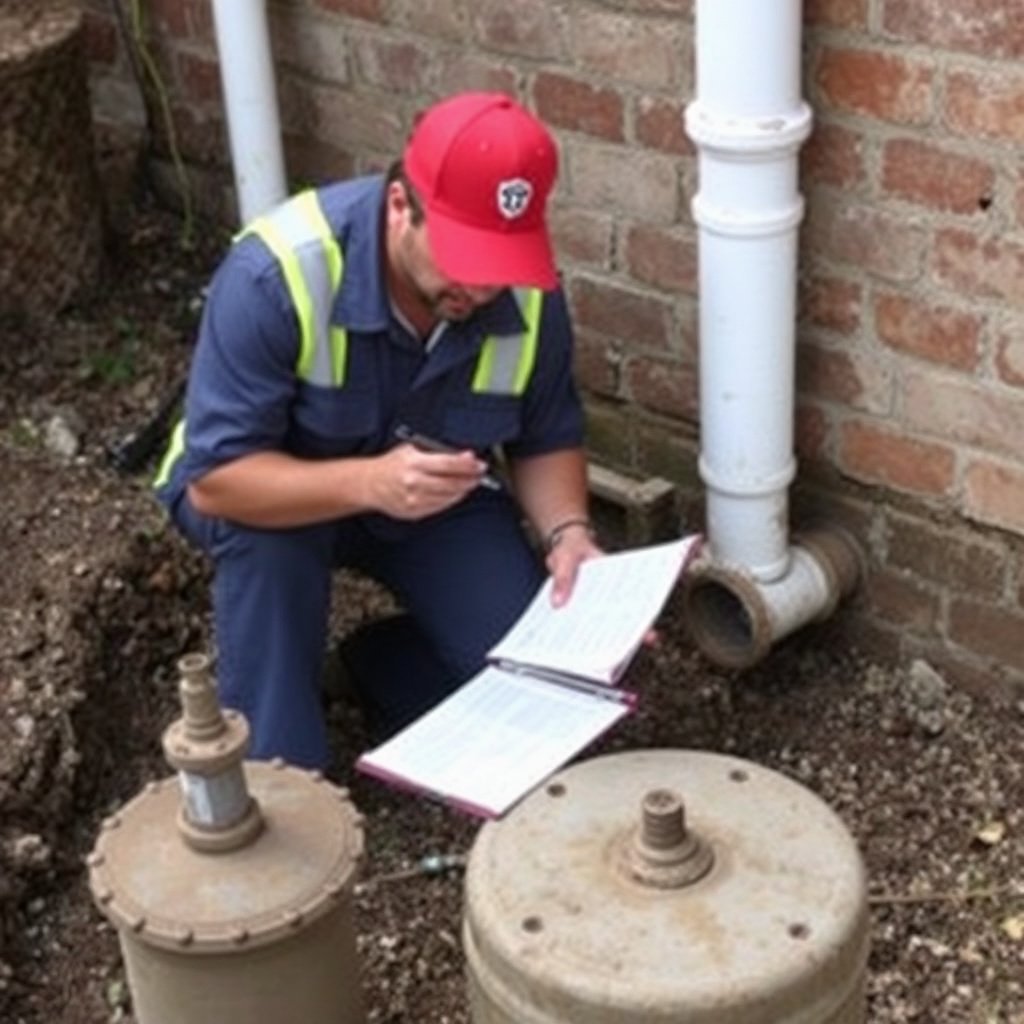
When to Inspect and What to Look For
Older septic systems should be inspected during property sales or if there are recurring issues. Look for tank cracks, corroded pipes, deteriorated baffles, and drain field performance problems.
Proactive inspection helps assess system health and informs decisions about repairs or upgrades.
For a detailed overview and technical background, you can refer to septic system basics on Wikipedia. Septic system basics on Wikipedia.
Options for Upgrading or Replacing Systems
Upgrading may involve installing advanced treatment units, larger tanks, or new drain fields depending on local regulations, household needs, and soil conditions.
Replacing the system can improve wastewater treatment and property value but requires permits and professional design.
- Install aerobic treatment units
- Expand or relocate the drain field
- Upgrade tank size for increased demand
Types of Septic Systems Category Comparison
This table compares common septic system types by cost, maintenance complexity, and suitability for property types.
| System Type | Typical Cost | Maintenance Frequency | Best For | Advantages |
|---|---|---|---|---|
| Conventional Gravity System | $3,000–$7,000 | Inspect annually, pump every 3–5 years | Properties with suitable soil and space | Simple design, low energy use |
| Aerobic Treatment Unit | $10,000–$20,000 | Regular maintenance and monitoring | Small lots, poor soil conditions | Improved treatment, smaller drain field |
| Mound System | $8,000–$15,000 | Regular inspection, slightly more frequent pumping | High water tables or shallow soil | Effective in challenging sites |
| Recirculating Sand Filter | $12,000–$25,000 | Ongoing maintenance and controls | Homes near sensitive water bodies | Superior effluent quality |
| Chamber System | $4,000–$8,000 | Similar to gravity system | Areas with limited gravel availability | Easy installation, good effluent flow |
Frequently Asked Questions
How often should I pump my septic tank?
Most households require pumping every 3 to 5 years depending on tank size and usage. Regular pumping prevents buildup that can cause backups and system failure.
Can I use a garbage disposal with my septic system?
Using a garbage disposal increases solids entering the tank, requiring more frequent pumping. Many experts recommend minimizing or avoiding disposals to reduce maintenance.
What household chemicals harm a septic system?
Harsh chemicals like bleach, drain cleaners, and antifreeze can kill beneficial bacteria in the tank and disrupt wastewater treatment, leading to system issues.
How can I tell if my drain field is failing?
Look for soggy soil, pooling water, foul odors near the drain field, or slow draining fixtures. These signals suggest saturation or clogging in the soil absorption area.
Is it possible to install a septic system on a small lot?
Yes, but system type and design must be tailored to the lot size, soil conditions, and local regulations. Aerobic treatment or mound systems are common options for small lots.
Key Takeaways
- A septic system treats household wastewater onsite using a tank and drain field.
- Proper design depends on soil conditions, site evaluation, and regulations.
- Routine inspections and septic tank maintenance tips extend system lifespan.
- Recognizing system failure signs helps avoid costly damage and pollution.
Conclusion
Understanding what a septic system is and how it operates is essential for any homeowner relying on onsite wastewater treatment. The system’s effectiveness depends on key components: the septic tank for initial solid-liquid separation and the drain field for soil-based filtration. Attending to maintenance by scheduling regular inspections and pumping, following septic tank maintenance tips, and using water wisely supports system function and environmental safety. Identifying common problems early, such as slow drains or odors, can prevent expensive repairs and contamination risks.
Different types of septic systems offer solutions depending on property size, soil conditions, and local restrictions. Conventional gravity systems are economical for good soil sites, whereas aerobic treatment units and mound systems accommodate small lots or challenging environments. Selecting a system involves balancing upfront costs, maintenance complexity, and treatment quality. In all scenarios, following installation standards and adhering to maintenance schedules ensures long-term reliability and groundwater protection.
If you suspect your system needs assessment or upgrade, contact a licensed septic professional promptly to perform evaluations and recommend appropriate actions. Being proactive with inspections and septic tank maintenance tips keeps your home safe, protects natural resources, and maintains your investment. Learning about septic systems empowers homeowners to make smarter decisions and confidently manage their wastewater treatment needs.