How to Get a Dock Permit: A Step-by-Step Guide for Waterfront Property Owners
Obtaining a dock permit involves submitting a formal application to your local or state permitting authority, along with detailed plans outlining your proposed dock's location and specifications. Typically, you'll need to meet environmental regulations and zoning laws before receiving approval to construct or modify a dock on waterfront property. This permits authority ensures that docks do not harm the ecosystem or interfere with other waterway users.
Getting a dock permit matters because it helps prevent legal complications and fines that can arise from unauthorized construction. It also safeguards the surrounding environment by ensuring projects comply with regulations addressing shoreline stability, fish habitats, and water quality. Navigating this process properly saves time and money by avoiding costly rework or removal.
This article will explain the key steps involved in how to get a dock permit, including researching local requirements, preparing your application, understanding typical fees and timelines, and what to expect throughout the approval process. You will also find advice on working with regulatory agencies and tips to help your application succeed.
Understanding Dock Permit Requirements
Local and State Regulations
Dock permits are governed by multiple layers of regulation, including local city or county zoning codes and state environmental agencies. Regulations differ widely based on location, with considerations for waterway type, protected species, and navigational rights. Checking with the local planning department and state natural resources office is an essential first step.
Many states have specific rules about dock size, type, and construction materials to minimize ecological impact. Some jurisdictions require environmental impact assessments or public notices before approval is granted.
- Zoning restrictions on dock placement
- Waterway classification and protected zones
- Materials allowed for dock construction
- Environmental impact assessments
Environmental Considerations
Environmental factors play a pivotal role in the dock permit application process. Regulatory agencies assess potential impacts on fish spawning areas, wetlands, and water quality to protect aquatic ecosystems. Applicants must often provide detailed site plans showing minimal disturbance to shoreline vegetation and substrate.
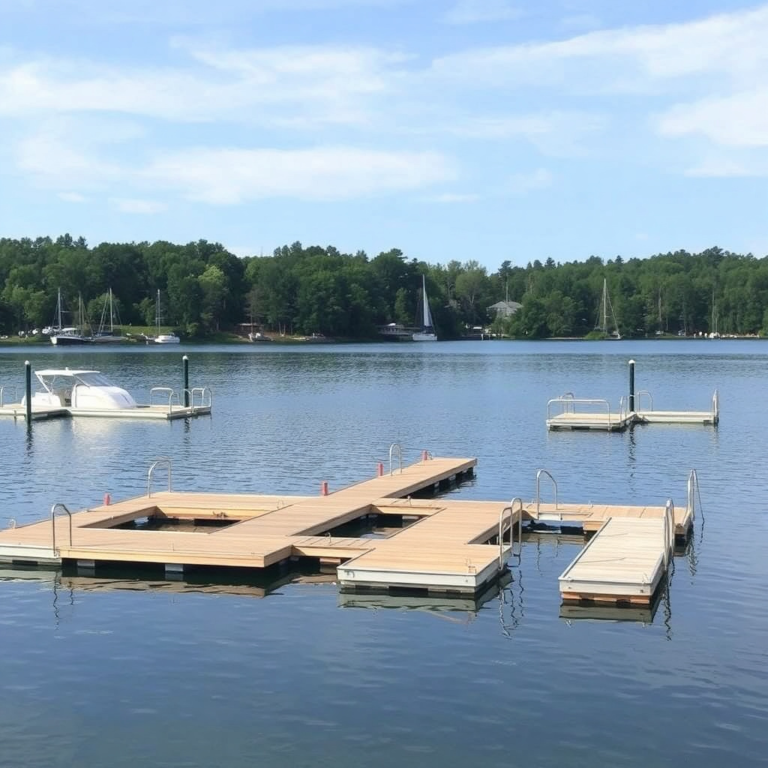
Mitigation measures may be required, such as using floating docks to reduce seabed disruption or limiting dock length. Failure to address these considerations can result in permit denial or costly conditions.
- Assessment of aquatic habitats
- Mitigation for shoreline erosion
- Water quality impact evaluation
- Use of environmentally friendly materials
Preparing Your Dock Permit Application

Required Documentation and Plans
Applications typically require detailed site plans including dock dimensions, location on the property, and construction materials. Survey maps showing property boundaries and water depths are also common requirements. If available, professional engineering or architectural drawings enhance your submission's credibility.
Other documents often requested include property deeds, evidence of ownership, and erosion control measures. Accurate and thorough documentation expedites the review process and reduces the chance of additional information requests.
- Site and survey plans with dock layout
- Material specifications and construction details
- Proof of property ownership
- Erosion and sediment control plans
Filling Out the Application Forms
Application forms vary by jurisdiction but generally require basic contact information, project descriptions, and declarations of compliance with relevant regulations. Be sure to read instructions carefully and provide truthful, complete information to avoid delays.
Some agencies offer online submission portals with step-by-step guidance for the dock permit application process, which can simplify tracking and communication.
Navigating the Approval Process

Review and Public Comment Period
Once your application is submitted, it enters a review phase where agency staff evaluate compliance with zoning, environmental, and safety standards. Many permitting bodies also require a public notice or comment period to inform neighbors and stakeholders.
This review can take several weeks or months, depending on project complexity and agency workload. Applicants should be prepared to respond to requests for additional information promptly.
For more on this, see our related guide: How to Get a Dock Permit at Lake of the Ozarks: A Step-by-Step Guide.
Inspection and Final Approval
Some jurisdictions conduct site inspections before issuing a permit to confirm that proposed plans align with actual conditions. Upon satisfactory review and response to any concerns, a dock permit is issued along with any conditions or limitations that must be followed during construction.
Permit holders must carefully adhere to all permit terms to avoid penalties or revocation.
Costs and Timeframes for a Dock Permit

Typical Fees Associated with Dock Permits
Dock permit fees vary significantly based on location, the scope of the project, and required environmental reviews. Fees may range from a few hundred to several thousand dollars, funding the administrative and inspection processes.
Be prepared for additional costs like engineering reports or mitigation requirements if mandated by the permitting authority.
- Submission fees
- Review and inspection charges
- Environmental assessment costs
- Possible mitigation expenses
Average Processing Timelines
Processing times for dock permits typically span from one to six months, depending on regulations and project complexity. Simple, compliant projects in less regulated areas may see faster approvals, while those near sensitive ecological zones will take longer.
Early communication with agencies can help anticipate timing and reduce surprises.
Tips for a Successful Dock Permit Application

Working with Regulatory Agencies
Building a positive relationship with permitting staff by seeking guidance before submission can improve your chances. Many agencies appreciate proactive applicants who clarify questions and provide complete information upfront.
Attend local public meetings or workshops related to waterfront development to better understand expectations and connect with officials.
For more on this, see our related guide: Do Lake of the Ozarks Homes Come with a Dock? What Buyers Need to Know.
Avoiding Common Application Pitfalls
Common errors include incomplete plans, failure to meet environmental standards, or misunderstandings of zoning rules. Double-check your submission for accuracy and compliance, and consider consulting professionals experienced with the dock permit application process.
Missteps often delay approvals or cause outright denial, increasing project costs and timelines.
Post-Permit Responsibilities and Compliance
Construction According to Approved Plans
After receiving your dock permit, construction must strictly follow the approved plans and permit conditions. Deviations risk penalties and may require reapplication or removal of noncompliant structures.
Document progress and maintain communication with regulators during the build phase to reduce issues.
For an overview of dock construction regulations and common practices, the Wikipedia page on docks offers a reliable starting point. dock construction regulations.
Maintaining Your Dock Permit
Some permits require renewals or ongoing inspections to verify continued compliance, especially for temporary docks. Be aware of any expiration dates and responsibilities set by your permitting agency.
Proper maintenance of environmental protections can prevent future enforcement actions and preserve your waterfront investment.
Dock Permit Types and Their Distinctions
This table compares common dock permit categories, highlighting key differences in application requirements, fees, and typical approval timelines.
| Permit Type | Typical Fees | Approval Timeframe | Key Requirements |
|---|---|---|---|
| Residential Private Dock | $300 – $1,000 | 1-3 months | Simple site plan, property ownership proof |
| Commercial Dock | $1,000 – $5,000 | 3-6 months | Environmental assessments, detailed engineering |
| Temporary Dock | $100 – $500 | 2-4 weeks | Limited duration, less environmental review |
| Public Access Dock | $2,000 – $10,000 | 4-8 months | Extensive public input, regulatory compliance |
| Floating Dock | $500 – $2,000 | 1-4 months | Material specifications, minimal seabed impact |
Frequently Asked Questions
Do I always need a permit to build a dock?
Most jurisdictions require a permit to build a dock due to environmental and safety regulations. Even small or temporary docks often need approval to ensure compliance with local laws.
How long does it take to get a dock permit approved?
Dock permit approval times vary but generally range from a few weeks for simple projects to several months for complex or commercial docks.
Can I apply for a dock permit online?
Many permitting agencies offer online applications, but availability depends on your location. Check your local government’s website for specific submission options.
What factors can cause a dock permit application to be denied?
Common reasons include environmental harm risks, zoning conflicts, incomplete applications, or objections during the public comment period.
Are there fees beyond the initial dock permit application?
Yes. Additional fees may include environmental reviews, inspections, mitigation measures, and permit renewals depending on the project scope.
Key Takeaways
- Dock permits require careful adherence to local and state regulations.
- Environmental factors significantly influence the dock permit application process.
- Thorough documentation and clear applications speed approval times.
- Communicating with agencies improves chances of a successful permit.
Conclusion
Successfully acquiring a dock permit hinges on understanding and following the specific regulations that apply to your waterfront property. This involves careful preparation of site plans, compliance with environmental and zoning laws, and timely communication with permitting authorities. By approaching the application methodically, you avoid delays and legal issues, allowing your dock project to proceed smoothly.
Choosing the right type of dock permit depends largely on your intended use—whether for private residential purposes, commercial operations, or temporary installations. For straightforward residential docks, submissions typically require less documentation and move faster, whereas commercial and public docks demand extensive environmental assessments and public engagement. Knowing these distinctions early helps tailor your application and expectations.
If you are considering installing or modifying a dock, start by consulting your local planning department or state natural resource agency. Gather all necessary documentation, follow application instructions carefully, and remain responsive during the review process. Equipped with this knowledge, you can confidently manage the dock permit application process and bring your waterfront vision to life.