How to Stage a Vacation Home for a Quick and Profitable Sale
To stage a vacation home successfully, focus on creating an inviting atmosphere that highlights the property’s best features while appealing to potential buyers’ desire for relaxation and comfort. Key steps include decluttering, enhancing natural light, and styling rooms with tasteful, neutral decor that evokes a getaway vibe. Effective staging emphasizes the property’s unique selling points like views, outdoor spaces, and amenities to help buyers envision themselves enjoying the home.
Vacation homes often attract buyers looking for a reprieve from everyday life, so the way you present the space can significantly impact the sale's speed and final price. Staging transforms an empty or lived-in property into a vacation-ready retreat, making it stand out in a competitive market. Beyond visuals, it sets an emotional tone that connects with buyers’ vacation aspirations.
This article will guide you through the essential stages of vacation home staging, including planning, choosing furnishings, focusing on curb appeal, creating appealing outdoor spaces, and tailoring your approach based on the property's market and location. By the end, you will be equipped with practical strategies to make your vacation home irresistible to buyers.
Planning Your Vacation Home Staging Strategy
Understanding Your Target Buyer
Identifying who is most likely to purchase your vacation home helps tailor your staging approach. Consider factors such as the type of vacationers attracted to the location—whether families, retirees, or adventure seekers—as their preferences will dictate style, amenities, and layout priorities.
Research local market trends and recent sales to pinpoint what features resonate best. For example, a beach house may emphasize casual coastal décor and open indoor-outdoor living, while a mountain cabin might focus on rustic warmth and cozy touches.
Setting a Realistic Staging Budget
Estimate how much you can invest in staging versus expected return. A moderate budget typically covers deep cleaning, minor repairs, repainting, and renting furniture or décor as needed. Over-investing can diminish profit margins, so balance quality and cost.
Some expenses can be avoided with DIY projects or borrowing furniture from nearby properties. Prioritize impactful areas like living rooms and bedrooms that capture buyers’ attention most.
Preparing the Interior with Vacation Home Interior Design in Mind

Decluttering and Deep Cleaning
Remove personal items and excess furnishings to open up spaces and create a neutral canvas. Deep clean every corner from carpets to windows since a pristine environment increases perceived value.
Address minor repairs such as squeaky doors or chipped paint. Fresh caulking in kitchens and bathrooms helps present the home as well-maintained and ready for use.
Selecting Neutral and Relaxing Decor
Choose furniture and accents in soft, neutral tones to appeal broadly while suggesting comfort. Light blues, sandy beiges, and soft whites evoke calmness and tie to vacation environments. Avoid overly bold patterns or bright colors that might distract.
Incorporate natural elements such as woven rugs, driftwood accents, or greenery to enhance a laid-back vacation vibe. These design cues help potential buyers imagine rest and leisure.
Enhancing Curb Appeal to Attract Buyers

Refreshing Landscaping and Entryway
Trim overgrown bushes, plant bright flowers, and keep lawns neat to make a strong first impression. The entryway should be inviting and clutter-free, with the front door freshly painted or cleaned. Consider adding a cozy bench or potted plants for warmth.
Good lighting along the pathway highlights these efforts and boosts safety, especially important for homes showcased at dusk.
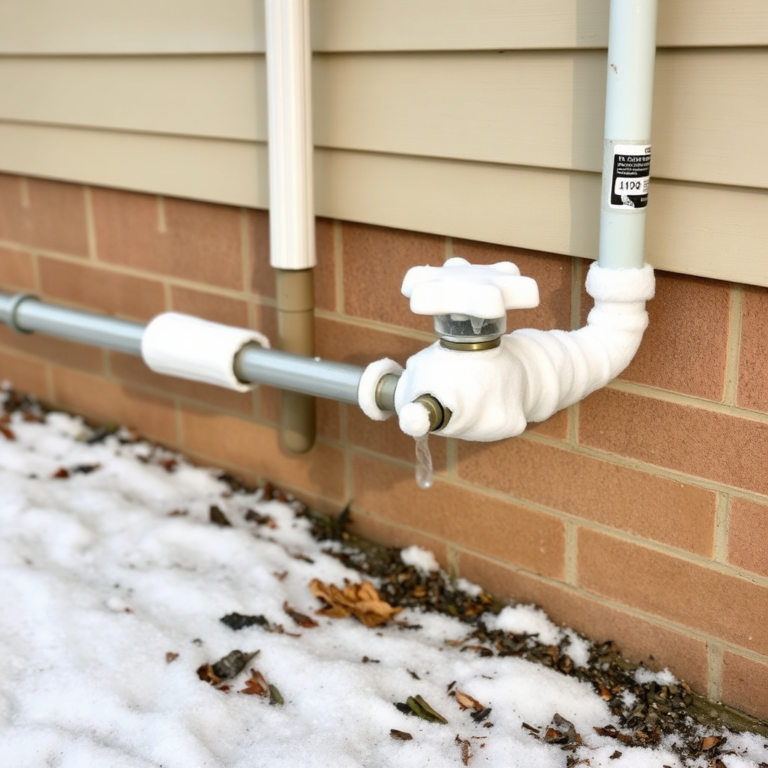
For more on this, see our related guide: How to Winterize a Lake House: A Complete Step-by-Step Guide.
Maintaining Exterior Surfaces
Power wash siding, decks, and patios to remove dirt and mildew. Repair broken railings, loose shingles, or faded trim. The exterior condition signals care and can reassure buyers about overall maintenance.
If the home has shutters, upgrading or painting them can refresh the facade’s look without major expense.
Creating Inviting Outdoor Living Spaces
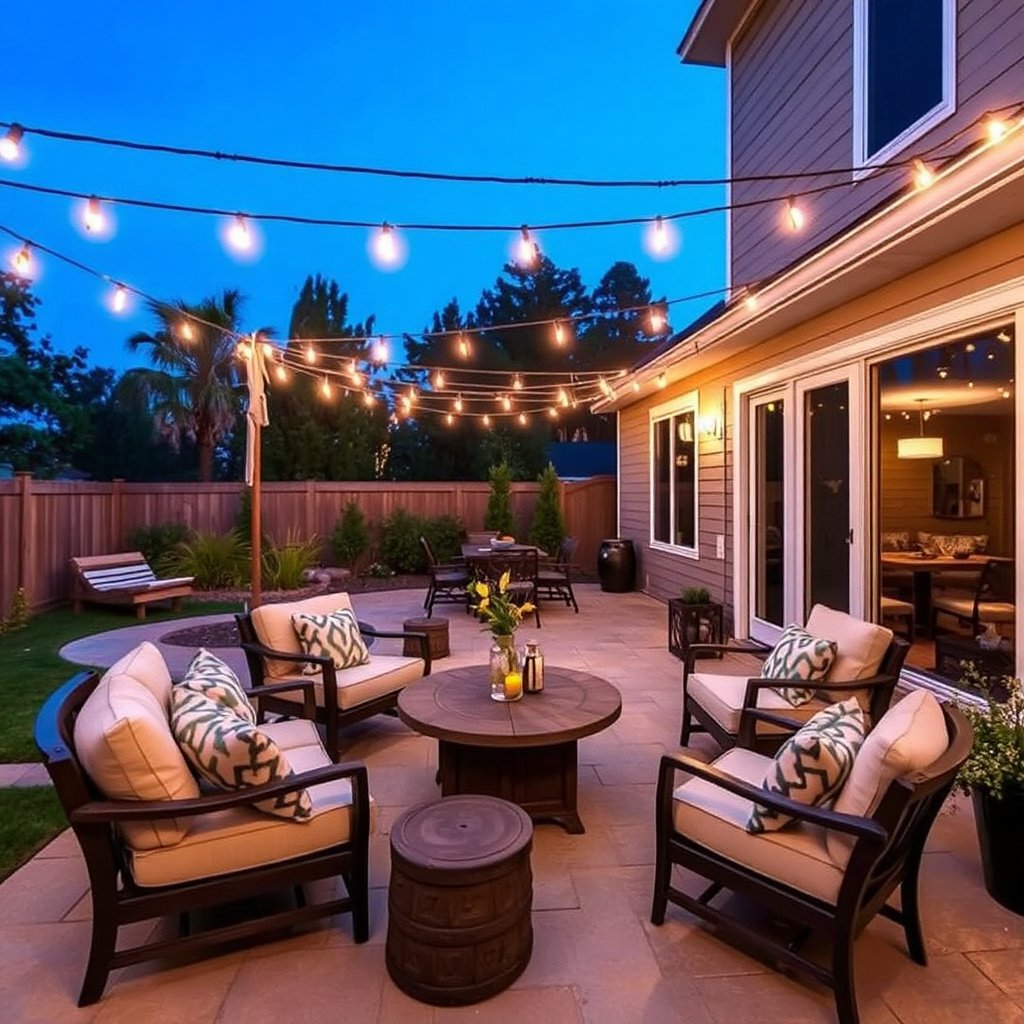
Furnishing Patios and Decks
Provide comfortable seating areas with weather-resistant furniture that invites relaxation and socializing. A dining set encourages outdoor meals, enhancing the vacation lifestyle appeal.
Add cushions and throws in coordinating colors to boost warmth and style, making these spaces feel like an extension of the indoors.
Incorporating Features That Enhance Vacation Appeal
Outdoor amenities such as fire pits, hammocks, or hot tubs elevate the home’s attractiveness and help buyers imagine memorable experiences.
Simple decorative touches like lanterns, potted plants, and outdoor rugs can tie the area together, fostering an inviting, getaway atmosphere.
Tailoring Staging to Market and Property Type

Beach Vacation Homes
Emphasize light, breezy colors combined with nautical elements such as shells or rope accents. Maximize views by arranging furniture to face windows or balcony doors.
Highlight easy care features like tile floors and durable fabrics resistant to sand and moisture.
Mountain Vacation Cottages
Use natural wood finishes, warm textiles, and stone accents to evoke coziness. Position furniture near fireplaces or windows that frame scenic vistas.
Incorporate rustic décor while keeping the overall look clean and uncluttered to balance charm and sophistication.
Using Photography and Marketing to Highlight Staging Efforts

Scheduling Professional Photos
High-quality images showcasing staged interiors and exterior spaces attract more online interest. Schedule the shoot during ideal daylight hours to maximize natural light and highlight the property’s best angles.
Include shots of unique features and outdoor living areas that make the vacation home stand out.
For further insights on home staging techniques and market trends, consult the guidance provided by the National Association of Realtors. Home Staging advice from the National Association of Realtors.
Crafting Compelling Property Descriptions
Use descriptive language that evokes lifestyle benefits such as relaxation, adventure, or family gatherings. Mention staging touches that create inviting spaces so buyers can mentally place themselves there.
Incorporate keywords like “vacation home interior design” naturally to improve search visibility.
Vacation Home Staging Approaches Compared
Here is a comparison of popular staging approaches to help you decide what fits your vacation home and budget.
| Staging Approach | Cost Range | Best For | Key Benefits |
|---|---|---|---|
| DIY Staging | Low ($100-$500) | Small budgets, hands-on sellers | Cost-effective, fully customizable, personal touch |
| Professional Staging | High ($1,000-$5,000+) | Larger properties, competitive markets | Expert design, fastest sales, higher offers |
| Partial Staging | Moderate ($500-$1,500) | Homes with good bones, limited budget | Focus on key rooms, improved appeal without full cost |
| Virtual Staging | Low to Moderate ($150-$600) | Empty homes, remote listings | Photo-enhanced marketing, no physical changes |
Frequently Asked Questions
How long does vacation home staging usually take?
Staging a vacation home typically takes one to three days for preparation and furnishing, depending on the home's size and condition. Professional staging may require less time on your part but involve scheduling and coordination.
Can I stage a vacation home if it’s fully furnished?
Yes, you can still stage a fully furnished vacation home by decluttering, rearranging furniture to maximize space and flow, and adding decorative touches that highlight its appeal to potential buyers.
Is it necessary to rent furniture for staging a vacation home?
Renting furniture is recommended if the home is empty or the current furnishings do not showcase the property well. It helps create a cohesive look aligned with buyers’ expectations for a vacation retreat.
How does outdoor staging affect a vacation home’s sale?
Outdoor staging enhances curb appeal and emphasizes leisure opportunities, which are critical for vacation homes. It makes the property feel like a complete retreat, positively influencing buyer interest and offers.
Do I need professional photos after staging?
Professional photos are highly beneficial after staging, as they capture the home’s transformed appearance clearly and attract more prospective buyers through listings and marketing materials.
Key Takeaways
- Create a neutral, inviting space that appeals broadly to vacation buyers.
- Enhance outdoor areas to showcase lifestyle benefits of the property.
- Tailor staging choices to the home’s location and target market.
- Invest in quality photos to highlight the staging and attract buyers.
Conclusion
Selecting how to stage your vacation home revolves around understanding what potential buyers want in a getaway space. Consider the local real estate market, the typical buyer’s profile, and your budget when planning your staging strategy. Emphasizing clean, comfortable, and well-maintained interiors and appealing outdoor environments sets the foundation for a successful sale and a quicker closing process. The goal is to help buyers picture themselves enjoying the property, creating a strong emotional connection that can turn into an offer.
For beach vacation homes, focus on airy, light colors and coastal motifs, while mountain properties benefit from warm, rustic finishes and cozy touches. Partial staging often strikes a balance between cost and impact, targeting vital rooms such as living and master bedrooms. Professional staging, although more expensive, can accelerate sales and increase offers significantly, especially in competitive markets. Choosing the right approach depends on your timeline and financial goals, but combining effective interior design with enhanced curb appeal consistently delivers results.
Once your vacation home is staged, next steps include scheduling professional photography to showcase the property’s best attributes and crafting thoughtful listing descriptions that highlight its appeal. These actions, paired with your staging investment, optimize buyer interest and position your home for a successful sale. Whether you decide on a DIY approach or hire experts, well-planned staging is a powerful tool to attract buyers and realize the full market potential of your vacation property.