How Long Does It Take to Sell a Lake House? A Detailed Timeline Guide
Selling a lake house typically takes between three to six months, but this can vary widely based on factors like location, market demand, pricing, and the property's condition. Some lake houses in high-demand areas may sell within weeks, while others can remain on the market for a year or more.
The time invested in selling a lake house matters because these properties often attract a niche group of buyers who seek specific lifestyle benefits or seasonal homes. Understanding the sales timeline helps owners prepare financial plans and marketing strategies that suit their unique circumstances.
This article will explore the main factors affecting how long it takes to sell a lake house, break down each phase of the selling process, compare different categories of lakefront properties, and answer common questions on selling a waterfront property effectively.
Factors Affecting How Long It Takes to Sell a Lake House

Market Demand and Seasonality
Market demand directly influences the length of time a lake house remains on the market. During peak seasons—usually spring and summer—buyer interest increases due to favorable weather and vacation planning.
In contrast, listings during off-seasons often face slower sales because fewer buyers are actively searching for vacation or second homes, which lake houses typically are.
- Peak buying seasons: spring and summer
- Lower activity during winter and fall
- Local events and tourism trends impact demand
Pricing and Property Condition
Correct pricing aligned with comparable sales in the area can accelerate the sale of a lake house. Overpricing often leads to extended market time, while underpricing may generate quick offers but reduce final profit.
The condition of the property, including updated amenities and structural soundness, affects buyer interest. Well-maintained lake houses tend to attract more showings quickly, shortening the time to sale.
- Competitive pricing strategies
- Regular maintenance and upgrades
- Influence of unique property features
The Selling Process Timeline for a Lake House
Preparing and Listing the Property
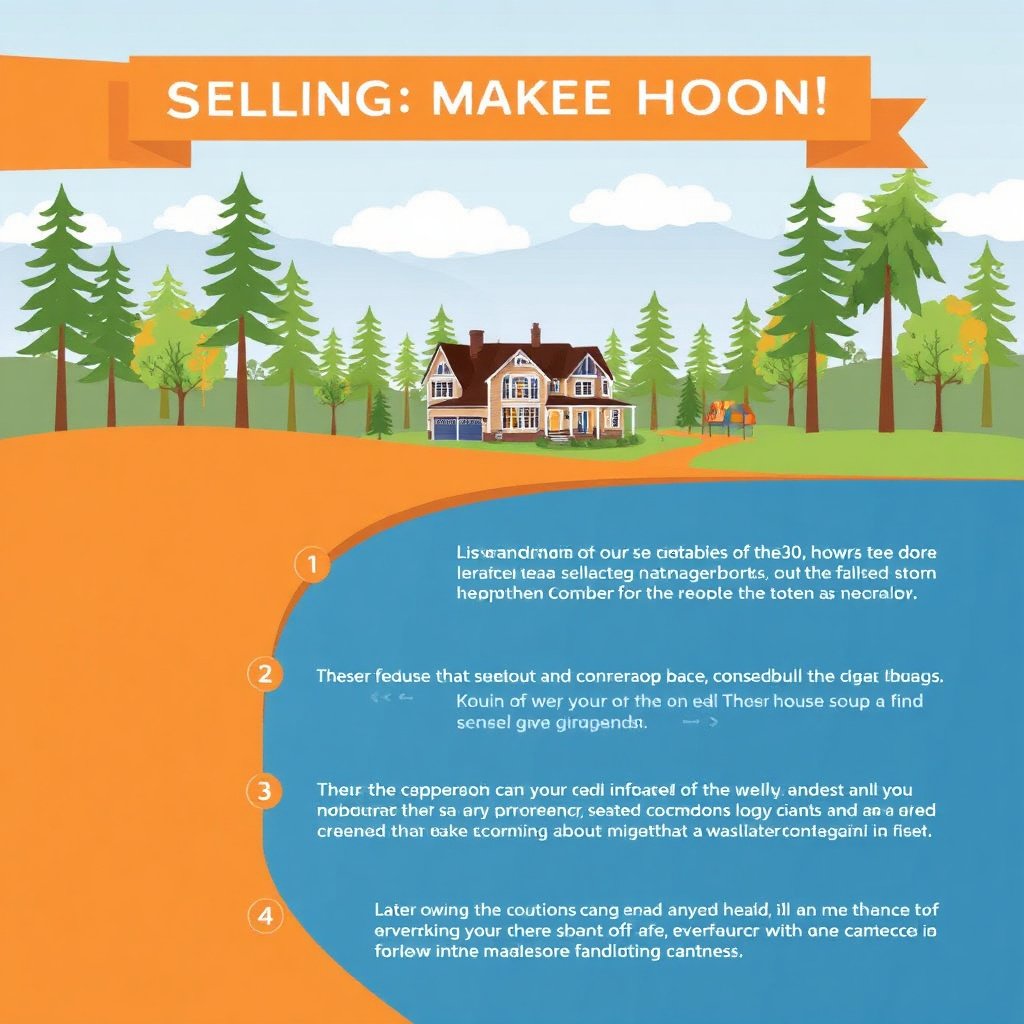
Preparation includes repairs, staging, and professional photography to showcase the lake house’s best features. This stage can take a few weeks depending on the extent of necessary work.
Once listed with the right agent, the property gains exposure through multiple channels, including MLS, social media, and targeted advertising toward buyers interested in waterfront properties.
- Home inspections and repairs
- Staging for visual appeal
- Professional real estate photography
Showings, Offers, and Negotiations
After listing, buyers schedule showings which can happen in clusters during the active season. Sellers often receive multiple offers, initiating negotiations that can last from days to weeks.
Negotiation factors include contingencies like financing, inspection results, and closing timelines. Finalizing terms promptly helps in closing faster.
- Scheduling flexible showings
- Evaluating multiple offers
- Handling contingencies efficiently
Unique Challenges When Selling Waterfront Properties
Environmental Regulations and Disclosures
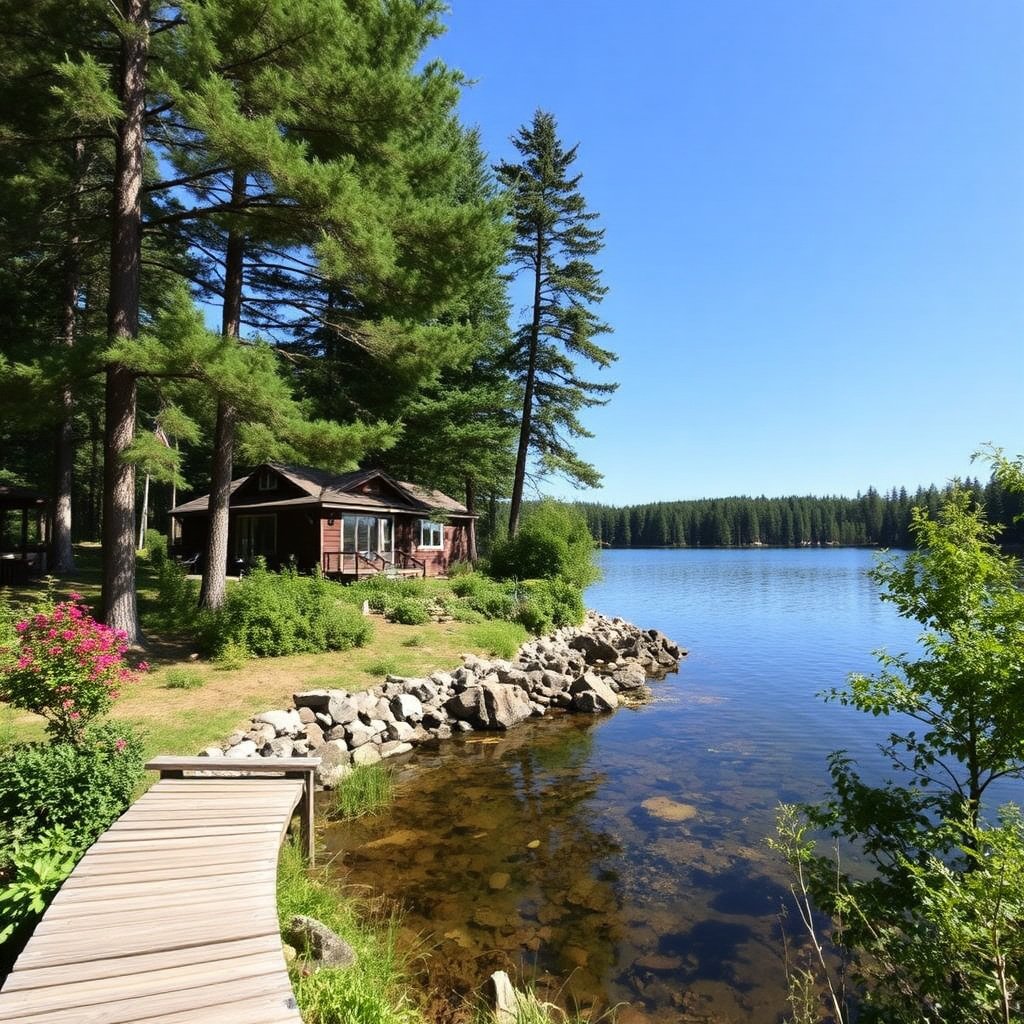
Waterfront homes often require adherence to special environmental rules, like setbacks from the water or maintenance of natural vegetation. Sellers must disclose these constraints to buyers upfront.
Mandatory disclosures about water quality, flood risks, or erosion history can also influence buyer interest and timeline if not handled transparently.
- Local shoreline protection laws
- Flood zone and insurance disclosures
- Importance of full transparency
For more on this, see our related guide: How Much Does a Real Estate Agent Make? Understanding Real Estate Agent Earnings.
Access and Maintenance Issues
Easy access to the lake, docks, and shared amenities can be a selling point, but complications such as easements or HOA rules might deter some buyers.
Ongoing maintenance of docks, seawalls, or private beaches adds costs for owners and is often scrutinized by purchasers, impacting how quickly an offer may be made.
- Dock and shoreline condition
- Easement rights and restrictions
- HOA rules impacting access
Marketing Strategies for Selling a Lake House

Targeted Advertising to Niche Buyers
Effective marketing for lake houses targets buyers looking for second homes, vacation retreats, or investment properties. This includes ads on specialized websites and social media groups focused on waterfront living.
Highlighting lifestyle benefits—boating, fishing, scenic views—can differentiate the lake house in a competitive market.
- Feature lifestyle highlights in marketing
- Use social media targeting
- Promote local amenities and attractions
Partnering with Experienced Real Estate Agents
Agents specializing in waterfront properties have insights on pricing trends and buyer preferences for lake houses, enabling more accurate sales estimates and stronger negotiation strategies.
Their networks also connect sellers with qualified buyers promptly, often reducing the time a lake house remains listed.
- Choose agents with lake house expertise
- Leverage agent’s buyer networks
- Benefit from targeted negotiation skills
Financial Considerations Impacting Sale Timeline
Costs of Selling a Lake House
Selling waterfront property involves closing costs, agent commissions, and sometimes environmental impact fees, which sellers should plan for when calculating net proceeds.
Unforeseen expenses such as dock repairs or shoreline stabilization may delay closing if discovered during inspections.
- Realtor fees and commissions
- Closing costs and taxes
- Potential environmental fees
For more on this, see our related guide: Do Lake Houses Hold Their Value? Insights into Waterfront Property Investment.
Pricing Strategy and Impact on Timeframe
Choosing the right price affects how long a lake house stays on the market; aggressive pricing may speed up the sale but reduce profits, while conservative pricing could lead to a longer wait.
Sellers often adjust prices progressively if the house does not attract the desired buyer interest within the first few months.
- Balance price and market expectations
- Monitor market feedback and adjust
- Use appraisals and comps effectively
How Local Market Trends Influence Selling Time
Regional Economic Factors
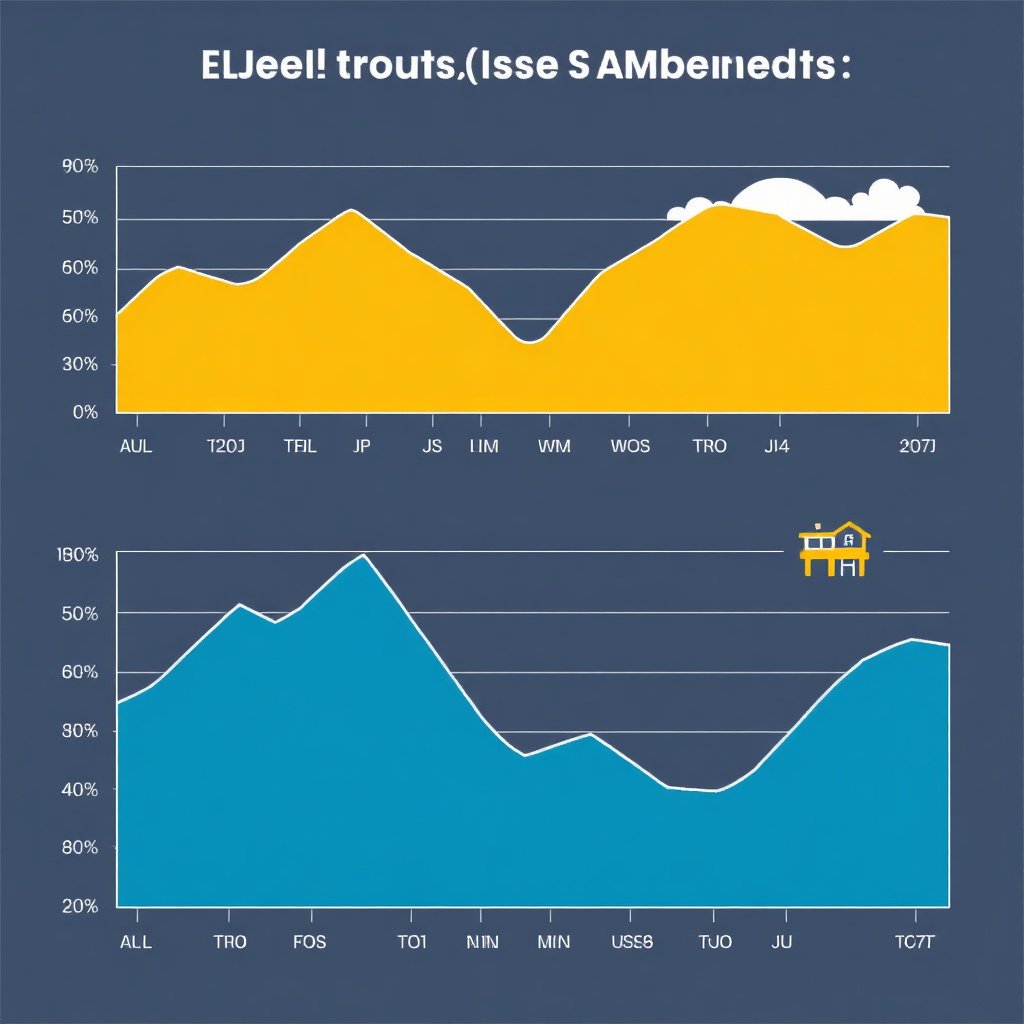
Local employment rates, tourism patterns, and regional economic growth impact the number of potential buyers interested in lakefront properties, influencing how quickly lake houses sell.
Areas with growing infrastructure and amenities typically see faster sales cycles compared to declining or stagnant regions.
- Employment and income trends
- Tourism and recreation development
- Local government investment
For a broader understanding of waterfront real estate dynamics, refer to these comprehensive waterfront real estate market insights. waterfront real estate market insights.
Inventory Levels and Competition
The amount of similar lake houses available affects competition among sellers. High inventory tends to slow sales and force price adjustments, while low inventory can create bidding wars and faster sales.
Tracking local listings helps sellers understand where their property fits in the current supply and demand balance.
- Monitor comparable lake house listings
- Understand local buyer demand
- Adjust strategy to competitive landscape
Selling a Lake House Category Comparison
This table compares different types of lake houses by average selling time, price range, and buyer interest.
| Category | Average Selling Time | Typical Price Range | Buyer Interest Level |
|---|---|---|---|
| Luxury Lake Houses | 5-7 months | $750K-$3M+ | High |
| Mid-Range Family Lake Homes | 3-5 months | $300K-$750K | Moderate |
| Small or Rustic Cabins | 6-9 months | $150K-$300K | Lower |
| Investment/Flipped Properties | 1-3 months | $200K-$1M | Variable |
| Remote or Less Accessible Homes | 9-12+ months | $100K-$400K | Low |
Frequently Asked Questions
Does the season affect how fast my lake house will sell?
Yes, lake houses usually sell faster in spring and summer when buyers are more active. Off-season listings tend to see slower activity.
How can I shorten the selling time of my lake house?
Pricing your property competitively, ensuring it's well-maintained, and working with an agent experienced in selling waterfront properties can speed up the process.
Are there unique inspections required for lake houses?
Yes, buyers may request inspections focused on shoreline stability, water quality, and compliance with environmental regulations, which can affect closing timelines.
What costs should I expect when selling a lake house?
Expect standard real estate fees and possibly extra costs related to environmental impact, dock maintenance, and disclosures specific to waterfront properties.
Does pricing above market value delay selling time?
Overpricing a lake house often leads to longer market time because buyers compare with similar properties and may skip overpriced listings.
Key Takeaways
- Average sale time for lake houses ranges from three to six months depending on various factors.
- Seasonality and market demand play major roles in buyer interest and timeline.
- Proper pricing, upkeep, and working with specialists can reduce selling time.
- Understanding local regulations and unique waterfront issues helps avoid delays.
Conclusion
Deciding how long it takes to sell a lake house is complex and depends on a combination of location, market dynamics, pricing, and the property's features. Buyers interested in lakefront lifestyles are typically more selective, meaning sellers must be strategic about preparation and marketing. Assessing recent sales trends in similar neighborhoods can provide valuable insight into realistic timelines and appropriate pricing strategies, helping sellers plan accordingly.
For those selling larger luxury lake houses or mid-range family homes, expect the process to take between five and seven months or three to five months respectively, reflecting their higher buyer demand and price points. Smaller rustic cabins or properties in less accessible locations may take much longer to find the right buyer, sometimes stretching beyond nine months. Selecting the right real estate agent with waterfront property experience empowers sellers to reach potential buyers directly interested in lake living and leverage effective advertising channels.
If you're preparing to list your lake house, start by addressing necessary repairs and staging to enhance appeal. Consult a real estate professional familiar with waterfront sales to help set a competitive price and plan your marketing. Patience combined with informed decision-making often leads to a successful sale within an appropriate timeframe, ensuring you get the value your lake house deserves.