How Long Does It Take to Build a Lake House? A Complete Timeline Guide
Building a lake house typically takes between six months to two years, depending on factors like size, location, design complexity, and permitting processes. The fundamental stages include land preparation, foundation work, framing, exterior/interior finishing, and final inspections. Each stage requires time and coordination to ensure a quality waterfront home.
The timeline matters because constructing near a lake often involves additional steps such as environmental permits, soil testing, and erosion control measures. These can extend the schedule compared to building inland. Planning and realistic expectations help avoid costly delays or rushed work that might compromise the house's durability and style.
This article breaks down each phase of lake house construction, highlights potential time hurdles, compares common property types, and offers tips for smoother progress. Understanding the process helps future owners anticipate how long it will take to transform their lakefront dream into reality.
Preparing Your Lake House Construction Site
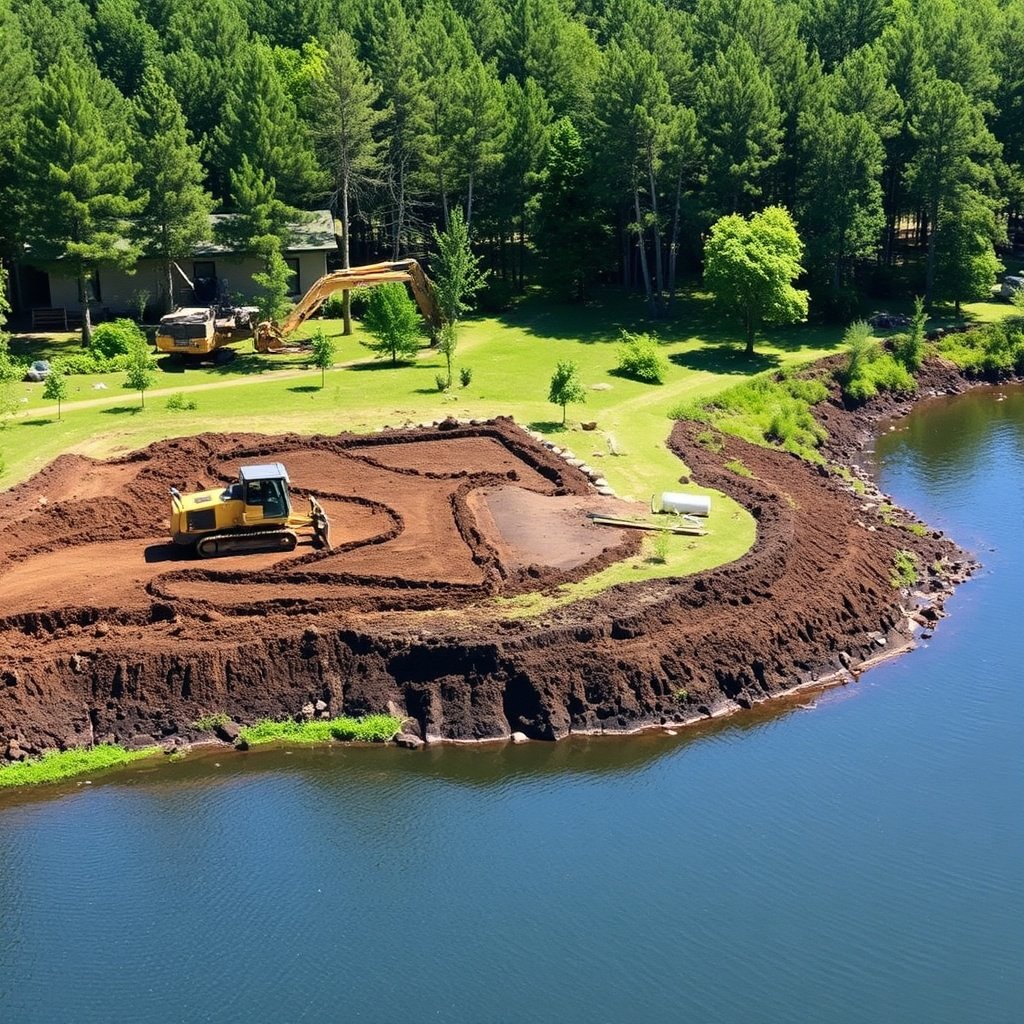
Securing Permits and Environmental Approvals
Before breaking ground, obtaining necessary permits is essential. This includes zoning permits, building permits, and environmental approvals to protect water quality and shoreline vegetation. These permits vary widely depending on local and state regulations and may take weeks to months to secure.
Environmental assessments often include shoreline buffers and runoff mitigation strategies. Coordination with local authorities at this stage prevents legal roadblocks and meets lake conservation standards.
- Zoning permits tailored to lakeside properties
- Environmental impact reviews
- Shoreline and wetland protections
Land Clearing and Site Preparation
Once permits are in place, the site requires clearing trees, brush, and rocks. The terrain near lakes can be uneven, demanding grading and sometimes retaining walls to create a stable building platform. This step typically takes a few weeks, depending on site complexity.
Proper site work reduces flooding risks and ensures proper drainage away from the lake. It also involves installing erosion control measures that reduce sediment runoff into the water.
- Tree and vegetation removal
- Grading and leveling
- Installing erosion control barriers
Constructing the Lake House Foundation and Frame

Foundation Types and Timelines
Lake houses often use specialized foundations like pier and beam, slab on grade, or crawl spaces due to wet soil conditions. Foundation work can take 2 to 6 weeks, including excavation, pouring footings, and laying slabs or installing piers.
Choosing the right foundation depends on soil tests and lake proximity. Properly installed foundations prevent settling and protect against moisture damage common at waterfront sites.
- Pier and beam foundations for flood-prone areas
- Slab foundations on stable soil
- Crawl spaces for ventilation
Framing the Structure
Framing builds the skeleton of the lake house and can take anywhere from a few weeks to a couple of months. The timeframe depends on design complexity, weather conditions, and crew size.
Since lake houses often feature large windows, decks, and open floor plans, framing must accommodate these elements precisely. Any delay in material delivery can extend this stage.
- Install exterior walls and roof trusses
- Frame decks and porches
- Integrate large windows and doors
Lake House Exterior and Interior Finishing
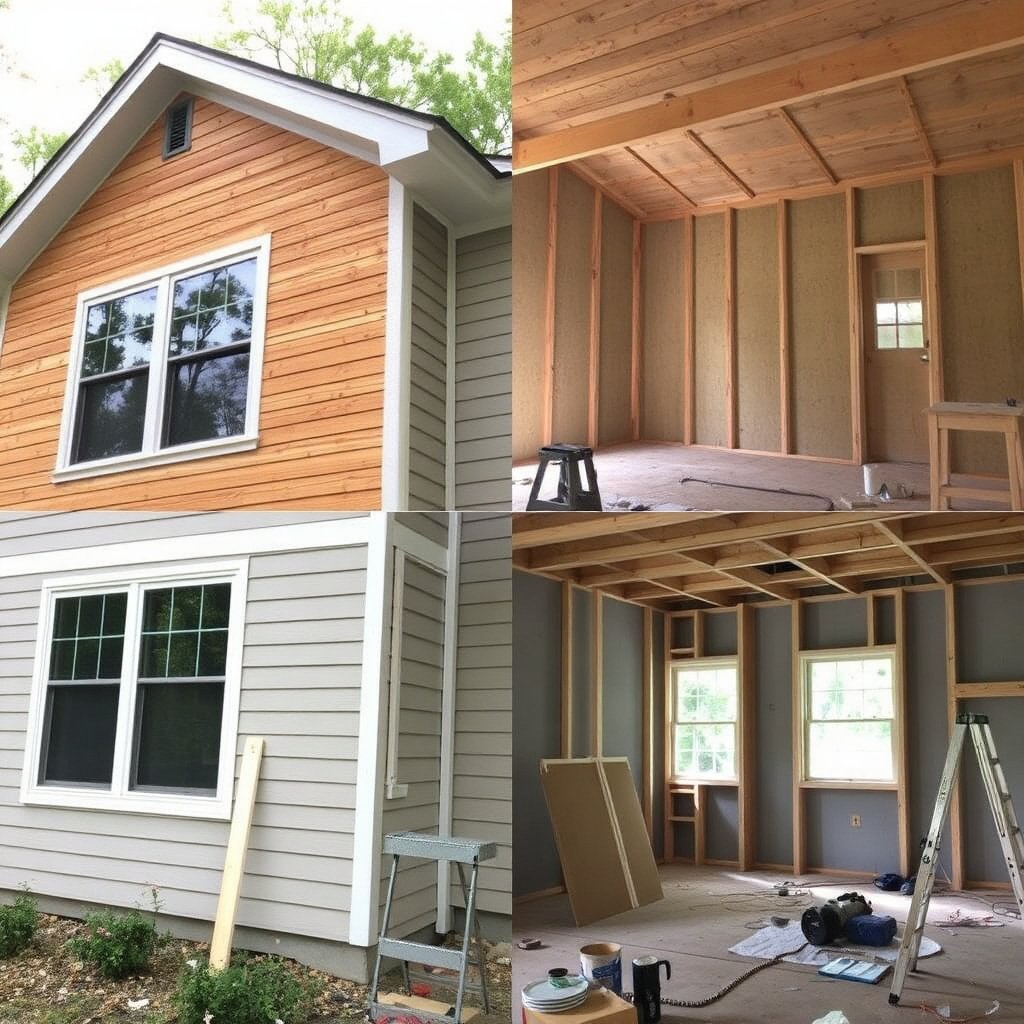
Exterior Finishing and Roof Installation
Once framed, the focus shifts to installing the roof, siding, and windows. Exterior finishing guards the structure against lake weather such as humidity, wind, and sun exposure. These tasks can last 4 to 8 weeks.
Choosing durable materials like fiber-cement siding, metal roofs, or treated wood is common to resist moisture and prevent decay near water.
- Install roofing materials
- Apply siding or cladding
- Seal windows and doors
For more on this, see our related guide: How to Sell a Lake House Fast: Proven Strategies for a Quick Sale.
Interior Walls, Plumbing, and Electrical Rough-Ins
With the exterior sealed, interior work begins. This includes insulation, drywall installation, plumbing, electrical rough-ins, and HVAC setup. Scheduling these trades can take 6 to 12 weeks based on coordination and inspections.
Lake houses often include features like wet bars or additional bathrooms, which can add complexity and time to interior systems.
- Install insulation and drywall
- Run plumbing and electrical lines
- Set up heating and cooling systems
Final Details and Inspection for Your Lake House

Interior Finishing Touches
The last interior phase includes painting, flooring, cabinetry, and fixture installation. These finishing touches usually take 4 to 8 weeks. Timely delivery of materials and precise craftsmanship are key here.
Custom elements like built-in shelving or lake-inspired decor can add character but might require extra time for installation and adjustments.
- Paint walls and ceilings
- Install flooring and cabinetry
- Add plumbing/electrical fixtures
Final Inspections and Occupancy Approval
The construction concludes with inspections from local authorities to verify code compliance, safety, and environmental standards. Final approval allows occupancy and can take a few days to several weeks.
Preparing all documentation and scheduling inspections in advance helps avoid last-minute delays before moving into your lake house.
- Schedule building and safety inspections
- Address any inspection corrections
- Obtain occupancy certificates
Factors Affecting Lake House Construction Timeline
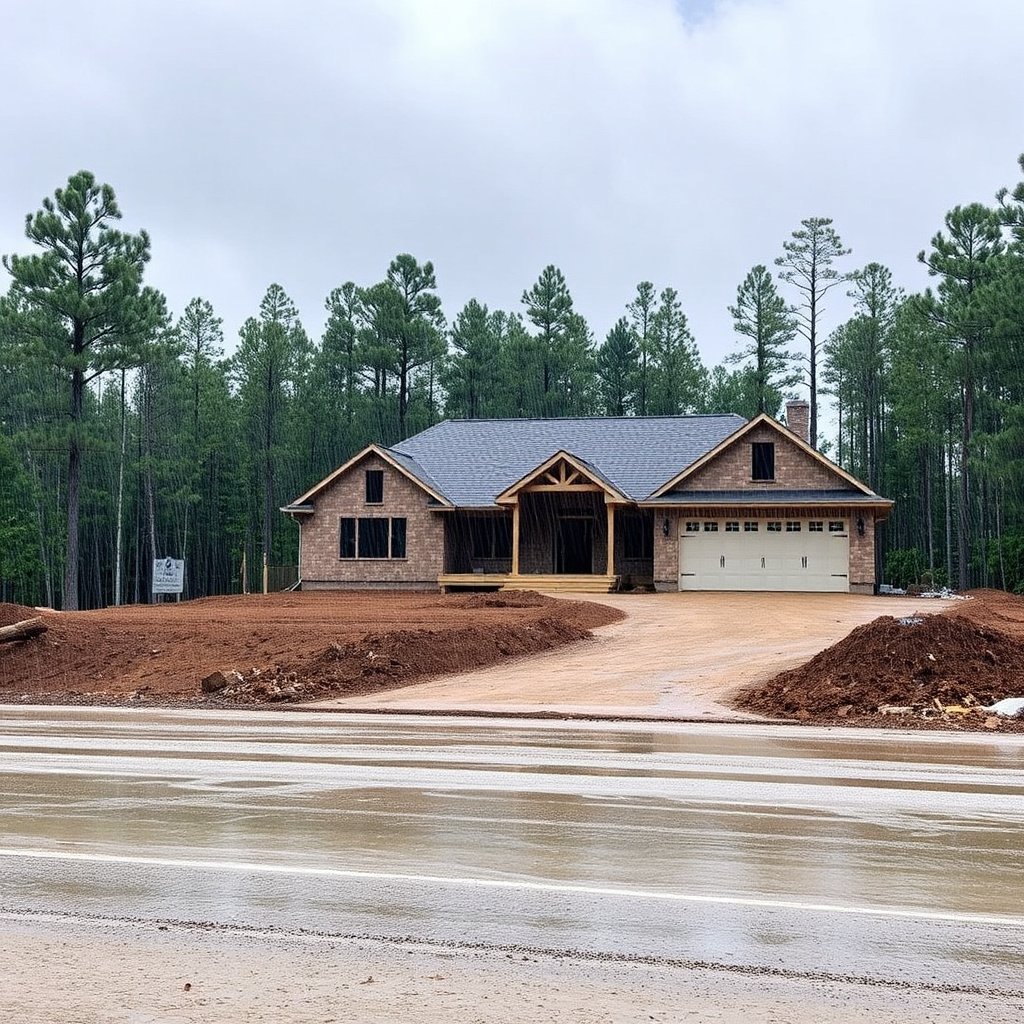
Weather and Seasonal Impacts
Weather near lakes can vary, with wet conditions especially hindering site and foundation work. Rain, snow, and cold temperatures slow down excavation, concrete curing, and exterior tasks. Construction windows typically exclude the harshest seasons.
Planning builds during spring, summer, or early fall reduces weather-related interruptions and helps keep the schedule on track.
- Rain delays on digging and pouring concrete
- Cold weather impact on material installation
- Optimal building seasons
For more on this, see our related guide: Do You Need a Dock Permit at Lake of the Ozarks? Here’s What You Should Know.
Material Availability and Workforce
Material shortages or long lead times can extend project length significantly, especially for specialized lake house components like marine-grade decking or custom windows. Reliable suppliers and early ordering reduce these risks.
Similarly, skilled labor availability affects pace. A well-coordinated contractor familiar with lakeside builds often speeds up progress versus a general crew.
- Order specialized materials early
- Hire experienced lakeside contractors
- Coordinate trades to minimize downtime
Understanding Different Types of Lake Properties
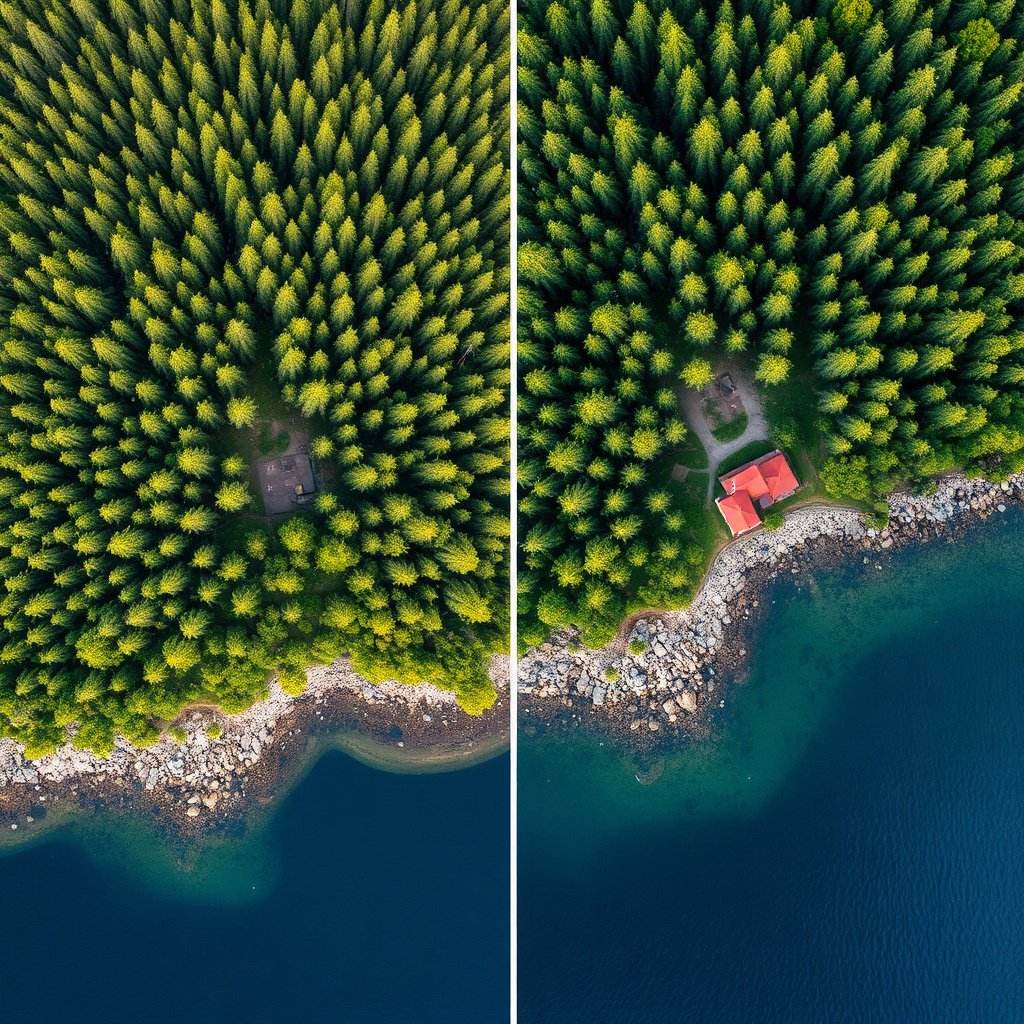
Wooded Lakefront Lots
Wooded lots offer natural privacy and scenic shade but often require extensive site clearing and grading before construction, which can add weeks to the timeline. Removing large trees safely takes careful planning to avoid damaging the surrounding soil or nearby structures.
Such lots may need additional erosion control due to tree removal impacting soil stability, extending preparatory steps before building can start.
- Requires extensive tree removal
- May extend land preparation phase
- Higher erosion control needs
For additional background and details on lake house designs and building considerations, see this Lake house construction overview on Wikipedia. Lake house construction overview on Wikipedia.
Rocky or Steep Shoreline Lots
Building on rocky or steep terrain near a lake demands specialized foundations like piers or retaining walls, which take more time and cost. Excavation might require heavy equipment and engineering solutions to stabilize the site.
These conditions can double foundation work length and necessitate more inspections, impacting the overall schedule.
- Complex foundation requirements
- Longer excavation and grading
- Additional engineering approvals needed
Lake House Construction Timeline Comparison
Here's how different lake house property types and foundation methods typically stack up on construction duration and considerations.
| Property Type/Foundation | Typical Construction Time | Key Challenges | Approximate Cost Range |
|---|---|---|---|
| Wooded Lot with Pier & Beam | 10-14 months | Site clearing, erosion control | $250,000 – $400,000+ |
| Rocky Shoreline with Retaining Walls | 12-18 months | Excavation, engineered foundation | $300,000 – $500,000+ |
| Flat Lot with Slab Foundation | 6-9 months | Faster groundwork, simpler foundation | $200,000 – $350,000 |
| Prefabricated Lake House | 4-8 months | Transport logistics, assembly precision | $180,000 – $320,000 |
Frequently Asked Questions
How does weather affect building a lake house?
Rain and cold temperatures near lakes can delay excavation, foundation pouring, and exterior work, prolonging the construction schedule especially during winter months.
What permits are needed to build on lakefront property?
You typically need zoning approvals, building permits, and environmental permits focused on shoreline protection and water quality management before starting construction.
Are prefabricated lake houses faster to build?
Yes, prefabricated lake houses can be constructed offsite simultaneously with site prep, reducing overall build time to about 4 to 8 months compared to traditional builds.
How much does soil testing add to the timeline?
Soil testing usually takes a few weeks but can stretch longer if issues are found, as foundation plans may need adjustment to accommodate water saturation or instability.
Can I build a lake house year-round?
While possible, construction near lakes is generally slowed or paused during harsh winters or rainy seasons, making spring through fall the preferred building window.
Key Takeaways
- Building a lake house generally takes 6 months to 2 years depending on complexity and site.
- Permits and environmental approvals can add several months before construction begins.
- Foundation choice and property type greatly affect timeline and cost.
- Weather and material availability are common causes of delays during the build.
Conclusion
Estimating how long it takes to build a lake house requires balancing site-specific factors, local permitting timelines, and construction complexities. Starting with clear plans and early approval acquisition can minimize delays. Understanding the phases from land preparation through finishing lets you set realistic expectations for the entire process. Considering weather patterns and material lead times further sharpens your timeline projection.
Different property types demand different approaches: wooded lots extend land prep time; rocky shorelines require engineered foundations that lengthen construction significantly. Prefabricated lake houses provide a faster alternative for those on a tighter schedule. Whichever option you pursue, working with contractors experienced in lakeside builds helps navigate unique challenges inherent to these properties.
For prospective lake house owners, the best next step is to research local permitting requirements and consult builders familiar with your chosen area. This helps create an accurate schedule tailored to your project. Having patience through environmental and weather constraints ensures the final home will be safe, durable, and enjoyable for years to come.


One Comment