Is It Worth Buying a Boat Dock? Pros and Cons Explained
Buying a boat dock can be a significant investment that offers convenience, safety, and enhanced waterfront access. If you own waterfront property and regularly use a boat, a private dock can improve your boating experience by providing secure mooring and easy access to the water.
Having a boat dock means you don't have to rely on public or marina facilities, saving time and costs over the long term. It can also increase the value of your property and provide space for additional water activities, making it more enjoyable for family and friends to gather near the water.
This article will explore the main advantages and disadvantages of owning a boat dock. You'll learn about different dock types, their maintenance needs, typical costs, and considerations to keep in mind before making your purchase.
Benefits of Owning a Boat Dock
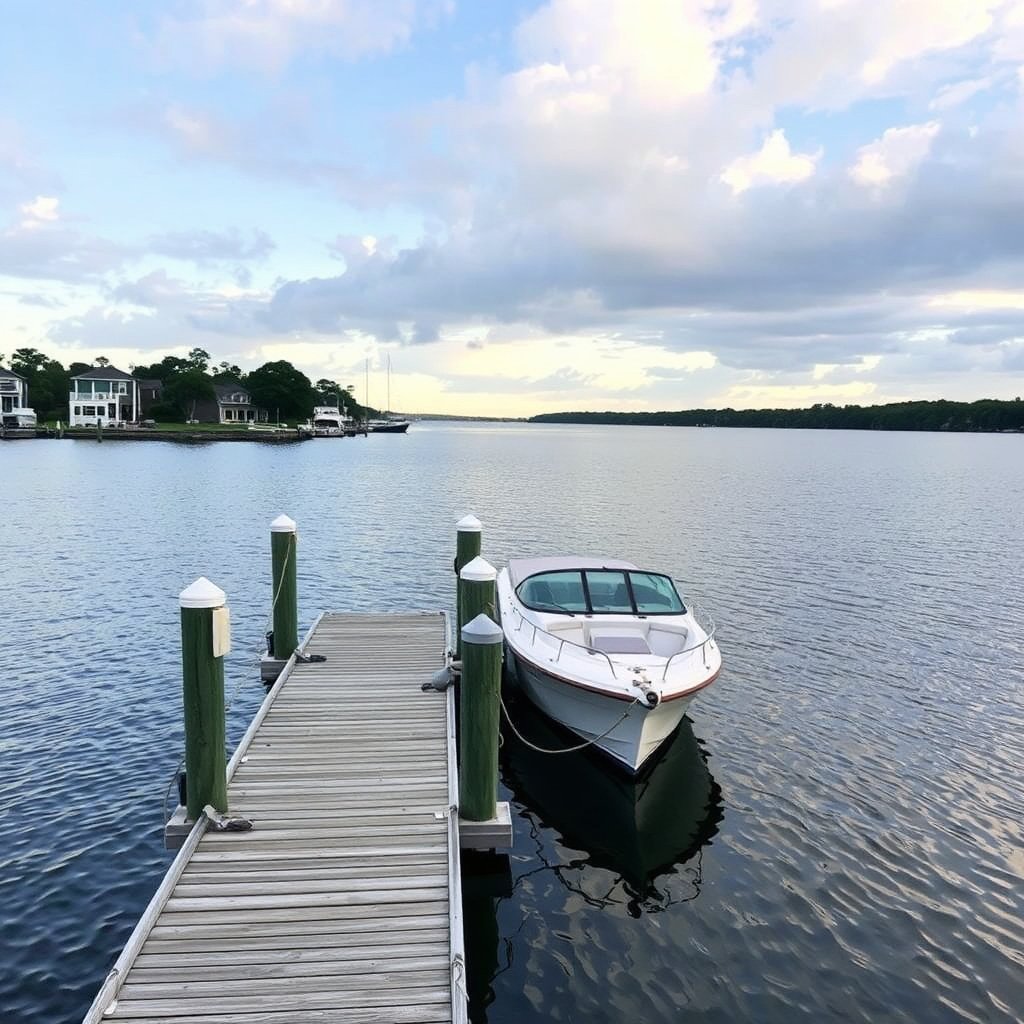
Convenience and Accessibility
A boat dock offers direct, easy access to your boat right from your property. You won’t need to drive to distant marinas or find public boat ramps, saving you time especially during busy boating seasons.
Having a dock allows you to keep gear and accessories nearby, simplifying preparation and cleanup after outings. This convenience can make boating a more frequent and enjoyable activity.
Property Value and Aesthetic Appeal
Adding a boat dock can increase the market value of your waterfront home by providing an attractive feature that appeals to boat owners and water enthusiasts.
A well-designed dock enhances the overall look of your shoreline, making it more inviting for gatherings and outdoor fun while also complementing your property's natural setting.
Drawbacks to Consider When Buying a Boat Dock
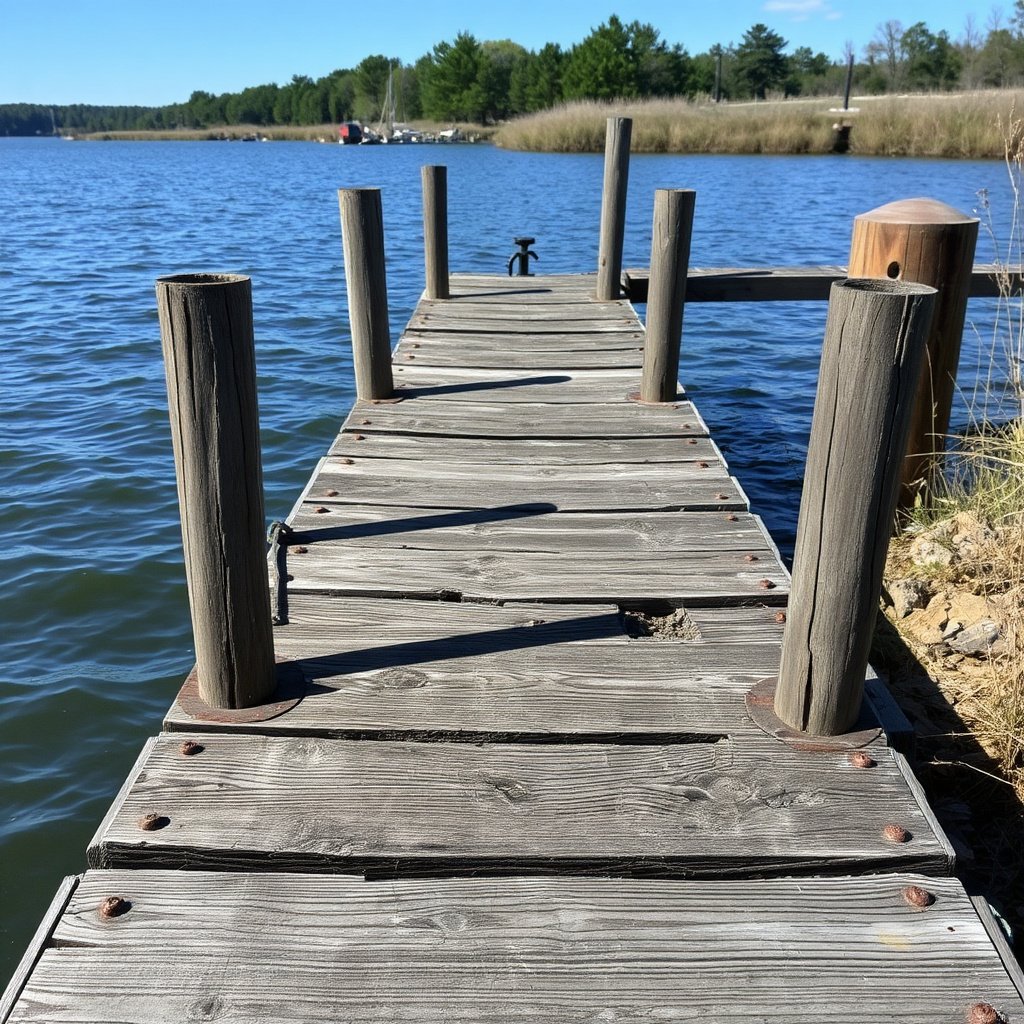
Cost and Maintenance
Boat docks involve upfront expenses for design, materials, and installation, which can range from a few thousand to tens of thousands of dollars depending on size and complexity.
Regular maintenance is necessary to protect against weather damage, marine pests, and wear from water exposure. Without proper upkeep, repairs can become costly and frequent.
- Material sealing or staining
- Hardware inspections and replacement
- Structural repairs from damage or decay
Environmental and Legal Considerations
Installing a boat dock may require permits due to local zoning and environmental regulations. Compliance with these can delay your project and add complexity.
Some dock placements can disrupt local aquatic habitats or shoreline erosion patterns, so assessing environmental impact beforehand is necessary.
Types of Boat Docks to Fit Your Needs
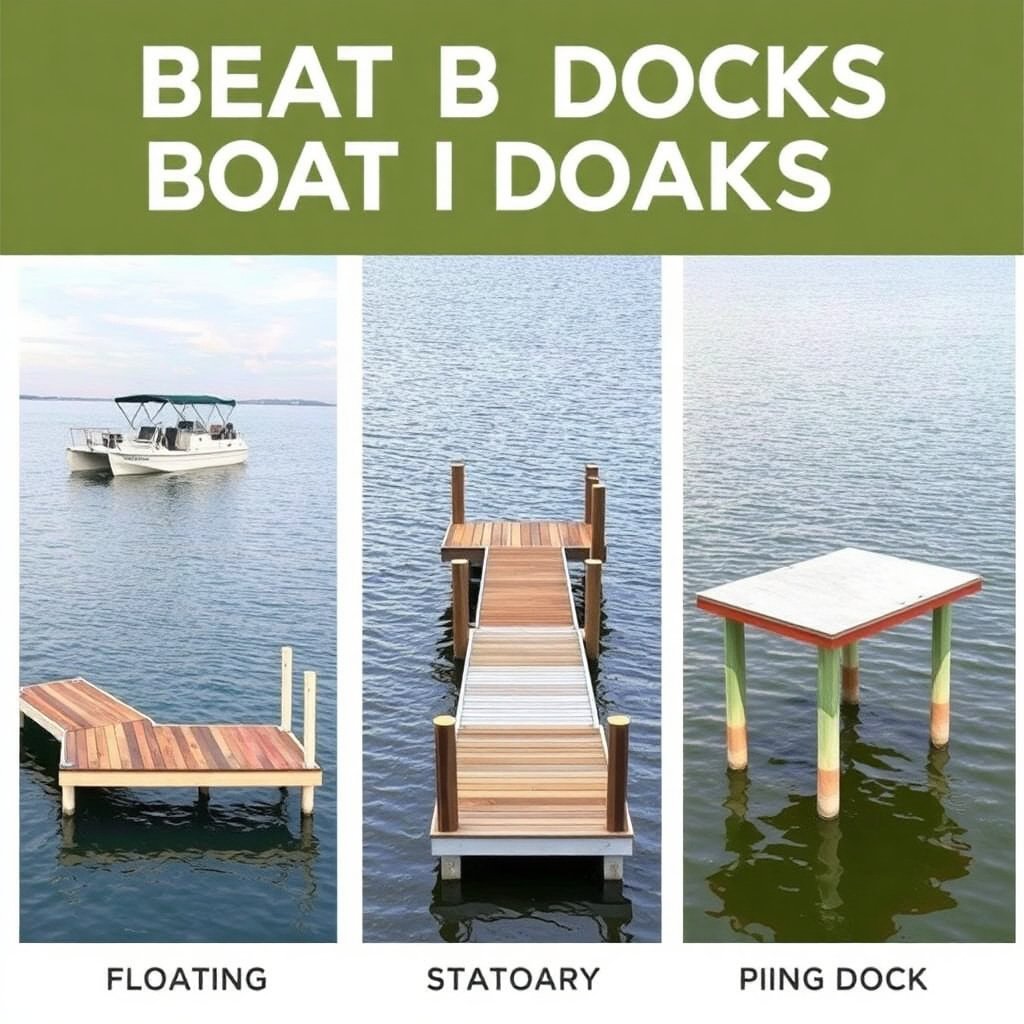
Floating vs Stationary Docks
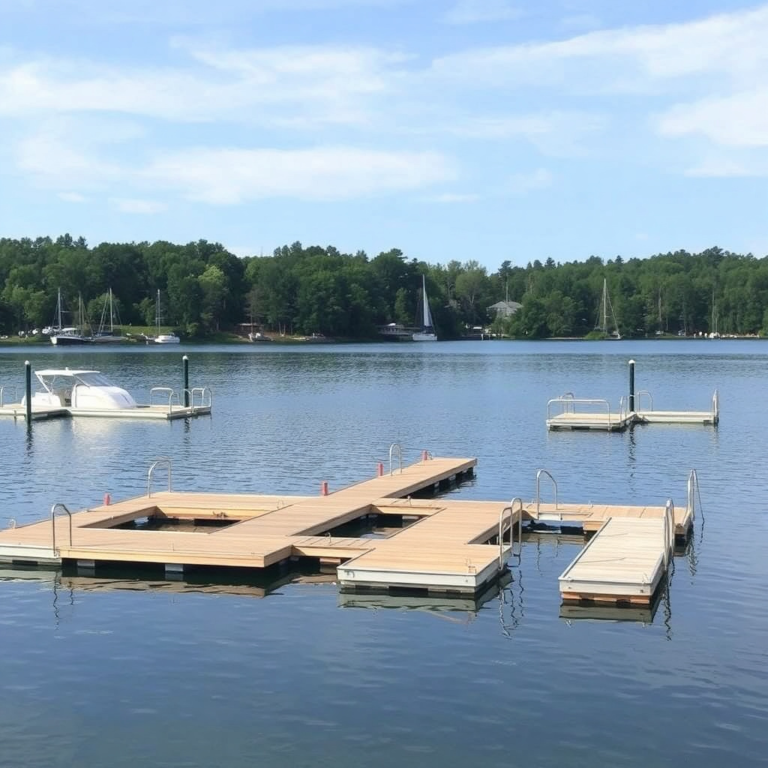
Floating docks rest on the water’s surface and rise and fall with water levels, making them adaptable for variable depths but less stable for heavy loads.
Stationary docks are fixed to the lake or river bed using pilings, offering robust stability but limited flexibility for fluctuating water heights.
- Floating docks good for tidal or fluctuating water levels
- Stationary docks suit lakes with consistent depths
For more on this, see our related guide: Is a Lake House Worth It? Pros and Cons to Consider Before Buying.
Material Choices: Wood, Aluminum, and Composite
Wood docks offer a classic look but require more maintenance to avoid rot and insect damage.
Aluminum docks provide durability with minimal upkeep and are resistant to rust, making them a longer-lasting option in harsh environments.
Composite materials blend synthetic fibers for durability and low maintenance but at a higher initial cost.
- Wood is cost-effective but needs sealing
- Aluminum is lightweight and corrosion-resistant
- Composite is low-maintenance and durable
Installation and Maintenance Requirements

Professional Installation vs DIY
Professional installation ensures compliance with regulations, proper alignment, and structural safety, often necessary for complex or large docks.
DIY installation can save money but requires technical skills and familiarity with local permit processes to avoid future issues.
- Permitting and inspections
- Equipment for heavy lifting
- Knowledge of local water conditions
Routine Maintenance Tasks for Longevity
Maintaining a boat dock involves seasonal inspections, cleaning algae and debris, tightening hardware, and checking structural soundness to extend lifespan.
Long-term upkeep may include replacing worn decking boards, reapplying protective coatings, and addressing any damage from storms or ice.
- Winterizing to prevent freeze damage
- Spring cleaning and repairs
- Periodic staining or sealing
Assessing the Economic Value of a Boat Dock

Initial Investment vs Long-term Benefits
The upfront purchase price of a boat dock is balanced by convenience, potential property value increase, and avoiding marina fees over time.
Calculating how often you use your dock, yearly maintenance costs, and the impact on resale value can guide whether the dock is a financially sound addition.
For more on this, see our related guide: Is It a Good Time to Sell a Lake House? Key Factors to Consider.
Estimating Ongoing Costs
Annual maintenance expenses typically range from 2% to 5% of the dock's installation cost, depending on materials and environmental exposure.
Unexpected repairs after storms or wear can add periodic higher expenses, so budgeting for contingencies is wise.
- Routine cleaning and sealing
- Hardware replacement
- Insurance premiums if applicable
Considering Environmental Impact and Regulations
Navigating Permit Requirements
Local governments often require permits for dock construction to protect water quality, fish habitats, and shoreline stability.
Understanding the application process, timelines, and costs involved can prevent surprises and fines during your project.
- Application fees
- Environmental impact assessments
- Public comment period considerations
Minimizing Ecological Disruption
Choosing dock designs that reduce shading and avoid sensitive habitats helps protect aquatic plants and animals.
Materials that are non-toxic and resistant to leaching preserve water quality and surrounding ecosystems.
Boat Dock Types and Their Suitability

T-Docks and L-Docks
T-docks provide ample space for turning and loading boats, often favored for larger vessels and multiple boats.
L-docks save shoreline space and are suitable for narrow waterfronts while providing secure mooring and easy boarding.
- T-docks ideal for boat maneuvering
- L-docks space-efficient for smaller lots
For detailed information about environmental rules around boat dock construction, you can refer to official boat dock regulations and guidelines. Boat dock regulations and guidelines.
Finger Piers and Floating Extensions
Finger piers extend out and offer multiple narrow slips, maximizing docking spots without requiring wide open shoreline.
Floating extensions can be added to existing docks to accommodate fluctuations in water levels or add temporary mooring spots.
Boat Dock Types Comparison
A summary comparison of popular boat dock types to help decide based on flexibility, cost, and maintenance.
| Dock Type | Cost Range | Maintenance Level | Best For |
|---|---|---|---|
| Floating Dock | $5,000 – $15,000 | Moderate | Variable water levels, small to medium boats |
| Stationary Dock | $8,000 – $20,000 | High | Stable water, larger boats |
| Wooden Dock | $4,000 – $12,000 | High | Traditional look, budget-conscious |
| Aluminum Dock | $10,000 – $25,000 | Low | Durability, low upkeep |
| Composite Dock | $12,000 – $30,000 | Low | Long-term durability, minimal maintenance |
Frequently Asked Questions
Do I need a permit to build a boat dock?
Most locations require permits for boat dock installation to protect local ecosystems and regulate shoreline use. Check with your local government or environmental agency before starting your project.
How much does it cost to maintain a boat dock annually?
Annual maintenance costs typically average 2% to 5% of the initial installation price, covering cleaning, repairs, and protective treatments to prolong dock life.
Can I install a boat dock myself?
DIY installation is possible for small, simple docks if you understand local regulations and have proper tools, but professional help ensures safety and compliance for more complex installations.
What materials are best for longevity in a boat dock?
Aluminum and composite materials generally offer the best durability and low maintenance in harsh aquatic environments compared to traditional wood.
Will a boat dock increase my property’s value?
Yes, a well-built boat dock can enhance your waterfront property’s appeal and market value, especially for buyers who enjoy boating and water activities.
Key Takeaways
- A boat dock offers convenience and enhances waterfront property value.
- Installation and upkeep involve costs that must be factored into ownership decisions.
- Dock type and materials affect durability, maintenance needs, and suitability.
- Local permits and environmental impact considerations should not be overlooked.
Conclusion
Deciding if a boat dock is worth buying depends on your boating frequency, property characteristics, and financial readiness. Evaluate how much value convenience and direct water access add to your lifestyle. By balancing installation costs, maintenance commitments, and local regulations, you can make an informed choice that fits your needs.
For frequent boat users with waterfront property, investing in a dock can pay dividends through time saved and property appreciation. Floating and stationary docks suit different water conditions, while materials like aluminum and composite minimize upkeep. Consider simple wooden docks for budget builds, but plan for ongoing maintenance. Understanding these options will help you choose the best dock for your situation.
Once you decide on purchasing a boat dock, start with researching local permits and environmental restrictions. Consulting professionals for installation often prevents costly mistakes and ensures safety. Regular maintenance commitments are key to preserving your dock’s condition, securing your investment and the enjoyment it brings for years to come.




One Comment