How to Buy a Lakefront Home: A Practical Guide to Waterfront Living
Buying a lakefront home means investing in a unique lifestyle with direct water access, scenic views, and recreational opportunities. The key to successfully purchasing one starts with understanding the specific factors that influence price, location desirability, and potential risks such as flooding or environmental restrictions. Knowing exactly what to look for can make the process smoother and keep you confident throughout.
Lakefront properties carry additional considerations compared to typical real estate due to their proximity to water and often stricter regulations. It matters because this affects everything from the maintenance costs to resale value, insurance expenses, and enjoyment of the property. A well-chosen home balances lifestyle benefits with practical financial and legal realities.
This guide covers essential elements including evaluating lakefront location characteristics, budgeting accurately with hidden costs in mind, navigating local zoning and environmental rules, conducting thorough home and water-quality inspections, and comparing financing options tailored for waterfront property purchases.
Understanding Lakefront Property Characteristics
Evaluating Location and Lake Features
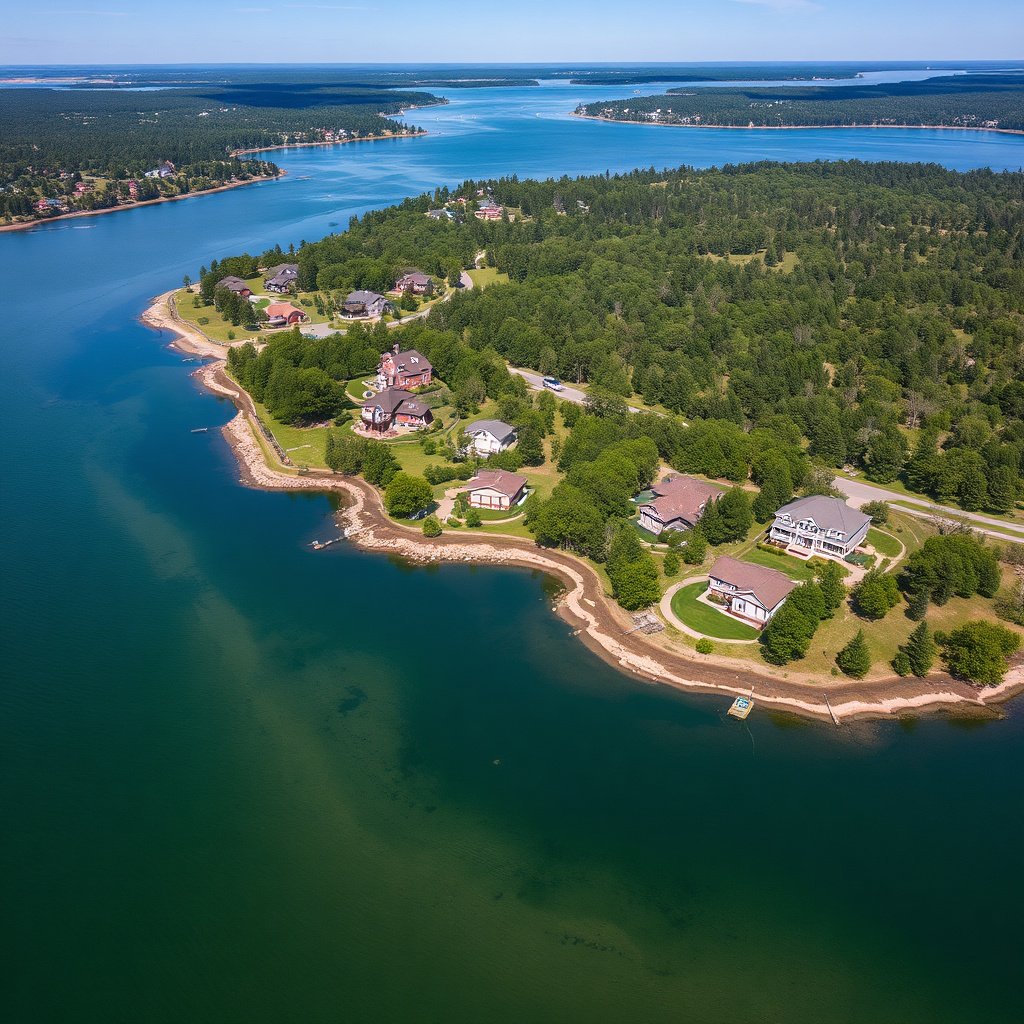
When buying a lakefront home, the lake’s size, water depth, and water quality significantly impact your experience. Larger lakes offer more privacy and boating options but can be pricier. Check whether the lake is public or private, as access rights influence your use of the water and shoreline.
Consider the lake’s seasonal changes and how they affect water levels. Shallow lakes can fluctuate dramatically between summer and winter, impacting docks and waterfront usability. Also, identify nearby amenities, community regulations, and neighborhood safety for a complete picture.
- Size and navigability of the lake
- Water quality and clarity
- Public vs. private access
- Seasonal water level fluctuations
Assessing Shoreline and Land Condition
Shoreline type—whether rocky, sandy, or marshy—impacts both the property's aesthetics and maintenance. Sandy shores are inviting for swimming but require upkeep to prevent erosion, while rocky shores can limit direct water access but are less prone to damage.
Investigate soil stability and erosion control measures in place. Inspect whether retaining walls or vegetation exist to protect your property. If the land slopes steeply toward the lake, consider how this affects building possibilities and flooding risk.
- Shoreline composition and maintenance needs
- Erosion and flood risk assessment
- Slope of the land to the water
- Presence of protective structures
Budgeting for a Lakefront Home Purchase

Setting Realistic Price Expectations
Lakefront homes tend to command a premium due to their rarity and lifestyle advantages. Prices vary widely depending on the lake’s location, size, and local real estate market. It's important to examine recent sales of similar waterfront properties and consider the cost of any necessary renovations.
Understand that price alone doesn’t reflect ongoing expenses like property taxes, which can be higher on lakefront parcels. Factor in insurance costs, which may increase due to flood risk, and monthly maintenance to keep the shoreline and docks in good condition.
- Comparative market analysis for lakefront homes
- Property taxes and insurance premiums
- Renovation and maintenance budget
- Hidden costs related to waterfront upkeep
Financing Options for Waterfront Property
Getting a mortgage for a lakefront home may differ from traditional home loans because lenders assess risks like potential floods or limited resale demand. Some banks specialize in waterfront property mortgages and offer tailored terms or higher down payment requirements.
Explore alternative financing such as home equity lines of credit if you already own property or specific loans for recreational properties. It’s also advisable to get pre-approved to expedite your purchase once you find the right lakefront home.
- Specialized waterfront mortgage lenders
- Down payment and interest rate considerations
- Alternative financing methods
- Pre-approval benefits
Legal and Environmental Considerations

Researching Zoning and Use Restrictions
Local regulations can restrict waterfront property usage, such as limits on dock size, watercraft, or shoreline alterations to protect ecosystems. Many lakes have homeowner association rules that dictate allowed activities and property modifications.
Confirm permitted land uses with municipal planning offices before purchasing. Ignorance of restrictions might lead to costly fines or the inability to develop or modify your property as planned.
- Zoning laws specific to waterfront properties
- Local environmental protection ordinances
- Homeowner association rules
- Permit requirements for docks or structures
For more on this, see our related guide: What Is a Lakefront Home? A Clear Guide to Buying and Living by the Water.
Understanding Environmental Risks
Flooding and water pollution pose significant risks for lakefront homes. Obtain floodplain maps and check historical flood data to gauge risk levels. Contaminants, algae blooms, or invasive species impact water quality and enjoyment.
Hire environmental consultants if needed to conduct soil testing and analyze water conditions. These reports can inform your decision and may be required by mortgage lenders or insurance carriers.
- Floodplain and flood risk evaluation
- Water quality monitoring and concerns
- Soil contamination testing
- Algae and invasive species impact
Conducting Thorough Inspections

Home Structure and Systems Inspection
Inspect the home’s foundation carefully, particularly if it borders the water, to identify erosion or water damage. Roofing, plumbing, and septic systems deserve attention since repairs can be more complicated near water sources.
Hire a qualified inspector familiar with waterfront homes to check for mold, moisture intrusion, and structural integrity. Swimming pool or dock inspections are also advisable when applicable.
- Foundation and structural soundness
- Roof, plumbing, and septic condition
- Moisture and mold assessment
- Swimming pool and dock evaluation
Waterfront and Dock Inspections
Assess the condition and safety of any docks, boat lifts, or seawalls. Ensure they comply with local regulations and are properly maintained to avoid costly replacements.
Check for underwater hazards and confirm that the dock’s structural components, such as pilings and decking, show no significant deterioration or damage from weather exposure.
- Dock stability and safety inspection
- Compliance with local waterfront codes
- Signs of wear and weather damage
- Potential underwater hazards
Using Waterfront Property Buying Tips to Make Informed Decisions

Working with Experienced Real Estate Agents
Real estate agents specializing in lakefront homes understand the nuances of waterfront markets, from negotiation tactics to common pitfalls in property disclosures. Their expertise can save time and prevent costly mistakes.
Choose agents with a proven track record in waterfront sales who can guide you through zoning, legal requirements, and financing nuances unique to lakefront homes, enhancing your buying experience.
- Agents with waterfront expertise
- Knowledge of local regulations
- Experience with financing options
- Support through negotiation process
For more on this, see our related guide: Do You Need Flood Insurance for a Lake House? What Homeowners Should Know.
Negotiating and Closing Strategies
Lakefront properties may face longer market times due to their specialized nature. Understand current market conditions and be prepared to negotiate based on inspections, property condition, and usage restrictions.
Pay attention to contract clauses that address water rights, maintenance responsibilities, and flood insurance requirements. Ensure all disclosures related to lakefront living are clear before closing.
- Market timing for waterfront homes
- Inspection contingency negotiation
- Water rights and maintenance clauses
- Insurance and disclosure review
Enjoying Your Lakefront Lifestyle Responsibly

Maintaining Environmental Stewardship
Owning a lakefront home comes with the responsibility to protect the lake ecosystem. Follow best practices such as limiting chemical lawn treatments, managing waste properly, and preserving shoreline vegetation.
Participate in local lake conservation efforts and educate yourself on invasive species prevention to sustain the natural beauty and recreational value of your investment over time.
- Avoid harmful chemical use near water
- Proper septic and waste management
- Preservation of native plants
- Participation in conservation programs
For more detailed explanations about lakefront real estate, consult the Lake shore property information on Wikipedia. Lake shore property information on Wikipedia.
Maximizing Waterfront Recreation and Safety
Take advantage of your lakefront location with activities like boating, fishing, and swimming, but prioritize safety by ensuring secure docks, life jackets, and awareness of local water conditions.
Understand local boating regulations and practice responsible recreation to protect your family and neighbors. Proper maintenance of recreational equipment also enhances long-term enjoyment.
- Dock and equipment safety checks
- Use of personal flotation devices
- Knowledge of local boating rules
- Regular maintenance of boats and gear
Lakefront Home Categories Comparison
Here’s a comparison of key lakefront home categories to help you identify the best fit for your needs and budget.
| Category | Price Range | Lot Size | Water Access Type | Typical Maintenance |
|---|---|---|---|---|
| Cottage-Style Lakefront | $200K-$400K | 0.1-0.5 acres | Direct private dock | Moderate |
| Luxury Waterfront Estate | $1M-$5M+ | 1-5+ acres | Private dock and boat house | High |
| Condominium by the Lake | $300K-$700K | Shared waterfront | Shared community dock | Low |
| Rural Lake Cabin | $150K-$350K | 0.5-2 acres | Simple shore access | Low to moderate |
| Modern Lakefront Home | $500K-$1.5M | 0.5-1 acre | Private dock, marina nearby | Moderate to high |
Frequently Asked Questions
Do lakefront homes require special insurance?
Yes, lakefront homes often need additional flood or water damage insurance coverage beyond standard policies due to their exposure to water-related risks.
Can I build a dock on any lakefront property?
Dock construction typically requires permits and must comply with local environmental and zoning regulations, which vary widely depending on the lake and municipality.
Are lakefront properties more expensive to maintain?
Usually, lakefront homes have higher maintenance costs related to shoreline upkeep, dock repairs, and vulnerability to weather damage, so plan your budget accordingly.
How can I check water quality before buying?
Request recent water testing reports from local environmental agencies or conduct private water quality assessments to understand conditions impacting your potential property.
Is the resale value of lakefront homes stable?
Lakefront homes often retain strong resale value due to scarcity, but factors like lake pollution and regulatory changes can affect long-term market performance.
Key Takeaways
- Evaluate lake and shoreline conditions carefully before purchasing.
- Budget for higher taxes, insurance, and maintenance expenses.
- Understand local zoning and environmental restrictions thoroughly.
- Use waterfront property buying tips to collaborate with specialists.
Conclusion
Purchasing a lakefront home requires balancing the allure of waterfront living with the practical realities of ownership. By focusing on thorough research of the lake’s characteristics, understanding zoning and environmental rules, and budgeting realistically, buyers can reduce risks and enhance their future enjoyment. The main keyword 'how to buy a lakefront home' is essential when searching for detailed guidance relevant to these unique purchase considerations.
For those prioritizing privacy and luxury, luxury waterfront estates or modern lakefront homes offer expansive land and private amenities but come with higher costs and maintenance demands. More affordable options like cottage-style lakefronts or lake cabins suit buyers seeking casual recreational use or seasonal retreats. Condominiums with shared access can combine community benefits with lower upkeep, fitting different lifestyles and budgets.
If you're ready to move forward, engaging a real estate agent experienced in lakefront properties and scheduling a meticulous inspection are crucial next steps. Armed with knowledge about common pitfalls and opportunities from waterfront property buying tips, you can confidently navigate the market and enjoy all the benefits the lakefront lifestyle provides.