How to Build a House on a Lake Lot: A Practical Guide
Building a house on a lake lot requires careful planning, from obtaining the right permits to addressing environmental concerns and choosing a design that maximizes views and durability. The process starts with understanding local zoning regulations and site conditions, then moves on to construction methods suited for waterfront properties.
The appeal of living lakeside comes with unique challenges such as flood risks, shoreline preservation rules, and access to utilities. These factors influence not only the architectural design but also the foundation and materials used. For those who want a serene retreat or a full-time home, building on a lake lot means balancing lifestyle goals with practical building considerations.
This guide covers everything from initial site analysis to choosing foundations, securing permits, designing for lakefront living, and managing construction logistics. Whether you're tackling your first waterfront project or looking to improve your plans, the following sections will offer clear insights on how to build a house on a lake lot successfully.
Understanding Lake Lot Zoning and Permits
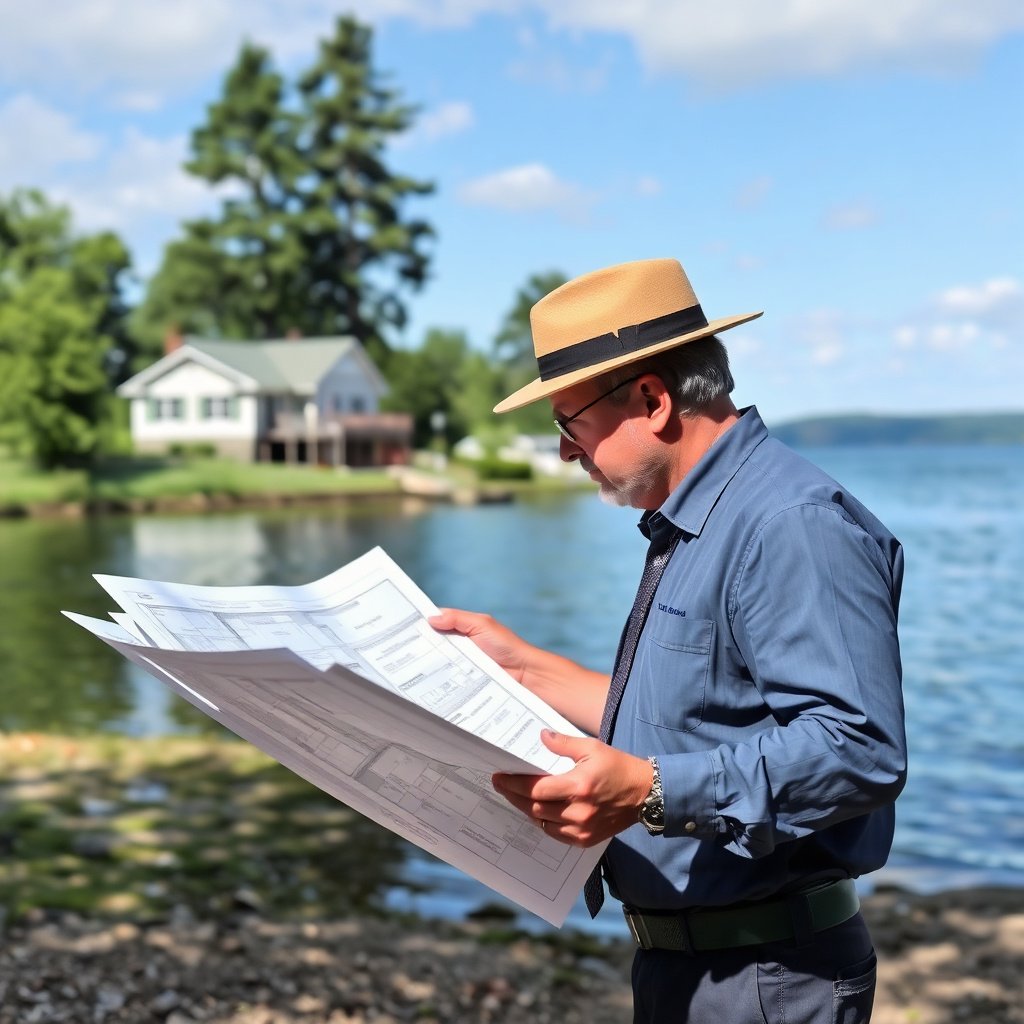
Navigating Local Zoning Laws
Every lakeside community has specific zoning laws controlling how properties can be used and developed. Restrictions often cover setbacks from the shoreline, maximum building heights, and limits on impervious surfaces to protect the aquatic environment. Consulting your local zoning office early can reveal these critical requirements to avoid costly redesigns later.
Zoning ordinances also determine what types of buildings are allowed and their intended uses. For a lake lot, these might include rules concerning residential dwellings, boathouses, or docks. Getting familiar with these laws ensures your plans conform to community standards and environmental protection goals.
Securing Necessary Permits
Building on a lake lot always requires multiple permits often from local, state, and sometimes federal agencies. Common permits include building permits, shoreline disturbance permits, and possibly environmental impact assessments. Early permit applications can help identify any ecological or regulatory hurdles specific to your lot.
Working with professionals who understand waterfront construction helps streamline permit approvals because they can submit detailed site plans and erosion control measures. Obtaining all permits before starting construction prevents legal complications and delays.
Site Evaluation and Environmental Considerations

Assessing Soil and Site Conditions
A thorough soil test is essential on a lake lot to determine bearing capacity and drainage characteristics. Waterfront sites often have sandy or silty soils that require specialized foundations to prevent settling or erosion. Knowing your site’s topography and flood risk informs the structural design and landscaping plan.
Understanding water table levels helps plan for basement moisture control or whether a slab foundation is preferable. Many lake lots have a high seasonal water table, which can complicate underground construction and require additional waterproofing measures.
- Conduct geotechnical soil tests
- Evaluate slope and drainage patterns
- Identify flood zones and setbacks
Protecting the Natural Shoreline
Environmental regulations often require maintaining or restoring native vegetation along the shoreline to reduce erosion and protect lake health. Creating a buffer zone between your construction and the water safeguards habitat and complies with environmental rules. Consider using permeable materials for driveways and paths to minimize runoff.
Incorporating sustainable landscaping and erosion control techniques not only preserves the lake ecosystem but also enhances the long-term stability of your property. Many communities encourage or require stabilization practices like planting deep-rooted shrubs and installing bio-retention areas.
- Establish a vegetative buffer zone
- Use permeable paving materials
- Implement erosion control measures
Designing Your Waterfront Home
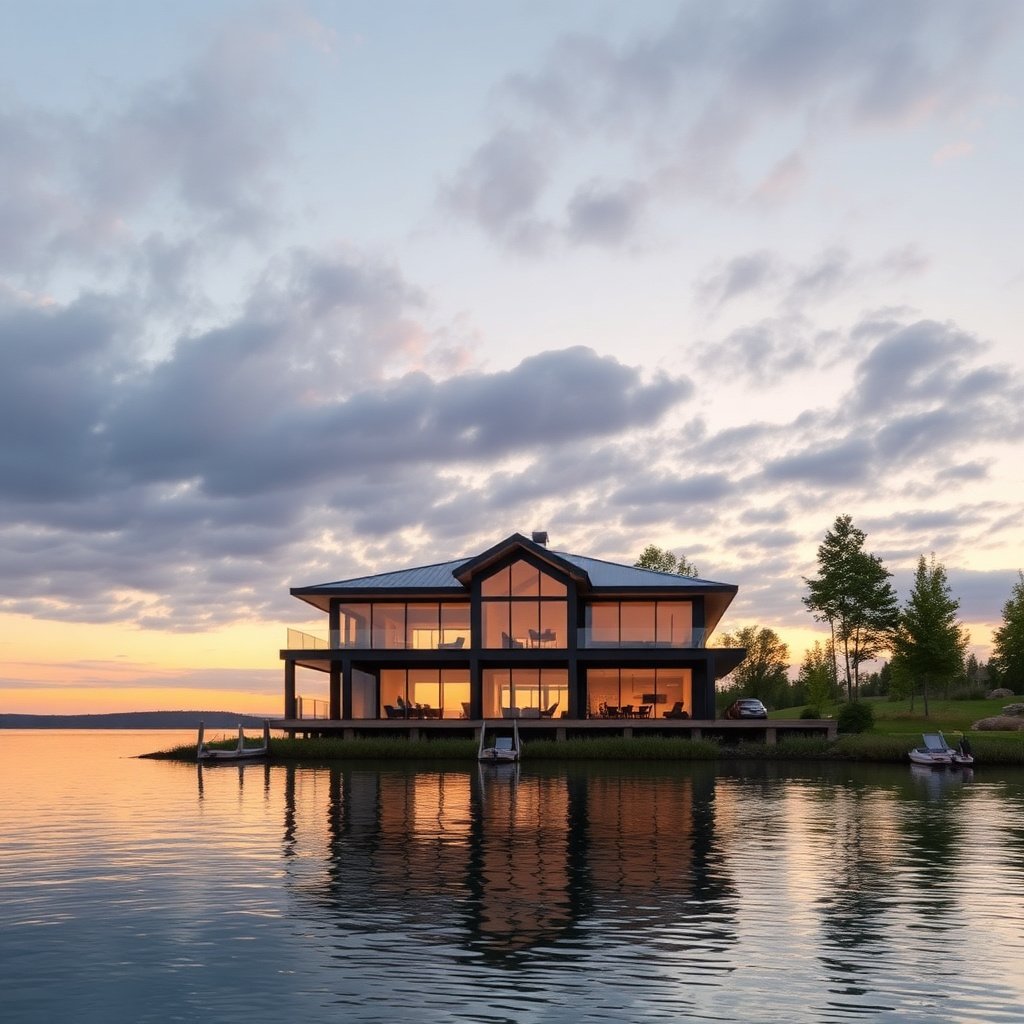
Maximizing Lake Views and Natural Light
Design choices focus heavily on integrating views of the lake into interior spaces. Large windows, open floor plans, and outdoor decks allow you to enjoy sunsets and water activities year-round. Orienting the home to capture solar gain during winter while providing shade in summer improves energy efficiency.
Window placement and room layout should prioritize privacy and connection to nature. Elements like glass doors opening to screened porches create seamless transitions from inside to outside, enhancing the lakefront living experience.
- Floor-to-ceiling windows on the lakeside
- Open concept living areas
- Covered decks and patios
For more on this, see our related guide: Is It Better to Buy a Lake Lot or a House? A Detailed Guide.
Choosing Durable Materials for Waterfront Conditions
Waterfront environments expose structures to moisture, wind, and sun, making material selection important to reduce maintenance. Opt for rot-resistant wood, fiber cement siding, and metal roofing designed to handle humidity and resist fading.
Using corrosion-resistant fasteners and finishes extends the lifespan of outdoor components like decks and railings. Also consider materials that are environmentally friendly and blend naturally with the landscape.
- Fiber cement or composite siding
- Stainless steel or galvanized hardware
- UV-resistant paints and stains
Foundation and Structural Elements for Lake Lots
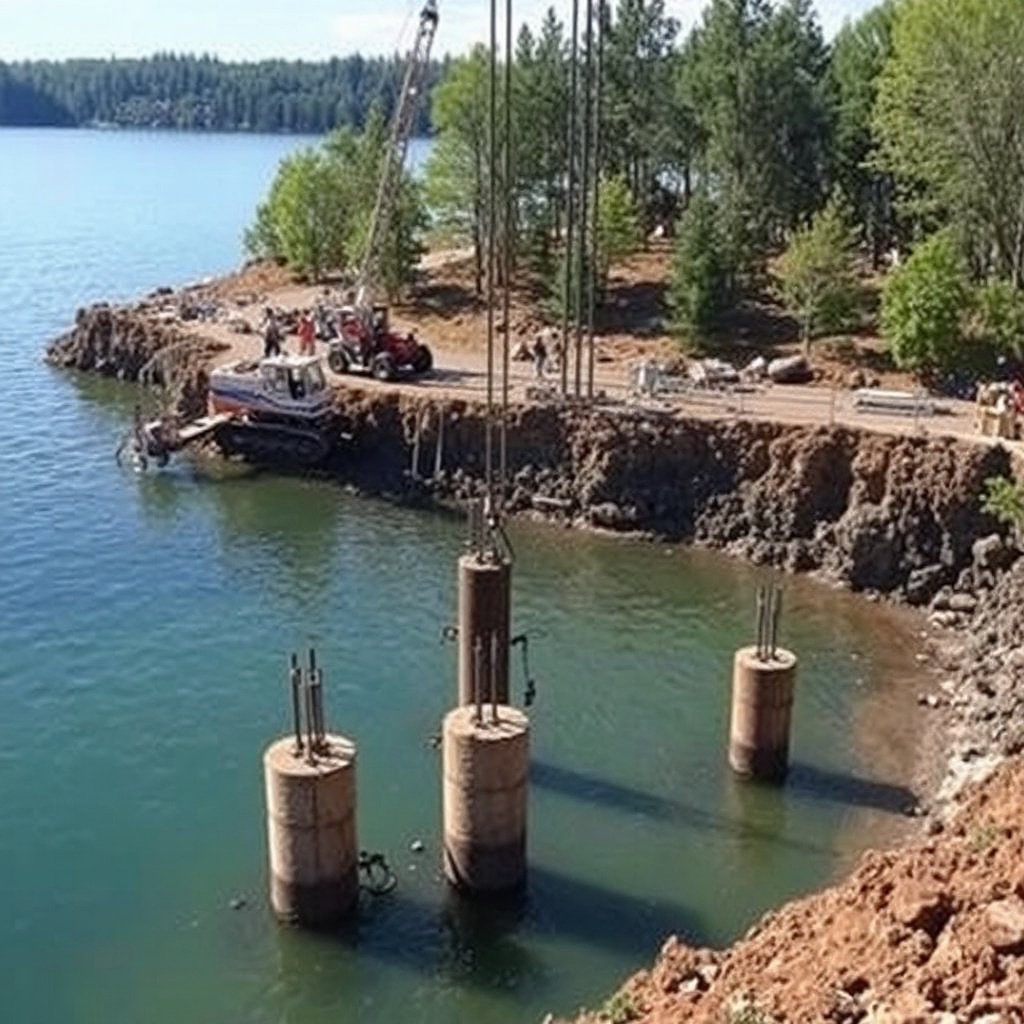
Choosing the Right Foundation Type
Due to high water tables and potential flooding, traditional slab foundations are often unsuitable on lake lots. Pier and beam foundations or deep pile systems provide stability and elevate the home above flood risk areas.
Engaging a structural engineer familiar with waterfront construction is critical to design foundations that resist soil movement and water forces. Proper foundation selection safeguards the building and extends its longevity.
- Pier and beam foundations
- Driven piles or helical piers
- Elevated floor systems
Addressing Flooding and Drainage
Flood-proof design includes elevating living spaces, installing drainage swales, and using flood vents to allow water flow without structural damage. Additionally, disconnecting impervious surfaces and grading the site away from the house prevents water pooling around the foundation.
Many lake lot projects incorporate rain gardens or dry wells to manage stormwater. Proper drainage planning minimizes erosion risk and improves resilience against extreme weather events.
- Elevate home above base flood elevation
- Incorporate flood vents and barriers
- Use landscaping for stormwater control
Construction Process and Managing Logistics
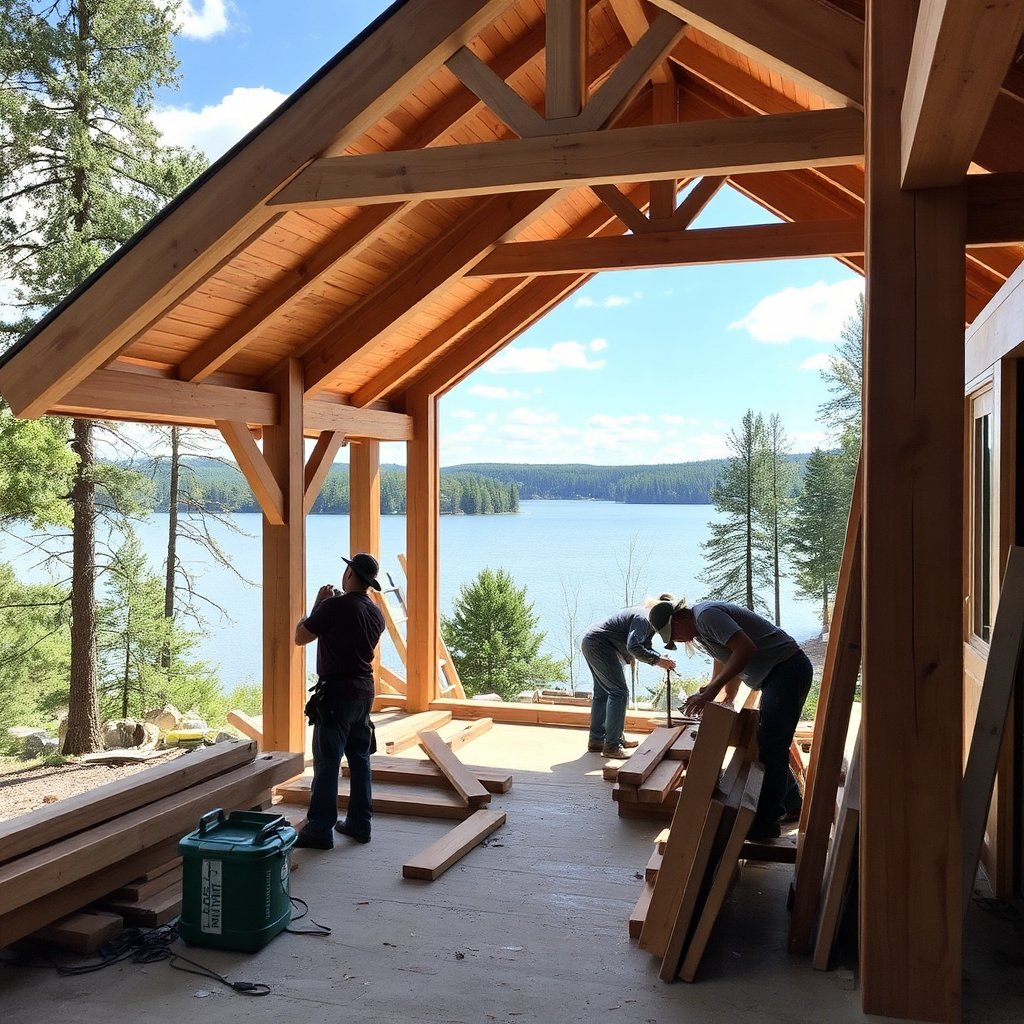
Access Challenges and Site Preparation
Building on a lake lot can mean limited road access, requiring careful planning for transporting materials and equipment. Temporary roads or barge deliveries may be necessary for remote sites.
Site preparation involves clearing vegetation carefully to protect the shoreline while ensuring enough space for construction activities. Staging materials away from water edges helps prevent environmental impact.
- Plan delivery routes in advance
- Minimize shoreline disturbance during clearing
- Establish secure material storage zones
For more on this, see our related guide: How Long Does It Take to Build a Lake House? A Complete Timeline Guide.
Working with Experienced Waterfront Contractors
Choose contractors who specialize in waterfront or waterfront-adjacent construction, as they understand local regulations and technical challenges. Their expertise ensures quality results and helps navigate unexpected site conditions.
Collaborating closely with your builder during all phases—from foundation to finishing—improves communication, keeps the project on schedule, and addresses lake-specific concerns promptly.
Integrating Utilities and Sustainable Systems
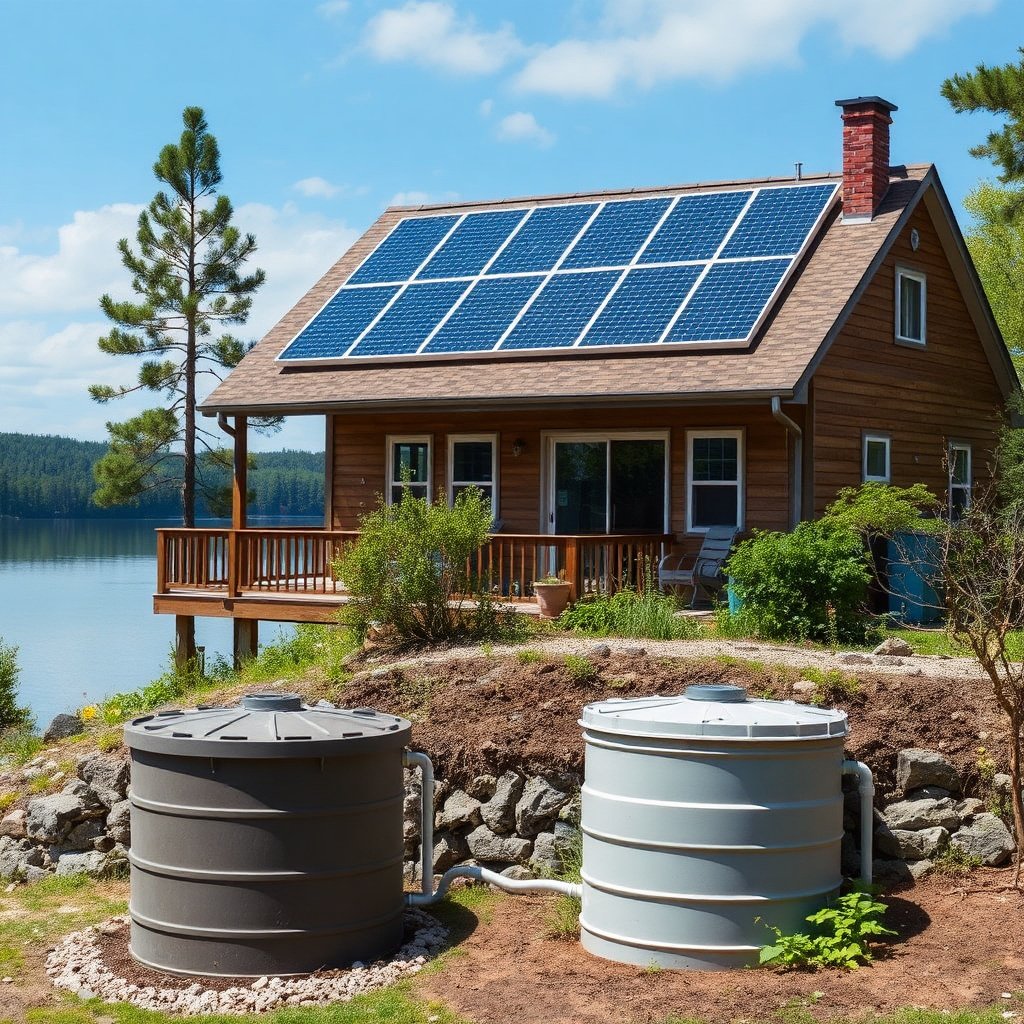
Water, Electricity, and Sewage Solutions
Lake lots often lack direct municipal connections, requiring wells for water and septic systems for sewage. Planning utility installations early in the design phase avoids costly adjustments later. Electrical service may be extended or rely partially on renewable systems depending on proximity to power grids.
Proper placement of septic tanks and drain fields away from the shoreline avoids contamination of the lake. Inspect local health regulations to design compliant on-site wastewater treatment.
- Install well systems with water filtration
- Use certified septic tank layouts
- Plan electrical access or solar installations
For a broad overview of lakefront property construction and related topics, this detailed article provides useful background information. lakefront property construction guidelines.
Incorporating Sustainable Features
Many lakefront homeowners choose sustainable features like solar panels, rainwater harvesting, and energy-efficient appliances to reduce environmental impact and utility costs. Green roofs and native landscaping also improve insulation and water management.
Incorporating sustainability is particularly fitting for sensitive lake environments, combining comfort with stewardship of natural resources.
Comparison of Popular Lake Lot Foundation Types
This table compares common foundation types suitable for building on lake lots, focusing on their advantages, cost considerations, and site suitability.
| Foundation Type | Cost Range | Flood Resistance | Soil Suitability | Maintenance |
|---|---|---|---|---|
| Pier and Beam | $15,000-$35,000 | High – Elevated above flood level | Ideal for soft or sandy soils | Moderate – periodic inspections |
| Slab-on-Grade | $10,000-$25,000 | Low – Vulnerable to flooding | Suitable for high, well-drained sites | Low – minimal upkeep |
| Driven Piles | $20,000-$50,000 | Very High – deep anchoring | Best for unstable or saturated soils | Low – durable over time |
| Helical Piers | $25,000-$55,000 | Very High – similar to driven piles | Good for various soil types including soft clay | Low – corrosion protection needed |
Frequently Asked Questions
Do I need a special permit to build near a lake?
Yes, building on a lake lot typically requires permits beyond standard building permits, including shoreline disturbance and environmental permits to protect aquatic ecosystems.
How can I protect my lakefront home from flooding?
Elevate the home above floodplain levels, use flood-resistant materials, install flood vents, and design landscaping to manage stormwater effectively.
What foundation types work best for lake lots?
Pier and beam foundations, driven piles, or helical piers are preferred due to their elevation and stability in water-prone soils.
Can I install solar panels on a lakefront home?
Yes, solar panels are an excellent sustainable choice for lakefront homes and can offset electricity costs while minimizing environmental impact.
Are there special soil tests needed for lake lot construction?
A geotechnical soil test is essential to assess bearing capacity, drainage, and flood risk, guiding foundation design.
Key Takeaways
- Local zoning laws and permits are essential first steps for lake lot builds.
- Choosing the right foundation prevents issues with flooding and unstable soils.
- Design for lake views while protecting the shoreline environment.
- Work with contractors experienced in waterfront home construction.
Conclusion
Building a house on a lake lot requires a thorough approach that balances enjoyment of the lake’s beauty with practical challenges like zoning restrictions and environmental protection. Understanding local regulations and obtaining the right permits sets the foundation for a smooth construction process. Site evaluation, including soil testing and flood risk assessment, guides decisions about structural systems and landscaping that will keep your investment stable and secure for decades. The overall process demands attention to detail from design through final construction, with emphasis on durability and sustainability due to the unique conditions present near water.
For those looking to build a waterfront home, pier and beam or deep pile foundations provide the necessary elevation and support to combat moisture and flooding concerns. Design strategies such as large windows and open layouts help maximize lake views, while using resilient materials ensures your home withstands weather challenges. Selecting contractors with waterfront experience and incorporating sustainable features like solar panels and shoreline buffers create a home that fits both your lifestyle and environmental responsibility.
Starting with a clear plan, consulting local experts, and following this guide's advice will set you on the right path to create a beautiful waterfront property. Take time to evaluate site-specific factors carefully, and don’t hesitate to engage professionals familiar with lake lot requirements for each project phase. With patience and thoughtful execution, your lake lot house can become a cherished retreat or full-time home that harmonizes living with nature.