How to Build a Boat Dock: Step-by-Step Guide for DIY Dock Construction
Building a boat dock involves choosing the right location, materials, and design tailored to your waterbody and boating needs. The process includes planning, securing permits, selecting materials like wood or composite decking, installing pilings or anchors, and assembling the dock structure safely and securely.
A well-built dock improves access to your boat, increases property value, and can provide a relaxing waterfront space. Understanding different types of docks, local regulations, and construction techniques is essential to create a durable, functional dock that withstands weather and water conditions.
This article covers the main stages of building a boat dock: from evaluating site conditions and legal requirements, picking materials, constructing the dock frame, finishing it with decking, to final safety checks. Whether you want a simple floating dock or a permanent structure, these insights will guide you through the process efficiently.
Planning Your Boat Dock Build
Choosing the Dock Location
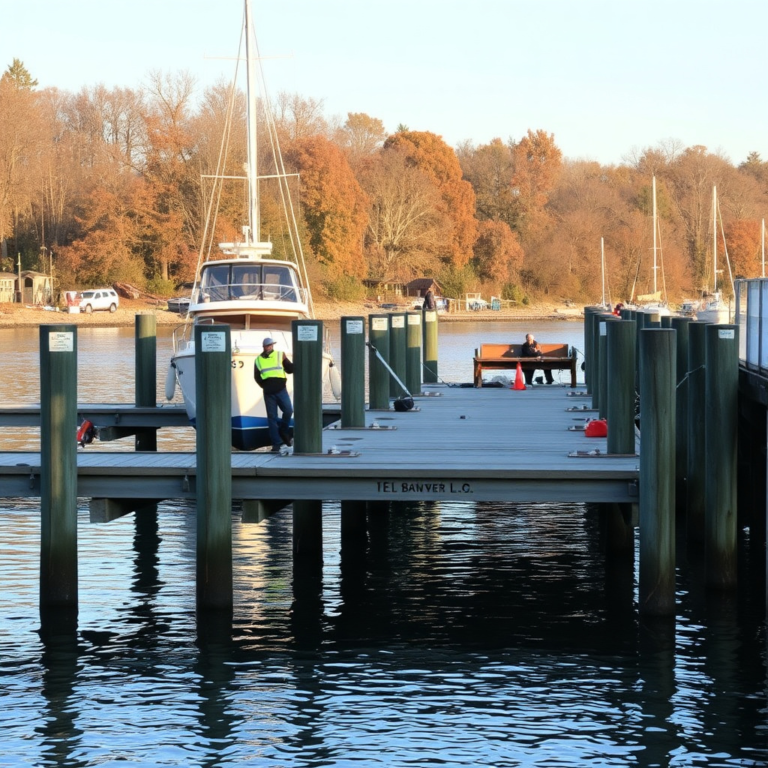
Selecting the right spot affects your dock's stability and usability. Look for calm water with minimal current, avoid shallow areas that may require extensive piling, and consider ease of access from your property. Also, watch for underwater hazards like rocks or vegetation that could interfere with docking.
Local tide levels and water depth variations influence how high or low your dock should be. Ideally, your dock should remain functional year-round, so study seasonal water changes to ensure your dock's height and anchoring system will perform well.
- Calm, protected water location
- Adequate water depth for boats
- Clear of underwater obstacles
- Accessible from the shore
Understanding Permit and Legal Requirements
Before building, check with your municipality or local conservation agency about permits or environmental regulations. Some areas have strict rules about dock size, materials, or placement to protect aquatic ecosystems and public waterways.
Securing a permit may involve submitting site plans, showing compliance with zoning laws, and a public comment period. Ignoring these can result in costly removals or fines, so address legal steps early in your project.
- Research local building codes
- Submit plans and applications
- Allow time for approval process
- Consider environmental impact
Selecting Dock Construction Materials
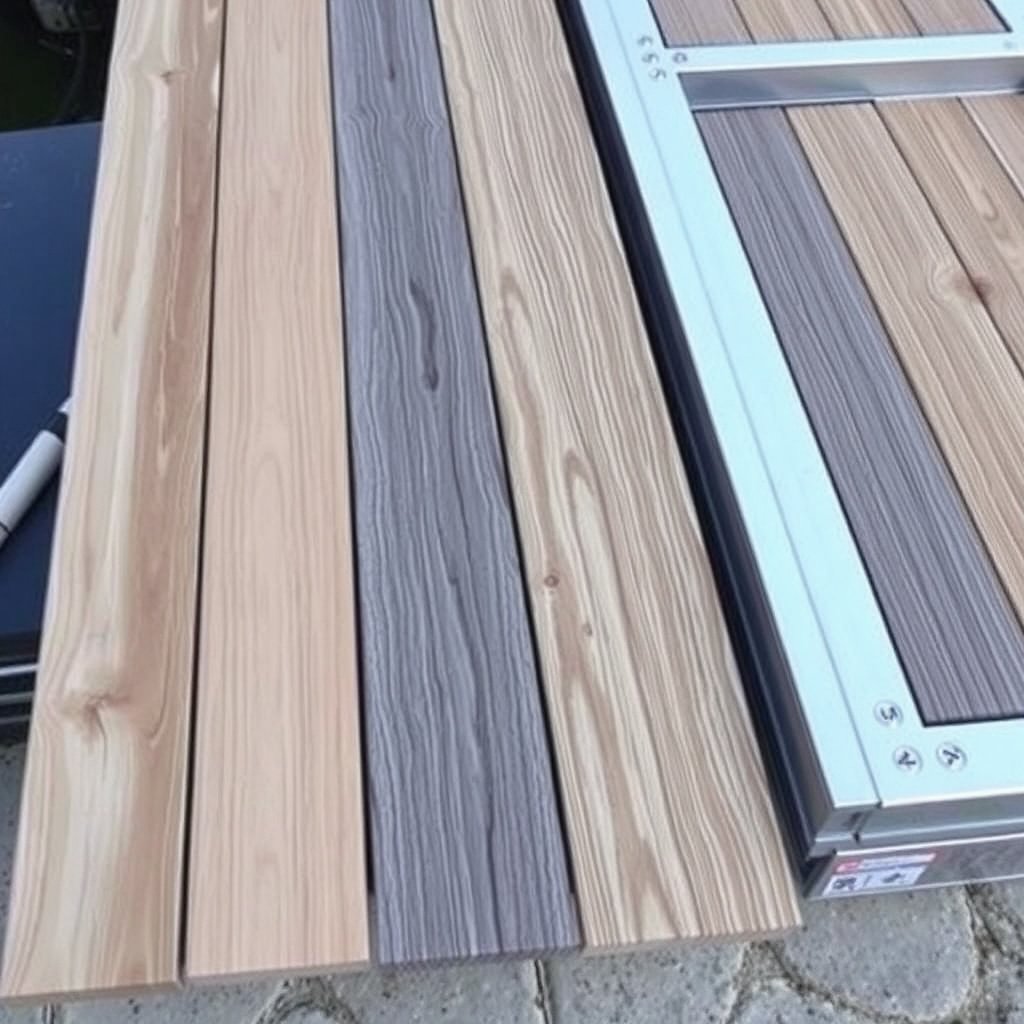
Wood Types for Dock Building
Pressure-treated pine is a common, budget-friendly choice resistant to rot and insects. Cedar and redwood are more natural options but usually costlier and less durable in aqueous environments. Tropical hardwoods like ipe offer exceptional durability but are less sustainable.
Wood requires regular maintenance such as sealing and inspections to prevent splintering or decay. Consider treatment levels and certifications to ensure your dock lasts longer and remains safe.
- Pressure-treated pine: affordable, durable
- Cedar and redwood: natural, moderately durable
- Tropical hardwoods: very durable, expensive
- Regular maintenance needed
For more on this, see our related guide: Average Cost of Building a Lake House: What You Need to Know.
Composite and Metal Alternatives
Composite decking combines plastic and wood fibers, providing resistance to rot, fading, and splintering, but costs more upfront. It’s low-maintenance and eco-friendly, often recycled material.
Aluminum frames or galvanized steel pilings offer excellent corrosion resistance and strength, suitable for permanent docks in salt or freshwater. These materials can increase initial costs but reduce long-term repair needs.
- Composite decking: low maintenance, durable
- Aluminum/steel: corrosion resistant, strong
- Higher upfront cost than wood
- Better long-term durability
Building the Dock Frame and Supports
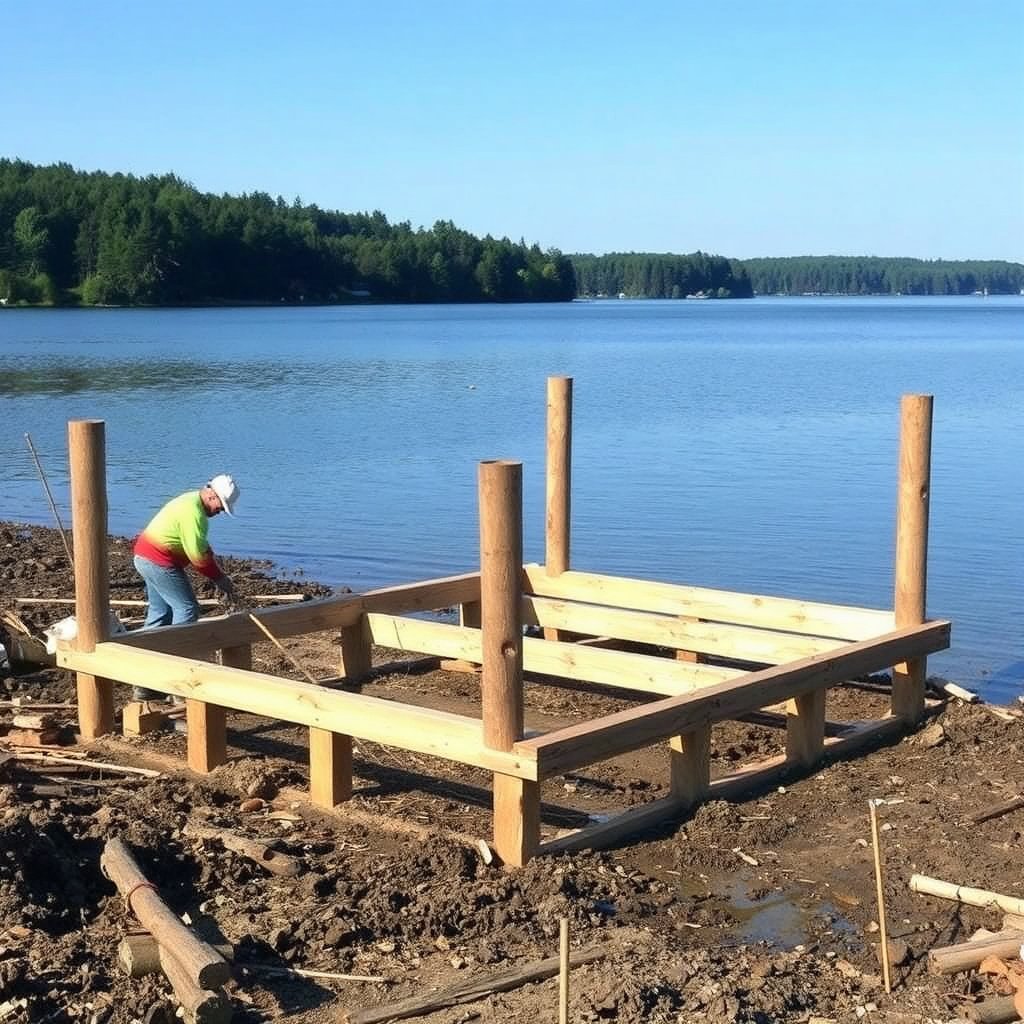
Installing Pilings and Anchors
Pilings are vertical supports driven into the lake or riverbed to hold the dock stable. Wooden pilings can be driven manually or with machinery; steel or concrete pilings may need heavy equipment. Anchors can be used for floating docks, secured to weights on the bottom.
The depth to drive pilings depends on soil type and water conditions. Proper installation avoids shifting or tilting and keeps the dock level and secure against waves and wind.
- Determine piling depth based on soil and water
- Use appropriate equipment for installation
- Ensure vertical alignment for stability
- Use anchors for floating dock systems
Assembling the Frame Structure
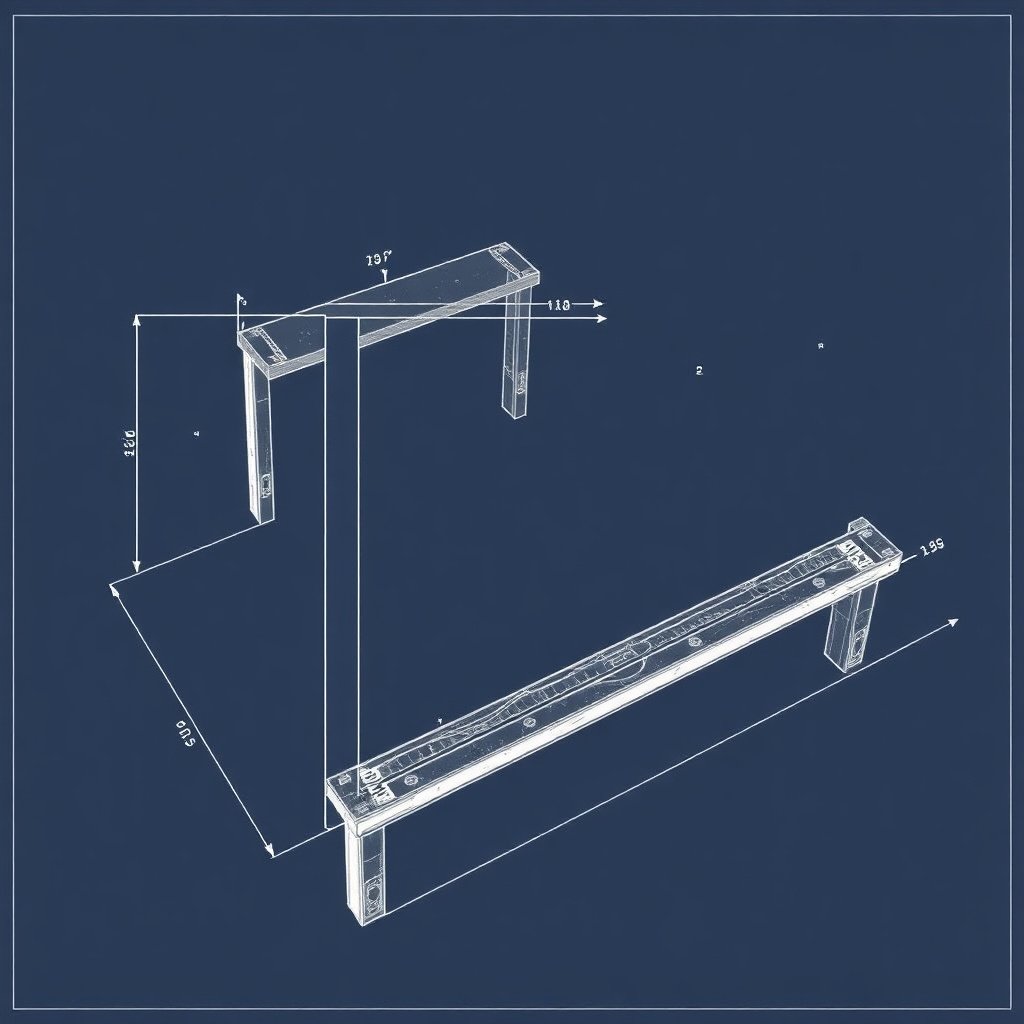
The frame connects pilings with cross beams and joists, typically built from treated lumber or metal. Accurate measuring and secure fasteners like galvanized bolts prevent movement and sagging.
Spacing joists correctly is critical to support decking weight, often 12-16 inches apart. Double-check levels and alignments throughout construction to ensure a safe, long-lasting dock foundation.
- Use treated lumber or metal frame components
- Secure with corrosion-resistant fasteners
- Maintain consistent joist spacing
- Check levels and squareness frequently
Adding Decking and Safety Features
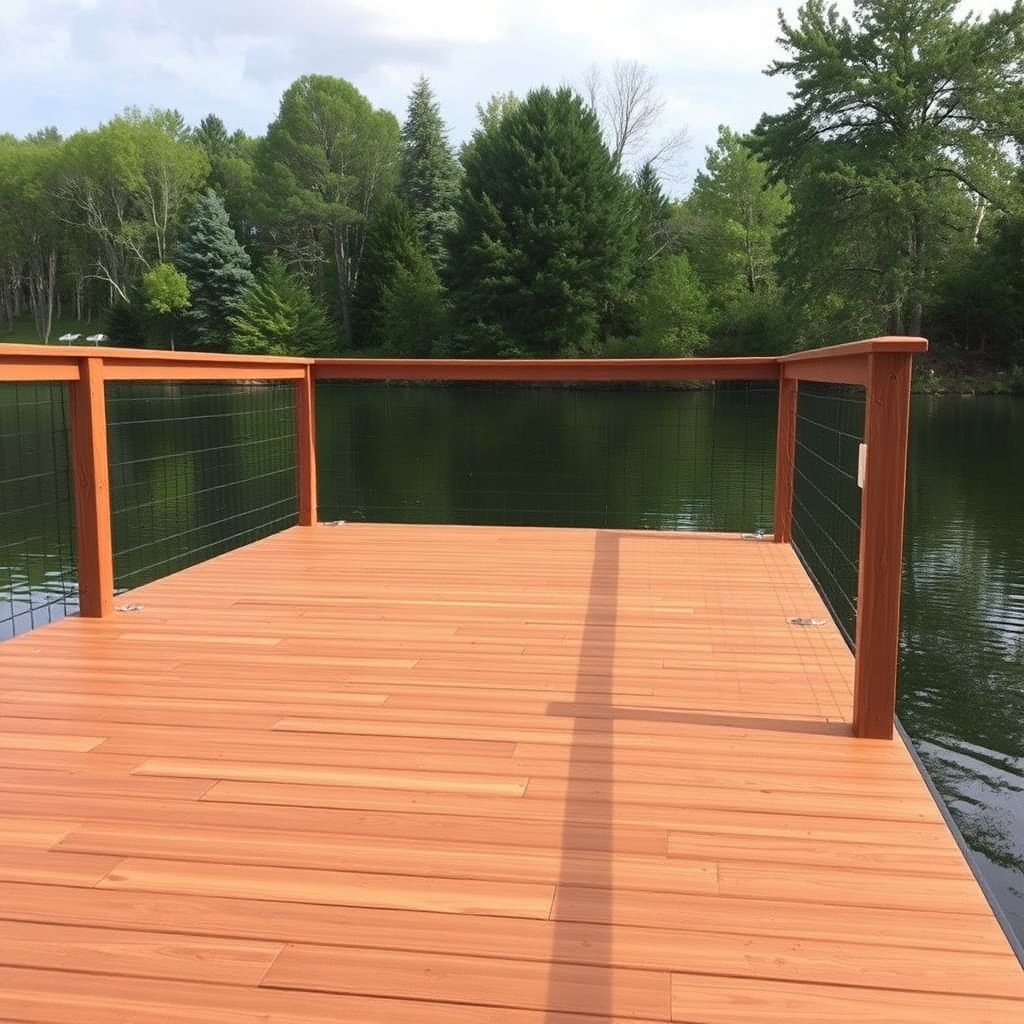
Choosing and Installing Decking
Decking boards are laid perpendicular to joists, attached with stainless steel screws or hidden fasteners to prevent rust and loosening. Wood boards should have a grooved or textured surface to improve traction when wet.
Composite decking requires manufacturer’s recommended fasteners and spacing. Leave slight gaps between boards for water drainage to prevent pooling and wood rot.
- Use stainless steel or coated screws
- Install grooved or textured decking boards
- Allow gaps for drainage
- Follow composite decking installation guides
For more on this, see our related guide: How Much Does a Boat Dock Cost? A Detailed Cost Guide.
Incorporating Safety and Finishing Touches
Adding railings, bumpers, and cleats enhances safety and usability. Railings prevent accidental falls, bumpers protect boat hulls during docking, and cleats secure boats with ropes.
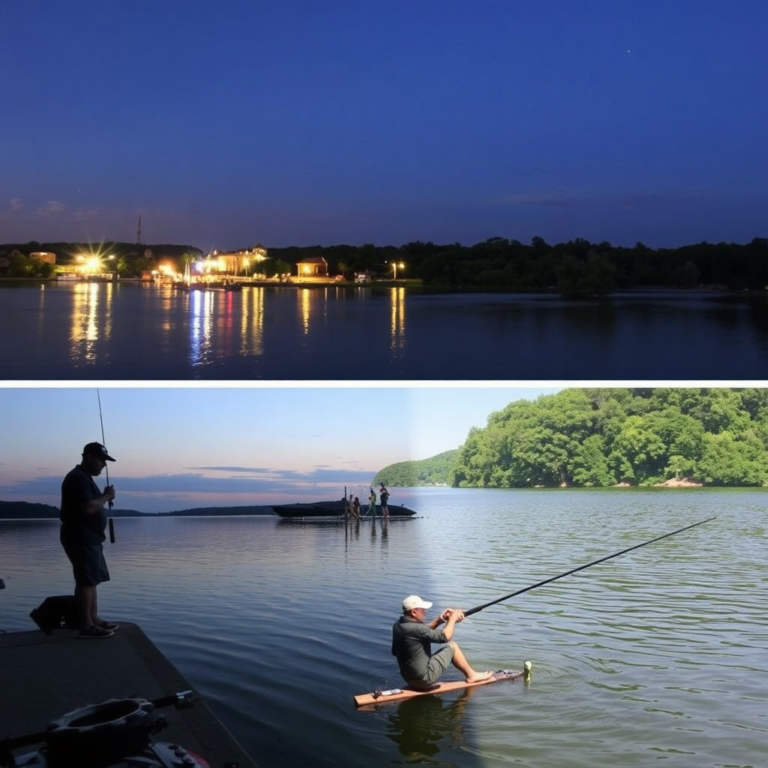
Lighting can also increase nighttime safety. Use waterproof, solar-powered dock lights to mark edges and pathways without complex wiring.
- Install sturdy railings on dock perimeter
- Add bumpers at docking points
- Attach cleats for boat mooring
- Consider solar or LED dock lighting
Maintenance and Seasonal Care for Your Dock
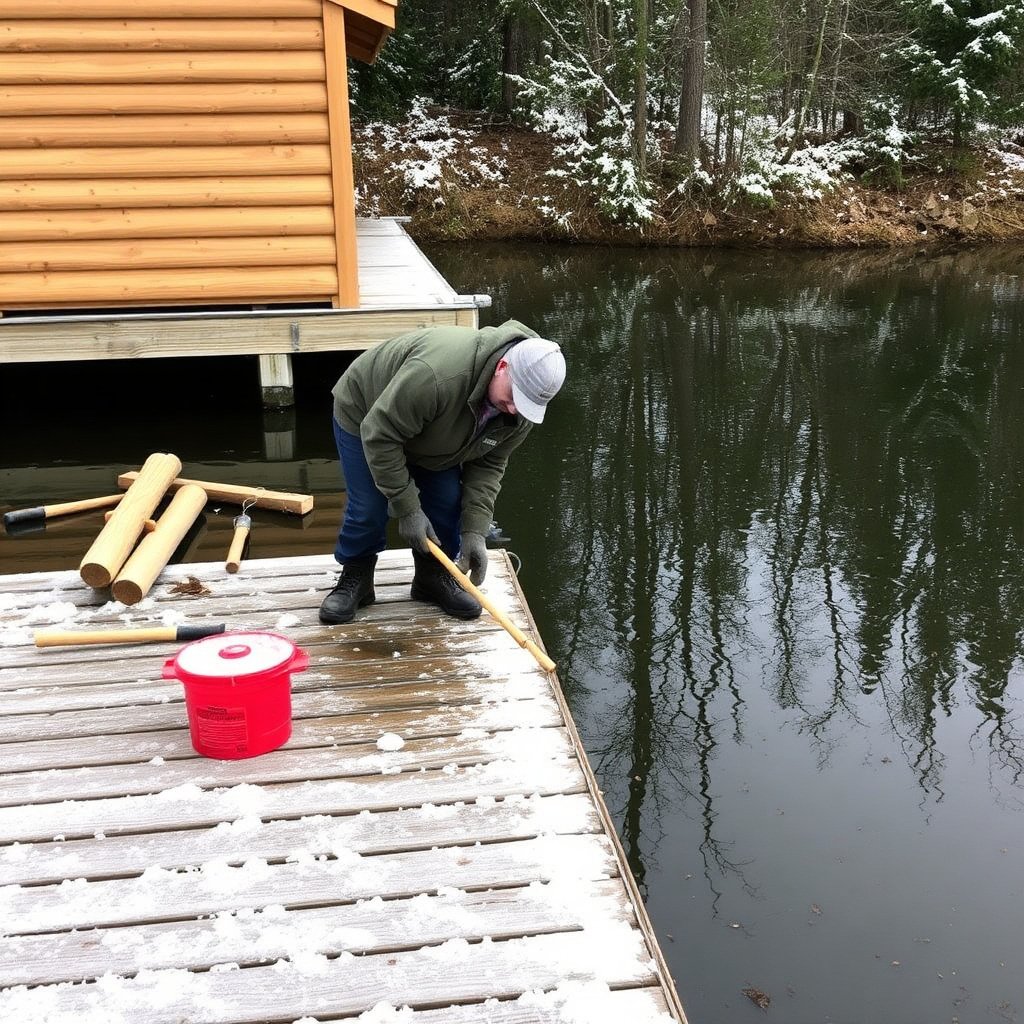
Regular Inspection and Repairs
Inspect connections, pilings, and decking annually to catch damage early. Replace cracked boards, tighten loose bolts, and treat wood surfaces to guard against rot and insect damage.
Look for corrosion on metal fasteners or supports and address rust spots promptly with sanding and protective coatings. Keeping on top of repairs extends the dock’s usable life significantly.
- Conduct yearly inspections
- Replace damaged wood and corroded fasteners
- Apply sealant or preservative treatments
- Monitor pilings for shifting or wear
For additional technical details and maritime terminology, the Boat dock information on Wikipedia provides valuable insights. Boat dock information on Wikipedia.
Preparing the Dock for Winter
In cold climates, remove or secure floating docks before freeze-up to prevent ice damage. For permanent docks, install ice breakers or fenders to reduce ice pressure. Clear debris to avoid buildup that can cause moisture damage.
Drain and store any removable dock accessories. Winterizing your dock protects its structural components and minimizes repair costs come spring.
- Remove or secure floating docks
- Install ice protection devices
- Clear debris regularly
- Store removable parts indoors
Types of Boat Docks and Their Features
This table compares common boat dock types based on installation, durability, and cost to help you decide the best option.
| Dock Type | Installation Complexity | Durability | Typical Cost Range |
|---|---|---|---|
| Floating Dock | Low | Moderate | Low to Medium |
| Pile Dock | High | High | Medium to High |
| Cantilever Dock | Moderate | High | Medium |
| Crib Dock | High | Very High | High |
| Pontoon Dock | Moderate | Moderate | Medium |
Frequently Asked Questions
Do I need a permit to build a boat dock?
Most areas require permits to build a boat dock, especially near public waterways. Check with local authorities to confirm regulations and submit necessary plans before construction.
What is the best wood for dock construction?
Pressure-treated pine is popular for affordability and resistance, while tropical hardwoods are strong and durable but more expensive. Maintenance is key for any wood type used.
How deep should pilings be driven for a dock?
Pilings should be driven deep enough to reach stable soil below the sediment layer, often several feet, depending on soil type and water conditions, to prevent shifting or sinking.
Can I build a floating dock myself?
Yes, floating docks are generally easier to build and install for DIYers. They require anchors or weights but avoid heavy piling installation, making construction simpler.
How do I maintain my dock to last longer?
Regularly inspect for damage, tighten connections, clean debris, and apply protective treatments to wood or metal parts. Winterizing your dock in colder climates also extends its lifespan.
Key Takeaways
- Plan dock location and secure permits before building
- Choose materials suited for your environment and budget
- Construct a sturdy frame with proper piling installation
- Maintain regularly and prepare your dock for seasonal changes
Conclusion
When deciding how to build a boat dock, start by carefully assessing your waterfront site and understanding local regulations. This foundation of knowledge will guide your choices in design and materials, balancing durability, cost, and ease of construction. The core of a successful dock involves proper piling installation to create a stable base, matched with decking and safety features adapted to your boating needs.
Different dock types serve different purposes: floating docks offer DIY-friendly, cost-effective solutions for calm waters, while pile docks deliver long-term durability and stability suitable for busier or more exposed locations. Choosing between wood or composite decking affects ongoing maintenance and aesthetics. Using corrosion-resistant fasteners and applying protective treatments extends dock life significantly, making investment in quality materials worthwhile.
To get started, evaluate your shoreline, acquire necessary permits, and select a dock style that fits your boating activities. From there, build the frame carefully with attention to leveling and fastening, followed by decking and safety installations. Maintaining your dock each year and preparing it for winter conditions protects your investment and ensures many years of enjoyment on the water.