Is It Better to Buy a Lake Lot or a House? A Detailed Guide
Deciding between buying a lake lot or a house depends largely on your priorities, budget, and future plans. A lake lot is raw land usually priced lower and offers flexibility to build your ideal home, but comes with added responsibilities and time to develop. Meanwhile, a house provides immediate occupancy and established living conveniences, often at a higher cost than just land.
This choice matters because it affects your lifestyle, financial commitment, and timeline for enjoying lakefront living. Investing in a lake lot gives you creative freedom and potential property appreciation but requires effort in construction and permitting. Buying a house delivers a ready-to-move-in solution with established infrastructure, often appealing to those wanting instant gratification from their purchase.
This article will examine key aspects such as costs, lifestyle impact, development demands, legal considerations, financial factors, and investment potential to help you gauge whether a lake lot or a house makes more sense for your situation.
Cost Comparison Between a Lake Lot and a House
Initial Purchase Price Differences
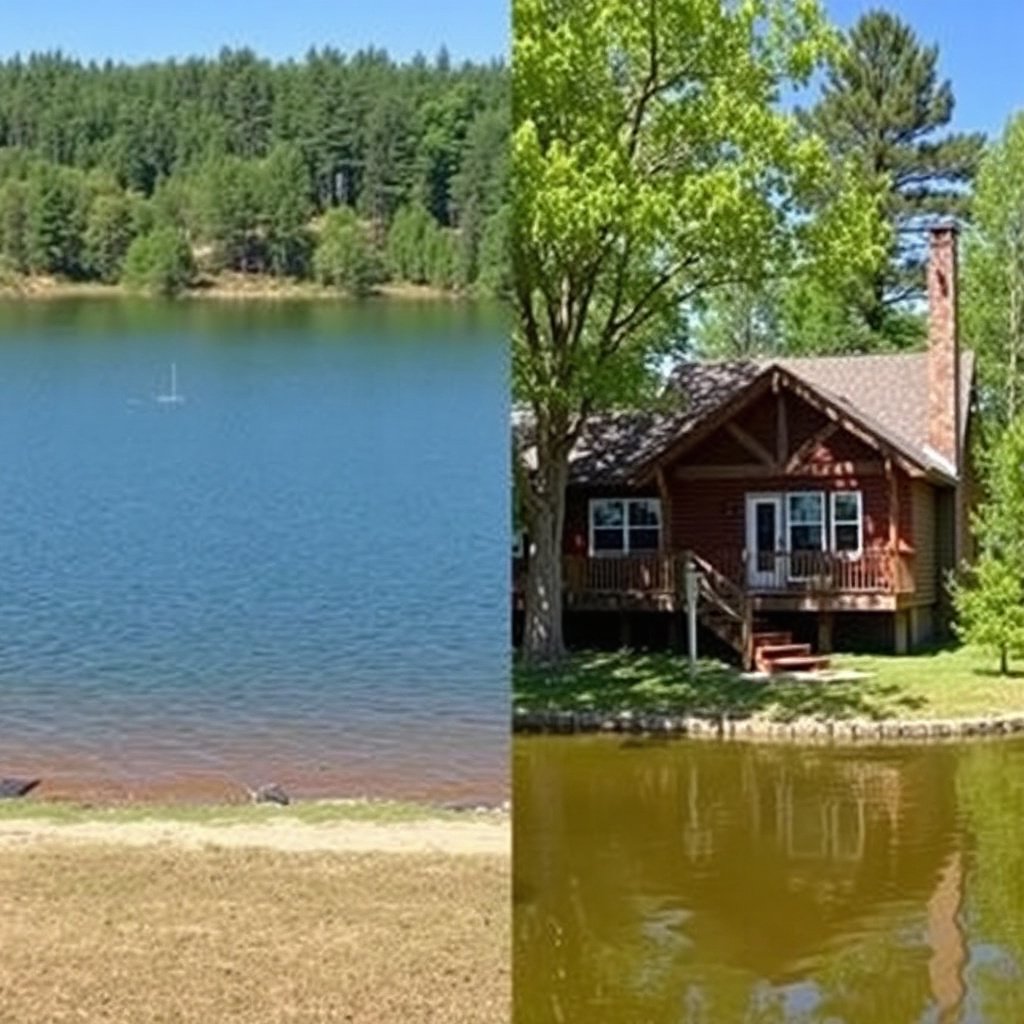
Lake lots generally come at a lower upfront cost than houses. Prices vary depending on size, location, and proximity to amenities, but buying land alone is often a more affordable entry point into lakefront ownership.
Homes tend to be more expensive due to existing structures, landscaping, and possibly luxury features like docks or boathouses. The pricing reflects both the land and the improvements made.
Additional Development and Maintenance Costs
Purchasing a lake lot means factoring in cost for building permits, architectural plans, and construction expenses. Utilities might not be connected, requiring extra investment for water, electricity, septic systems, and access roads.
A house buyer benefits from existing infrastructure but will still face regular maintenance, property taxes, insurance, and potential renovations over time.
Lifestyle and Usage Flexibility When Buying a Lake Lot or a House
Freedom to Design with a Lake Lot
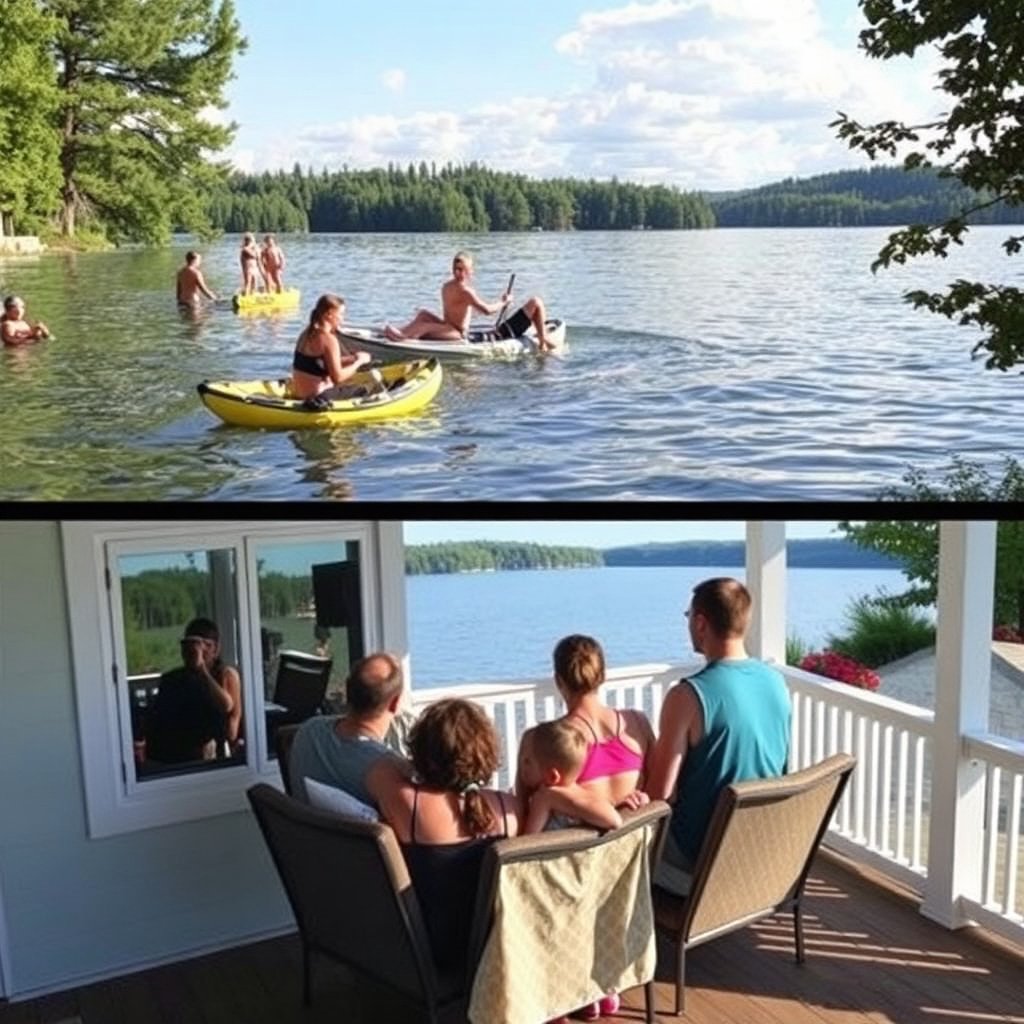
Owning a lake lot allows you to design and build a custom home that fits your preferences perfectly, from layout to materials. This appeals to buyers who want a unique home rather than adapting to someone else’s design.
You can also decide on key lifestyle features like docks, boathouses, or outdoor kitchens, making it an appealing canvas for creating your ideal lakefront retreat.
Immediate Comfort with a Lake House
Purchasing a house means you can start enjoying lake living right after closing, with no construction required. Many come furnished and landscaped, providing a move-in-ready solution perfect for families or seasonal vacationers.
Houses typically offer conveniences like established road access, reliable utilities, and community amenities, enhancing ease of use and comfort.
Development Challenges and Legal Considerations for Lake Lots
Permitting and Zoning Restrictions
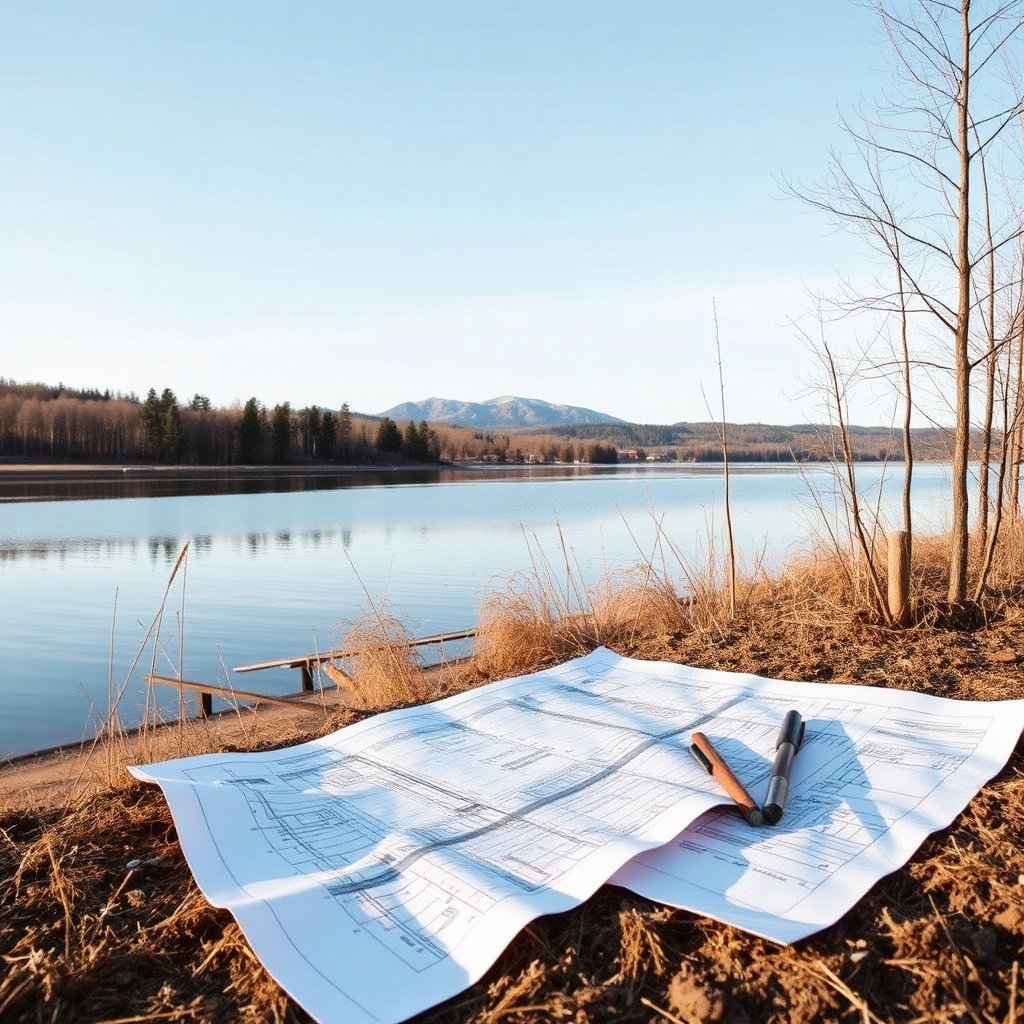
Building on a lake lot requires navigating local zoning laws and obtaining necessary permits which can be complex and time-consuming. Restrictions may apply to building size, landscaping, septic systems, and shoreline protections.
Understanding these legal parameters before purchase is critical to avoid costly delays or modifications during construction.
For more on this, see our related guide: How to Buy a Lake House at the Lake of the Ozarks: A Complete Guide.
Environmental and Shoreline Protection Rules
Lakeside parcels often have environmental regulations to protect water quality and natural habitats. These rules can limit clearing vegetation, altering shorelines, or building certain types of docks.
Consulting with local authorities about these rules is vital to ensure your lake lot development plans comply with laws and preserve the ecosystem.
Financial and Investment Potential of Lakefront Properties
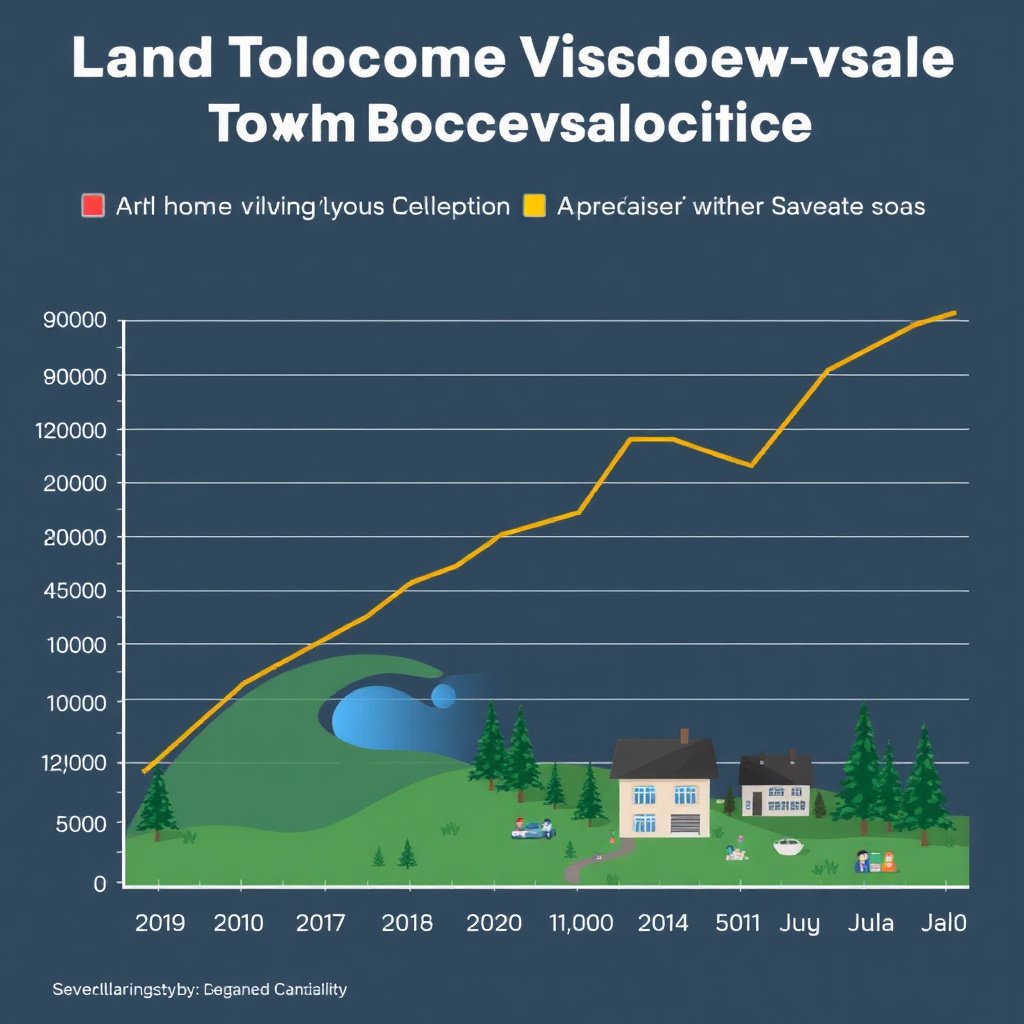
Appreciation Potential of Lake Lots
Lake lots can offer strong appreciation if the area grows or demand increases for custom lake homes. The flexibility to build can attract future buyers willing to pay premiums for turnkey solutions.
However, undeveloped lots may resist rapid value growth compared to existing houses, especially if infrastructure development is slow or uncertain.
Resale Value and Rental Possibilities of Houses
Houses on the lake typically have more predictable resale values, especially if well-maintained. They also offer better opportunities for short-term rentals or vacation income due to immediate readiness.
Owners can monetize their investment seasonally, which can offset ownership costs and increase overall financial returns.
Access and Infrastructure Considerations for Lake Lots vs. Houses
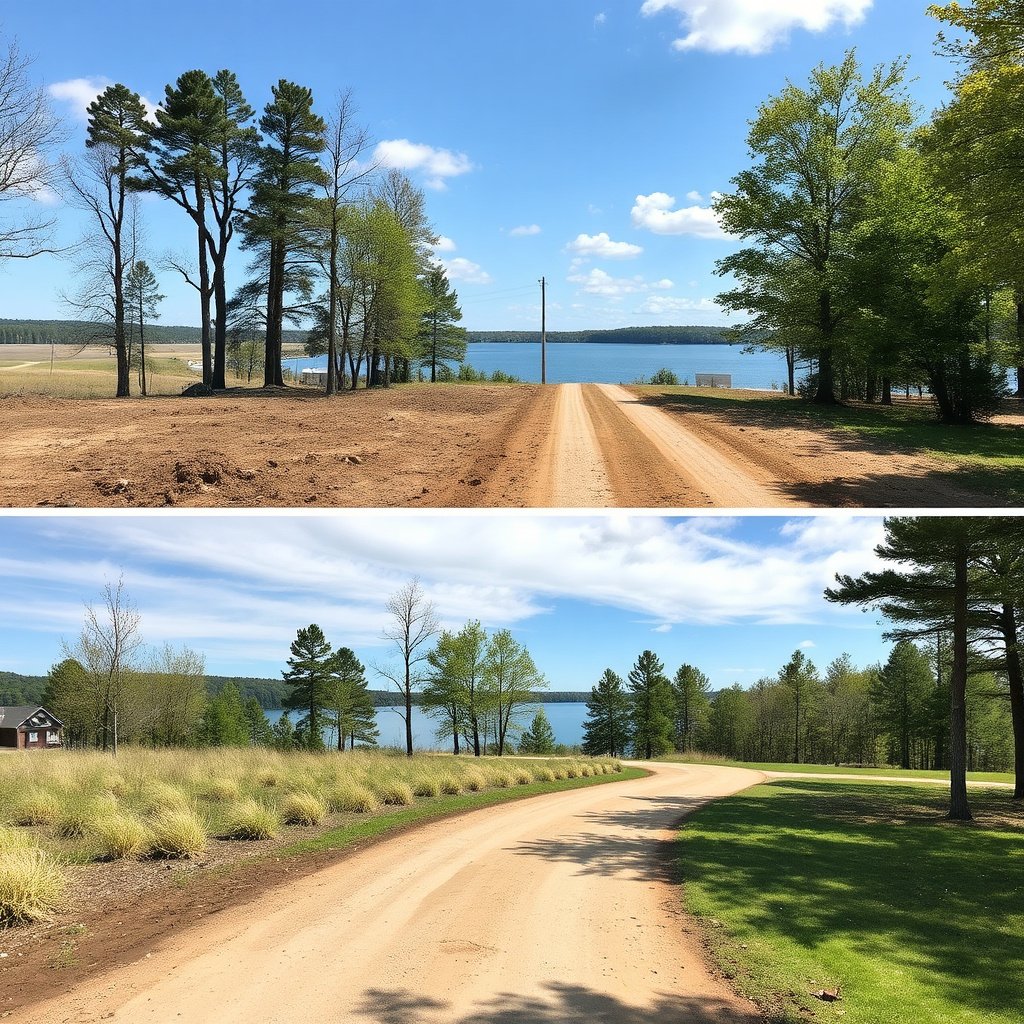
Utility Availability on Lake Lots
Utility access is not guaranteed with vacant lake lots. Many lots require well drilling, septic installation, and negotiation for electrical or internet service connections, which can add substantial costs and complications.
Evaluating existing utilities before purchase can prevent surprises and influence your overall budget and timeline.
For more on this, see our related guide: Average Cost of Building a Lake House: What You Need to Know.
Established Infrastructure in Lake Houses
Homes come with established infrastructure like water, sewer, electricity, and road access, offering immediate functionality. This reduces the logistical burden and lets owners focus on enjoying the property.
Good infrastructure also means less risk of service interruptions or additional investments post-purchase.
Community and Social Environment Differences
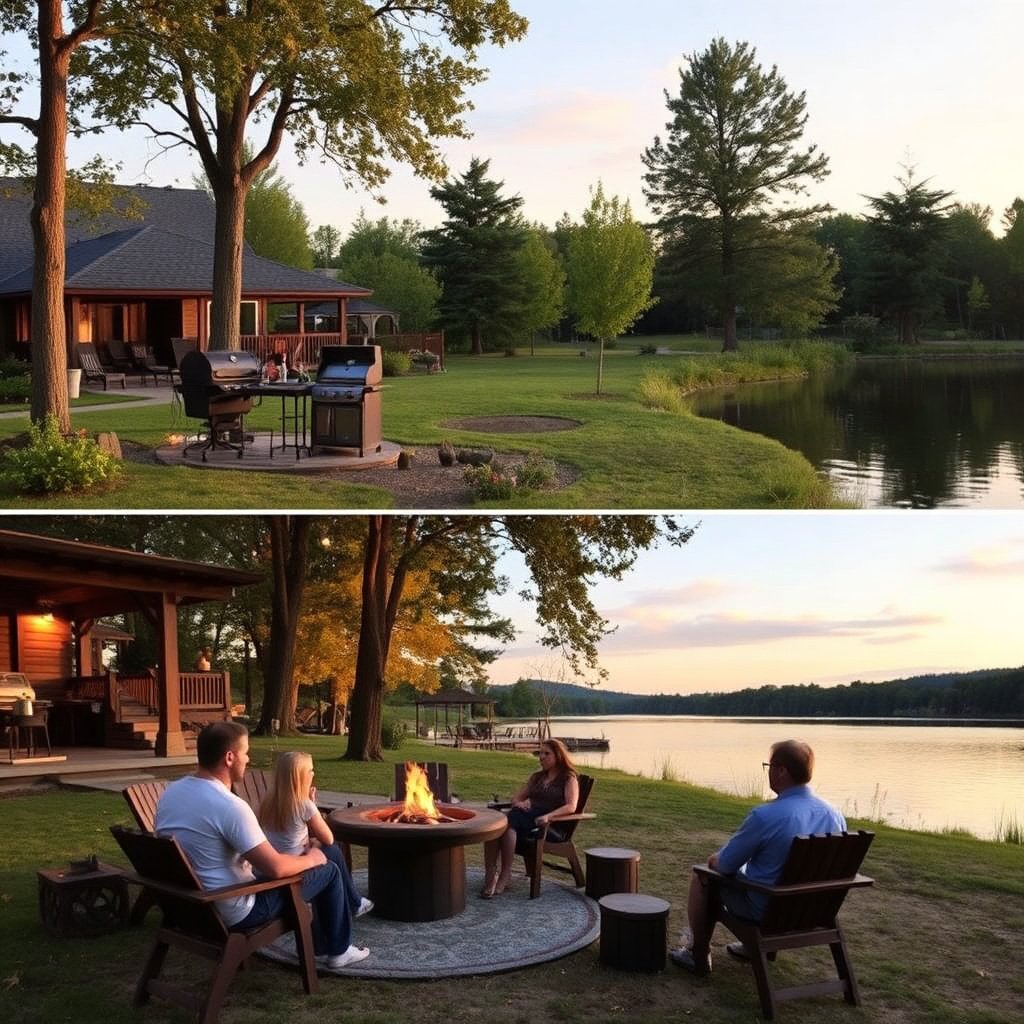
Privacy and Seclusion with a Lake Lot
Buying a lake lot often means more privacy, as these parcels can be situated away from established neighborhoods or clusters of homes. This appeals to buyers seeking solitude or a quiet retreat.
However, isolation might also mean less access to community resources or social engagement opportunities.
Community Feel in Established Lake House Areas
Lake houses frequently exist within developed communities where neighbors share amenities like boat launches, beaches, or recreational facilities.
This setting provides social opportunities, organized events, and a sense of connection among residents that many buyers find appealing.
Environmental Impact and Stewardship Responsibilities
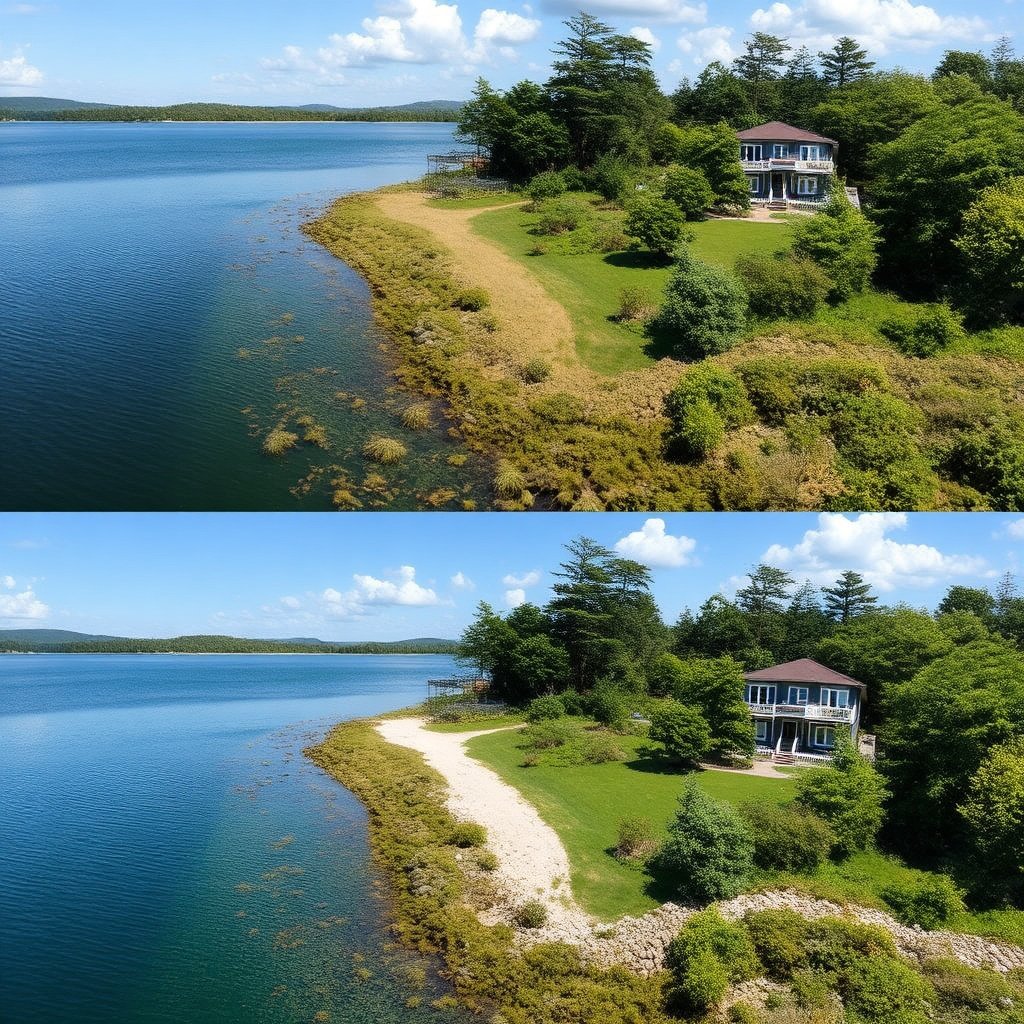
Impact of Developing a Lake Lot
Turning a lake lot into a developed property involves clearing land, installing structures, and adding docks, which can disrupt natural habitats if not managed carefully.
Buyers must balance construction desires with environmental stewardship to protect water quality and shoreline integrity.
For a broader understanding of lake environments and how property development might impact them, you can refer to this detailed lake habitat overview. Lake (habitat) overview.
Maintaining a Sustainable Lakefront House
House owners often have ongoing responsibility to manage runoff, preserve vegetation, and prevent erosion to keep the lake ecosystem healthy.
Using native plants and following best practices for shoreline maintenance can reduce negative impacts while preserving property value.
Lake Lot vs. Lake House: Key Differences Compared
Here is a comparison highlighting important factors when deciding between a lake lot and a lake house.
| Feature | Lake Lot | Lake House |
|---|---|---|
| Initial Cost | Lower purchase price | Higher purchase price due to structure |
| Time to Occupy | Requires construction time | Move-in ready |
| Development Complexity | Needs permits and utilities setup | Infrastructure established |
| Maintenance | Building and site maintenance post-construction | Regular home upkeep |
| Privacy | Often more secluded | Community setting |
| Investment Potential | Appreciation varies, potential for custom builds | Consistent resale value and rental income |
| Lifestyle Flexibility | Design your own home and features | Ready comforts and amenities available |
Frequently Asked Questions
Can I build any kind of house on a lake lot?
Building options depend heavily on local zoning, environmental rules, and building permits. It’s essential to check restrictions on size, materials, and shoreline development before purchasing.
Are lake houses more expensive to maintain than other homes?
Lake houses often require maintenance related to moisture, erosion control, and dock upkeep, which can increase costs compared to standard homes, but this varies by property.
Is financing easier for a lake lot or a lake house?
Mortgages are generally easier to secure for houses than for vacant land, which may require higher down payments or specialized loans due to the lack of immediate structures.
Can I rent out a lake house for vacation income?
Yes, many lake house owners rent their homes seasonally, providing a potential income stream. Lake lots cannot be rented unless developed first.
How long does it typically take to build on a lake lot?
Construction timelines vary but often range from several months to over a year, depending on project scope, permitting duration, and weather conditions.
Key Takeaways
- Lake lots cost less initially but require investment in development and utilities.
- Lake houses offer immediate lakefront living with existing infrastructure.
- Legal and environmental regulations heavily impact lake lot development.
- Lake houses provide better rental and resale opportunities with established comfort.
Conclusion
When weighing whether it is better to buy a lake lot or a house, your decision should align with your lifestyle goals, financial readiness, and timeline for enjoyment. The main keyword captures the essence of this choice: a lake lot offers creative freedom but demands patience and extra expense in building, whereas a lake house provides immediate enjoyment with upfront convenience at a higher price. Evaluating costs, infrastructure needs, and local regulations will help you make a sound decision.
For those who treasure customization and long-term investment, purchasing a lake lot may be ideal, allowing a tailored lakefront property that meets unique needs. If ready-to-live comfort, community atmosphere, or rental income are priorities, a lake house typically fits better. Ultimately, your personal preferences and financial plan should guide whether you pursue raw land or an established home. Using the comparison insights from this article can clarify where your interests align best.
Once you decide, next steps include visiting properties to assess access and local ordinances, consulting professionals on construction or real estate matters, and obtaining financing aligned with your choice. Whether you select a lake lot or a house, lakefront ownership offers enriching experiences and valuable investment potential that can greatly enhance your lifestyle.