Is a Lake House a Good Investment? Pros and Cons Explained
A lake house can be a good investment, but its success depends on several factors including location, market trends, and your personal goals. Lake houses often appreciate in value due to scarcity and desirability, especially if the area attracts tourism or seasonal visitors. However, they also come with maintenance costs and market volatility that can affect returns.
Owning a lake house provides not only potential financial gains but also lifestyle benefits such as recreational opportunities and vacation use. In many cases, these properties are considered both a personal retreat and a tangible asset, which adds to their appeal as an investment. Still, the financial advantages vary greatly depending on how you utilize the property and the demand in the local market.
This article will explore the key considerations for lake house investment, including location factors, costs to expect, rental potential, tax implications, and long-term value prospects. By understanding these aspects, you’ll be better equipped to decide if investing in a lake house fits your financial and lifestyle objectives.
Understanding Location Factors for Lake House Investment

Why Location is Critical for Lake Houses
The location of a lake house plays a major role in its investment potential. Properties on popular lakes with good access, amenities, and natural beauty tend to hold or increase their value. Proximity to larger cities or tourist attractions can boost demand and rental income possibilities.
Conversely, lake houses in remote or overdeveloped areas might struggle with value retention or sell at a discount. Local regulations, environmental restrictions, and water quality also influence desirability and thus the financial outlook of the investment.
Market Trends Impacting Lakefront Property Investment
The lakefront property investment market is subject to seasonal trends, economic shifts, and demographic changes. In some regions, increased interest in outdoor living and vacation homes has driven prices upward, creating good appreciation opportunities.
However, during economic downturns or periods of low demand, lake houses might be harder to sell or rent. Monitoring regional real estate cycles can help investors time purchases and sales more advantageously.
Costs and Maintenance Considerations

Initial and Recurring Expenses of Owning a Lake House
Beyond the purchase price, lake houses require ongoing maintenance such as dock upkeep, landscaping, pest control, and sometimes septic system care. These costs can add up and impact net returns from the investment.
Seasonal demands for maintenance also mean you may incur higher costs or hire local services for tasks like winterizing or repairing water-facing structures.
- Property taxes and insurance often exceed those of non-waterfront homes
- Utilities may be more expensive or limited in remote lake areas
- Resurfacing docks and seawalls can be significant periodic expenses
For more on this, see our related guide: How to Market a Lake House: Proven Strategies to Attract Buyers.
Managing Maintenance and Upkeep Efficiently
Developing a maintenance schedule and budgeting for unexpected repairs can help control costs. Some owners hire local property managers or caretakers, especially if the lake house is used seasonally or rented to tenants.
Taking preventive measures such as investing in durable materials and monitoring for water damage helps extend the lifespan of the property’s exterior components, protecting your investment’s value.
Rental Income Opportunities from a Lake House
Short-term Vacation Rentals and Their Profitability
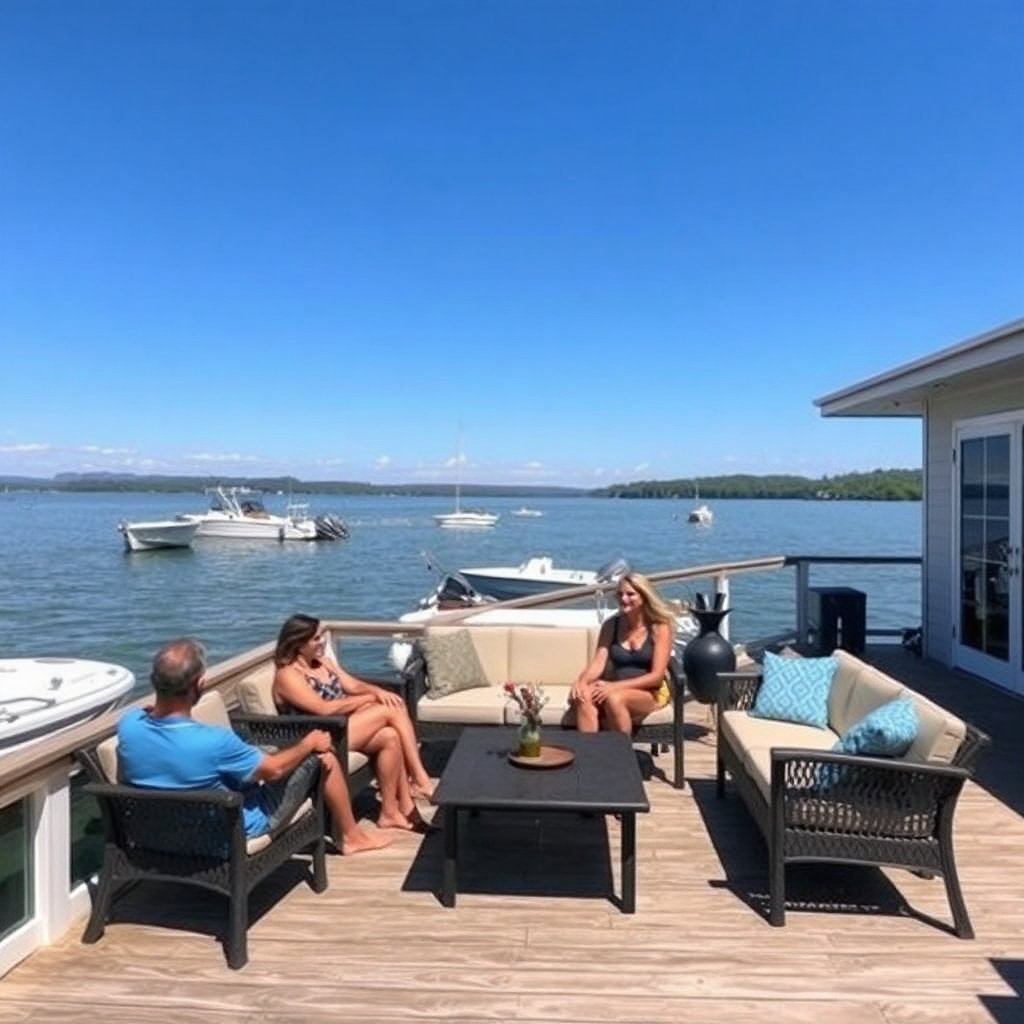
Many lake house owners generate income by renting out their properties during peak seasons. Short-term rentals can yield substantial profits, especially in sought-after areas with high tourist traffic.
However, rental income fluctuates with seasonality and local regulations might limit short-term leasing. Marketing the property well and maintaining a desirable setup are key to maximizing rental returns.
- Listing on platforms like Airbnb can increase exposure
- Offering amenities such as boats or fishing gear adds appeal
- Cleaning and turnover costs need to be factored in
Long-term Leasing vs. Vacation Rentals
Long-term leases provide steady monthly income but typically at lower rates compared to short-term vacation rentals. They reduce management hassle but limit personal use and flexibility.
Considering your financial goals and availability to manage rental logistics will guide the choice between these leasing strategies for your lakefront property investment.
Legal and Tax Implications for Lake House Owners

Understanding Tax Benefits and Obligations
Owning a lake house brings specific tax considerations including property tax rates that are often higher due to waterfront location. Mortgage interest may be deductible if the property serves as a second home.
Rental activities can further complicate tax filing, requiring reporting of income and expenses. Consulting a tax professional familiar with lakefront properties can prevent costly surprises.
For more on this, see our related guide: How to Buy a Lake House: A Practical Guide for First-Time Buyers.
Zoning Laws and Environmental Regulations
Local zoning laws affect what modifications and uses are allowed on lakefront properties. Environmental regulations may restrict building near the shore or require permits for docks and seawalls.
Being informed and complying with these legal requirements protect your investment from fines and preserve the lake’s natural condition, which supports long-term value.
Evaluating Long-term Appreciation and Resale Potential
Historical Appreciation Patterns for Lake Houses
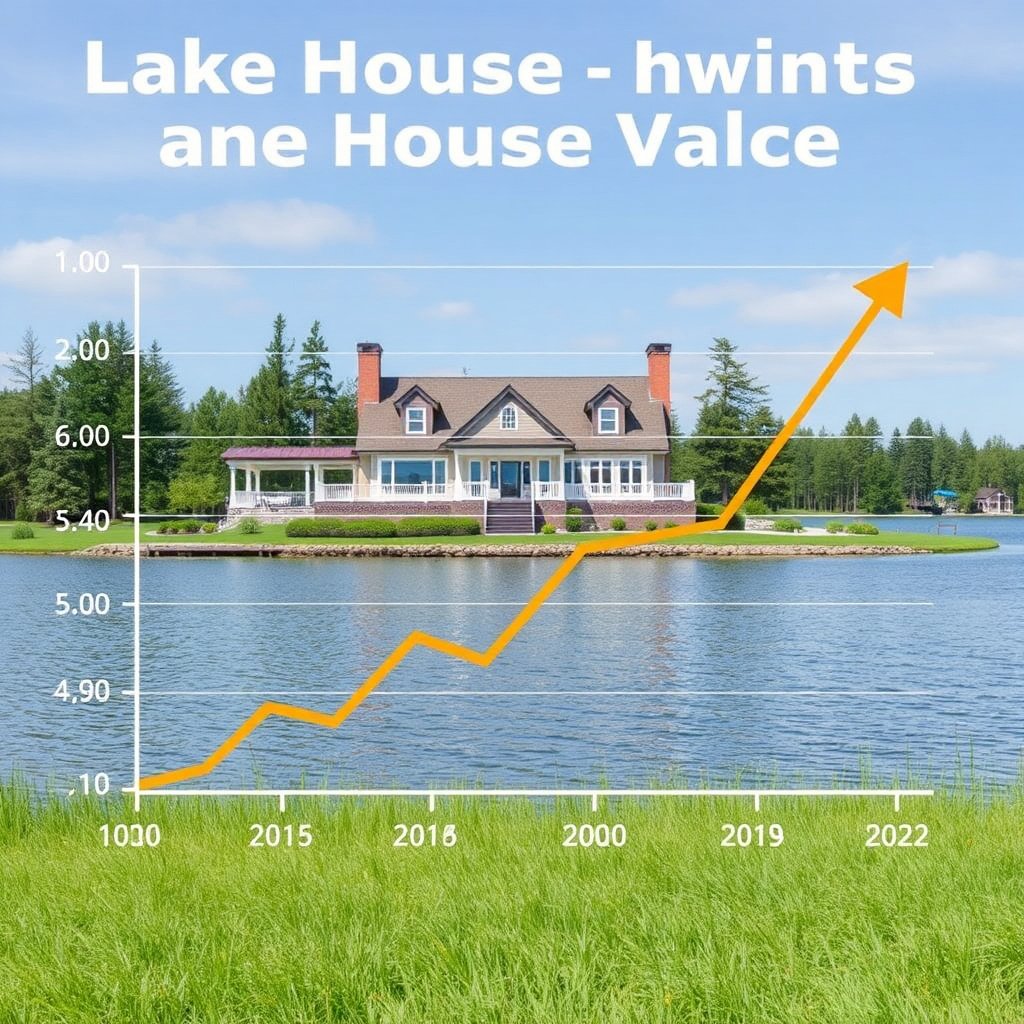
Historically, well-maintained lake houses in stable markets tend to appreciate steadily due to limited waterfront supply and growing desirability of lakefront living. This makes lake houses often more resilient to market volatility than inland properties.
Nonetheless, appreciation varies by region and economic conditions. Buyers should research local trends and avoid areas with declining populations or environmental issues affecting the lake.
For additional background on lake houses and their uses, see this resource on lake house investment information. Lake house investment information.
Factors That Influence Resale Value
Resale value is shaped by property condition, upgrades, lake health, and neighborhood reputation. Investing in quality renovations such as modern kitchens, energy-efficient systems, and attractive outdoor living spaces can raise market appeal.
Maintaining good relationships with neighbors and supporting local conservation efforts preserve both community character and property values over time.
Lake House Investment Types Comparison
This table compares major categories of lake house investments to help you identify the best fit for your needs and expectations.
| Category | Price Range | Rental Income Potential | Maintenance Level | Resale Growth |
|---|---|---|---|---|
| Luxury Lakefront Villas | $700K+ | High | High | Strong |
| Mid-range Family Cabins | $250K-$700K | Moderate | Moderate | Moderate |
| Remote Rustic Cottages | $100K-$250K | Low | Low | Variable |
| Condos/Shared Lake Access | $150K-$400K | Moderate | Low | Stable |
| Investment-only Vacation Rentals | $300K-$600K | High | High | Good |
Frequently Asked Questions
Are lake houses typically a good long-term investment?
Lake houses generally appreciate well over the long term, especially in desirable locations with limited waterfront availability. However, local market trends and maintenance costs affect overall returns.
What are common ongoing costs for lake house owners?
Owners often pay higher property taxes, insurance, dock and shore maintenance, utilities, and sometimes homeowners' association fees specific to waterfront properties.
Can I rent out a lake house to generate income?
Yes, many owners rent out lake houses seasonally or year-round. Short-term vacation rentals usually provide higher income but require more management.
Do lake houses have special legal restrictions?
Yes, zoning laws and environmental regulations often govern construction, renovations, and dock installations to protect lake ecosystems and property values.
How does location affect lake house investment value?
Location impacts demand, accessibility, amenities, and environmental quality. Prime lakefronts near urban centers or popular tourist spots usually command higher prices and rental demand.
Key Takeaways
- A lake house can be a solid investment if chosen in a desirable, accessible location.
- Maintenance and additional costs are significant and must be budgeted carefully.
- Rental income potential varies by market and rental strategy chosen.
- Legal and tax implications require attention to protect investment value.
Conclusion
Deciding if a lake house is a good investment involves weighing the benefits of waterfront property appreciation against the responsibilities and costs of ownership. Consider how location-specific factors like accessibility, local market dynamics, and environmental quality will influence both enjoyment and financial returns. Balancing personal use with rental income opportunities strengthens investment outcomes.
For those prioritizing steady income and easier management, condos or mid-range family cabins near popular lakes offer practical options with moderate costs and stable appreciation. Luxury lakefront villas and dedicated vacation rentals present higher potential returns but require more active involvement. Remote rustic cottages may appeal for personal retreats but can have unpredictable resale growth.
As a next step, prospective buyers should research regional lakefront markets, connect with real estate professionals specializing in lakefront property investment, and assess their own willingness to manage maintenance and rental challenges. Taking a measured, informed approach will help ensure that your lake house investment aligns with your financial goals and lifestyle preferences.