Do Lake Houses Make Good Investments? Pros, Cons, and Key Insights
Lake houses can be appealing investments due to their potential for rental income, lifestyle benefits, and property appreciation. However, whether a lake house makes a good investment depends on factors like location, demand, maintenance costs, and market trends. It’s no guarantee that every lake house will increase in value or generate steady income.
These properties often hold emotional appeal and can serve as vacation homes or family retreats, which complicates the financial evaluation. Compared to regular residential real estate, lakefront homes typically require more upkeep, can fluctuate with local tourism seasons, and have a narrower buyer pool. Understanding the balance between these benefits and risks matters if you want to make a sound investment choice.
This article explores the key aspects that influence if lake houses make good investments. We will cover market performance, costs, rental potential, financing, and alternative options like other types of lakefront property investment. By the end, you’ll have a clearer idea of whether buying a lake house aligns with your financial and lifestyle goals.
Market Performance of Lake Houses

Trends in Lakefront Property Appreciation
Lake houses often experience price growth tied to location desirability and scarcity. Popular recreational areas with good water quality and amenities tend to see stable or rising values over time. However, some markets are highly seasonal or impacted by environmental factors, which can dampen appreciation.
Historical data shows that while some regions have strong long-term value increases, others experience fluctuations due to tourism cycles and changing environmental conditions such as water levels or algae blooms. Buyers should research local trends carefully.
- Check historical price trends for the specific lake or county
- Evaluate environmental and regulatory influences
- Consider long-term population and tourism growth
Comparing Lake Houses to Traditional Real Estate
Unlike suburban homes, lake houses have more niche markets and can be influenced by recreational appeal rather than employment centers. This can result in higher price volatility or slower sales during off-seasons. That said, prime lakefront properties may outperform other types over decades due to limited supply.
Liquidity is generally lower as these properties attract fewer buyers, so selling can take longer. Mortgage options and insurance considerations may also differ compared to traditional residential properties.
- Lake house sales cycles can be longer
- Financing options can be more restrictive
- Maintenance costs are usually higher
Costs and Maintenance for Lake Houses
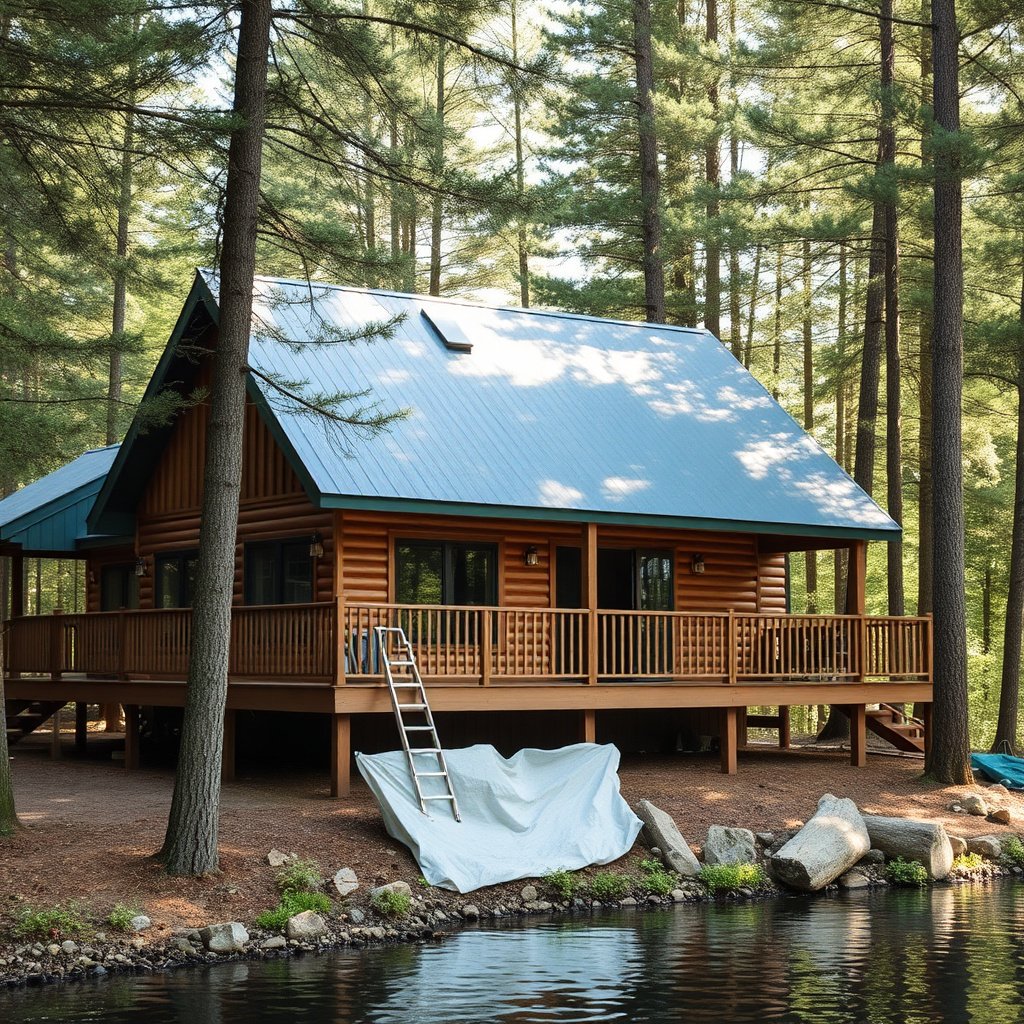
Typical Upkeep Expenses
Lake houses often require more upkeep to protect against moisture, pests, and weather related wear. This includes regular dock repairs, water treatment, pest prevention, and exterior maintenance like staining and sealing wood surfaces. Such costs can quickly add up, impacting net returns.
In addition, lawn care and landscaping near water usually demand attention due to erosion or invasive plant control. Buyers should budget for seasonal maintenance tasks and unexpected repairs more rigorously than for standard homes.
- Dock and pier maintenance
- Rust and corrosion control
- Wastewater and septic system upkeep
- Pest and insect prevention
For more on this, see our related guide: Can You Buy a Lake House with Cash? A Practical Guide.
Insurance and Property Tax Considerations
Insurance premiums for lake houses typically run higher than regular homes because they are exposed to flood risk, storms, and liability concerns from water activities. Flood insurance might be mandatory depending on the location, significantly raising total costs.
Property taxes may also differ if the local government assesses waterfront properties at higher values or applies tourist-related tax rates. It's essential to review tax records and insurance quotes before buying.
- Compare homeowner and flood insurance rates
- Understand local property tax assessments
- Factor these costs into your investment calculations
Rental Income Potential from Lake Houses

Seasonal vs. Year-Round Rental Demand
Lake houses are popular vacation rentals, especially during summer months, weekends, and holidays. However, demand often drops off during colder seasons in non-temperate climates. This seasonality means rental income can fluctuate significantly throughout the year.
Some locations with year-round attractions like fishing, winter sports, or festivals may sustain more consistent rental occupancy. Understanding local rental demand cycles helps forecast potential income accurately.
- Research local vacation rental occupancy rates
- Check peak vs. off-peak rental seasons
- Calculate average daily rates for comparable properties
Legal and Management Challenges
Managing a lake house as a rental requires handling bookings, cleaning, maintenance, and guest communication. Some towns have strict regulations on short-term rentals, including permits, taxes, or limits on rental days, which can hinder profitability.
Alternatively, professional property managers can handle these tasks but reduce net income through fees. Prospective investors must thoroughly understand legal frameworks and operational demands before banking on rental cash flow.
- Verify short-term rental ordinances locally
- Consider hiring property management services
- Prepare for ongoing operational effort
Financing and Buying Considerations for Lake Houses

Mortgage Options and Challenges
Securing financing for lake houses can be more complicated than for traditional homes. Lenders sometimes see waterfront properties as higher risk due to potential environmental issues or market volatility. This may lead to stricter qualification standards or higher interest rates.
Buyers should shop around for specialized lenders familiar with lakefront property loans and be prepared for larger down payments or insurance requirements.
- Expect possibly higher down payment needs
- Explore lenders specializing in vacation property loans
- Review insurance mandates tied to financing
For more on this, see our related guide: Is a Lake House a Good Investment? Pros and Cons Explained.
What to Watch for During Purchase
Conduct thorough inspections focused on water-related risks like flood damage, soil erosion, and structural stability. Title searches should confirm no restrictions or easements that limit waterfront usage. Understanding zoning and environmental regulations will prevent surprises post-purchase.
Working with realtors experienced in lakefront property investment can help buyers navigate these complexities and identify promising opportunities.
- Order specialized home inspections
- Verify title and easements on the property
- Check local zoning and environmental rules
Alternative Investment Options in Lakefront Real Estate

Condos and Townhomes Near the Lake
For those seeking lakefront lifestyle without as many maintenance demands, condos or townhomes positioned near lakes offer a compelling balance. These properties typically have shared upkeep managed by homeowner associations, reducing individual responsibility.
Although they don't provide direct water access like a private dock, they often cost less upfront and can be easier to rent out year-round because of community amenities.
- Lower maintenance compared to single-family lake houses
- Access to amenities like pools and clubhouse
- Potentially better financing options
For a general overview of lake houses and their cultural significance, you can visit the Lake house article on Wikipedia. Lake house article on Wikipedia.
Investing in Undeveloped Lakefront Land
Another approach is acquiring undeveloped lakefront land for future development or resale. This typically involves less immediate expense but relies on market appreciation and zoning changes to realize gains.
Risks include uncertain timelines and potential environmental restrictions, but the lower initial cost can appeal to investors with longer horizons or specific development plans.
- Lower acquisition cost than built properties
- Requires patience for land value appreciation
- Possible environmental and zoning hurdles
Lake House Investment Options Comparison
Here is a comparison of common lakefront property types highlighting their investment features, costs, and rental potential.
| Property Type | Initial Cost Range | Maintenance Requirements | Rental Income Potential | Liquidity |
|---|---|---|---|---|
| Single-Family Lake House | High ($300K-$1M+) | High (dock, exterior, septic) | Moderate to High (seasonal) | Moderate |
| Lakefront Condo/Townhome | Moderate ($150K-$500K) | Low (HOA managed) | Moderate (year-round possible) | High |
| Undeveloped Lakefront Land | Low to Moderate ($50K-$300K) | Very Low | None unless developed | Low |
| Luxury Lakefront Home | Very High ($700K-$3M+) | Very High | Moderate (luxury rentals) | Low |
| Shared Lake Cabin/Timeshare | Low to Moderate (varies) | Managed by group | Variable (shared rental) | Low to Moderate |
Frequently Asked Questions
Are lake houses more expensive to maintain than regular homes?
Yes, lake houses usually require more frequent upkeep related to water exposure, such as dock repairs, treatment for moisture damage, and specialized landscaping, which can increase maintenance costs compared to typical homes.
Can I rent out my lake house year-round?
That depends on the location. Many lake houses see rental demand primarily in warm months, but properties near destinations with year-round activities might attract guests throughout the year.
Is it harder to get a mortgage for a lake house?
Securing a mortgage for a lake house can involve more scrutiny and higher down payments, as lenders often consider waterfront properties riskier due to environmental factors and market dynamics.
Do lake houses always appreciate in value?
Not always. While many lake houses benefit from limited supply and lifestyle demand, factors like environmental issues, local economy, and tourism trends can influence price appreciation positively or negatively.
What are alternative ways to invest in lakefront property?
Investors might consider lakefront condos with shared maintenance, undeveloped land for future sale, or luxury homes geared toward high-end rental markets as alternatives to traditional single-family lake houses.
Key Takeaways
- Lake houses can offer appealing lifestyle and rental income but come with higher maintenance and costs.
- Market appreciation varies widely based on location, environmental factors, and tourism appeal.
- Financing and insurance for lakefront properties often require extra scrutiny and expense.
- Alternative lakefront investments like condos or undeveloped land provide different risk-reward profiles.
Conclusion
Deciding if a lake house makes good investment sense involves weighing upfront costs, ongoing maintenance, and the potential for appreciation or rental income. The main keyword “do lake houses make good investments” fits as we evaluate financial returns against lifestyle advantages. Buyers should research local market trends, environmental risks, and regulations carefully, recognizing that value growth and rental demand vary significantly across regions. Unlike standard residential real estate, lakefront properties often require more hands-on management and carry seasonal income fluctuations. This demands a realistic understanding of both financial and personal commitment involved.
For those seeking a mix of investment and personal enjoyment, lake houses in popular vacation areas with stable tourism can be worthwhile. Alternatively, lakefront condos provide easier upkeep and potentially better year-round rental opportunities, a practical option for some investors looking to participate in lakefront property investment without the heavy maintenance burden. Undeveloped lake land appeals more to patient investors focused on speculative gains rather than immediate income. Ultimately, assessing your financial goals, risk tolerance, and willingness to manage the property will guide the best choice.
If you’re intrigued by the idea but want to proceed thoughtfully, start by evaluating specific lakeside markets and visiting properties to gauge condition and demand firsthand. Consult local real estate experts familiar with lake houses and request detailed insurance and maintenance cost estimates. Taking these steps offers clarity on whether a lake house fits your investment strategy and lifestyle aspirations, helping you make an informed decision about purchasing waterfront real estate.





2 Comments