Why Do People Buy Lake Houses? Exploring the Allure of Waterfront Living
People buy lake houses for a variety of appealing reasons including relaxation, recreation, investment, and lifestyle change. Owning a lake house offers a unique combination of serene natural beauty, water-based activities, and a peaceful retreat from urban life, making it an attractive option for many buyers.
Having a lake house often means easy access to boating, fishing, swimming, and scenic views, which contributes to personal well-being and family bonding. Beyond recreation, lake houses can serve as vacation homes or long-term residences, blending leisure and comfort in a natural setting that adds significant emotional and financial value.
This article will examine the main motivations behind buying lake houses, highlight key lifestyle factors, explore financial considerations, and compare different types of lakefront properties to help readers understand what makes lake houses such desirable real estate choices.
Emotional and Lifestyle Factors Behind Why People Buy Lake Houses

Connection with Nature and Relaxation
Many buyers seek lake houses to experience a direct connection with nature. The calming effect of water views, wildlife, and the sounds of waves promotes relaxation and stress relief, qualities that are often missing in city environments.
This natural setting provides an ideal escape where owners can slow down and enjoy outdoor activities like hiking, kayaking, or simply sitting by the shore, creating routines centered on tranquility and wellness.
Family Time and Social Gatherings
Lake houses frequently become hubs for family vacations and social gatherings. The spacious indoor and outdoor spaces allow multi-generational bonding and hosting opportunities that enrich relationships.
These homes offer year-round attractions, with summer water sports and winter lakeside walks, enabling memorable experiences that draw families back year after year.
Financial and Investment Reasons to Buy Lake Houses
Real Estate Investment and Appreciation
Waterfront properties historically maintain strong value and often appreciate faster than other residential real estate. Buyers consider lake houses as both lifestyle assets and long-term investments, benefiting from scarcity and desirability.
Even though lake houses may require higher maintenance costs, their potential for equity growth and rental income through vacation leasing can balance these expenses for savvy investors.
Vacation Rental Potential
Many owners buy lake houses with the intent to rent them when not in use, leveraging the booming short-term rental market. Waterfront locations attract vacationers willing to pay premium rates for unique lakefront experiences.
Done well, renting can offset the cost of ownership, and some buyers monitor seasonal demand patterns to maximize income while preserving personal usage.
Types of Lake Houses and Their Appeal
Rustic Cabins and Traditional Cottages
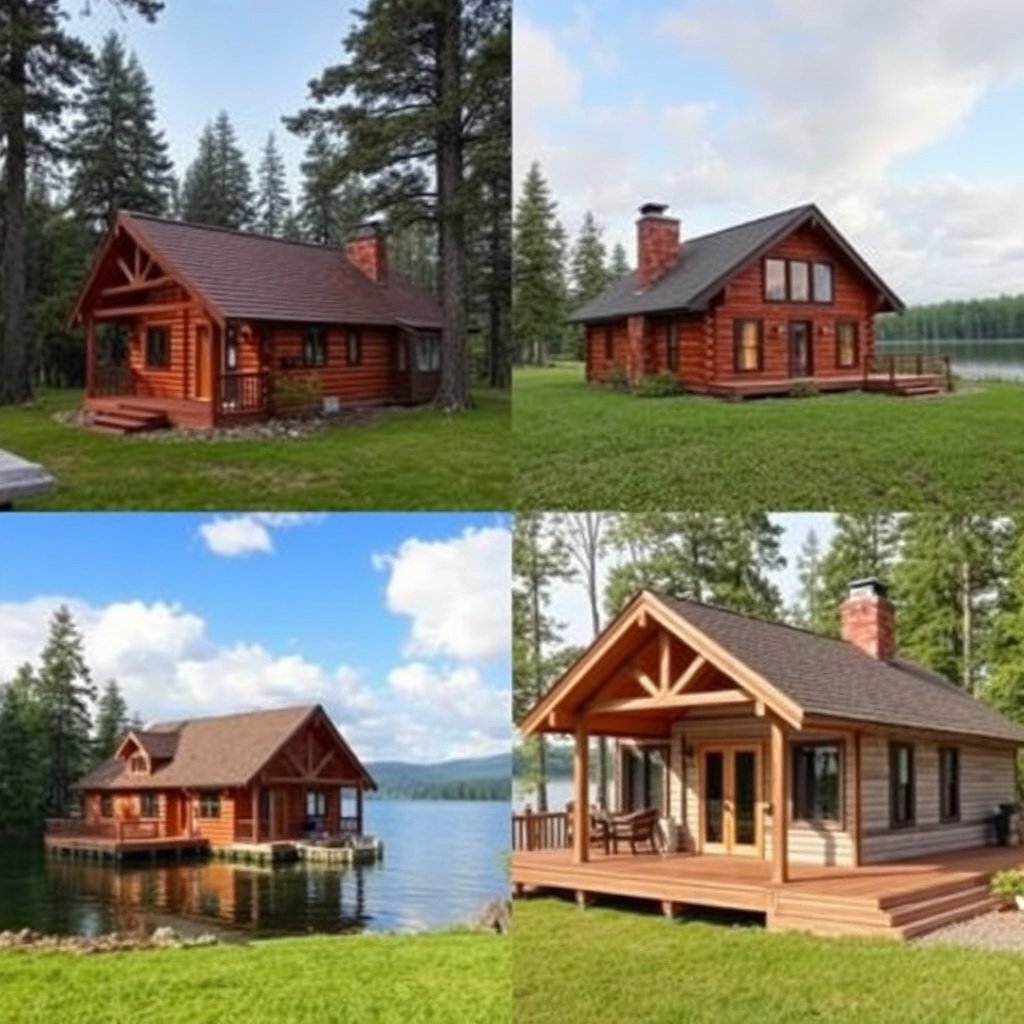
Rustic cabins evoke cozy charm and simplicity, often located in forested lake areas catering to buyers wanting a retreat with a warm, nostalgic feel. They tend to emphasize wood interiors, fireplaces, and natural elements.
These provide straightforward comfort with easy access to hiking and fishing, appealing to those valuing intimacy with nature rather than luxury amenities.
For more on this, see our related guide: Why Are Lake Houses So Expensive? Understanding the High Costs of Waterfront Living.
Modern and Luxury Lake Houses
Modern and luxury lake houses prioritize contemporary design and upmarket features like expansive decks, large windows, private docks, and smart home systems. These appeal to wealthier buyers looking for prestigious homes that blend recreation with elegance.
Such properties might include heated pools, gourmet kitchens, and panoramic views that fulfill desires for comfort alongside waterfront charm.
Location and Accessibility Considerations in Buying a Lake House
Remote vs. Convenient Lakeside Locations
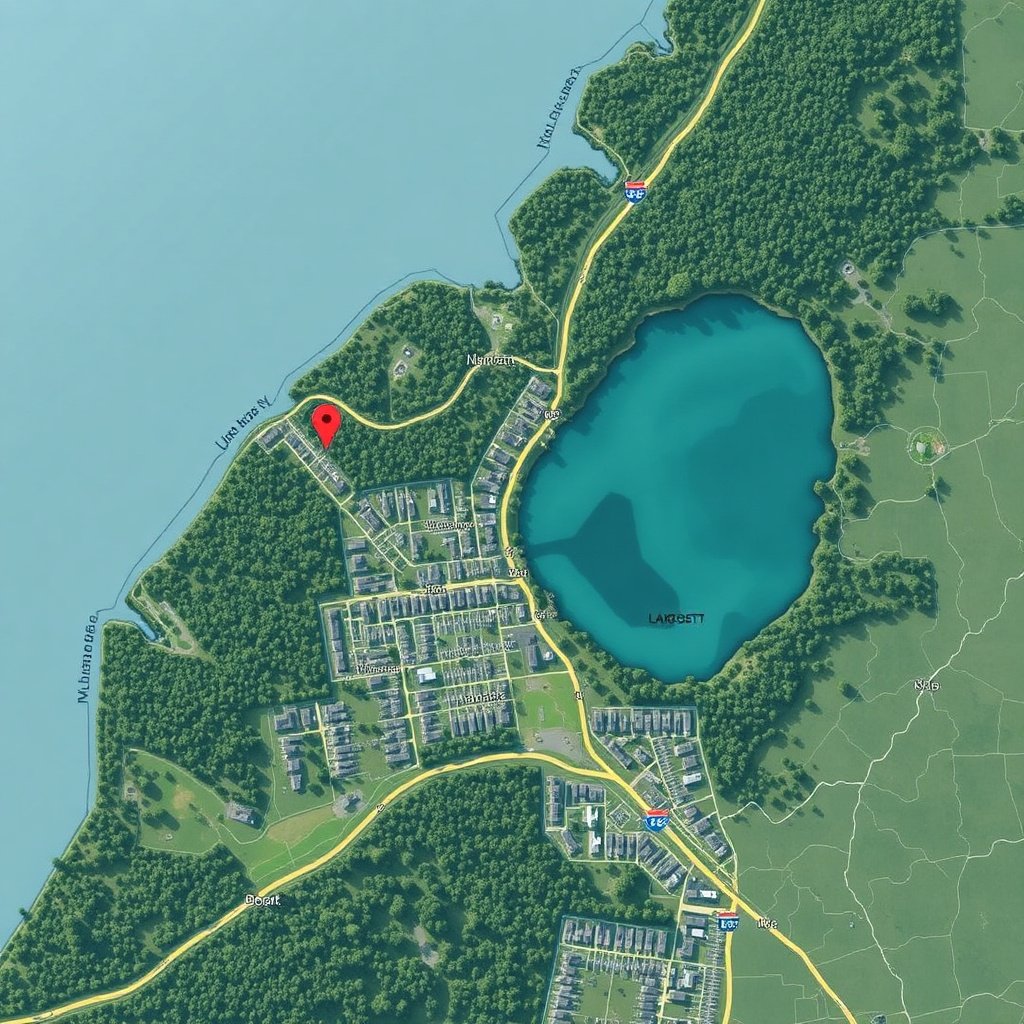
Some buyers prefer remote lake houses tucked away from crowds for privacy and solitude, while others want properties near towns or cities that maintain convenience for errands and healthcare.
The tradeoff is between intimacy with nature and easy access to services; each buyer’s preference shapes how they view location desirability.
Seasonal Access and Weather Impact
Lake houses in colder climates require attention to year-round accessibility, snow removal, and the seasonal usability of docks and boats. Road conditions and lake freeze schedules influence how owners can enjoy their properties throughout the year.
Understanding seasonal patterns can prevent unexpected maintenance challenges and ensure safe, comfortable stays.
Maintenance and Costs Associated with Lake Houses
Common Maintenance Challenges
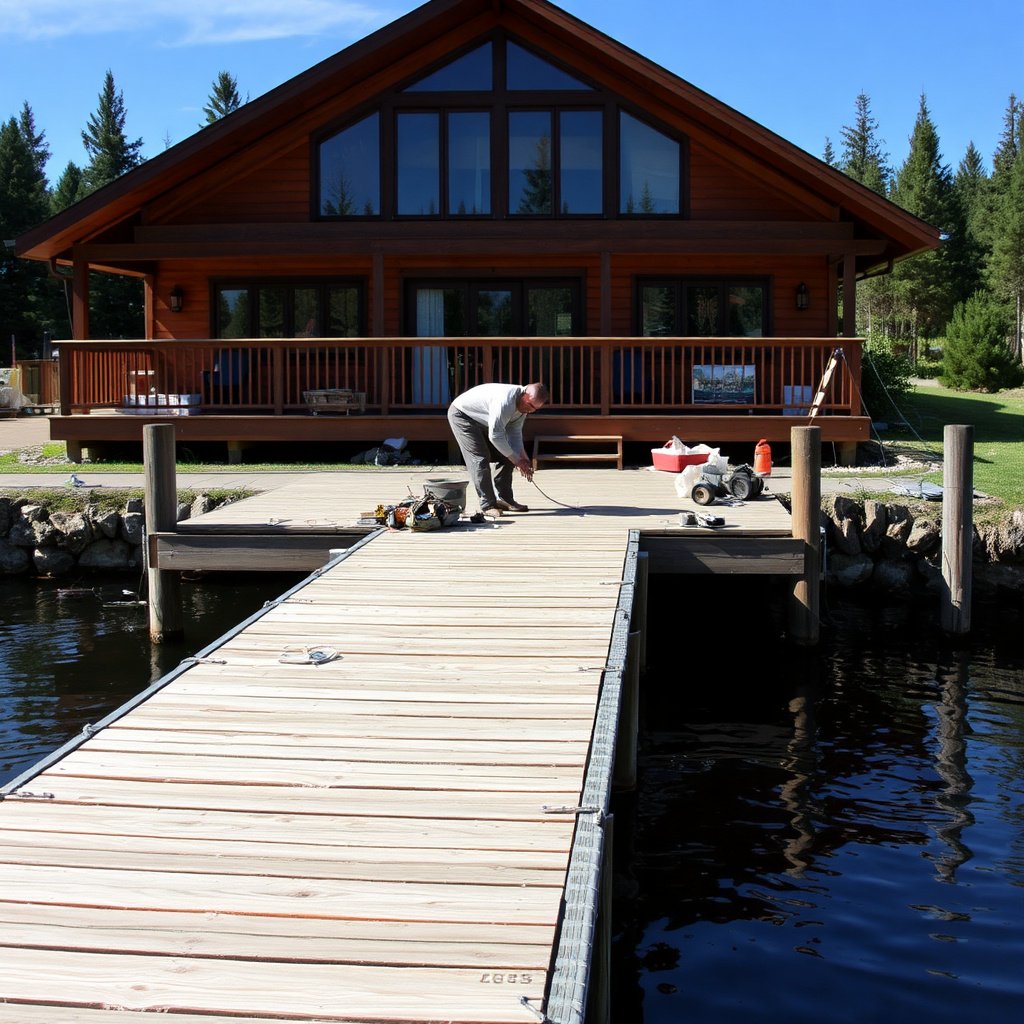
Owning a lake house entails unique maintenance such as combating humidity-related wood rot, managing shoreline erosion, and servicing boats or watercraft. Owners often schedule annual inspections to mitigate damage from water exposure.
Docks and seawalls require upkeep, and the natural environment can accelerate wear compared to urban homes.
For more on this, see our related guide: How to Choose the Best Lake Community for Your Lifestyle.
Financial Considerations Beyond Purchase Price
Beyond the initial purchase, lake house ownership involves property taxes, insurance, utility costs, and sometimes HOA fees. Waterfront insurance may be higher due to flood risk. Buyers should budget for these ongoing expenses.
Planning ahead helps avoid surprises and allows owners to maintain their lake house as a safe, comfortable haven.
Lifestyle Activities Enabled by Lake House Ownership
Water Sports and Outdoor Recreation
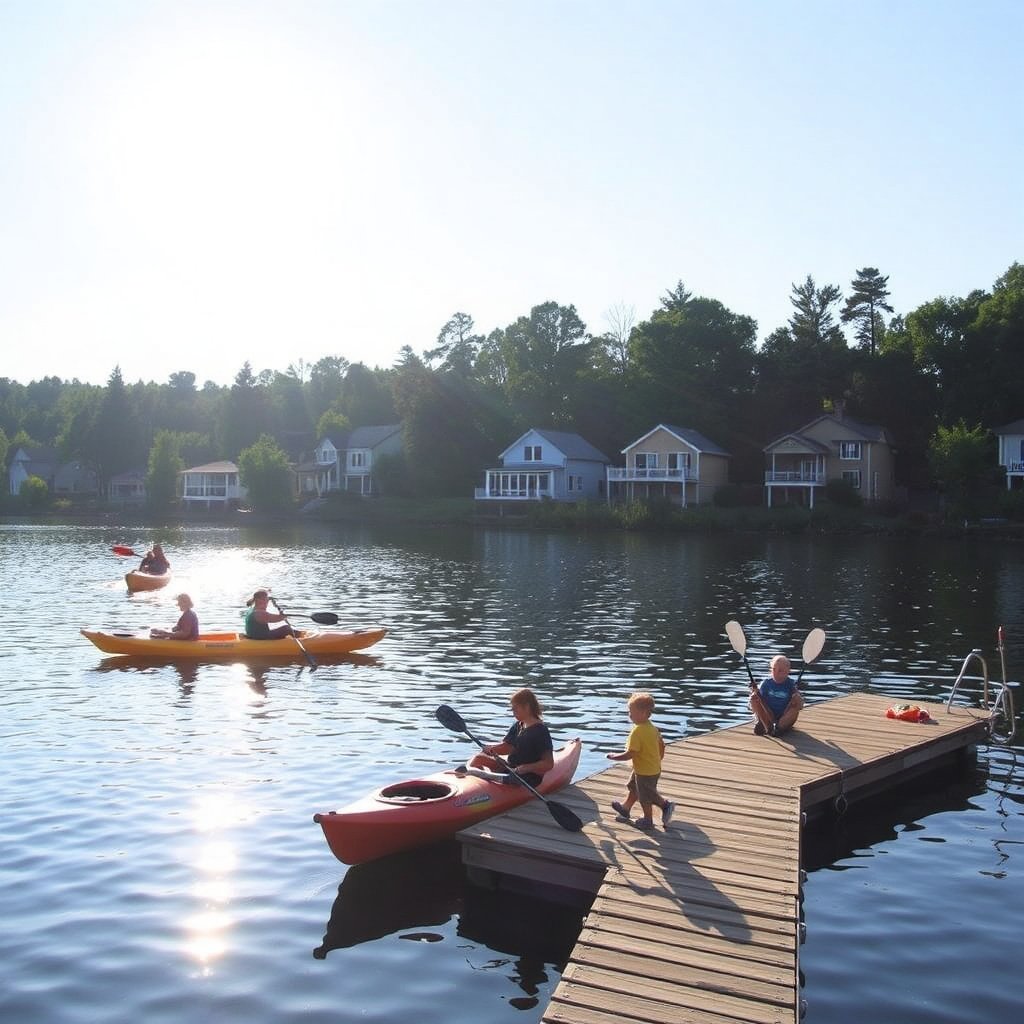
Lake houses provide direct access to kayaking, paddleboarding, fishing, and swimming, enriching outdoor lifestyles in ways urban homes cannot match. Enthusiasts prize the ability to spontaneously engage in water sports.
In addition, many lakes have hiking trails, wildlife viewing, and picnic areas nearby, encouraging a more active lifestyle.
For more detailed information about lake houses and waterfront living, you can visit the lake house information on Wikipedia. lake house information on Wikipedia.
Seasonal and Social Events
The lake environment encourages seasonal celebrations such as summer barbecues, autumn foliage viewing, and winter ice fishing or snowshoeing. These activities naturally foster community and family traditions.
Owners often participate in or host local lake festivals, fishing tournaments, or boating parades that deepen social ties.
Comparison of Lake House Types and Ownership Options
Here is a comparison of common lake house categories to help identify what fits different buyer needs and budgets.
| Category | Typical Price Range | Maintenance Level | Ideal Use | Accessibility |
|---|---|---|---|---|
| Rustic Cabin | $150,000 – $350,000 | Moderate | Vacation retreat, nature connection | Often remote, less accessible |
| Traditional Cottage | $250,000 – $500,000 | Moderate | Family vacations, casual living | Usually accessible via paved roads |
| Modern Lake House | $500,000 – $1,200,000+ | High | Year-round residence, luxury living | Convenient access, near amenities |
| Luxury Waterfront Estate | $1,000,000+ | Very High | Prestige home, investment rental | Prime location with full accessibility |
| Cabin in Recreational Community | $300,000 – $700,000 | Low to Moderate | Amenities and community feel | Good access, gated communities |
Frequently Asked Questions
What are the common costs associated with lake house ownership?
Beyond the purchase price, costs include property taxes, insurance especially flood coverage, regular maintenance of docks and landscaping, utility bills, and possibly homeowner association fees.
Can lake houses be rented out when not in use?
Yes, many owners rent lake houses as vacation rentals. Waterfront properties typically attract strong demand, and rental income can offset ownership expenses.
Are lake houses a good investment?
Lake houses often hold or increase in value due to their desirable locations. Their investment potential depends on local market conditions, maintenance, and usage strategy.
What maintenance is unique to lake houses?
Waterfront homes require special care for shoreline erosion, dock upkeep, wood treatments against moisture damage, and seasonal preparations for winter conditions.
Is it better to buy a remote lake house or one near a town?
This depends on your priorities: remote lake houses offer solitude but less convenience, while houses near towns provide services and access but less privacy.
Key Takeaways
- Lake houses offer unique lifestyle benefits including relaxation and outdoor recreation.
- They often serve both personal use and attractive investment roles.
- Location, maintenance, and costs are important factors to weigh carefully.
- Different types of lake houses cater to a range of budgets and preferences.
Conclusion
When deciding why people buy lake houses, it’s clear that their appeal lies in a mix of lifestyle enrichment and financial opportunity. Thoughtful consideration of personal desires for nature, recreation, and social connection alongside practical concerns like location, accessibility, and maintenance will guide a successful purchase. Balancing emotion and investment potential creates a satisfying lake house ownership experience.
Specific recommendations depend on buyer goals: those seeking rustic tranquility might favor cabins away from developed centers, while families desiring convenience and modern amenities may lean toward contemporary lake houses near towns. Investors eyeing rental income may find gated lake communities offer both security and rental demand. Understanding these categories enables buyers to pinpoint the best fit for their expectations and means.
Ultimately, the next step for anyone exploring lake house ownership is to visit properties typical of their preferred category and assess local market conditions firsthand. This hands-on approach, combined with budgeting realistically for ongoing expenses, sets the stage for enjoying the many rewards of waterfront property. Owning a lake house can thus be a deeply fulfilling decision, blending lifestyle joys with financial prudence.