How Long Does a Seawall Last? Lifespan and Maintenance Insights
A seawall typically lasts between 20 and 50 years, depending on several key factors such as the materials used, construction quality, environmental exposure, and upkeep. Concrete seawalls on stable foundations often hit the upper end of this range, while wood or deteriorating stone seawalls may last only a decade or two without intervention.
Understanding seawall longevity matters for coastal property owners who rely on these structures to protect against erosion, storm surges, and flooding. The variability in lifespan means planning and budgeting for timely repairs or replacement is essential to avoid costly damage to land and infrastructure.
This article explores the various factors that determine how long a seawall lasts, the types of materials commonly used, how environmental conditions impact durability, maintenance strategies to extend service life, and signs that indicate when replacement is necessary.
Materials and Construction Methods Affecting Seawall Longevity
Concrete Seawalls
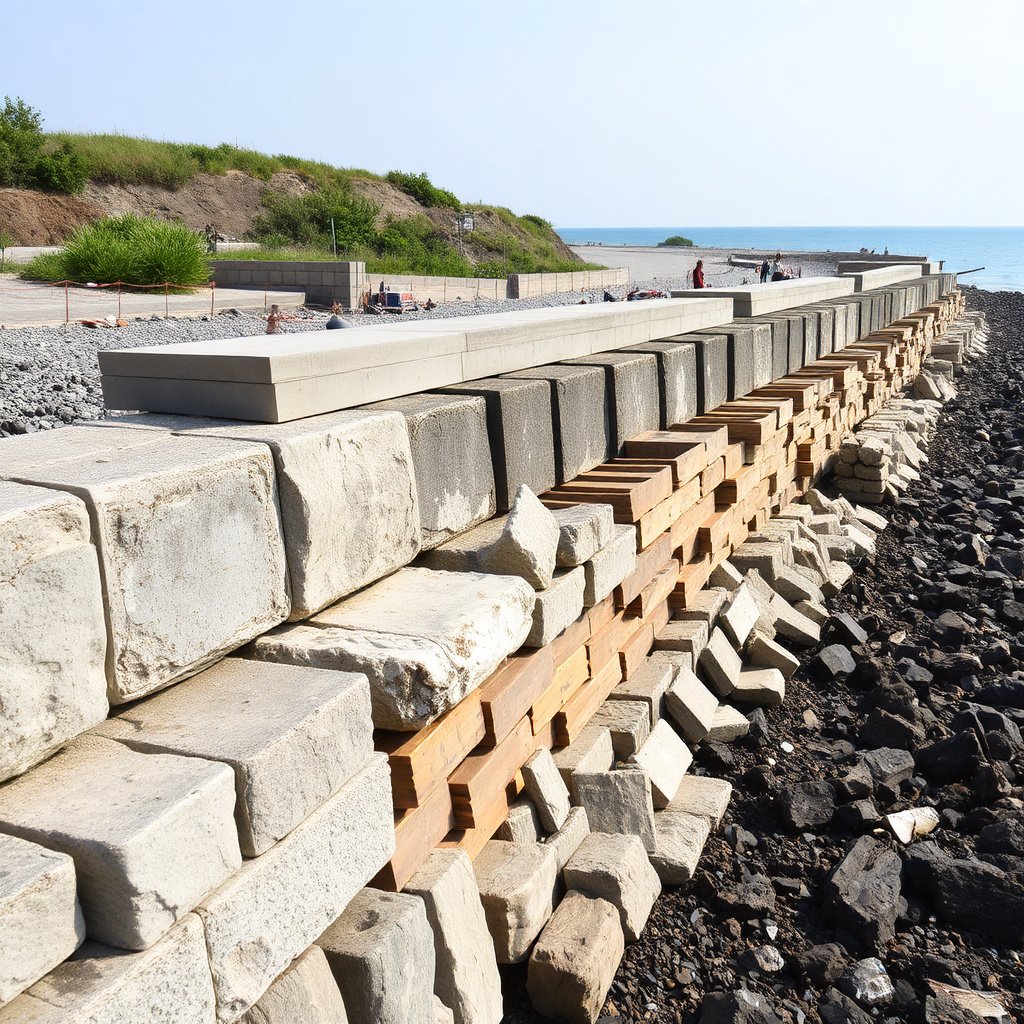
Concrete seawalls are among the most durable options, often lasting 40 to 50 years or more when built with proper reinforcement and high-quality materials. They resist erosion and weathering well but can suffer from cracking and spalling if not maintained.
The use of marine-grade concrete and corrosion-resistant rebar improves lifespan significantly. Proper foundation design is critical to prevent undercutting by waves or scour.
- Reinforced with steel rebar
- Marine-grade concrete enhances durability
- Requires strong foundation to avoid undermining
Wood and Other Natural Materials
Wood seawalls tend to have shorter lifespans, typically 10 to 30 years, due to susceptibility to rot, marine borers, and weather damage. Treatment and protective coatings can slow deterioration but not eliminate it entirely.
Natural stone walls may last longer but depend heavily on the quality of installation and wave impact. Without good anchoring, stones can loosen over time, reducing structural integrity.
- Wood prone to rot and insect damage
- Stone longevity depends on installation quality
- Natural materials often need more frequent maintenance
Environmental Impacts on Seawall Durability

Wave Action and Erosion
Powerful waves and constant wave action gradually wear down seawall surfaces. Areas with high-energy shorelines see faster material degradation and foundation erosion, which can drastically shorten seawall lifespan.
Erosion beneath or beside the seawall can undermine foundations, causing displacement or collapse unless properly addressed during maintenance.
- Higher wave energy increases wear
- Erosion can destabilize foundations
- Regular monitoring reduces risk of failure
Saltwater and Climate Effects
Saltwater accelerates corrosion of metal reinforcements in concrete seawalls and can degrade wood fibers faster. Freeze-thaw cycles in colder climates cause cracking and spalling.
Rising sea levels and more intense storms due to climate change subject seawalls to conditions beyond original design parameters, potentially reducing effective lifespan.
- Saltwater speeds up material corrosion
- Temperature changes cause cracking
- Climate changes increase maintenance needs
Seawall Maintenance Tips to Extend Lifespan

Regular Inspections and Repairs
Routine inspections identify small cracks, spalling, or loose stones before they worsen. Prompt repairs with patching compounds or reinforcing add years to a seawall’s service life.
Seawall maintenance should include checking foundations for scour and addressing any drainage issues that lead to water buildup behind the wall.
- Inspect for cracks every 1-2 years
- Repair minor damage promptly
- Monitor adjacent soil erosion
For more on this, see our related guide: How to Build a Seawall: A Practical Guide for Coastal Protection.
Protective Treatments and Upkeep
Applying sealants on concrete surfaces reduces water infiltration and chloride ingress. Wood structures benefit from preservatives and regular re-coating to prevent rot.
Vegetation management around the seawall reduces root intrusion but planting salt-tolerant plants can help stabilize soil and absorb wave energy.
- Use concrete sealants to prevent moisture penetration
- Treat wood with preservatives
- Manage vegetation carefully
Signs Your Seawall Needs Replacement

Structural Failures to Watch For
Severe cracking, bowing, leaning, or collapse of seawall sections indicates that repair may no longer be sufficient. These problems often result from foundation failure or advanced material degradation.
If water is consistently leaking through cracks or undermining beneath the wall, replacement planning should start immediately to protect your property.
- Major cracks or displacement
- Repeated foundation undermining
- Persistent leaks or drainage problems
When Repair Costs Surpass Replacement
If ongoing maintenance becomes more costly than installing a new seawall, replacement is economically sensible. Modern materials and improved construction techniques can offer longer-lasting protection.
Consulting coastal engineers helps determine when seawall replacement is the best long-term investment.
- Escalating repair expenses
- Frequent need for patching
- Availability of better modern designs
Material Options for Seawall Replacement

Steel Sheet Pile Seawalls
Steel sheet piles are durable and can be driven deep into the seabed for strong foundations. They resist impact damage well but require corrosion protection coatings.
This option is common in urban or industrial waterfronts where space and height restrictions exist.
- High strength and durability
- Needs corrosion-resistant coating
- Suitable for tight footprint installations
For more on this, see our related guide: How Much Does a Seawall Cost? A Complete Guide to Pricing and Factors.
Composite and Modular Systems
Composite seawalls combine materials like concrete and plastic composites for flexible, lightweight structures designed to adapt to shifting soils. Modular interlocking panels simplify installation and repair.
These newer systems may provide longer lifespan and easier maintenance than traditional materials.
- Lightweight and adaptable
- Quick installation with modular parts
- Potential for extended lifespan
Cost Considerations in Seawall Lifespan Planning
Initial Construction vs. Long-Term Costs
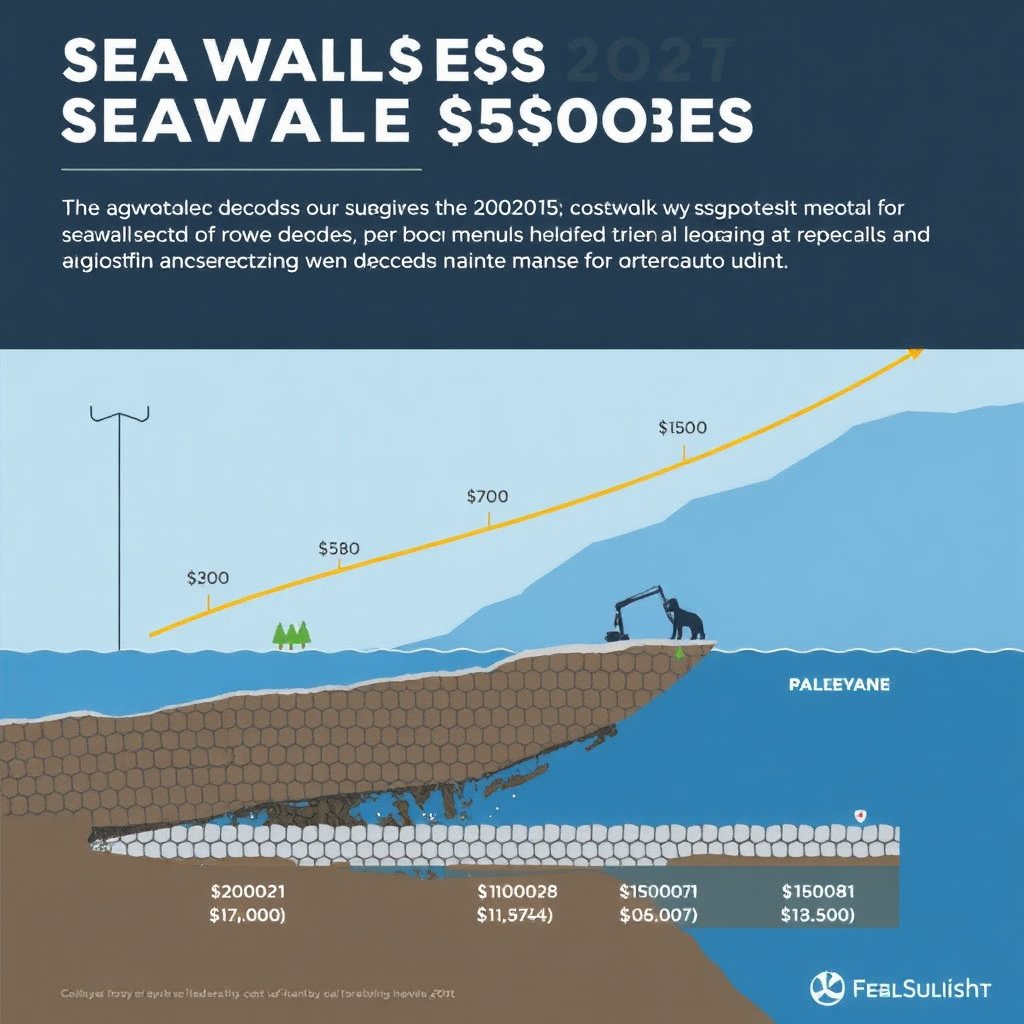
Higher upfront investment in quality materials and design usually reduces long-term maintenance and replacement costs. Budget options may seem attractive initially but could deteriorate faster.
Planning for lifespan means balancing these factors and thinking about property value protection.
- Quality materials reduce future expenses
- Low-cost builds may need earlier replacement
- Consider lifecycle costs, not just initial price
For more detailed technical and historical context, the Seawall information on Wikipedia offers comprehensive coverage. Seawall information on Wikipedia.
Insurance and Regulatory Impacts
Insurance premiums and local regulations may require certain seawall standards, influencing construction choices and long-term costs. Compliance can prevent costly penalties and losses.
Understanding these requirements aids in planning seawall lifespan and budgeting for upgrades.
- Local codes affect seawall design
- Insurance may require maintenance proof
- Regulations can drive replacement timing
Seawall Material Longevity and Maintenance Comparison
This table compares common seawall materials based on expected lifespan, maintenance demands, and typical costs.
| Material | Expected Lifespan | Maintenance Frequency | Average Cost per Linear Foot |
|---|---|---|---|
| Concrete | 40-50 years | Low to Moderate | $200-$400 |
| Wood | 10-30 years | High | $100-$300 |
| Steel Sheet Pile | 30-50 years | Moderate | $250-$500 |
| Stone (Natural) | 20-40 years | Moderate to High | $150-$350 |
| Composite/Modular | 40-60 years | Low to Moderate | $300-$600 |
Frequently Asked Questions
What factors most affect how long a seawall lasts?
Material type, construction quality, environmental exposure (waves, saltwater, climate), and maintenance frequency are the main factors influencing seawall lifespan.
How can I extend the life of my seawall?
Regular inspections, timely repair of cracks or erosion, application of protective coatings, and maintaining proper drainage help prolong seawall durability.
When should I consider replacing a seawall rather than repairing it?
If structural damage like significant cracking or foundation failure is present, or if repair costs frequently escalate, replacement is usually more cost-effective.
Do all seawall materials last the same amount of time?
No, materials like concrete and composite systems generally last longer than wood or natural stone, which degrade faster under marine conditions.
How does climate change impact seawall lifespan?
Rising sea levels and stronger storms expose seawalls to greater stress, speeding up deterioration and sometimes exceeding original design limits.
Key Takeaways
- Seawall lifespan varies widely, typically 20 to 50 years based on material and conditions.
- Concrete and composite seawalls generally last longer than wood or stone.
- Regular maintenance and inspection can significantly prolong seawall life.
- Replacing a seawall makes sense when repair costs become frequent or damage is severe.
Conclusion
Evaluating how long a seawall lasts starts with understanding that multiple interlinked factors—materials, construction practices, environmental exposure, and upkeep—determine durability. Focusing only on initial cost can lead to premature failures and surprise expenses. Instead, a holistic approach that balances upfront quality with ongoing seawall maintenance tips helps protect coastal property investments and prolongs effective shoreline defense for decades.
Concrete seawalls, steel sheet piles, and modern composite systems generally provide the longest service lives, especially when backed by regular inspections and repairs. Wood or natural stone seawalls, while sometimes less expensive initially, often require significantly more maintenance and earlier replacement. Coastal conditions such as high wave energy, salt exposure, or freeze-thaw cycles can reduce lifespan regardless of material. Identifying environmental factors and designing accordingly is critical to seawall success.
For those seeking to know exactly how long a seawall lasts, start by evaluating current seawall condition, factoring in local climate and wave action, then consult with engineers or contractors about appropriate material choices and maintenance plans. Proactive upkeep, including following seawall maintenance tips, will maximize longevity and save money in the long run while safeguarding your shoreline property.




One Comment