How Much Does a Well Cost? A Detailed Guide to Pricing Your Water Well
A well typically costs between $3,000 and $15,000, with the average expense around $5,000 to $7,000. This price range covers drilling, pump installation, and initial equipment but can vary significantly based on depth, location, and soil type. The cost directly depends on how deep the well needs to be drilled to reach a sufficient water supply.
Knowing the precise cost of a well matters because it is a long-term investment impacting both your water security and property value. Unexpected factors such as difficult terrain, the need for water testing, or local regulations can increase expenses. Understanding these variables helps avoid surprises during the well installation process and supports better financial planning.
This article covers the main components influencing well costs, including drilling, permits, pumps, and maintenance. We will compare different well types and methods to give you a clear picture of the total investment. Additionally, you'll find answers to common questions and practical advice to evaluate your options efficiently.
Understanding Drilling Costs and Factors
What Influences Drilling Prices?
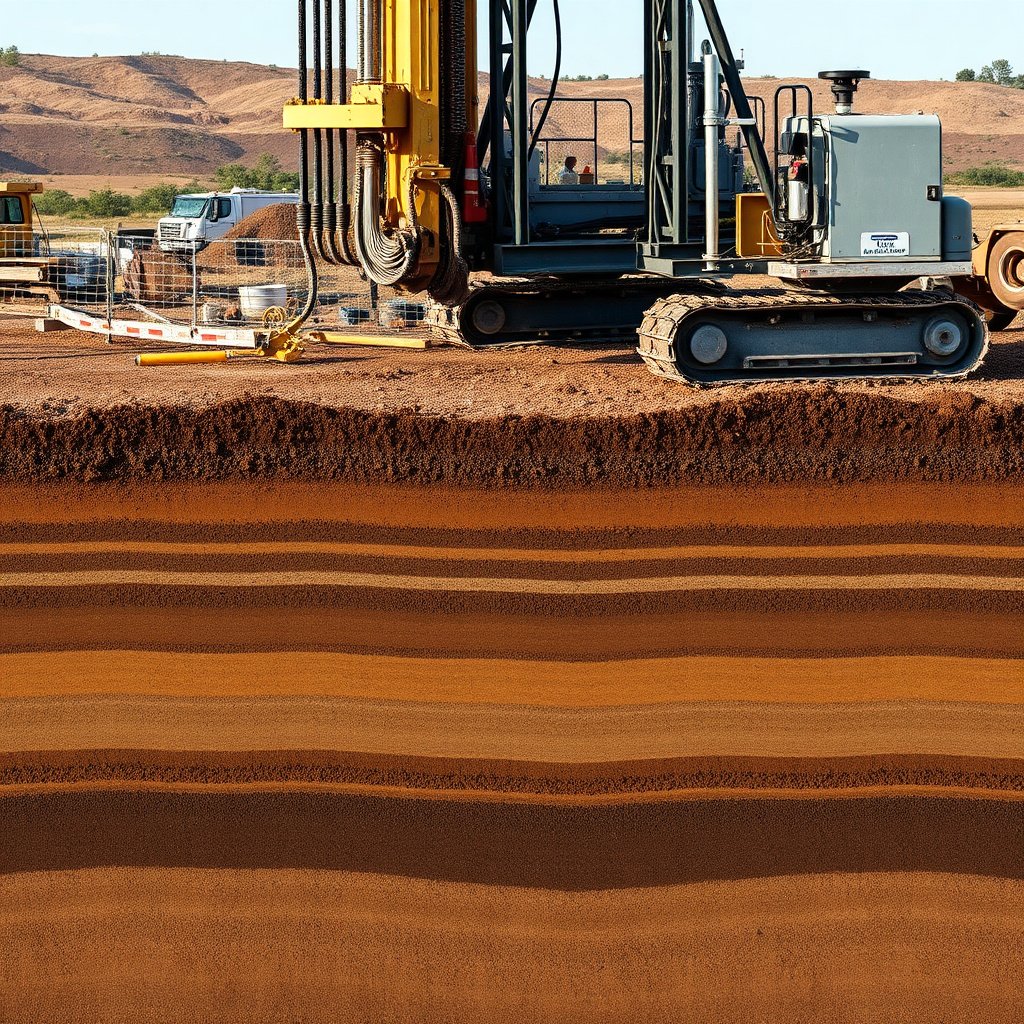
Drilling costs depend heavily on well depth, soil type, and geographic location. Softer soil can reduce drilling time and expenses, while rocky or clay-heavy substrates increase wear on equipment and labor needs. Wells drilled in remote areas may also require more logistics support, adding to overall costs.
Depth is the largest cost driver, as drilling deeper requires more time, energy, and specialized equipment. For example, a shallow well of 50 feet might cost under $3,000, whereas a deep well exceeding 300 feet could approach $15,000 or more.
- Shallow vs. deep wells
- Soil and rock conditions
- Location accessibility
Permits and Legal Requirements
Most places require permits before drilling a well to regulate water usage and maintain safety standards. Permit costs can range from $50 to several hundred dollars and sometimes involve inspections and water quality testing.
Abiding by local regulations protects your well's water supply and prevents legal issues. Delays or ignoring permits can increase overall spending if permits are issued retroactively or fines are imposed.
- Permit fees
- Inspection requirements
- Regulatory impact on cost
Components of Well Installation Costs
Well Pump Types and Pricing
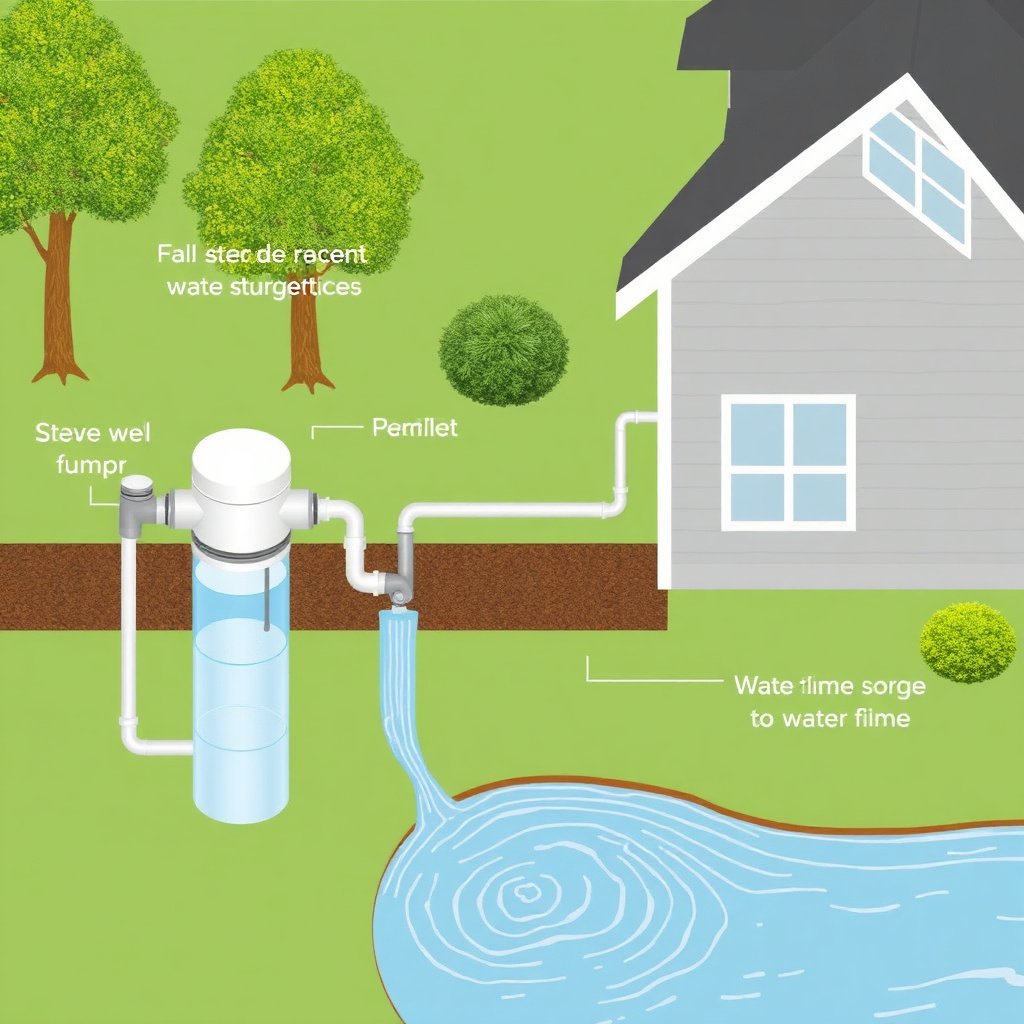
The well pump moves water from the underground source to your home. Common types include submersible pumps and jet pumps. Submersible pumps are used for deeper wells and cost more due to their power and waterproof design. Jet pumps serve shallower wells and tend to be less expensive.
Pump power and efficiency also affect price, with sizes ranging from 1/2 horsepower to several horsepower models. Installation costs can add significantly to the pump’s purchase price, especially if electrical work or pressure tanks are needed.
- Submersible vs. jet pumps
- Horsepower size impact
- Installation services
For more on this, see our related guide: How Much Does It Cost to Drill a Well: A Complete Cost Breakdown.
Additional Equipment and Materials
Beyond the pump, other components add to the expense: piping, pressure tanks, filtration systems, and electrical wiring. For example, a pressure tank helps maintain steady water flow and can cost a few hundred dollars or more.
Filtration and water treatment systems may be necessary depending on water quality, adding optional but sometimes essential costs. These elements protect your plumbing and ensure safe water for household use.
- Pipes and connectors
- Pressure tanks
- Water filtration options
Maintenance and Operating Expenses
Routine Well Maintenance Costs
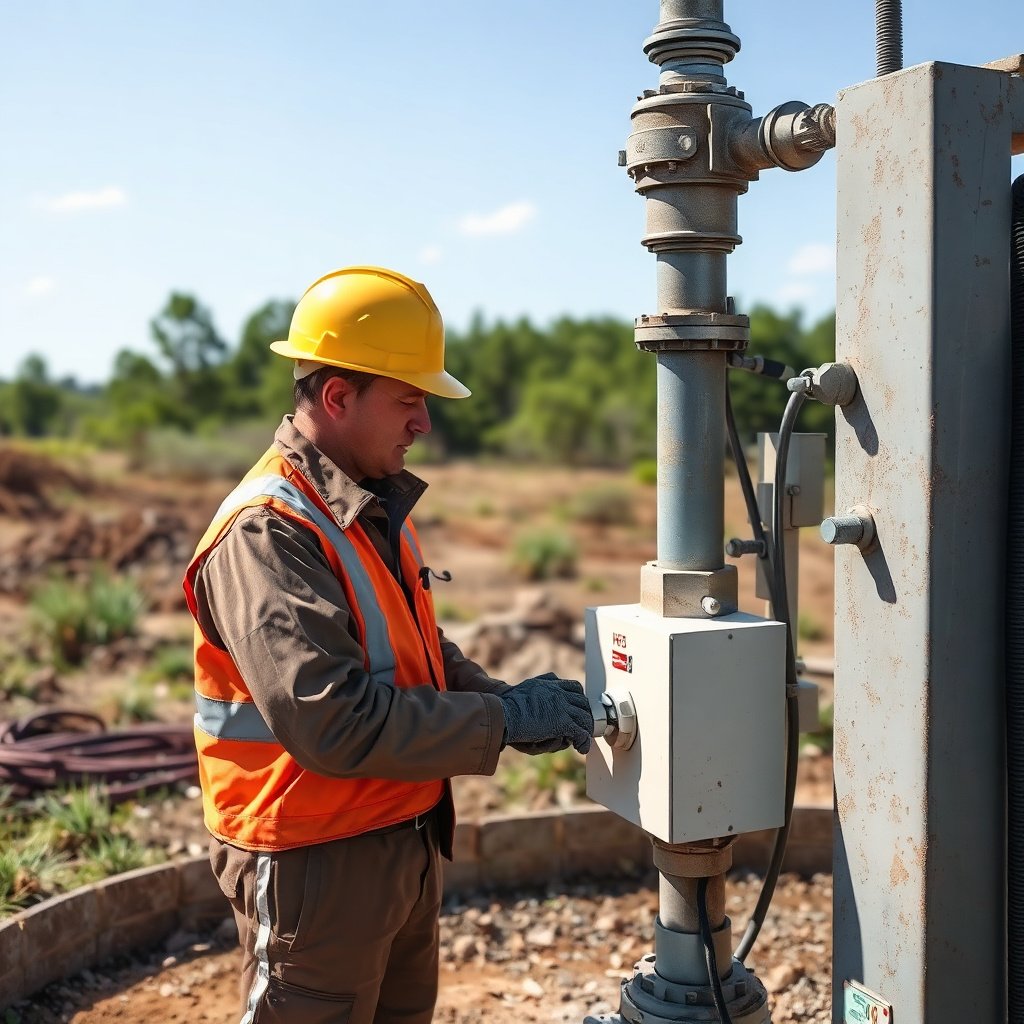
Routine maintenance ensures your well continues functioning properly and safely. Tasks like water testing, pump checks, and cleaning prevent breakdowns and expensive repairs later. Annual maintenance can cost between $100 and $400 depending on services needed.
Failure to perform maintenance risks contamination, reduced water flow, and equipment damage, which may lead to costly emergency repairs or total well replacement.
- Annual inspections
- Water quality testing
- Pump servicing
Energy Costs and Efficiency
The well pump requires electrical power, making energy use an ongoing operational expense. Pumps with higher horsepower or those running more frequently consume more electricity.
Investing in efficient pump models and scheduling water use carefully can help reduce monthly energy bills. Some homeowners consider solar-powered options to offset costs.
- Electricity consumption by pump size
- Energy-saving tips
- Solar pump alternatives
Comparing Well Types and Their Costs
Dug and Driven Wells
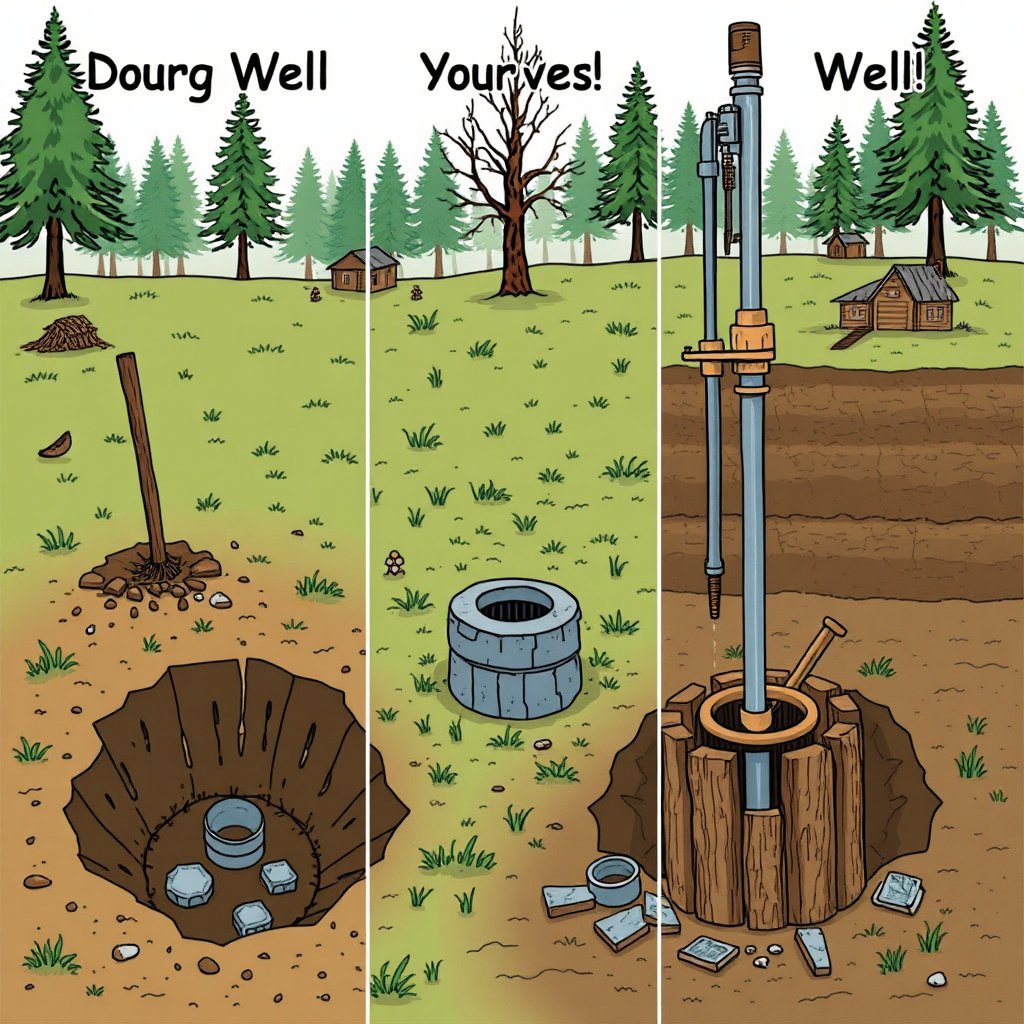
Dug wells are shallow, manually excavated wells lined with stones or concrete. They are generally the least expensive option, costing around $1,500 to $3,000, but also the most vulnerable to contamination and drying up.
Driven wells use a small-diameter pipe hammered into shallow water-bearing sands or gravels. They are cost-effective for accessible locations but limited to certain soil types and depths, typically under 50 feet deep.
- Cost-effective for shallow sources
- More contamination risk
- Limited depth capability
For more on this, see our related guide: How Long Does It Take to Sell a Lake House? A Detailed Timeline Guide.
Drilled Wells
Drilled wells use advanced machinery to penetrate deep underground water sources, providing a reliable and safe water supply. The higher installation cost is offset by better water quality and greater longevity.
These wells can exceed 300 feet deep and require professional services, which makes them suitable for most residential and commercial applications despite higher upfront costs.
- Reliable water source
- Greater initial cost
- Suitable for most terrains
Location's Impact on Well Costs
Regional Price Variations
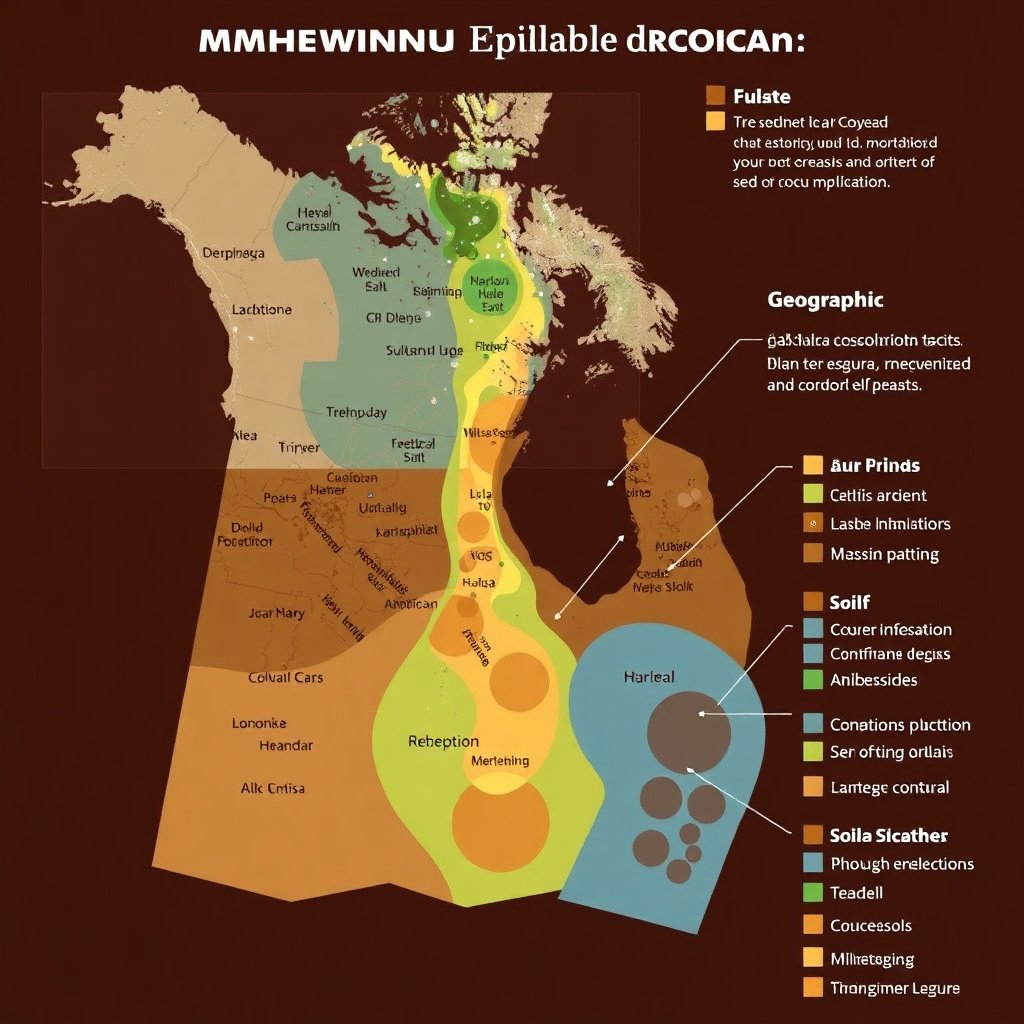
Well costs vary widely across regions due to factors like labor costs, competition, and local regulations. States with abundant groundwater and robust well-drilling industries generally have lower prices.
Remote or mountainous areas may have fewer contractors, driving up costs. Water scarcity or drought-prone zones might require deeper wells or more advanced treatment systems.
- Labor cost differences
- Availability of drilling companies
- Environmental factors
For a broad overview of water wells and their types, see the Water well article on Wikipedia. Water well article on Wikipedia.
Geological and Soil Considerations
Soil composition such as clay, sand, gravel, or bedrock affects drilling difficulty and tool wear. Hard rock requires slower, more expensive drilling techniques, while loose soils can speed up the process.
An accurate geological survey prior to drilling helps estimate costs and select the best drilling method, often avoiding surprises after the work begins.
- Impact of soil hardness
- Need for surveys or testing
- Choosing drilling technology
Well Cost Category Comparison
Here’s a comparison of common well types, their typical depths, and average costs to help you choose the right one for your needs.
| Well Type | Typical Depth (feet) | Average Cost Range | Water Quality Reliability |
|---|---|---|---|
| Dug Well | 10-30 | $1,500 – $3,000 | Low |
| Driven Well | 15-50 | $2,000 – $5,000 | Moderate |
| Drilled Well (Shallow) | 50-150 | $4,000 – $8,000 | High |
| Drilled Well (Deep) | 150-300+ | $8,000 – $15,000+ | Very High |
Frequently Asked Questions
What factors most affect the cost of drilling a well?
The main cost factors include the depth of the well, soil and rock type, geographic location, and any additional equipment or permits needed. Deeper wells in rocky terrain typically cost the most.
How often should a well be maintained?
Wells should generally be inspected and maintained at least once a year. Regular checks help identify problems early and maintain water quality and pump efficiency.
Are there cheaper alternatives to drilled wells?
Shallow dug and driven wells usually cost less but might not offer reliable water supply or good quality compared to drilled wells. Consider these only if conditions and water needs are minimal.
What is included in well installation costs besides drilling?
Installation costs include pumps, piping, pressure tanks, water treatment or filtration devices, and the labor for electrical setup and system integration.
Can I install a well myself to save money?
DIY installation is not recommended because well construction requires specialized equipment and must meet legal regulations to ensure safety and water quality.
Key Takeaways
- Well drilling costs vary primarily by depth and soil type.
- Pump selection and installation significantly affect overall expenses.
- Regular maintenance extends well lifespan and preserves water quality.
- Location and regulations can increase or decrease total well costs.
Conclusion
Estimating how much a well costs involves considering multiple factors: depth, geology, pump type, permits, and local conditions. By analyzing these elements systematically, you can form a realistic budget rather than relying on vague estimates. Understanding drilling, installation, and maintenance components enables making an informed decision that balances cost with long-term performance.
For homeowners seeking affordable water solutions where groundwater is accessible near the surface, dug or driven wells offer moderate savings but with trade-offs in reliability and safety. Those needing consistent, clean water should look toward professionally drilled wells despite their higher upfront price. Proper pump selection and equipment choice further tailor the well system to your household's needs, usage patterns, and local legal requirements.
After determining your site's feasibility through a geological survey and consulting local contractors about permits and pricing, your next step is to request itemized quotes reflecting drilling and well installation costs clearly. This groundwork helps avoid surprises and prepares you to invest wisely in a well suited to your property and water needs.