How Much Does It Cost to Drill a Well: A Complete Cost Breakdown
The cost to drill a well typically ranges from $3,000 to $15,000 depending on factors like depth, location, and soil conditions. On average, homeowners pay between $5,000 and $7,000 to have a functional water well installed, which covers drilling, casing, and pump installation.
Knowing the price to drill a well matters because wells provide an independent water source, especially in rural areas where municipal water isn’t available. Costs fluctuate widely based on geology, equipment used, and local labor rates, meaning two similar wells might have very different price tags.
This article will explore the key elements influencing well drilling costs, outline typical price ranges, explain equipment and installation expenses, and provide guidance for budgeting your own well project with real-world figures.
Factors Influencing How Much It Costs to Drill a Well

Depth and Diameter of the Well
The length you must drill significantly impacts the total price since drilling costs are often quoted per foot. Wells can range from 50 to over 400 feet deep, depending on the water table. The diameter also affects cost; wider wells require more effort and materials for casing and sealing.
Deeper wells take longer and use more materials like steel or PVC casing, which adds to labor and equipment wear. Increases in depth beyond typical ranges will spike costs disproportionately compared to shallower wells.
Soil and Rock Conditions
Soft soil is easier and cheaper to penetrate compared to hard rock formations. Rocky terrain can demand specialized drilling equipment, slow down progress, and risk damaging drill bits, leading to higher rates.
Certain layers may require additional casing or sealants to prevent contamination or collapse, while sandy or loose soil needs reinforced structures. These site conditions must be evaluated ahead to forecast drilling difficulties and costs.
Typical Well Drilling Price Per Foot and Overall Expenses
Average Cost Per Foot Drilled
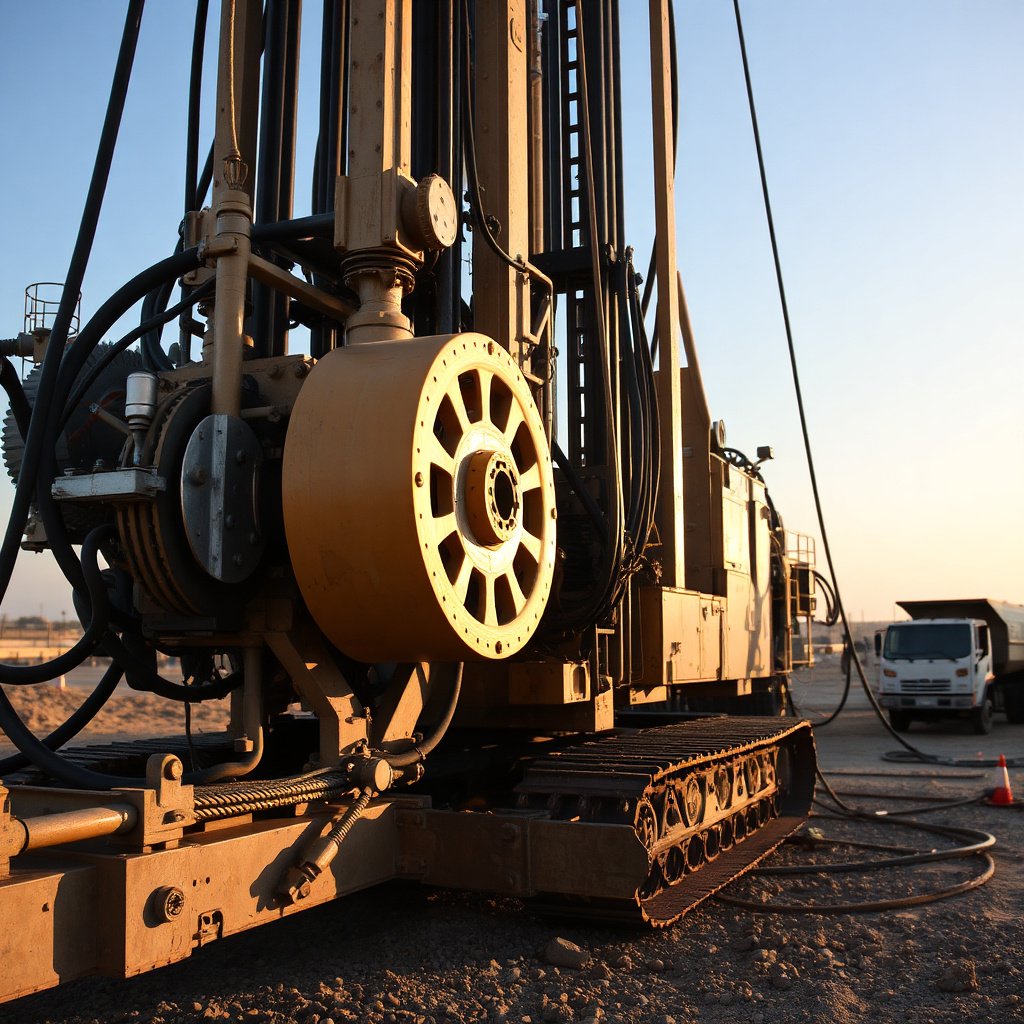
Well drilling prices usually range from $15 to $30 per foot. This price includes labor, equipment use, and some materials. In regions with easier drilling conditions, costs may be lower; difficult geology pushes the price higher.
For example, a 100-foot well could cost between $1,500 and $3,000 just for drilling. This cost is just a portion of total expenses, which also include casing, pump installation, and permits.
- Typical price: $15-$30 per foot
- Lower range in soft soil areas
- Higher range in rocky or remote locations
Additional Installation Costs
After drilling, you must install casing to line the well shaft, costing $500 to $2,000 or more depending on depth and material. Well seals and grouting to protect groundwater quality add further cost.
Installing a pump system can add another $1,000 to $3,000, depending on the pump type and required plumbing. Electrical hookup and pressure tanks may also be necessary for operational readiness.
- Casing and sealing: $500-$2,000
- Pump installation: $1,000-$3,000
- Electrical and plumbing: variable
Choosing the Right Well Drilling Company
Licensing and Experience
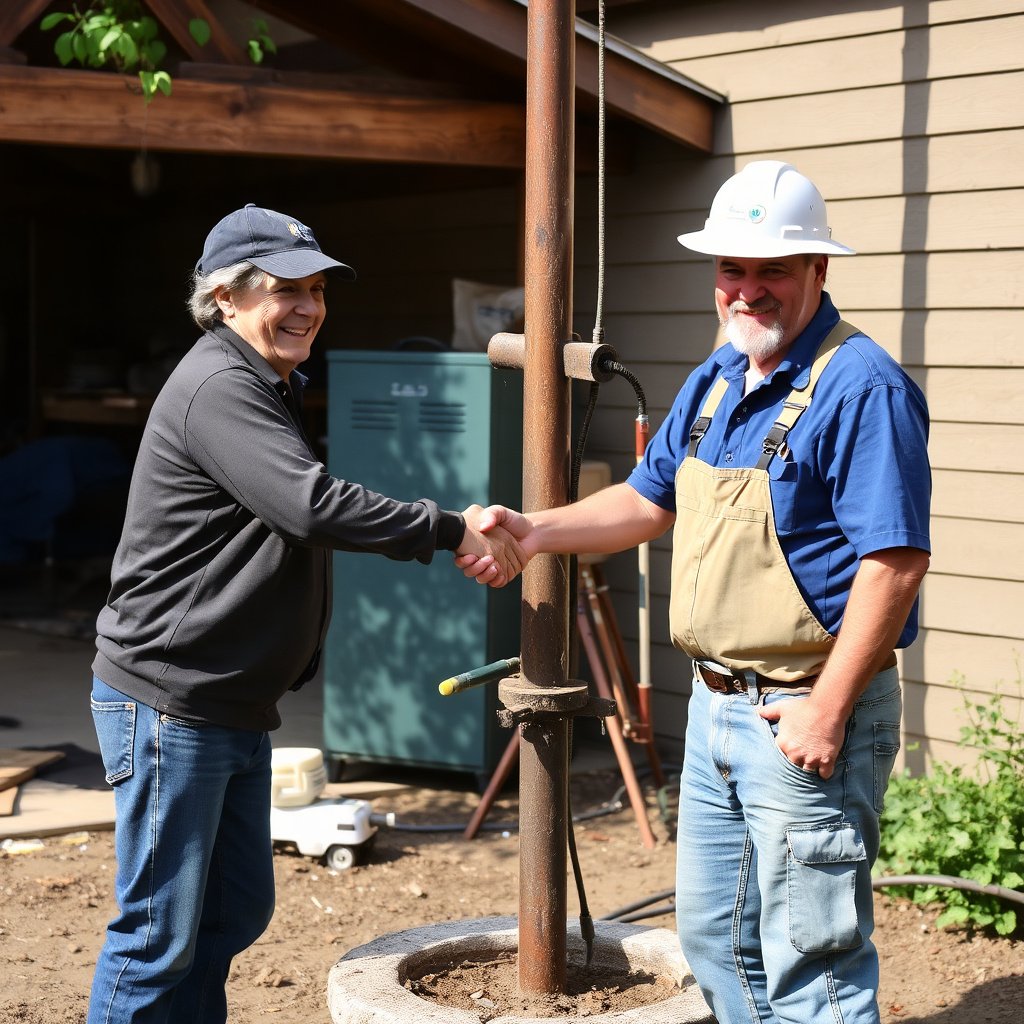
Selecting a licensed contractor with extensive experience ensures drilling follows local regulations and uses appropriate methods. Experienced drillers are more adept at handling unexpected underground conditions efficiently.
Verifying licensing protects your investment and helps avoid liability issues. Checking reviews or references can help confirm the contractor’s reputation and reliability.
For more on this, see our related guide: How Much Does It Cost to Build a Lake House? A Detailed Cost Breakdown.
Quotes and Estimates
Request multiple detailed quotes to compare service inclusions and pricing structures. Be wary of low bids that omit essential tasks like proper casing installation or water testing.
Quotes should clearly outline costs per foot, material charges, permits, and any extra fees. Transparency at this stage minimizes surprises during or after project completion.
Permitting and Regulatory Costs for Well Drilling

Understanding Local Permitting Requirements
Most areas require permits before drilling a well to protect water resources and ensure safety. Permit fees vary widely but typically range from $100 to $500 depending on jurisdiction.
Permits might also require detailed site plans, water testing, and inspections during or after drilling. Failing to secure proper permits can cause legal trouble and necessitate costly remediation.
Environmental and Water Testing Fees
Testing the well water for contaminants after drilling ensures safety for consumption. These tests can cost between $100 and $300 depending on the scope and lab fees.
Some regions mandate periodic water testing post-installation, imposing an ongoing cost for well owners. Budgeting for these is part of responsible well ownership.
Maintenance and Operating Costs After Drilling a Well

Regular Pump and System Maintenance
After installation, periodic maintenance such as pump servicing, pressure tank checks, and electrical system inspections helps sustain well performance and longevity.
Routine maintenance costs vary but generally run $150 to $400 annually depending on system complexity and service calls. Neglect can cause costly breakdowns.
For more on this, see our related guide: How Long Does a Well Last? Understanding Well Longevity and Maintenance.
Water Quality Monitoring
Continued monitoring of water quality is essential to detect contamination early. While testing isn’t frequent like maintenance, budget an occasional $100-$300 test every 1-3 years.
Changing water conditions or new local environmental factors may require more frequent tests to keep drinking water safe.
Alternative Well Drilling Methods and Their Cost Impact
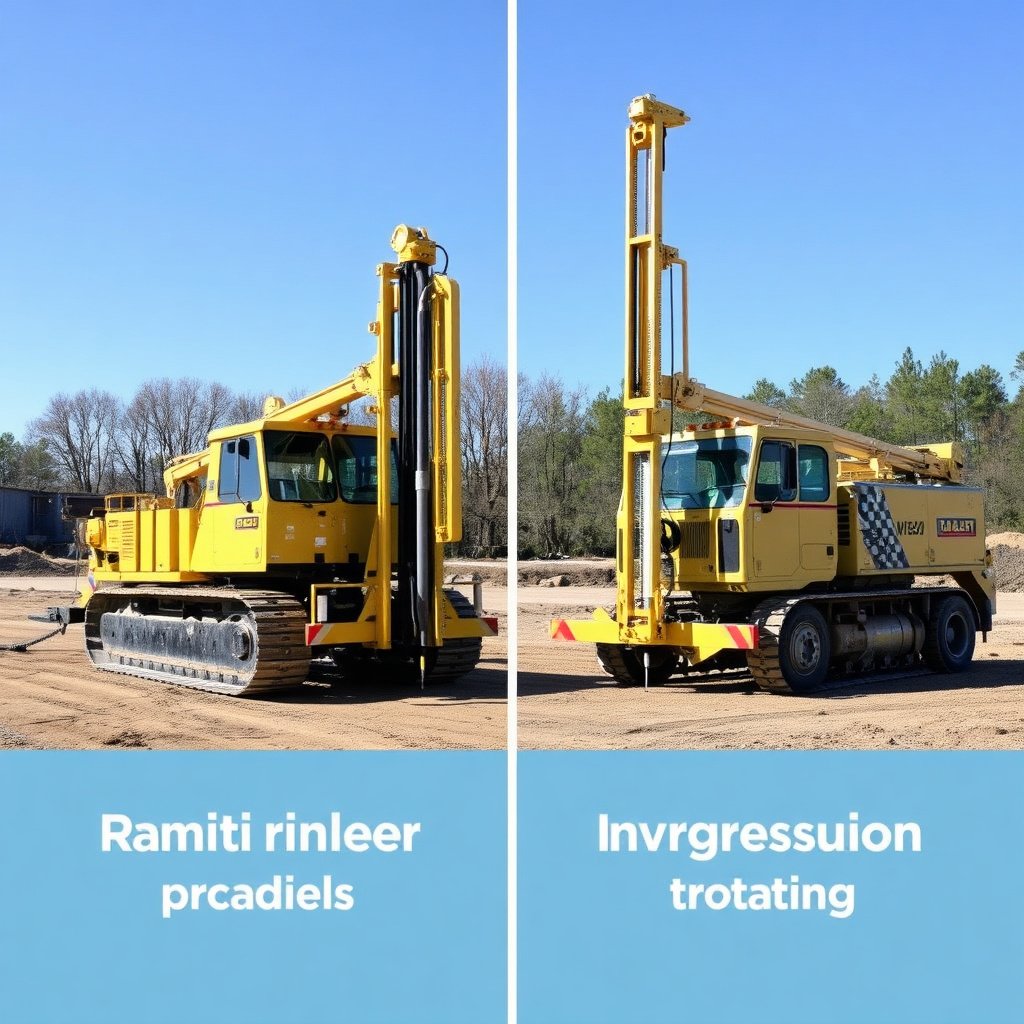
Rotary Drilling vs. Percussion Drilling
Rotary drilling uses a rotating drill bit to bore through the ground and is the most common modern method. It handles many soil types but is generally more expensive per foot drilled than percussion drilling.
Percussion drilling repeatedly lifts and drops a heavy tool to break hard rock, often used in rocky or remote areas. Though slower, it can reduce equipment wear and may sometimes lower costs.
For further in-depth details on the science and technical aspects of well drilling, you can visit the Water Well Drilling information on the USGS website. Water Well Drilling information on the USGS website.
Manual and Auger Drilling Options
Manual drilling techniques like hand auger or jetting are suitable for shallow wells in soft soils and cost much less, sometimes under $1,000. These methods are highly dependent on ground conditions and labor intensity.
They lack the depth and capacity of machine-drilled wells, making them inappropriate for deeper or higher-volume needs, but represent cost-effective approaches in the right settings.
- Manual drilling costs under $1,000 typically
- Limited depth and capacity compared to machine drilling
Well Drilling Methods and Cost Comparison
Here’s a look at different well drilling techniques and how their costs, depths, and ideal conditions compare.
| Method | Cost per Foot | Typical Depth Range | Best Soil Conditions |
|---|---|---|---|
| Rotary Drilling | $15 – $30 | 100 – 400+ ft | Varied soil, including hard rock |
| Percussion Drilling | $12 – $25 | 80 – 300 ft | Rocky, dense soil |
| Manual Auger Drilling | $5 – $10 | Up to 30 ft | Soft soil, sand |
| Jetting | $3 – $8 | Up to 50 ft | Loose, sandy soils |
Frequently Asked Questions
What is the average cost to drill a water well?
The average cost ranges from $3,000 to $15,000, with most homeowners spending $5,000 to $7,000 including all installation components.
Does well depth affect drilling costs?
Yes, drilling cost is usually based on feet drilled, so deeper wells cost more due to longer drilling times and more material requirements.
Are permits required to drill a well?
Most locations require permits that include fees typically between $100 and $500 plus compliance with local regulations and inspections.
Is water quality testing necessary after drilling a well?
Water testing is crucial for safety and is often required by law; costs run $100 to $300 depending on tests performed.
Can I drill a well myself to save money?
Manual methods can work for shallow wells in soft soil but are limited in depth and often impractical for reliable water supply needs.
Key Takeaways
- Well drilling costs vary widely, typically $3,000 to $15,000 total.
- Depth and soil conditions are primary cost drivers.
- Permits and water testing add important but smaller expenses.
- Choosing experienced drillers ensures quality and compliance.
Conclusion
Deciding how much it costs to drill a well involves balancing multiple factors including depth, local geology, and necessary equipment like casing and pumps. Unlike flat-rate projects, well installation expenses can vary dramatically depending on material needs and the geological challenges at your plot. Researching regional drilling costs and obtaining detailed quotes helps clarify budgeting for this vital investment in water independence. Understanding how surface conditions and technical requirements affect costs reduces risk of unexpected expenses and ensures the selected solution suits your needs.
When narrowing choices, consider that rotary drilling suits diverse soil types and often offers reliable efficiency but with moderate price points. Percussion drilling can be a cost-friendly alternative in particularly rocky areas if time isn’t a priority. If your water needs are minimal and soil conditions favorable, manual auger or jetting methods provide affordable shallow well options, though with limitations on depth. Accounting for regulatory fees and post-installation maintenance ensures your well remains a sustainable water source for years to come.
The best next step is to consult local drilling professionals to gather precise quotes adapted to your land’s characteristics. Combine these estimates with knowledge about drilling methods, site soil, and equipment needs to comprehensively evaluate the total investment. By approaching well drilling as a detailed project rather than a simple price tag, you can confidently secure a dependable water supply tailored to your property’s unique circumstances.