Do You Need Flood Insurance for a Lake House? What Homeowners Should Know
Yes, flood insurance is typically necessary for a lake house because standard homeowners insurance rarely covers flood damage. Given the proximity to water bodies, lake houses are at increased risk of flooding from storms, rising lake levels, or heavy rainfall. Without flood insurance, property owners could face significant out-of-pocket repair costs.
Understanding flood insurance matters because water damage from floods can be devastating and costly, affecting not only the structure itself but also personal belongings and landscaping. Since most home insurance policies exclude flood-related incidents, relying solely on your homeowner's policy leaves your investment vulnerable. Flood insurance provides tailored coverage that's vital when living near lakes where floods may occur suddenly and unpredictably.
This guide breaks down lake house flood risks, explains how flood insurance works, discusses factors influencing coverage needs, and offers tips for choosing the right policy. It also compares common flood insurance options for lakefront properties and answers frequently asked questions to help you protect your lake house effectively.
Understanding Flood Risks for Lake Houses

Common Causes of Flooding Near Lakes
Flooding around lake houses often results from heavy rainstorms, rapid snowmelt, or upstream water releases that raise lake levels. Flash floods can occur without warning due to intense rainfall, and hurricanes or tropical storms can exacerbate flooding risks significantly.
Additionally, seasonal changes may cause rising water levels that temporarily submerge low-lying land. Understanding these factors helps lake house owners anticipate flood potential and make informed decisions about insurance and property protection.
How Flood Risk Is Measured
Flood risk is assessed by agencies like FEMA using flood maps that detail flood zones based on historical data and hydrological analysis. Lake houses in high-risk zones (Special Flood Hazard Areas) generally face mandatory flood insurance requirements if they have federally-backed mortgages.
Even if your lake house lies outside a high-risk zone, unpredictable weather patterns and changes in the environment mean flood insurance can still be a valuable safeguard.
How Flood Insurance Works for Lake Houses

What Flood Insurance Covers
Flood insurance typically protects the structure, foundation, electrical and plumbing systems, heating and air conditioning equipment, and built-in appliances. Coverage often extends to detached structures like garages and some landscaping features.
Personal belongings such as furniture, electronics, and clothing can be covered under a separate contents policy, so homeowners should evaluate both building and contents needs.
- Structural damage
- Foundation repairs
- Electrical and plumbing systems
- Detached garages (limited)
- Personal property (with contents coverage)
Limits and Exclusions in Flood Policies
Flood insurance policies have coverage limits that may require supplementing with additional riders or private insurance for full replacement costs. Most policies exclude damage caused by moisture, mold, or sewer backups unless specifically endorsed.
Deductibles and waiting periods before coverage becomes effective are typical, so timing the purchase and understanding policy terms is critical for lake house owners.
Factors Influencing Your Lake House Flood Insurance Needs
Location and Flood Zone Classification
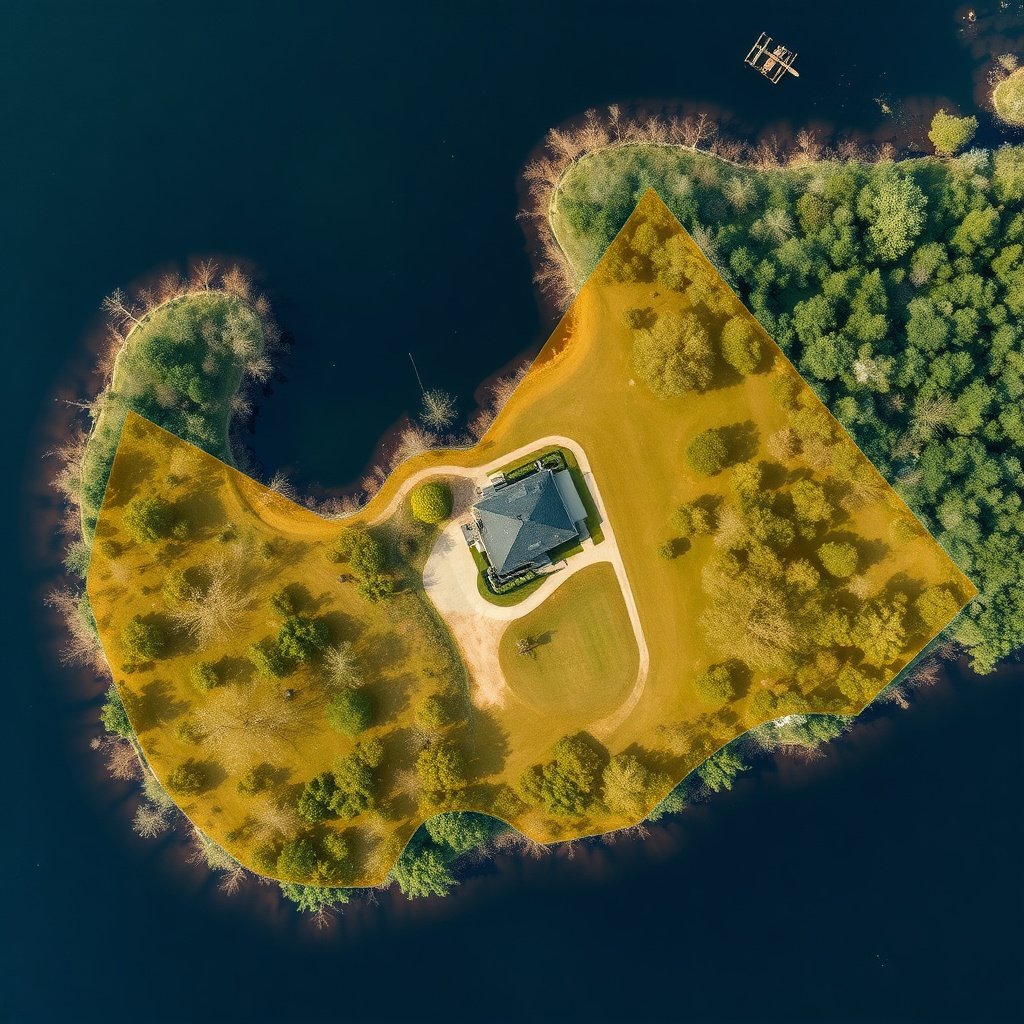
The exact location of your lake house determines flood risk. Properties in FEMA-designated Special Flood Hazard Areas require flood insurance if the mortgage is federally backed, while those in moderate- to low-risk zones may choose coverage based on personal risk tolerance.
Proximity to flood control measures, elevation relative to the lake surface, and local drainage infrastructure also impact insurance needs.
For more on this, see our related guide: Is a Lake House Expensive? Understanding the True Costs.
Property Value and Contents Worth
Higher-value lake houses or those with expensive furnishings usually justify broader flood coverage. Evaluating the worth of your structure and belongings helps decide coverage limits and whether to add contents protection.
Consider seasonal use properties separately, as some policies may offer different terms for vacation homes or rarely occupied residences.
Choosing the Right Flood Insurance Policy for Your Lake House

Comparing National Flood Insurance Program (NFIP) and Private Insurers
The NFIP offers standardized flood policies backed by the federal government, commonly required in high-risk zones. However, NFIP limits may not fully cover high-value properties or unique lake house features.
Private insurers can provide customized policies with higher coverage limits, broader protection, and discounts but require thorough evaluation for financial stability and policy terms.
- NFIP: federally backed, standardized coverage
- Private insurers: flexible terms, higher limits
- Cost differences and underwriting guidelines vary
Tips for Evaluating Policy Costs and Coverage
When selecting flood insurance, review deductibles, coverage limits, waiting periods, and premiums carefully. Factor in potential discounts and bundling options with other insurance policies.
Assess your risk tolerance and budget against how much flood damage you could afford without insurance to make informed decisions.
Additional Precautions Beyond Flood Insurance

Flood-Proofing and Mitigation Measures
Physical improvements like elevating the home, installing flood vents, sealing walls, and landscaping for water diversion reduce flood damage risk and may lower insurance premiums.
Regular maintenance of drainage systems and emergency preparedness plans further protect lake houses from flooding impacts.
- Elevated foundations
- Flood shields and barriers
- Grading and landscaping for runoff
- Sump pumps and drainage upkeep
For more on this, see our related guide: Why Do People Buy Lake Houses? Exploring the Allure of Waterfront Living.
Documenting and Preparing for Claims
Keeping an updated inventory with photos of belongings, maintaining receipts for expensive items, and understanding the claims process expedites recovery after flood damage.
Communicate with your insurer about coverage limits and documentation requirements beforehand to avoid surprises.
Common Myths About Flood Insurance for Lake Homes

Myth: Homeowners Insurance Covers Flood Damage
Many believe their standard homeowner's policy protects against flood damage, but most exclude water from rising bodies like lakes. Flood insurance policies are separate and specifically designed to cover these risks.
Relying solely on homeowner's insurance can lead to uncovered losses after a flood event.
For detailed information on flood insurance policies, the National Flood Insurance Program offers helpful resources and guidance. National Flood Insurance Program.
Myth: Flood Insurance Isn’t Necessary in Low-Risk Zones
Even in areas classified as low flood risk, sudden storms or changing lake levels can cause damage. Insuring your lake house against floods provides peace of mind and protection from unforeseen events.
Flood maps are updated periodically and may not capture every potential risk accurately.
Flood Insurance Options for Lake Houses: Category Comparison
Below is a comparison of major flood insurance categories highlighting coverage, cost, and suitability for lake house owners.
| Category | Coverage Limits | Cost Range (Annual) | Best For | Pros | Cons |
|---|---|---|---|---|---|
| NFIP Standard Policy | $250,000 structure, $100,000 contents | $500 – $1,500 | High-risk zones | Government-backed, broadly available | Coverage limits may be insufficient for high-value homes |
| NFIP Elevated Coverage Rider | $500,000 structure | $1,000 – $3,000 | Properties needing more than standard NFIP | Higher limits within NFIP framework | Still limited compared to private policies |
| Private Flood Insurance | Varies up to $5 million+ | $700 – $5,000+ | High-value lake houses | Flexible coverage, fast claims service | Higher premiums, eligibility requirements |
| Excess Flood Insurance | Above NFIP limits | $300 – $2,000 | Supplementing NFIP policies | Extends coverage beyond NFIP | Requires existing NFIP policy |
| Contents-Only Flood Insurance | Up to $100,000 contents | $150 – $600 | Owners needing only personal property coverage | Cost-effective for contents protection | No building coverage included |
Frequently Asked Questions
Is flood insurance mandatory for all lake house owners?
Flood insurance mandates depend on flood zone classifications and mortgage lender requirements. While mandatory in high-risk zones with federally-backed loans, discretionary purchases are advisable for most lake house owners regardless of zone.
How long does flood insurance coverage take to become effective?
Many flood insurance policies have a 30-day waiting period before coverage activates, so purchasing ahead of potential flood seasons is highly recommended for lake houses.
Does flood insurance cover flood-related mold damage?
Standard flood insurance generally excludes mold damage unless caused directly by floodwater during the policy’s covered event. Specific mold coverage endorsements may be needed for full protection.
Can I get flood insurance if my lake house is outside a high-risk flood zone?
Yes, flood insurance policies are available for properties in moderate- or low-risk zones. Many lake house owners purchase them as a precaution against unexpected flooding.
Will installing flood-proofing measures affect my insurance premium?
Implementing structural flood mitigation like elevating the home or flood vents can sometimes reduce premiums and improve eligibility for better flood insurance terms.
Key Takeaways
- Flood insurance is essential for lake houses due to high flood risk and homeowner policy exclusions.
- Location, flood zone, and property value shape flood insurance needs and coverage choices.
- Both NFIP and private insurers offer flood policies, each with pros and cons to assess.
- Mitigation measures can reduce flood damage risk and impact insurance costs.
Conclusion
Determining whether you need flood insurance for a lake house boils down to evaluating your property's flood risk, regulatory requirements, and personal financial protection goals. Since proximity to water fundamentally increases vulnerability even outside high-risk zones, flood insurance should be seriously considered to financially safeguard your investment. Understanding policy details, coverage limits, and exclusions helps you align protection with your specific situation.
For lake houses located near or within FEMA-designated flood zones, securing a National Flood Insurance Program policy is often mandatory when financing through federally regulated lenders. However, properties with higher values or unique features might benefit from private flood insurance for enhanced coverage and service. Water damage risks in moderate- or low-risk zones mean coverage can be prudent. Implementing physical flood defenses and maintaining documentation complement insurance and prepare you for potential claims.
If you own a lake house, reviewing flood insurance options early, consulting with insurance professionals, and investing in proper mitigation measures are practical steps toward protecting your home and belongings. Assess your risk regularly, update coverage as needed, and prioritize flood protection to enjoy your waterfront property with confidence.