How to Start a Vacation Rental Business: A Step-by-Step Guide
Starting a vacation rental business begins with choosing the right property and understanding the local market demand. You'll need to research popular destinations, analyze competitors, and decide whether to buy or lease a property suitable for short-term rentals. This approach sets a strong foundation for your business.
Vacation rentals have grown increasingly popular as travelers seek more personalized and affordable accommodations. By entering this market, you have the opportunity to generate significant income, but success requires preparation, knowledge of regulations, and effective marketing. Knowing how to start correctly can save time and avoid costly mistakes.
This article will cover essential steps such as selecting the ideal property, setting up your rental, navigating legal requirements, marketing your business, and managing bookings. By following these guidelines, you’ll be equipped to launch and grow a profitable vacation rental business.
Choosing the Ideal Property for Your Vacation Rental Business
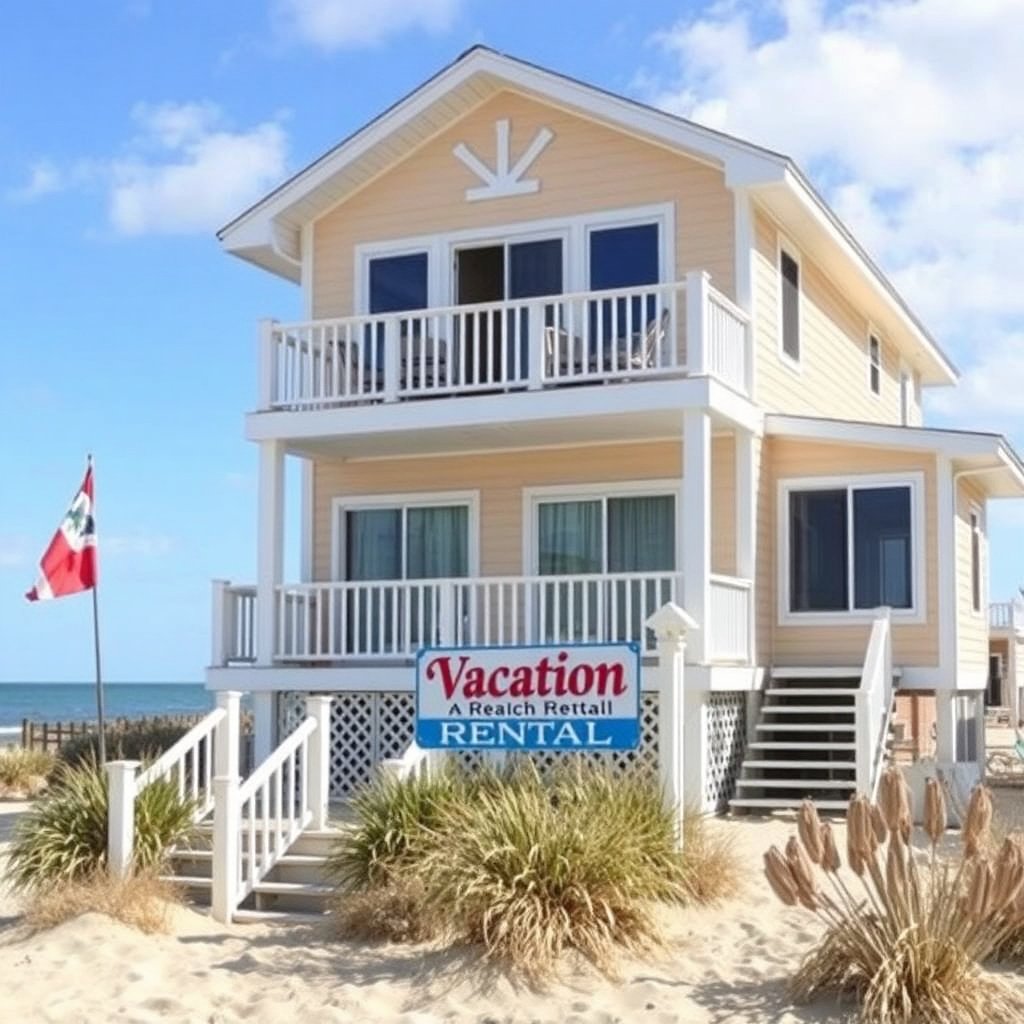
Assessing Location and Market Demand
The location of your vacation rental significantly affects its profitability. Look for areas with strong tourism appeal, such as coastal towns, urban centers, or near popular attractions. Research seasonal trends and demand peaks to maximize occupancy rates.
Analyzing your competition helps identify gaps in the market. Use online platforms to see what types of properties are popular and their average rental rates. Properties near amenities like restaurants, transport, and entertainment tend to attract more guests.
- High-demand tourist regions
- Proximity to attractions
- Access to public transportation
- Neighborhood safety and amenities
Evaluating Property Types and Features
Choosing between a single-family home, condo, or apartment impacts your target guests and management style. Larger homes are ideal for families or groups, while studios or one-bedroom units attract solo travelers and couples.
Focus on properties with appealing features, such as a well-equipped kitchen, multiple bathrooms, comfortable bedrooms, and outdoor spaces. These add value and justify higher rental prices.
- Number of bedrooms and bathrooms
- Modern furnishings and décor
- Safety features and accessibility
- Outdoor areas and parking availability
Setting Up Your Vacation Rental Business for Success

Preparing and Furnishing the Property
Create a welcoming environment by providing clean, comfortable furnishings and essential amenities. Invest in quality beds, linens, and kitchen supplies to enhance guest satisfaction and positive reviews.
Decorate the space with a cohesive style that appeals to your target market. Thoughtful touches like local art or guides to nearby attractions make your rental memorable and increase repeat bookings.
- Comfortable bedding and quality furniture
- Fully equipped kitchen
- High-speed internet and entertainment options
- Safety equipment like smoke detectors and fire extinguishers
For more on this, see our related guide: What Is a Vacation Rental? Understanding the Basics and Benefits.
Setting Competitive Pricing Strategies
Price your vacation rental based on location, property features, and seasonality. Use online platforms to monitor competitors’ rates and adjust accordingly to maintain attractiveness.
Consider offering discounts for early bookings or extended stays to boost occupancy. Remember to factor in cleaning fees and taxes when determining your rates.
- Dynamic pricing based on demand
- Discounts for long-term guests
- Including cleaning and service fees
- Adjusting for weekend and holiday rates
Navigating Legal and Regulatory Requirements
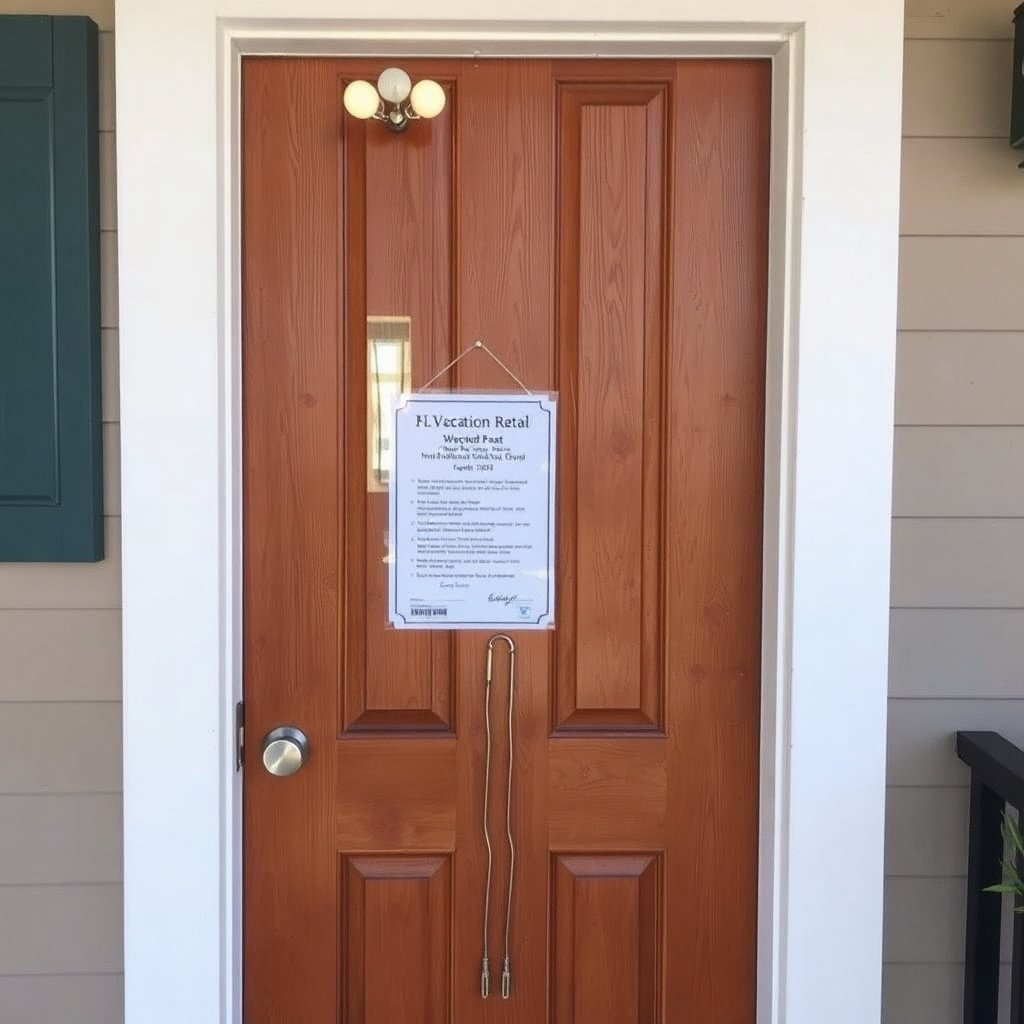
Understanding Local Vacation Rental Laws
Compliance with zoning laws and short-term rental regulations is critical. Many municipalities require permits or licenses, and some have restrictions on the number of rental days per year.
Research local laws thoroughly to avoid fines or forced closure. Consulting local authorities or legal experts ensures your business operates legally from the start.
- Obtaining necessary permits or licenses
- Following occupancy limits
- Adhering to tax filing requirements
- Understanding insurance needs
Insurance and Liability Considerations
Protect your investment with appropriate insurance coverage that includes liability and property damage. Standard homeowners policies often don’t cover short-term rentals, so specialized vacation rental insurance is recommended.
Liability coverage helps safeguard against guest injuries or accidents on your property, which is vital for a sustainable vacation rental business.
- Vacation rental insurance policies
- Liability protection for guests
- Coverage for property damage
- Additional disaster or loss coverage
Marketing Your Vacation Rental Effectively
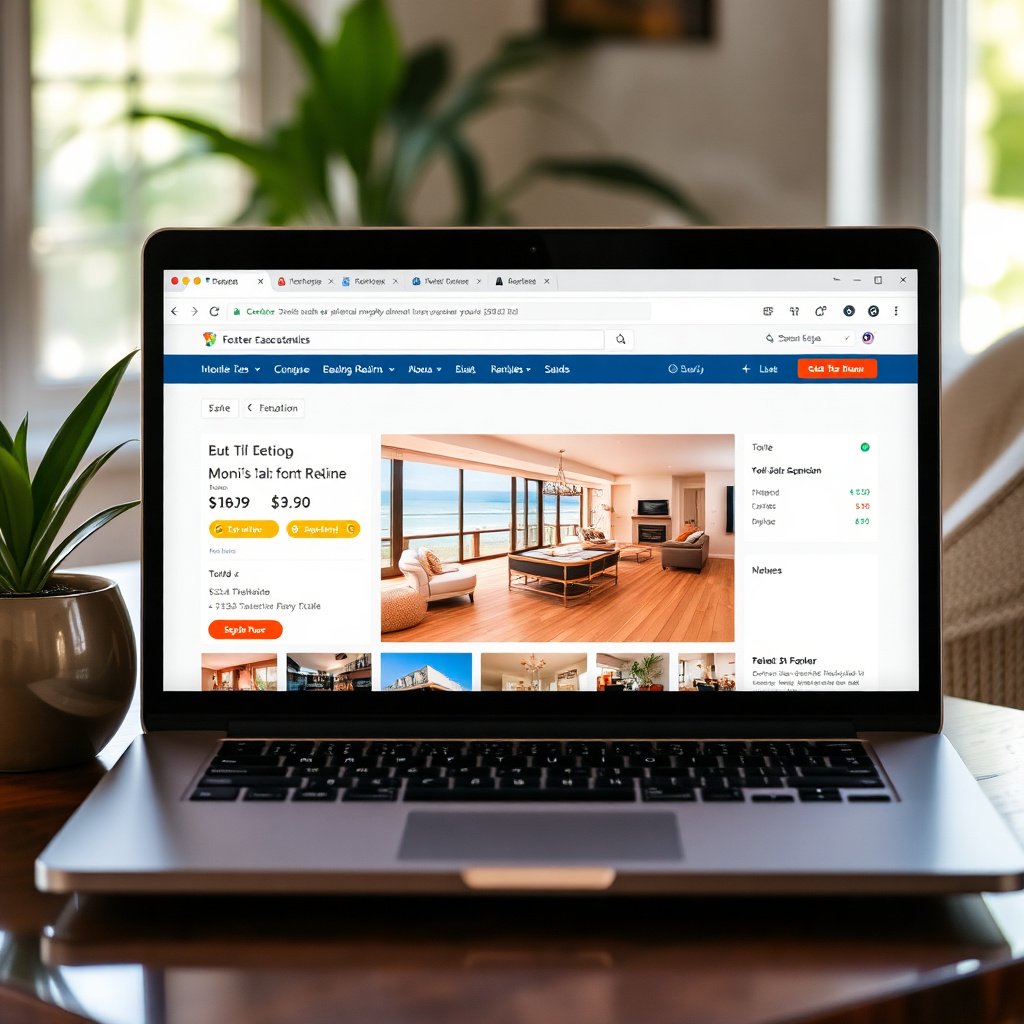
Listing on Online Vacation Rental Platforms
Publish your property on popular platforms like Airbnb, Vrbo, and Booking.com to reach a wide audience. Use high-quality photos and detailed descriptions to attract potential guests.
Respond promptly to inquiries and maintain excellent communication to build a strong reputation and secure bookings.
- Creating compelling listings
- Using professional photography
- Prompt guest communication
- Encouraging positive reviews
For more on this, see our related guide: What Is a Short Term Rental? Understanding the Basics and Benefits.
Utilizing Vacation Rental Management Tips for Promotion
Leverage social media and local tourism websites to increase visibility. Special offers, seasonal campaigns, and partnerships with local businesses can boost bookings.
Implement vacation rental management tips such as automating messages, optimizing pricing, and maintaining an updated calendar to improve overall efficiency.
- Running targeted social media ads
- Working with local tourism boards
- Using automation tools for booking management
- Regularly updating online availability
Managing Guest Experiences and Operations

Providing Excellent Guest Service
Clear instructions for check-in, immediate responsiveness to guest needs, and personalized touches increase guest satisfaction. Happy guests are more likely to leave positive reviews and return.
Handling complaints professionally and promptly preserves your reputation and often turns potentially negative experiences into positive outcomes.
- Clear communication before arrival
- Quick responses during stay
- Thoughtful welcome gifts or guides
- Follow-up after departure
For further context on vacation rental businesses and their evolution, you can review the detailed overview available on Wikipedia. Vacation rental business overview on Wikipedia.
Streamlining Cleaning and Maintenance
Regular, thorough cleaning between guests is crucial to maintain high standards and meet platform requirements. Hire reliable cleaning services or manage yourself with checklists to ensure consistency.
Schedule routine maintenance to prevent issues like plumbing leaks or appliance failures, keeping the property safe and comfortable.
- Creating standardized cleaning checklists
- Coordinating timely turnovers
- Preventative maintenance schedules
- Emergency repair arrangements
Vacation Rental Property Types Comparison
This table compares common vacation rental property types to help you decide which fits your business goals and target guests.
| Property Type | Target Guests | Average Nightly Rate | Maintenance Complexity | Typical Occupancy |
|---|---|---|---|---|
| Single-Family Home | Families, Groups | $150-$300 | Moderate | 60-75% |
| Condominium | Couples, Small Families | $100-$200 | Low | 65-80% |
| Apartment | Solo Travelers, Couples | $80-$150 | Low | 70-85% |
| Cabin/Cottage | Nature Lovers, Remote Stays | $120-$250 | High | 50-65% |
| Luxury Villa | Affluent Guests, Special Occasions | $300-$600+ | High | 55-70% |
Frequently Asked Questions
Do I need a business license to start a vacation rental?
Many locations require a specific business license or permit to operate a vacation rental legally. Requirements vary, so check with your local government office before listing your property.
How can I attract guests during the off-season?
Offer discounts, special packages, or partner with local events to attract guests when demand is lower. Highlight unique off-season attractions and provide flexible booking options.
What are the essential amenities guests expect in a vacation rental?
Basic expectations include reliable Wi-Fi, clean linens, a stocked kitchen, working appliances, heating or air conditioning, and safety features such as smoke detectors.
How important are guest reviews for my vacation rental business?
Guest reviews greatly influence bookings by building trust and credibility. Consistently positive feedback helps improve search rankings and attract more guests.
Can I manage a vacation rental business remotely?
Yes, with the help of property management software and local cleaning or maintenance teams, you can efficiently run your vacation rental from a distance.
Key Takeaways
- Research location and property features before investing.
- Comply with legal regulations and obtain necessary permits.
- Use effective marketing, including online platforms and social media.
- Focus on guest experience and professional property management.
Conclusion
Starting a vacation rental business requires a clear understanding of your market and careful selection of property and location. Implementing solid management practices alongside compliance with local regulations ensures your business operates smoothly while attracting guests consistently. Balancing these elements empowers you to create a profitable and sustainable rental venture.
Consider your primary target guests when choosing your property type—whether a family-friendly single-family home, a cozy condo for couples, or a luxury villa for special occasions. Utilizing vacation rental management tips such as dynamic pricing and automated communications helps maintain high occupancy and positive guest interactions, key factors for long-term success.
Once your property is ready and legally compliant, focus on building a strong online presence and providing excellent service to guests. Investing in quality amenities and clear communication can generate rave reviews and repeat bookings. Taking the time to carefully plan and manage these steps will position your vacation rental business to thrive in competitive markets.