Average Cost of Building a Lake House: What You Need to Know
The average cost of building a lake house typically ranges from $150 to $300 per square foot, depending on location, materials, and design specifics. On average, a modest 1,500-square-foot lake house can cost between $225,000 and $450,000 to build, but this can rise significantly with custom features or premium finishes.
Understanding construction costs matters because building on waterfront property often introduces unique challenges, such as land preparation, zoning regulations, and environmental protections. These factors influence foundation requirements, permits, and overall expenses, making lake house construction costs generally higher than typical homes.
This article breaks down the major components that affect the average cost of building a lake house. It covers budgeting for land, foundation, materials, labor, and additional costs like docks or landscaping. We'll also compare different construction options and common design choices to guide you through your planning process.
Land Acquisition and Site Preparation Costs

Purchasing Waterfront Land
Waterfront land typically commands a premium, often costing significantly more than non-waterfront lots of equivalent size. Prices can vary widely depending on the lake’s size, accessibility, and local real estate market conditions.
When estimating the average cost of building a lake house, factoring in land acquisition is essential, as it might constitute up to 40% or more of your budget. Properties with private docks or direct lake access tend to be more expensive.
- Higher demand for waterfront properties
- Limited availability increases price
- Lot size and topography impact purchase cost
Site Preparation and Environmental Considerations
Site preparation on a lakeshore may involve clearing trees, leveling land, and installing proper drainage to prevent erosion. These tasks can be complex if the terrain is uneven or swampy, often increasing initial costs.
Environmental regulations frequently require permits and compliance with shoreline protection rules. This may involve setbacks from the water and restrictions on soil disturbance, influencing permit fees and construction methods.
- Tree removal and grading costs
- Erosion control requirements
- Permit and environmental impact studies
Foundation and Structural Considerations for a Lake House

Foundation Types Suitable for Lakeside Homes
Lake houses often require specialized foundations like pier and beam or reinforced concrete slabs to handle moisture and possible soil shifting near water. These foundation types can be more expensive than standard basements or crawl spaces.
Choosing the right foundation impacts both stability against flooding and long-term maintenance costs. Piling foundations, for example, elevate the structure to reduce flood risk but cost more upfront.
- Pier and beam foundations
- Concrete slab with moisture barriers
- Pile foundations for flood-prone areas
Waterproofing and Drainage Systems
Proper waterproofing measures, including vapor barriers and sealed basements, are critical near water bodies. This helps protect the house from moisture intrusion, mold, and structural damage.
Installing efficient drainage around the foundation reduces water pooling. French drains or swales can direct runoff away from the structure, safeguarding its integrity and potentially reducing insurance premiums.
- Basement waterproofing seals
- French drains and grading
- Moisture-resistant building materials
Materials and Finishing Costs for Lake House Construction

Choosing Durable Exterior Materials
Lake houses must withstand humidity, insects, and weather exposure, which makes material choice crucial. Engineered wood, fiber cement siding, and stone are popular for their durability and aesthetic appeal.
While these materials increase initial costs, they reduce maintenance expenses, preserving the home’s value. Using rot-resistant wood and UV-protected finishes further extends durability near water.
- Fiber cement siding
- Engineered wood treatments
- Natural stone accents
For more on this, see our related guide: How Much Does a Lake House Cost? Understanding Prices and Factors.
Interior Finishes and Style Impact on Costs
Luxury finishes like stone fireplaces, hardwood floors, and custom cabinetry raise costs but enhance comfort and resale value. A rustic style may use reclaimed wood and simple finishes to keep budgets lower.
Selecting finishes that tolerate moisture—such as tile bathrooms and waterproof flooring—prevents issues common in humid lakeside environments, though these choices might cost more upfront.
- Custom cabinetry and built-ins
- Moisture-resistant flooring
- Energy-efficient windows and doors
Labor and Permits: Key Budget Factors
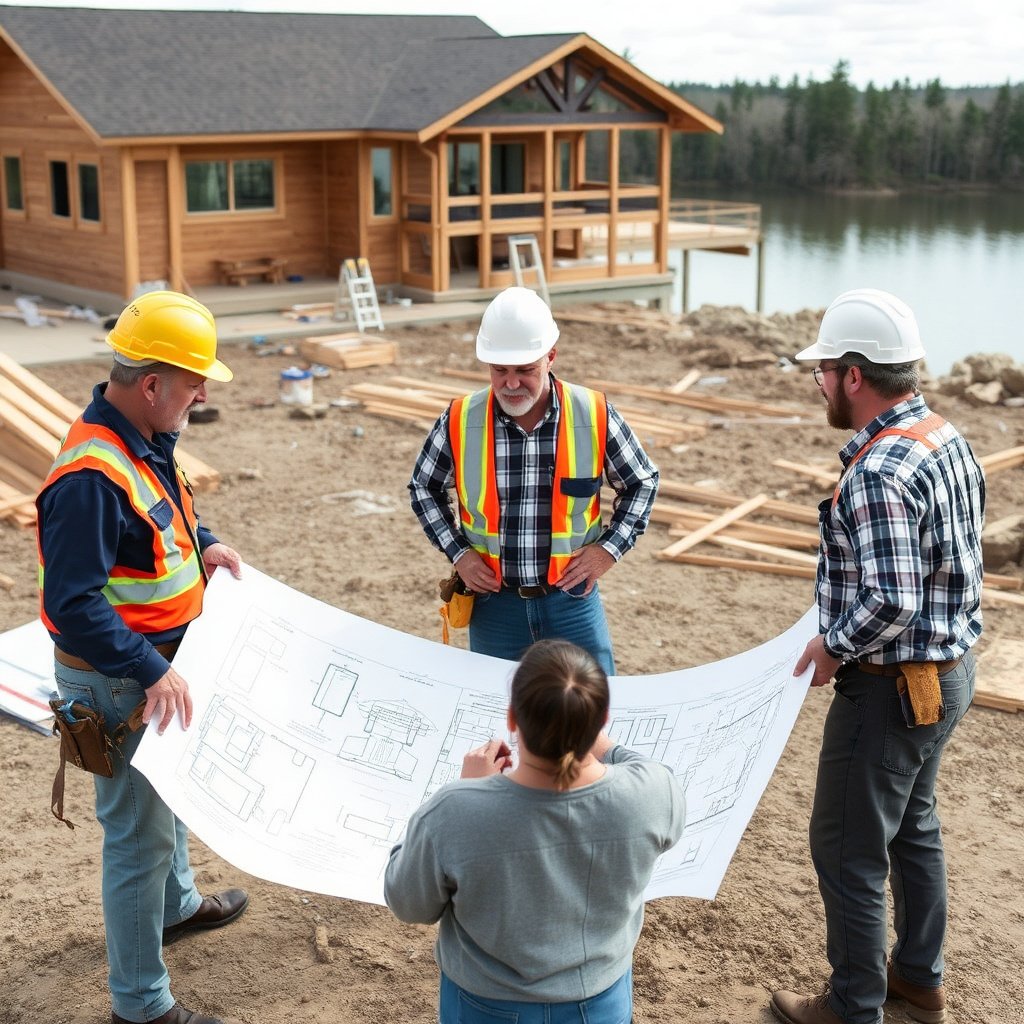
Labor Costs for Specialized Lake House Builds
Labor expenses for lake house construction tend to be above average due to specialized skills required for foundations, waterproofing, and compliance with waterfront codes. Skilled carpenters and masons familiar with lakeside demands command higher rates.
Remote locations or limited access to the site can also increase labor time, elevating overall costs. Hiring experienced local contractors familiar with lake house construction can help manage these factors.
- Skilled trades specialized in waterfront homes
- Increased labor time due to site challenges
- Premium for local contractor knowledge
Permitting and Inspection Fees
Building near or on a lake often triggers additional permitting fees related to environmental impact, zoning setbacks, and shoreline management. These costs vary by municipality and can add thousands to the project budget.
Passing inspections for septic systems, erosion control, and floodplain compliance is mandatory. Any required adjustments during construction can increase time and expense, underscoring the importance of thorough planning.
- Zoning and shoreline permits
- Environmental impact assessments
- Regular building inspections
Additional Amenities and Their Cost Implications

Docks, Boathouses, and Water Access Structures
Many lake house owners incorporate docks or boathouses, which can cost anywhere from $15,000 to $50,000 or more depending on materials and size. Permitting for these structures adds extra layers of cost and complexity.
Selections include floating docks, fixed piers, or combination designs, each with pros and cons related to durability, maintenance, and permitted use. These features can greatly enhance lifestyle but add substantially to the overall budget.
- Floating vs fixed dock options
- Materials: wood, composite, metal
- Permit requirements for water structures
For more on this, see our related guide: How to Buy a Lake Lot: A Practical Guide for Your Waterfront Property.
Outdoor Living Spaces and Landscaping
Outdoor features like patios, fire pits, and lakeside landscaping increase enjoyment but also add cost. Using native plants can reduce maintenance and prevent erosion, a benefit for lakeside properties.
Landscaping near water has unique challenges, including stabilization against runoff and protection of natural habitats. Budgeting for professional landscaping and stormwater management is smart in lake house plans.
- Patios and decks with weather-resistant materials
- Erosion control landscaping
- Outdoor kitchens and seating areas
Energy Efficiency and Sustainability in Lake House Design

Incorporating Energy-Efficient Systems
Adding insulation, double-pane windows, and energy-efficient HVAC systems can increase initial costs but reduce utility bills and environmental impact. These considerations are especially important in seasonal lake houses where temperature control is key.
Solar panels or heat pumps may be viable in some lake locations, enhancing sustainability and potentially qualifying for local incentives or tax credits.
- High R-value insulation
- Energy Star rated appliances
- Solar panel installation options
For more detailed background on lake houses and their typical characteristics, visit the Lake house Wikipedia page. Lake house.
Sustainable Materials and Waste Reduction
Using sustainably sourced materials and planning for minimal waste during construction cuts long-term environmental impacts. Timber from certified forests and recycled materials are popular choices among eco-conscious lake house builders.
Green building practices may increase upfront expenses but contribute to healthier living environments and may raise property values.
- Certified sustainable wood products
- Recycled and reclaimed building materials
- Waste management during construction
Comparison of Lake House Building Cost Categories
The following table compares key categories that affect the overall cost of building a lake house, helping you understand where your budget will be allocated.
| Category | Low-End Cost | Mid-Range Cost | High-End Cost |
|---|---|---|---|
| Land Acquisition | $50,000 | $150,000 | $400,000 |
| Foundation & Site Prep | $20,000 | $50,000 | $100,000+ |
| Materials & Finishes | $40,000 | $90,000 | $200,000+ |
| Labor | $30,000 | $70,000 | $150,000+ |
| Permits & Fees | $3,000 | $7,000 | $15,000 |
| Additional Amenities | $10,000 | $30,000 | $70,000+ |
Frequently Asked Questions
How much does the average cost of building a lake house per square foot vary?
Costs typically range from $150 to $300 per square foot, influenced by location, design choices, and materials. Custom features and challenging sites can push costs higher.
What permits are usually needed for lake house construction?
Common permits include building permits, environmental impact assessments, shoreline setback approvals, and sometimes special dredging or docking permits, varying by local jurisdiction.
Are lake houses more expensive to insure than regular homes?
Yes, due to risks like flooding and storms, insurance premiums for lake houses are generally higher. Installing flood mitigation features can help reduce these costs.
Can sustainable building reduce the average cost of building a lake house?
While initial costs may be higher, sustainable features reduce long-term utility bills and may qualify for tax incentives, improving overall cost-effectiveness over time.
Is it necessary to hire specialized contractors for building on a lake?
Hiring contractors experienced in waterfront construction is advisable because they understand site-specific challenges and regulatory requirements, helping avoid costly mistakes.
Key Takeaways
- Building a lake house costs on average $150-$300 per square foot, often higher due to site challenges.
- Waterfront land and foundation work are major budget factors.
- Durable, moisture-resistant materials and proper waterproofing are essential investments.
- Additional features like docks or outdoor living spaces significantly increase costs.
Conclusion
Deciding to build a lake house involves careful budgeting, especially since waterfront properties bring unique construction demands. The average cost of building a lake house varies widely based on land price, foundation requirements, materials, labor, and permits. By breaking down each cost component early and considering your lifestyle needs, you can better plan a realistic budget that balances initial expenses with long-term value and enjoyment. Recognizing the influence of environmental regulations and specialized construction techniques is critical for avoiding unplanned overruns and delays.
For those prioritizing cost savings, selecting a moderately sized cabin-style lake house with durable but simple materials may be the best approach. Conversely, if you want a luxurious retreat, investing in reinforced foundations, high-end finishes, and amenities like docks or outdoor kitchens is appropriate. Remember, local factors such as land availability and permitting will shape the total investment. Hence, early consultation with local builders and experts familiar with lake house construction costs can clarify options and potential trade-offs tailored to your site and lifestyle.
Ultimately, starting with a clear understanding of the average cost of building a lake house equips you to make informed decisions and move forward confidently. Begin exploring land listings nearby your preferred lake, request quotes from contractors experienced in waterfront builds, and refine your design preferences accordingly. Thoughtful planning paired with professional advice will help turn your lakeside dream into a sustainable and enjoyable reality.