How to Get a Construction Loan for a Lake House: A Step-by-Step Guide
Getting a construction loan for a lake house involves securing financing meant specifically for building rather than buying an existing home. This loan covers the cost of land purchase, materials, and labor, disbursed progressively as construction milestones are reached.
Construction loans matter because building on waterfront property like a lake house presents unique challenges, including zoning, environmental regulations, and higher costs, so specialized financing helps manage these variables with staged payments and flexible terms.
This article explains how to qualify for a construction loan for your lake house project, what lenders look for, types of loans available, how to prepare documentation and financial plans, and how construction financing options vary among lenders in this niche market.
Understanding Construction Loans for a Lake House
What Is a Construction Loan?
A construction loan is a short-term, higher-interest loan designed to fund the building of a new home, such as a lake house. Unlike traditional mortgages, funds are distributed in draws aligned with construction progress, typically monthly or after inspections.
These loans usually last 6 to 24 months until completion, after which borrowers refinance into a permanent mortgage. The approach manages lender risk by releasing funds only for verified work, protecting both parties.
Why Lake Houses Require Specialized Financing
Lake houses often have special zoning rules, environmental impact assessments, and land restrictions, which can complicate or lengthen construction. Lenders assess these factors rigorously to ensure the project is viable and insurable.
Waterfront properties might require additional inspections, erosion control measures, and flood insurance, all adding costs and financial risks that need to be reflected in loan terms.
Qualifying for a Construction Loan: What Lenders Look For

Borrower Credit and Financial Stability
Lenders evaluate credit score, typically requiring 680 or higher, and a debt-to-income ratio below 45%. Stable income verification through pay stubs, tax returns, and employment history minimizes default risk on this specialized loan.
Savings for a down payment, usually 20-25%, and reserves for unexpected construction costs also weigh heavily. Lenders prefer borrowers with a history of managing complex loans.
Detailed Construction Plans and Budget
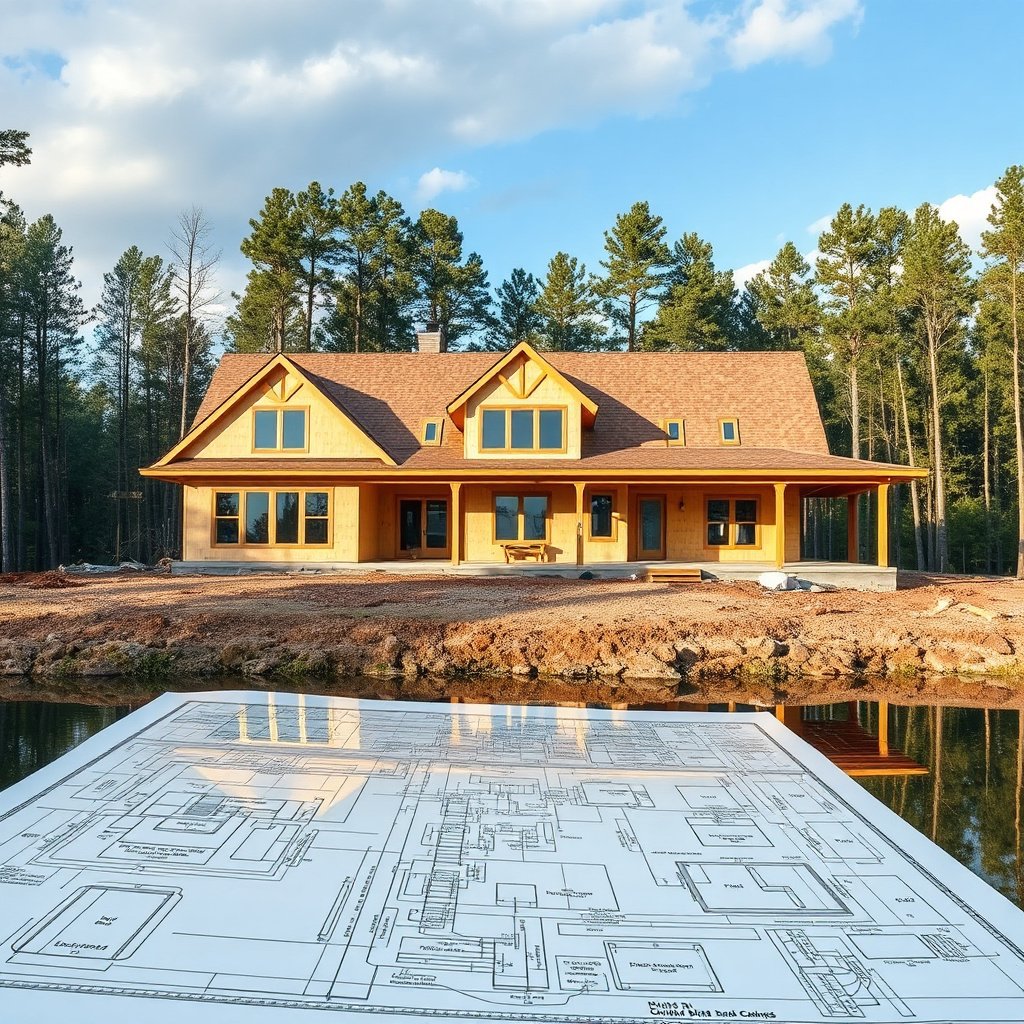
Approval requires submitting architectural blueprints, permits, and a thorough construction budget including land costs, materials, labor, and contingencies. These documents demonstrate feasibility and transparently define the draw schedule.
Experienced builders with licenses and insurance improve lender confidence. Lenders may also order an appraisal based on the proposed completed lake house to validate the loan amount against future value.
- Architectural blueprints
- Permits from local authorities
- Detailed budget breakdown
- Builder’s license and insurance documents
Types of Construction Financing Options
Construction-to-Permanent Loans
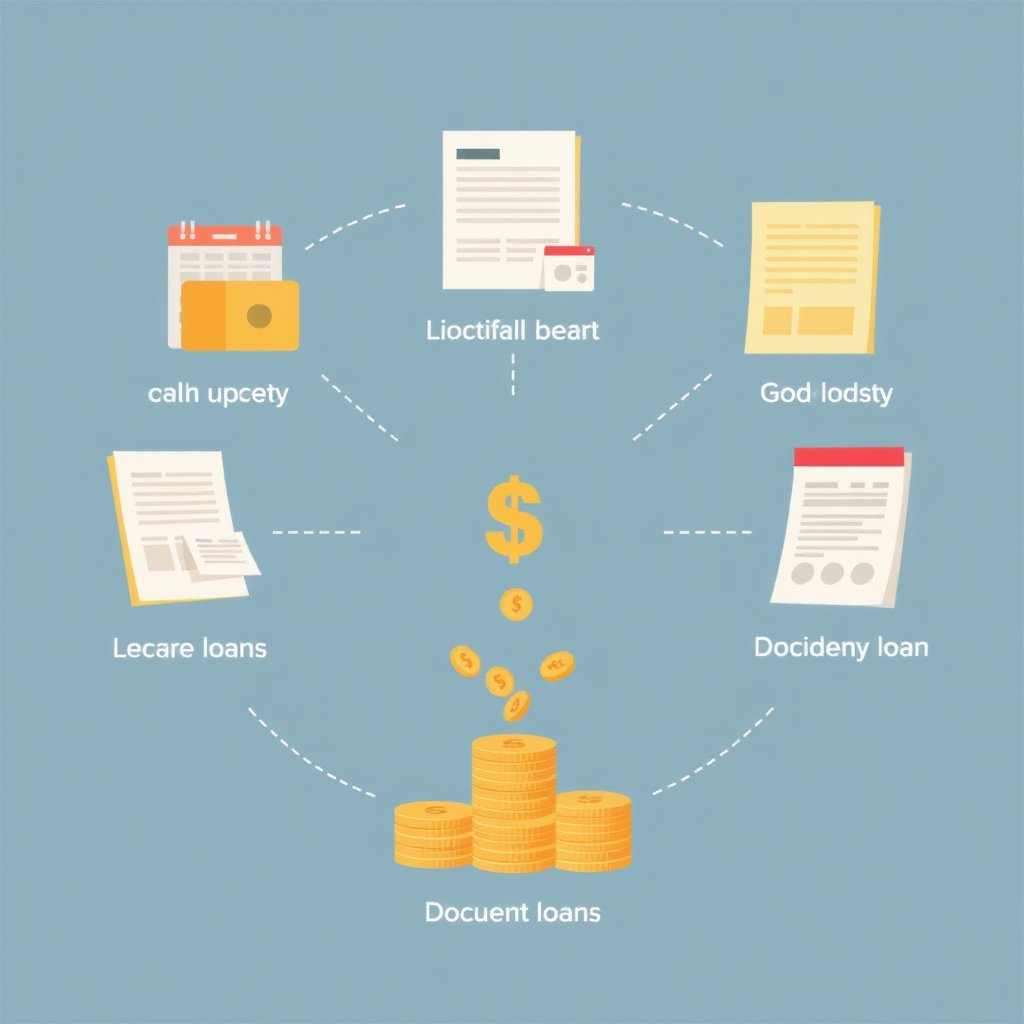
This loan combines construction financing and permanent mortgage in one, avoiding multiple applications. It converts from a short-term construction phase loan to a fixed-rate mortgage once building finishes.
Borrowers make interest-only payments on disbursed funds during construction, then full payments after conversion, which simplifies budgeting and closing costs.
For more on this, see our related guide: Do Lake of the Ozarks Homes Flood? What Buyers Should Know.
Stand-Alone Construction Loans
Separate loans cover construction costs and permanent financing, requiring two closings. Borrowers repay the construction loan typically with interest-only payments and secure a mortgage once construction ends.
This option suits borrowers unsure of permanent financing terms upfront or building for resale, but requires careful financial management to handle two loan processes.
Choosing the Right Lender for Your Lake House Loan

Local Banks and Credit Unions
Local lenders often have deeper knowledge of lake area regulations, zoning, and environmental challenges, which can streamline approval. They often provide personalized service and may offer competitive rates or flexible terms for community borrowers.
These institutions can guide borrowers through specific regional considerations like shoreline setbacks or flood zones affecting construction financing.
Specialized Construction Loan Lenders
Some lenders focus exclusively on construction financing with tailored products for lake houses. Their expertise means they understand complex projects and can provide detailed loan structures and draw schedules.
However, interest rates and fees tend to be higher, reflecting their increased risk assumptions, so comparison shopping is crucial.
Steps to Applying for a Construction Loan
Gathering Required Documents
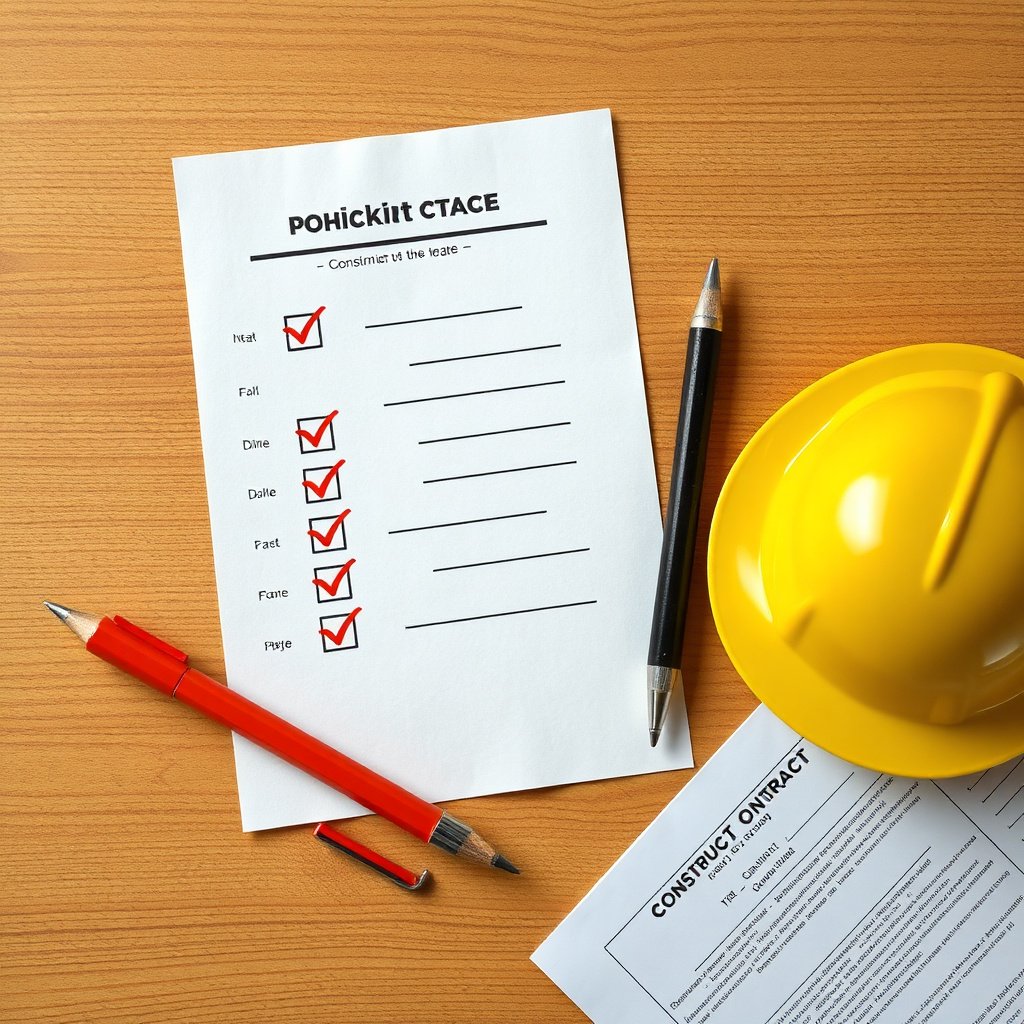
Prepare to compile financial statements, credit reports, construction plans, contracts, and permits. Having detailed documentation handy speeds lender review and limits back-and-forth during underwriting.
Verification of builder credentials and insurance policies is equally important to satisfy lender requirements.
- Personal identification and financial records
- Project plans and construction budget
- Builder contract and licensing
- Necessary permits
For more on this, see our related guide: How to Buy a Lake House at the Lake of the Ozarks: A Complete Guide.
Submitting and Reviewing the Loan Application
Once submitted, the lender orders appraisals and inspects plans, possibly requiring revisions or clarifications. Expect discussions on draw schedules and contingency reserves to prevent cost overruns.
Loan approval depends on all conditions being met, after which loan closing and fund disbursement begin according to the agreed timeline.
Managing Construction Loan Draws and Payments
How Draws Work During Construction
Draws release loan funds in increments after verification of completed work, inspected by lenders or third parties. This protects the lender from funding unfinished work or budget overruns.
Each draw requires detailed invoices and progress reports submitted by the borrower or builder. Adhering to scheduled draws keeps construction on track and financially manageable.
For a detailed overview of construction loans and their mechanics, consult this construction loan details on Wikipedia. construction loan details on Wikipedia.
Transition to Permanent Mortgage Payments
After construction completes and final inspections pass, the loan transitions to permanent financing if using a construction-to-permanent loan structure. Monthly payments then include principal and interest based on the original mortgage terms.
Borrowers should plan for this payment change and budget accordingly, especially for lake houses which may have higher insurance or property taxes.
Construction Loan Types for Lake Houses Compared
Here’s a quick comparison of common construction loan types to help you decide which fits your lake house project best.
| Loan Type | Duration | Interest Rates | Down Payment | Repayment Structure |
|---|---|---|---|---|
| Construction-to-Permanent | 12-24 months | 4-7% | 20-25% | Interest-only during construction, then fixed payments |
| Stand-Alone Construction | 6-18 months | 5-8% | 25% | Interest-only during construction, then new mortgage payments |
| Owner-Builder Loans | Varies | 5-10% | 30% | Varies widely, requires borrower to manage construction |
| FHA Construction Loans | 12-18 months | 4-6.5% | 3.5% | Includes low down payment but stricter requirements |
Frequently Asked Questions
Can I use a construction loan to buy land and build a lake house?
Yes, construction loans often cover both land purchase and building costs, though some lenders require you to already own the land. Confirm this with your lender upfront.
How long does it typically take to get approved for a construction loan?
Approval can take 30-60 days since lenders review detailed plans, budgets, credit, and builder credentials thoroughly before committing funds.
What happens if construction costs go over budget during the project?
You may need additional funds or lenders may require contingency reserves. It's important to budget cautiously and communicate with lenders early if changes arise.
Are construction loans more expensive than regular mortgages?
Yes, they generally have higher interest rates because they carry more risk and have shorter terms during construction phases.
Do I need a licensed builder to qualify for a construction loan?
Most lenders require a licensed and insured builder to approve a loan, ensuring professional oversight and lower risk of construction delays or issues.
Key Takeaways
- Construction loans fund building a lake house through staged payments tied to progress
- Strong credit, detailed plans, and a licensed builder improve loan approval chances
- Construction-to-permanent loans simplify financing by combining phases into one loan
- Choosing lenders familiar with waterfront properties can ease approval complexities
Conclusion
Determining how to get a construction loan for a lake house requires understanding both your financial readiness and the unique demands of building on waterfront property. Clear plans, accurate budgets, and a trusted builder are essential to convince lenders to finance your project. Each step, from selecting your lender to managing draw schedules, influences the smooth progression of your lake house build. Taking a methodical approach reduces surprises and secures the needed funds throughout construction while safeguarding your investment.
If you are confident in your credit and have detailed architectural drawings along with licenses and permits, construction-to-permanent loans offer a streamlined solution that reduces paperwork and variations in costs over time. However, if you prefer flexibility or plan to shop for permanent financing after completion, stand-alone construction loans provide alternatives. Local banks often understand lake house zoning and environmental challenges better, while specialized lenders bring industry expertise. Weigh these options against your circumstances and anticipated construction timeline.
Before applying, compile your financial documentation carefully and engage professionals familiar with lakehouse development to avoid approval delays. Prioritize transparency with your lender about project scope, costs, and timelines. Once enrolled in a construction loan, track the disbursed draws closely and prepare for the transition to regular mortgage payments. This preparation ensures that once the dream lake house is built, the financing side will be solid and manageable for your new waterfront home.