Is It Better to Buy a Condo or a House at the Lake? A Practical Guide
Choosing between buying a condo or a house at the lake depends on your priorities like maintenance, space, cost, and lifestyle preferences. Condos usually offer shared amenities with less upkeep, while houses provide more privacy and customization. The decision comes down to how you plan to use the property and what trade-offs you're comfortable with.
Lakefront living is a unique lifestyle with recreational activities, stunning views, and a relaxed atmosphere. Understanding the differences between condos and houses in this setting matters because it affects your costs, freedom, and long-term satisfaction. The type of property you select can shape how you enjoy your time by the water and influence your investment value.
This guide covers the main considerations to weigh when deciding between a condo or a house at the lake. We’ll explore ownership and maintenance responsibilities, cost comparisons, lifestyle factors, community amenities, and resale potential. By the end, you'll have a clearer picture to choose the best lakefront property option for your needs.
Ownership and Maintenance: Condo vs. House at the Lake

Condo Ownership Responsibilities
When you own a condo at the lake, exterior maintenance such as lawn care, roof repairs, and common area upkeep is managed by the homeowners association (HOA). This means less personal time spent on outside work but requires paying monthly HOA fees.
Inside your unit, you are responsible for the interior maintenance and repairs. HOA rules can sometimes limit your ability to modify the exterior or significant structural elements, which may restrict personalization.
- HOA manages exterior and common spaces
- Monthly HOA fees for maintenance
- Limited exterior customization
- Interior upkeep is owner’s responsibility
House Ownership Responsibilities
Owning a lake house means full control over maintenance, including the yard, dock, and exterior structures. This flexibility allows you to customize fully but requires a larger investment of time and money.
You handle repairs, landscaping, and potentially septic and water systems independently or through hired services, which can add significantly to your costs compared to condo ownership.
- Complete control over property maintenance
- Higher time and financial commitment
- Opportunity for extensive customization
- Responsibility for all structural repairs
Cost Comparison Between Lake Condos and Houses
Upfront and Recurring Costs of Condos
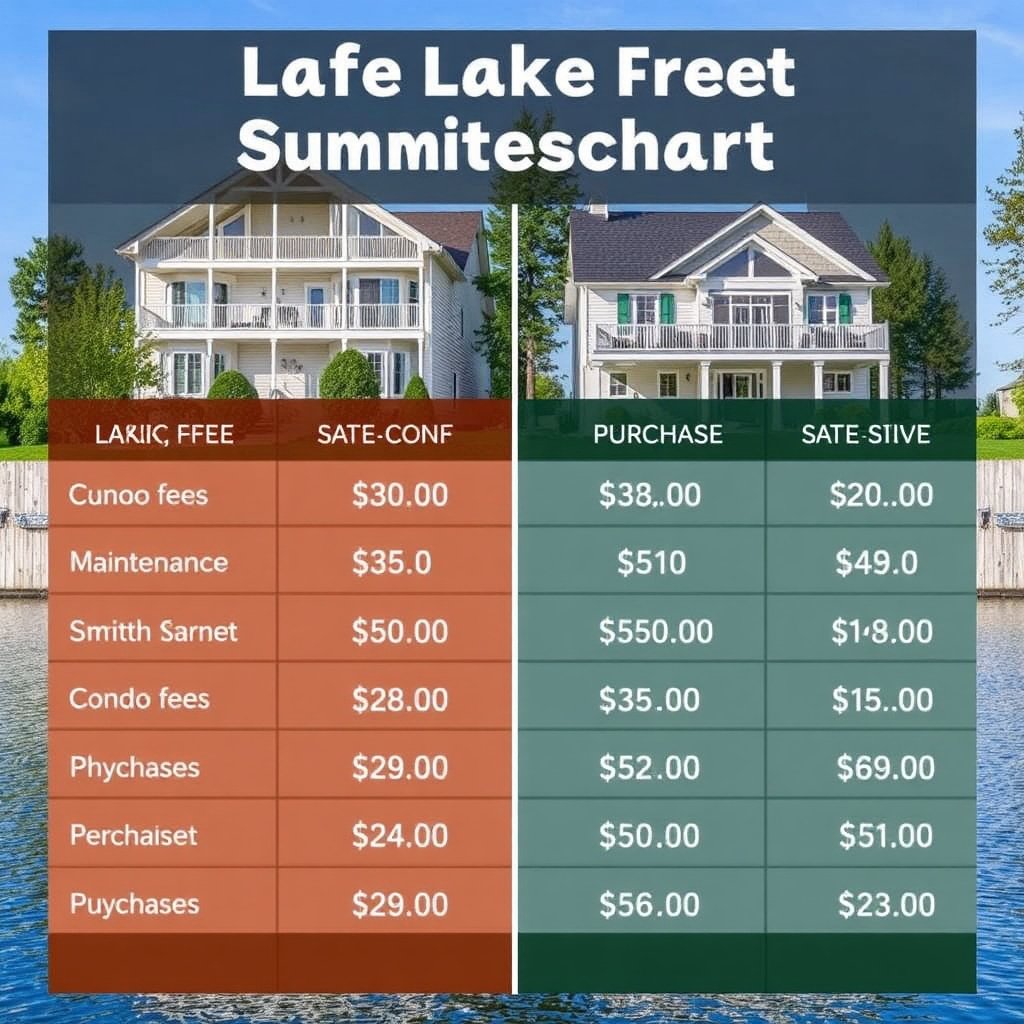
Condos typically have a lower purchase price than standalone houses on the lake, making them more accessible financially. However, monthly HOA fees can be substantial and sometimes unpredictable depending on community needs.
Many condo communities also charge special assessments for major repairs or upgrades, which can temporarily increase your expenses beyond regular fees.
- Lower initial purchase price
- Monthly HOA and maintenance fees
- Potential special assessments
- Shared utility costs in some cases
Costs for Lake Houses
Lake houses often involve a higher upfront cost, driven by land size and full ownership rights. While no HOA fees exist, ongoing expenses like landscaping, dock upkeep, and seasonal maintenance add up over time.
Property taxes on detached houses at the lake can be higher than condos, especially for larger or more developed sites. Budgeting for unexpected repairs is critical given the wear lakeside structures face.
- Higher initial purchase price
- No HOA fees but full maintenance costs
- Higher property taxes
- Variable repair and upkeep expenses
Lifestyle Considerations for Condo and House Living at the Lake
Living in a Condo Community by the Lake
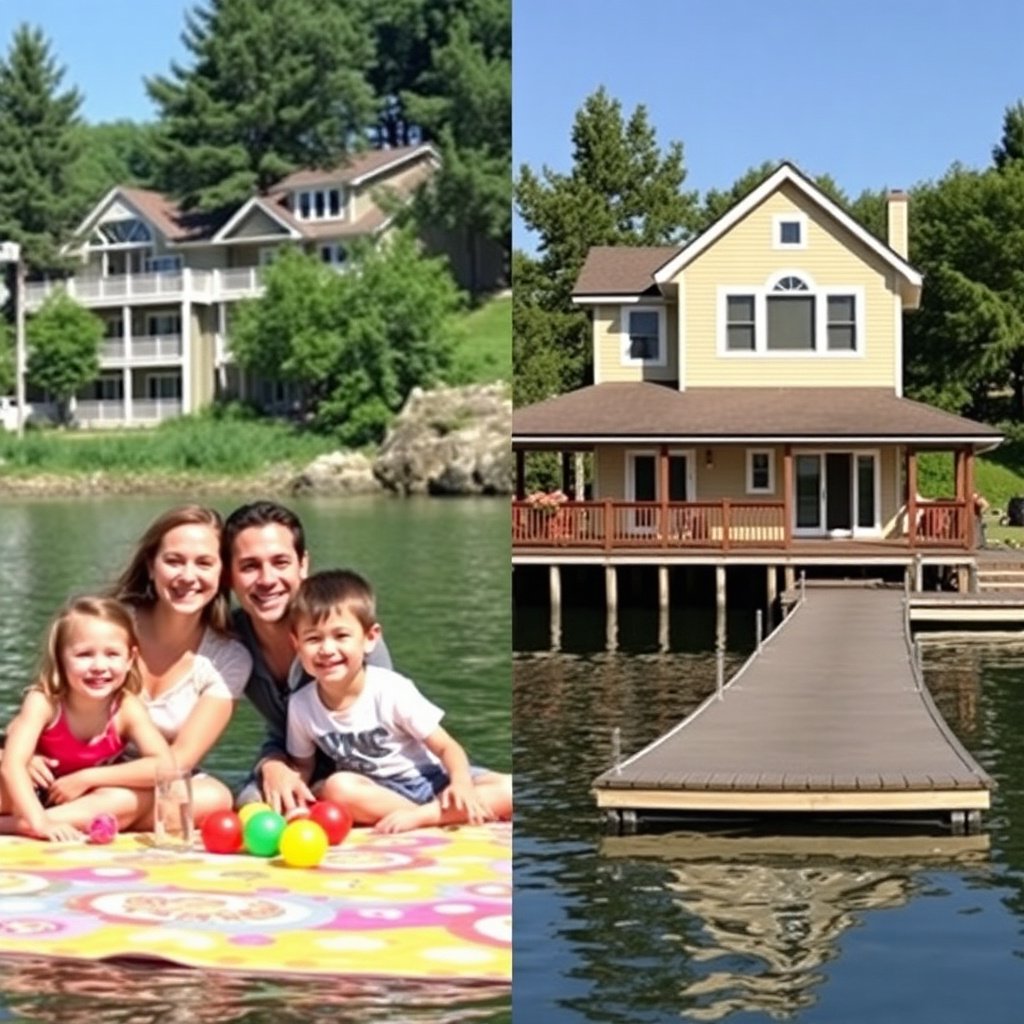
Condos often come with shared amenities like pools, fitness centers, and private beaches, creating a social environment that appeals to many buyers looking for convenience and community.
However, privacy and quiet can sometimes be sacrificed due to proximity to neighbors. HOA rules may restrict pet ownership, noise levels, and modifications to suit your lifestyle.
- Access to shared recreational facilities
- Lower maintenance lifestyle
- Rules and regulations limit autonomy
- Close proximity to neighbors
For more on this, see our related guide: How to Buy a Lake House as an Investment: A Step-by-Step Guide.
Living in a Private Lake House
A private house offers more solitude and freedom to design your own outdoor spaces, docks, and landscaping without restrictions. It can provide a more serene, personal lake experience.
This lifestyle often suits people who want to host larger gatherings, keep boats or equipment on their own property, and embrace a self-reliant approach to upkeep.
- Complete privacy and customization
- Ideal for hosting and storage
- Requires active property management
- More connection to natural surroundings
Community Amenities and Access Differences
Shared Amenities in Lake Condos
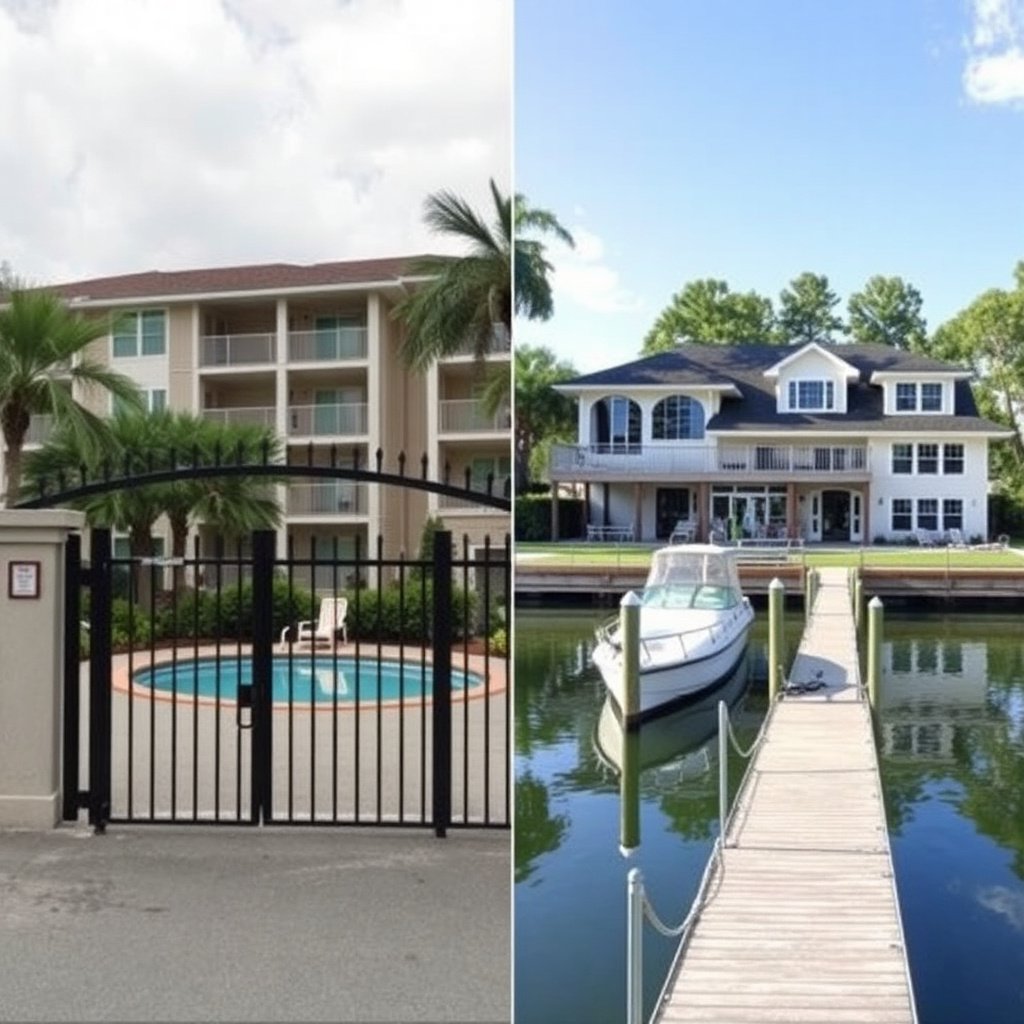
Many lake condos provide a range of shared facilities like boat slips, clubhouses, golf courses, and walking trails, funded via HOA fees. These features enhance leisure options without individual maintenance responsibilities.
Access to these amenities is typically regulated by the HOA, and some are only open to owners and their guests, offering a controlled and secure environment.
- Boat docks and slips maintained by HOA
- Clubhouses and community centers
- Security and gated access
- Organized social events
Facilities and Access for Lake House Owners
Owners of lake houses usually benefit from owning or leasing private docks and direct water access without limits imposed by a community association.
While they may lack community facilities, they enjoy flexibility to create personal outdoor features such as fire pits, extensive landscaping, or boat storage tailored to their preferences.
- Private docks and unrestricted water access
- No shared community facilities
- Flexibility in outdoor amenities
- Potential need for own security measures
Resale Value and Investment Potential of Lake Condos and Houses
Resale Trends for Lake Condos
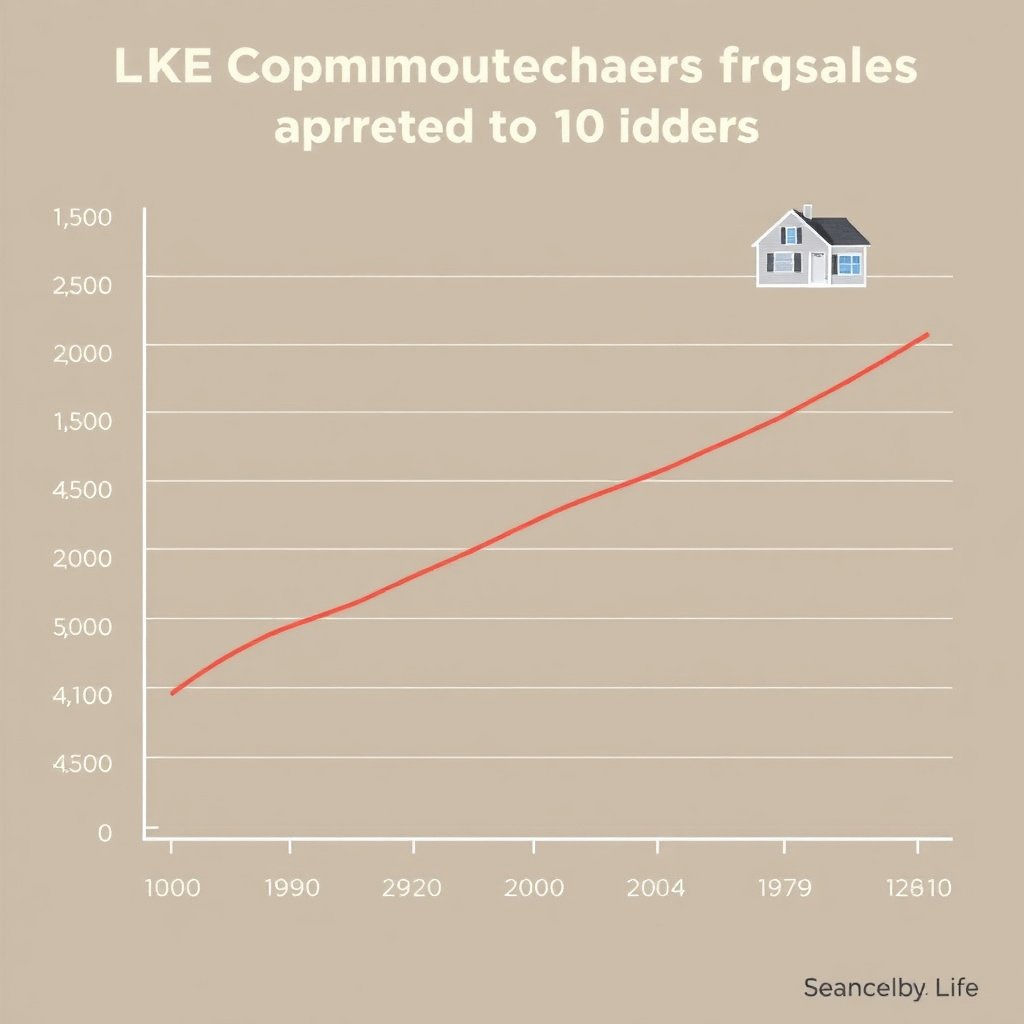
Lake condos tend to have stable but moderate appreciation. Their appeal often depends on the condition of the HOA and amenities offered. Resale can be quicker in popular resort communities.
Potential buyers may be deterred by HOA fees or restrictions, so market demand fluctuates with changing ownership rules and local tourism trends.
- Moderate appreciation rates
- Dependent on HOA reputation
- Typically quicker resale in resort areas
- Buyer perception influenced by fees
For more on this, see our related guide: How to Buy a Lake House for the First Time: A Practical Guide.
Investment Outlook for Lake Houses
Lake houses often appreciate more quickly due to land value and customization potential. Well-maintained homes with private access tend to retain value well in strong markets.
However, significant upkeep expenses can affect net returns, and resale periods may be longer during economic downturns or off-season times.
- Higher appreciation potential
- Land ownership adds value
- Maintenance costs impact profitability
- Longer resale time in slow markets
Legal and Insurance Considerations for Condo and House Buyers

Legal Factors for Condo Buyers
Condo buyers must review HOA covenants, bylaws, and financial health carefully, as restrictive rules or financial issues could impact ownership experience and resale value.
Insurance is usually split between the HOA’s master policy covering building exteriors and owners’ insurance covering interiors and personal property, requiring attention to coverage gaps.
- HOA governing documents impact ownership
- Master insurance policy plus individual coverage
- Potential for special assessments
- Restrictions on property use
For a broader understanding of lakefront real estate types and considerations, see this detailed Lakefront property information. Lakefront property information.
Legal and Insurance Issues for House Buyers
Stand-alone lake house buyers must ensure proper zoning and water rights, especially if they plan dock construction or shoreline modifications, which can involve permitting challenges.
Homeowners’ insurance for lake houses typically costs more due to flood risk and exposure to wind damage. Add-ons like flood insurance are often necessary and costly.
- Check zoning and water access permits
- Higher insurance premiums for lake exposure
- Flood and wind damage risk
- Full responsibility for legal compliance
Lake Condo vs. Lake House: A Side-by-Side Comparison
This table summarizes the key differences between buying a condo or a house at the lake to help you evaluate which suits your priorities best.
| Feature | Lake Condo | Lake House |
|---|---|---|
| Ownership Responsibilities | Interior upkeep, HOA handles exterior | Full property maintenance by owner |
| Purchase Cost | Generally lower upfront cost | Typically higher upfront cost |
| Monthly Fees | HOA fees apply | No HOA fees |
| Maintenance Time | Minimal personal maintenance | Significant personal or hired maintenance |
| Privacy Level | Less privacy, shared walls | More privacy and autonomy |
| Amenities | Shared facilities like pool and docks | Private docks, personal amenities |
| Customization | Limited by HOA rules | Full customization allowed |
| Resale Potential | Stable, sometimes quicker resale | Higher appreciation, slower resale possible |
| Insurance | Split coverage with HOA | Full owner responsibility, higher premiums |
Frequently Asked Questions
Are condos at the lake cheaper than houses?
Condos often have lower purchase prices and less maintenance cost but include monthly HOA fees, making them cheaper upfront but with ongoing costs.
Can I customize a lake condo exterior?
Typically, condo exteriors are controlled by the HOA, limiting exterior customization to maintain uniformity in the community.
Is maintenance easier with a condo or house at the lake?
Condos require less personal maintenance since the HOA manages exterior upkeep, while lake houses require owners to handle all maintenance tasks.
Do lake houses have higher insurance rates than condos?
Yes, lake houses usually face higher insurance premiums due to greater exposure to risks like flooding and wind damage.
How do HOA fees affect condo ownership costs?
HOA fees cover shared maintenance and amenities but can increase unpredictably if special repairs or upgrades are needed.
Key Takeaways
- Condos offer lower upfront cost and shared maintenance but less privacy and customization.
- Lake houses provide full control and potentially higher resale value but require more upkeep and higher costs.
- Lifestyle preferences and financial readiness should guide your choice between condo and house at the lake.
- Review HOA rules, insurance, and legal factors carefully before purchasing.
Conclusion
Deciding whether to buy a condo or a house at the lake depends on balancing your desire for convenience, privacy, and investment goals. Carefully consider how much maintenance you want to handle, what lifestyle suits you best, and your budget constraints. Both options provide unique ways to enjoy lakefront living but come with very different responsibilities and freedoms.
For buyers seeking low-maintenance living with access to shared amenities and a community feel, lake condos present an attractive option. On the other hand, if privacy, customization, and owning your land are priorities, a lake house aligns better with those needs despite the higher upkeep demands. People who want a weekend retreat with social opportunities may lean toward condos, while those aiming for a full-time, self-sufficient lifestyle might prefer houses. Understanding these scenarios clarifies your best match.
Once you've evaluated these factors, your next step is to tour available properties in your target area and compare specific HOA rules or property conditions. Consulting with a local real estate professional knowledgeable about lakefront property options will also help you navigate pricing and legal matters. Your decision between a condo or a house at the lake is personal but informed research ensures you invest in a home that brings lasting satisfaction by the water.


2 Comments