Is a Lake House a Second Home? Understanding the Classification and Implications
Yes, a lake house is generally considered a second home, especially if it is used for weekend visits, vacations, or seasonal stays rather than as a primary residence. The designation depends on the owner's use and the property's function in their lifestyle.
Understanding whether a lake house counts as a second home matters for financial, tax, and insurance purposes. Second homes have distinct rules regarding mortgage deductions, property taxes, and insurance coverage that differ from primary residences and rental properties.
This article examines what defines a second home, the special considerations for lake houses, and the financial, legal, and lifestyle implications of owning one. We'll also compare second homes with investment properties and discuss key factors to help you classify your lake house correctly.
What Is a Second Home?

Legal and Tax Definitions of a Second Home
A second home is typically defined as a residential property owned by an individual in addition to their primary residence. It must be suitable for year-round living and occupied by the owner for some part of the year but not used as a rental property.
For IRS purposes, mortgage interest on a second home can usually be deducted if the property is not rented out for more than 14 days per year. This tax treatment distinguishes second homes from investment or rental properties.
How Usage Affects Classification
The way you use a property determines whether it counts as a second home. Properties mainly used for vacations or short-term stays qualify, while those rented out full-time do not.
Personal use also affects whether it is considered a second home for insurance purposes. Insurers often require a clear separation between seasonal use and primary residence status when setting premiums.
Characteristics of a Lake House as a Second Home

Typical Use Patterns of Lake Houses
Lake houses are predominantly used as vacation retreats or weekend getaways, which fits the profile of a second home. Owners usually spend limited time there during summer or holidays while maintaining a different primary residence.
Some lake houses may be seasonal, lacking winter heating or road access during colder months, which supports their second home classification versus full-time primary residence.
Financial and Lifestyle Reasons for Owning a Lake House
Purchasing a lake house offers an opportunity for recreational activities, family bonding, and investment in real estate outside urban areas. These non-primary homes provide a lifestyle enhancement separate from daily work or school routines.
From a financial perspective, a lake house can serve as a second home where owners benefit from mortgage interest tax deductions and favorable property tax treatments, provided it fits the IRS’s definition.
Tax Implications for Lake Houses and Second Homes

Mortgage Interest Deduction Limits
For second homes—including lake houses—owners can typically deduct mortgage interest on up to $750,000 of combined loans for both primary and second homes, according to current IRS rules.
This deduction is only available if the property is used personally and not rented out beyond the IRS limit of 14 days a year, reaffirming the importance of usage in classification.
For more on this, see our related guide: How to Buy a Lake House Out of State: A Complete Buyer’s Guide.
Property Taxes and State Considerations
Property tax treatments on lake houses vary across states, with some offering specific exemptions or caps for second homes. However, rates often differ depending on whether the home is primary or secondary.
Owners should check local tax laws as lake houses may be subject to higher rates or additional vacation property taxes, affecting overall ownership costs.
Insurance Differences for Lake Houses as Second Homes

Coverage Specifics for Seasonal Properties
Second homes like lake houses often require specialized insurance policies to cover risks absent in primary homes, such as prolonged vacancy, flood, or water damage due to location near water bodies.
Standard homeowners’ insurance may not cover some hazards, necessitating supplemental flood or windstorm policies to mitigate these unique exposures.
Insurance Costs and Risk Factors
Insuring a lake house typically costs more than a primary residence due to risks of weather damage, seasonal occupancy, and sometimes limited emergency services.
Insurance providers assess proximity to water, local climate risks, and home security features when estimating premiums, which can vary significantly.
Comparing Lake Houses with Other Vacation Properties
Lake Houses vs. Beach Homes
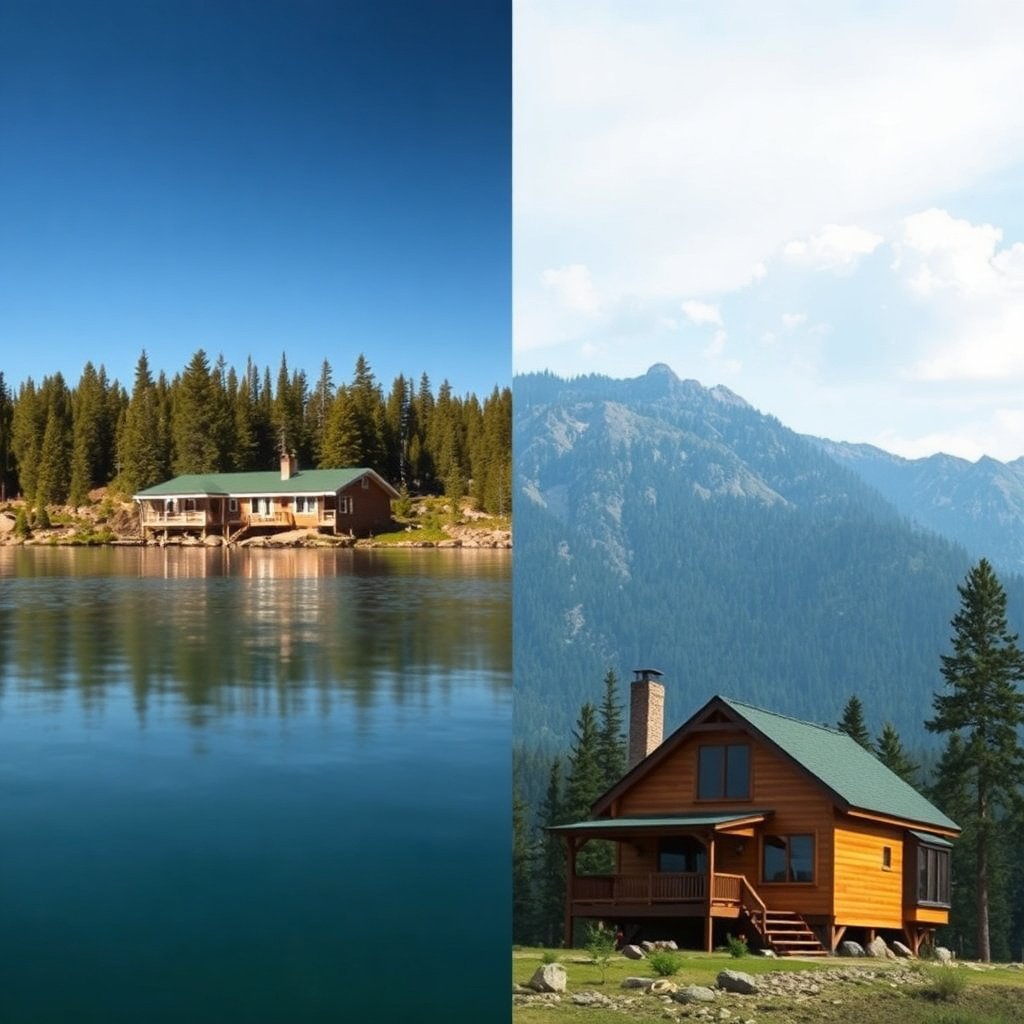
Lake houses generally offer freshwater recreational opportunities and often fewer crowds than beach homes, appealing to those valuing tranquility.
Beach homes face different maintenance and insurance challenges due to saltwater exposure and hurricane risk, which can influence buyer preferences and costs.
For more on this, see our related guide: How Much Income Do You Need to Buy a Lake House?.
Lake Houses vs. Mountain Cabins
Mountain cabins provide winter sports access and cooler climates, contrasting with lake houses focused on water-based summer activities.
Maintenance needs vary greatly; mountain cabins often require snow management, while lake houses focus on dock and shoreline upkeep.
Managing and Maintaining a Lake House as a Second Home

Seasonal Maintenance Tasks
Proper upkeep of a lake house includes preparing the property for winter to avoid freeze damage and reopening it safely in spring, covering plumbing, roofing, and lawn care.
Seasonal maintenance also involves dock inspections and treating wooden surfaces to prevent decay due to water exposure.
- Winterize plumbing and heating systems
- Inspect and repair roof and gutters
- Clean and secure docks and piers
For detailed tax information regarding second homes like lake houses, refer to the IRS guidelines on mortgage interest deductions and property classifications. IRS guidelines on second homes.
Security and Remote Property Management
Because lake houses are often unoccupied for months, installing security systems and arranging periodic inspections reduces the risk of vandalism or unnoticed damage.
Some owners hire local property managers to handle emergencies, upkeep, and rental arrangements if occasional leasing occurs.
- Remote monitoring cameras
- Local property management services
- Regular safety inspections
Comparison of Vacation Property Types
Here’s a quick overview comparing key attributes of popular vacation property categories including lake houses.
| Property Type | Common Usage | Maintenance Challenges | Insurance Costs |
|---|---|---|---|
| Lake House | Seasonal water recreation and relaxation | Dock and shoreline upkeep; freeze prevention | Moderate to high due to water proximity risks |
| Beach Home | Summer vacations and saltwater activities | Salt corrosion; hurricane damage protection | High, especially in hurricane zones |
| Mountain Cabin | Winter sports and secluded retreats | Snow removal; heating system maintenance | Moderate, depending on location |
| Urban Condo | Short-term city stays or weekend visits | Building fees; communal maintenance | Lower to moderate, less natural risk |
Frequently Asked Questions
Can a lake house be considered a primary residence?
Yes, if you live in the lake house most of the year and it is your main home, it is a primary residence rather than a second home.
Does owning a lake house always qualify for mortgage interest deductions?
Mortgage interest on a lake house is deductible as a second home only if it is not rented more than 14 days a year and meets other IRS conditions.
Are there special insurance requirements for lake houses?
Yes, lake houses often need additional flood and water damage insurance beyond standard homeowner policies due to their location and usage.
How do property taxes differ for lake houses compared to primary homes?
Property taxes on lake houses may be higher or have distinct rates depending on local laws, especially if they are classified as vacation or second homes.
Is a lake house a good investment property?
While a lake house can appreciate in value, if rented regularly it typically becomes an investment property rather than a second home, affecting taxes and insurance.
Key Takeaways
- A lake house generally qualifies as a second home based on ownership and usage patterns.
- Tax benefits and mortgage interest deductions apply differently to second homes than for rental properties.
- Insurance for lake houses requires attention to water-related risks and seasonal occupancy.
- Maintenance and management of lake houses involve unique seasonal and security needs.
Conclusion
Determining whether a lake house is a second home revolves around how you use it and how it fits into your overall property portfolio. Since second homes must serve as a non-primary residence and are not primarily rented out, your pattern of occupancy is key. Knowing this distinction helps in managing tax filings, insurance coverage, and financial planning properly.
For people seeking a vacation retreat with opportunities for tax deductions and relaxed weekend living, lake houses typically meet the criteria of a second home. Conversely, if you intend to rent it out extensively or live there year-round, different classifications and considerations apply. Comparing lake houses with other vacation properties such as beach homes or mountain cabins also shapes expectations around maintenance, cost, and lifestyle.
If you’re considering purchasing or currently own a lake house, the next step is to review your usage, legal definitions, and local rules. Consulting with a tax advisor and insurance agent tailored to lake house second homes ensures your financial and legal standing aligns with how you enjoy your property.




2 Comments