How to Winterize a Boat Dock: Essential Steps for Cold Weather Protection
Winterizing a boat dock involves specific steps to protect its structure and components from harsh cold weather, ice, and snow damage. The process typically includes removing sensitive equipment, securing loose parts, and using protective materials to minimize wear during freezing conditions. This preparation is vital to prevent costly repairs and ensure the dock is ready for use once warmer weather returns.
Boat docks are constantly exposed to water, and with winter’s freezing temperatures, the risk of ice expansion causing damage is high. Taking proactive measures to winterize your dock reduces the chance of structural damage, such as warping, cracking, or loosening of pilings and decking. Moreover, winterization helps maintain the dock’s longevity and safety, protecting your investment.
This article covers step-by-step instructions on how to winterize a boat dock, including protecting the dock structure, removing hardware, securing electrical systems, and tips on regular maintenance through the winter. Additionally, it provides advice on selecting materials suited for cold climates and compares different methods to help you choose what works best for your specific dock setup.
Preparing the Dock Structure for Winter

Inspecting and Repairing Damage Before Cold Sets In
Before winter arrives, conduct a thorough inspection of your dock’s pilings, decking, and supports. Look for loose boards, rusted fasteners, or damaged pilings that could worsen from ice expansion. Address these minor repairs to prevent costly damage during freeze-thaw cycles.
Ensure tightened fasteners and replace any corroded hardware. This proactive step helps maintain the dock’s integrity against the stress imposed by ice and snow buildup.
- Check pilings for signs of rot or cracking
- Replace loose or missing nails and screws
- Apply water-resistant sealant to wooden parts
Using Protective Materials on Vulnerable Areas
Apply protective wraps or foam padding around pilings and edges most exposed to ice formation. These materials buffer the dock against pressure from expanding ice and floating debris.
Additionally, consider installing ice-eating devices or bubblers near pilings. These devices reduce ice buildup by circulating water, diminishing damage risk.
- Wrap pilings with UV-resistant dock wrap
- Install foam bumpers on dock edges
- Use bubbler systems to prevent ice accumulation
Removing and Securing Equipment
Taking Off Removable Hardware
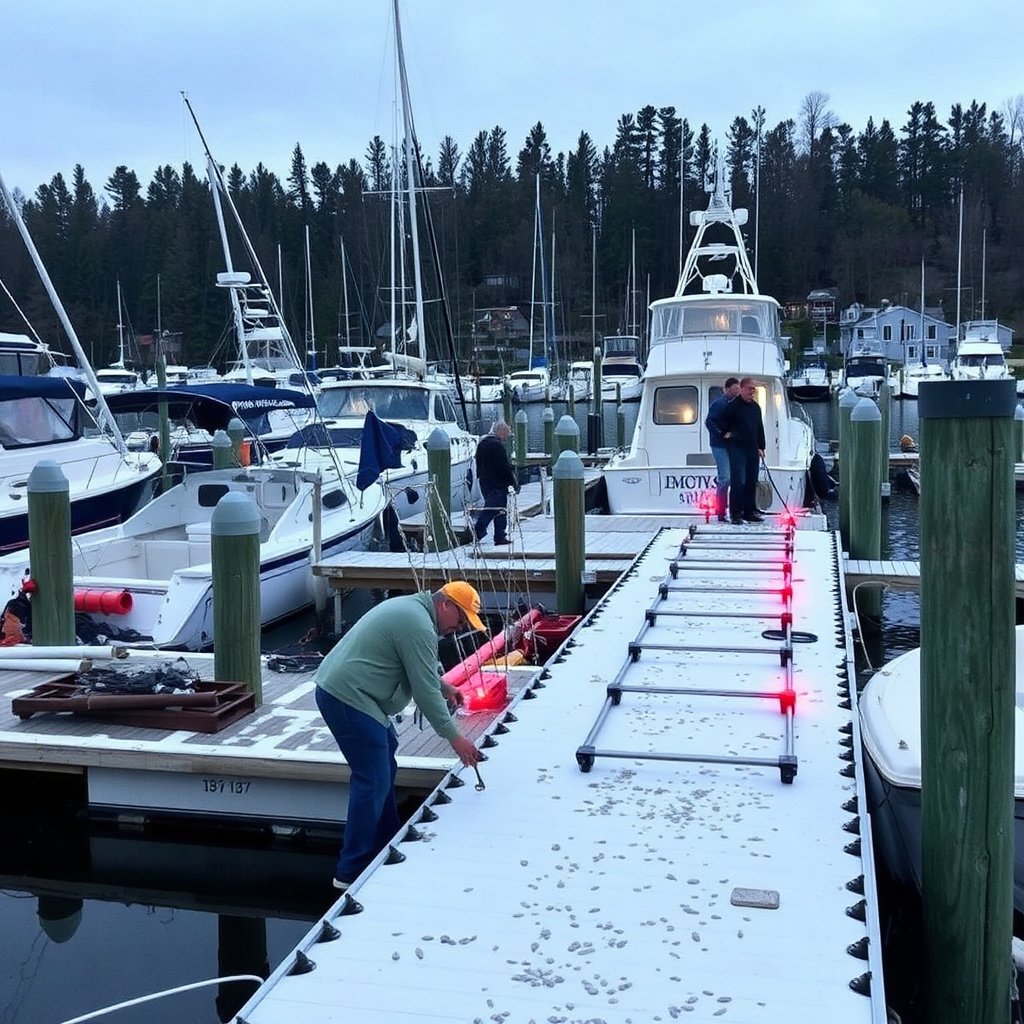
Remove ladders, cleats, and any detachable dock accessories before freezing temperatures. These items are prone to damage from ice expansion and freezing water around fasteners.
Store all removable parts in a dry, sheltered area to prevent corrosion and make reinstallation easier come spring.
- Detach aluminum or metal ladders
- Remove portable fishing rod holders
- Take off dock lights and electrical connections
Protecting Electrical Components
Disconnect any electrical connections and drain water from conduits to prevent freeze damage. Cover exposed wiring with weatherproof enclosures and ensure outlets have waterproof seals.
Shutting off electrical power at the source during winter helps avoid hazards related to short circuits or water ingress.
- Drain or blow out water lines serving electrical systems
- Use weatherproof covers on outlets and fixtures
- Turn off power supply to the dock
Securing the Dock Against Harsh Weather

Using Tie-Downs and Straps
Winter storms and ice flows can exert strong lateral forces on docks. Heavy-duty tie-downs or straps fastened to pilings or anchors help hold the dock firmly in place.
Choose corrosion-resistant straps rated for marine conditions. Proper tensioning of these ties prevents excessive movement that could loosen structural connections.
- Select stainless steel or coated straps
- Avoid overtightening which can damage dock framing
- Inspect straps regularly during winter
For more on this, see our related guide: How to Open a Lake House for Summer: A Practical Step-by-Step Guide.
Adjusting for Water Level Changes
Water levels can fluctuate significantly in winter due to freezing and thaw cycles. Installing adjustable floats or sliding brackets allows the dock to move vertically while remaining securely fastened.
This flexibility reduces stress on fixed structures and prevents damage from ice shifts or rising water.
- Install floating dock sections with adjustable connectors
- Use slack cables or chains to accommodate movement
Material Selection and Preservation for Winterization
Choosing Durable Materials for Cold Climates
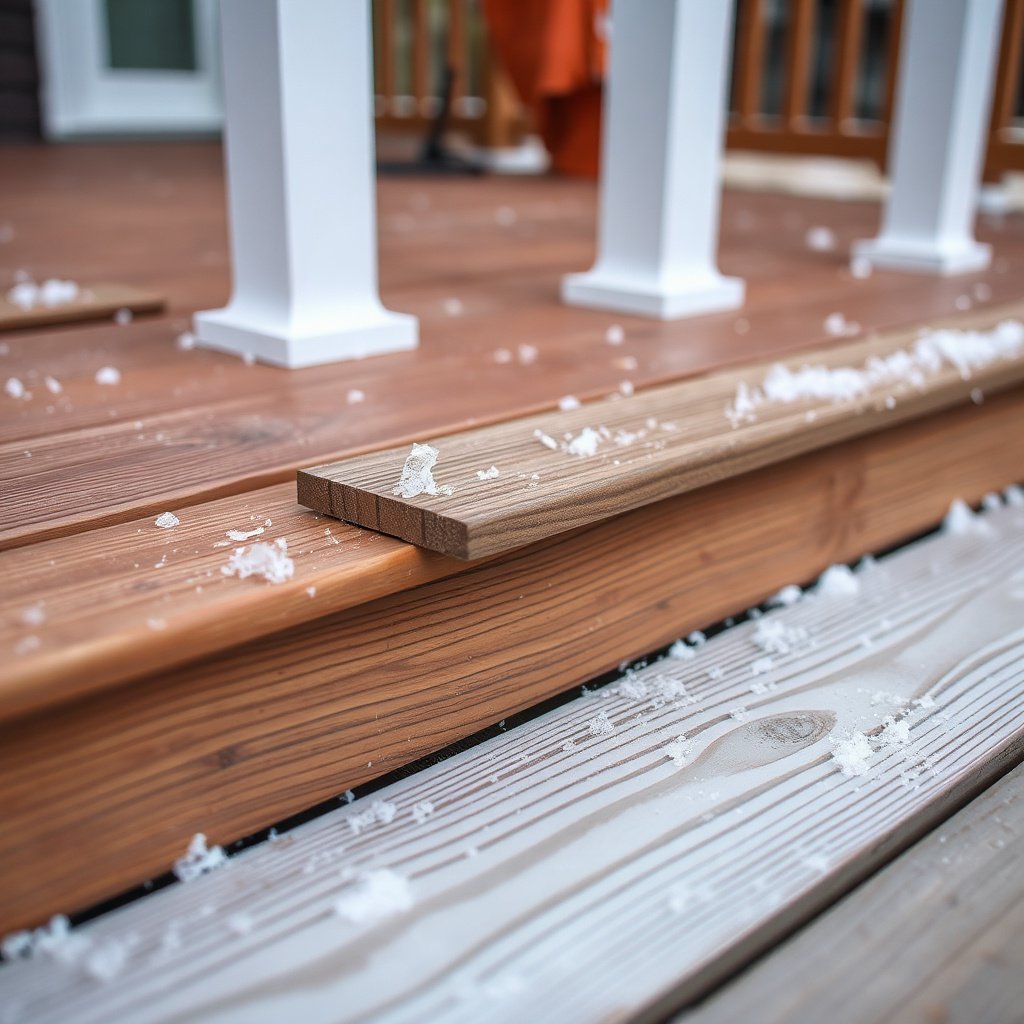
Wooden docks treated with water-repellent preservatives resist moisture absorption and ice damage better. Composite decking blends also perform well, offering resistance to cracking and warping in freezing weather.
Selecting corrosion-resistant metal fasteners like stainless steel further extends dock lifespan during winter.
- Pressure-treated lumber with water sealant
- Composite decking with UV stabilization
- Stainless steel or galvanized fasteners
Applying Protective Coatings
Regularly applying protective coatings such as marine varnish or sealant before winter reduces moisture penetration. This step is particularly important on wooden surfaces exposed directly to weather.
Avoid coatings that trap moisture inside wood rather than repelling it, as this can accelerate decay when frozen water expands.
- Marine-grade sealant for wood surfaces
- Non-toxic, eco-friendly coatings
- Reapply coatings every 1-2 years
Regular Winter Maintenance and Inspection

Dealing with Snow and Ice Accumulation
Snow buildup increases load on dock structures, risking damage or collapse if left unaddressed. Periodically clearing heavy snow helps reduce stress.
Avoid using metal shovels that can gouge decking surfaces. For ice accumulation, use salt alternatives safe for wood and marine environments.
- Use plastic shovels or brooms for snow removal
- Apply calcium magnesium acetate (CMA) for ice control
- Clear snow after major storms
Mid-Winter Structural Checks
Schedule mid-winter inspections to catch any shifting pilings, loose boards, or strap failures. Early detection of issues allows timely temporary fixes until permanent repairs can be done in spring.
Safety during inspections is paramount; wear insulated, non-slip boots and avoid walking on icy surfaces if possible.
- Look for cracked or bent pilings
- Check tension of tie-down straps
- Inspect electrical covers for integrity
How to Winterize a Boat Dock Effectively
The Step-By-Step Winterizing Process
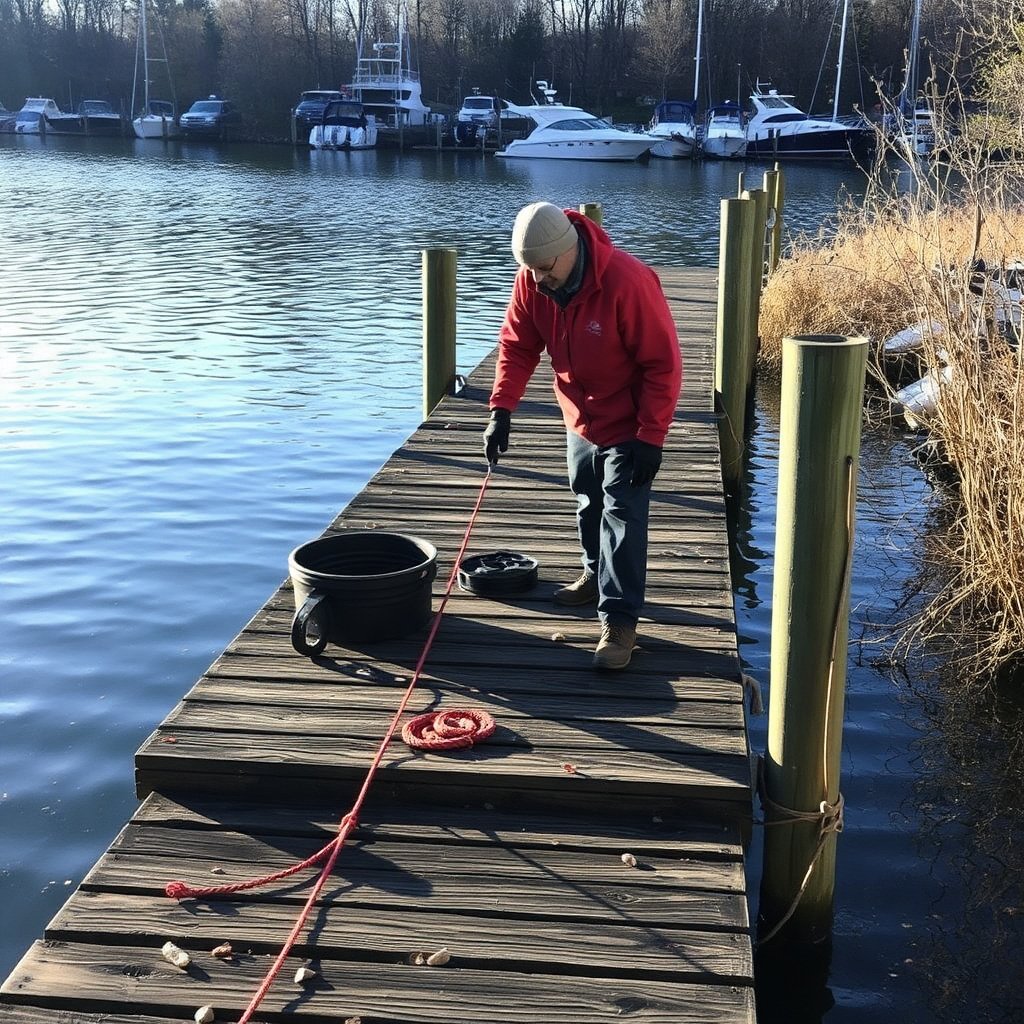
Start by removing all movable equipment, then inspect and repair structural elements. Apply protective wraps and tighten all fasteners. Next, disconnect electrical systems and install weatherproof covers.
Finally, secure the dock with straps and check adjustable connectors for water level adaptation. Regularly monitor the dock for snow and ice during winter months.
For additional maintenance tips related to boat docks and seasonal care, consult this expert guide on boat dock maintenance guidance. boat dock maintenance guidance.
Common Mistakes to Avoid During Winterization
Failing to remove hardware or neglecting to tighten loose boards can lead to extensive ice damage. Overlooking electrical system drainage risks costly short circuits.
Avoid using harmful chemicals like rock salt near docks, which can degrade materials and harm aquatic life.
- Leaving ladders attached during winter
- Ignoring minor cracks in decking
- Using rock salt for ice removal
Boat Dock Winterization Methods Comparison
This table compares popular boat dock winterization methods based on protection level, cost, and maintenance effort.
| Method | Protection Level | Initial Cost | Maintenance Required | Best For |
|---|---|---|---|---|
| Manual Removal & Securing | High | Low | Medium | Small private docks |
| Installing Bubblers & Ice Eaters | Medium-High | High | High | Docks in heavy ice regions |
| Protective Wraps & Foam Padding | Medium | Medium | Low | Moderate climates with some ice |
| Floating Dock Sections | High | High | Medium | Variable water levels and ice |
| No Winterization | Low | None | None | Warm climates without freezing |
Frequently Asked Questions
Why is it important to winterize a boat dock?
Winterizing protects the dock from ice, snow, and freezing temperatures that can cause structural damage, ensuring durability and safety during the cold months.
Can I leave my dock equipment attached all winter?
No, detachable equipment such as ladders and electrical fixtures should be removed to prevent ice damage and corrosion.
What materials are best for winter-proofing dock pilings?
Pilings wrapped with UV-resistant dock wrap or covered with foam padding made for marine use provide effective protection against freezing ice.
Are salt and de-icing chemicals safe to use on boat docks?
Most rock salts can damage wood and metal and harm aquatic life, so environment-friendly alternatives like calcium magnesium acetate should be used instead.
How often should winterized docks be inspected in cold months?
It’s advisable to inspect docks mid-winter after storms or large ice events to identify and address any emerging issues promptly.
Key Takeaways
- Winterizing a boat dock shields it from freeze-thaw damage and ice pressure.
- Removing hardware and securing electricals reduces risk of costly repairs.
- Protective wraps, padding, and bubblers enhance dock resilience in winter.
- Regular maintenance during winter prevents snow and ice buildup damage.
Conclusion
Deciding how to winterize your boat dock hinges on understanding the specific ice and weather challenges your area faces and the dock’s design. The goal is to minimize ice buildup and structural movement that cause damage. Effective winterization is a balance of proactive preparation, material choice, and ongoing care to protect your dock’s integrity through cold months without excessive effort or cost.
For docks in regions with heavy ice, methods like installing bubblers combined with protective wraps provide comprehensive defense, though at higher cost and maintenance levels. Smaller docks in mild climates can benefit significantly from manual equipment removal and tie-downs, which are cost-effective precautions. Floating docks offer adaptability in changing water levels but require specific hardware to winterize effectively. Consider your dock’s size, materials, and local winter conditions when selecting your winterization approach.
Taking the first step by cleaning, inspecting, and removing vulnerable accessories sets a strong foundation. Following up with protective materials and secure moorings keeps your dock safe during winter. Regular winter checks prevent surprises once thaw arrives. By investing effort into how to winterize a boat dock now, you safeguard your waterfront investment while ensuring a smooth start to the boating season come spring.





One Comment