How to Maintain a Well: Essential Tips for Safe and Reliable Water Supply
Maintaining a well involves regular inspection, cleaning, and testing to ensure your water supply remains safe and reliable. Proper upkeep prevents contamination, preserves pump functionality, and extends the lifespan of your well system.
Understanding why well maintenance matters can protect your health and save costly repairs. Untreated issues like bacterial growth, sediment buildup, or mechanical failures can compromise water quality and flow, disrupting daily water availability.
This article covers the basics of how to maintain a well, including routine checks, water testing schedules, common problems, and recommended maintenance procedures. These guidelines will help you safeguard your well water and avoid unexpected breakdowns.
Routine Well Inspection and Cleaning
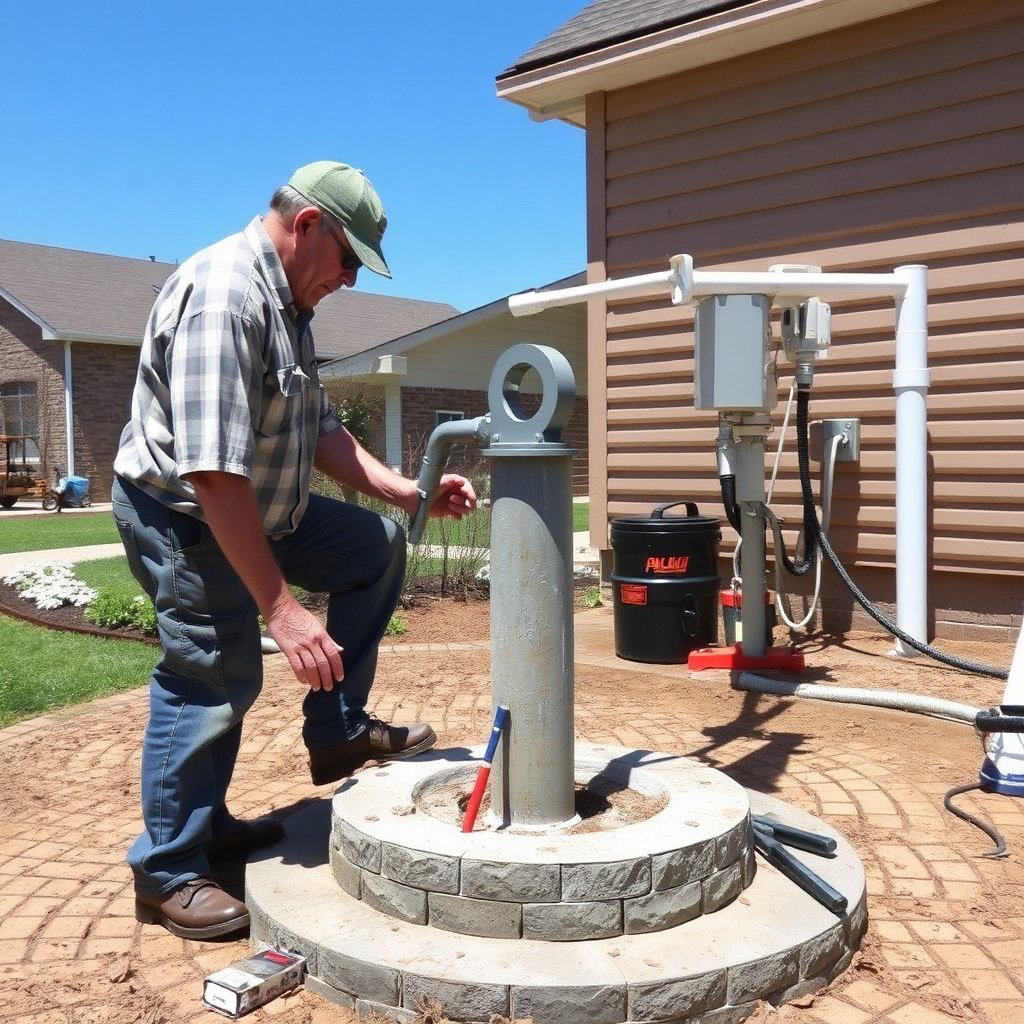
Checking the Wellhead and Cap Integrity
Inspect the wellhead and cap regularly for cracks, rust, or any breaches that could allow surface contaminants to enter. The wellhead should be above ground level, with a secure, sanitary cap to keep out dirt, insects, and small animals.
Ensure that the area around the wellhead is free from debris, standing water, and chemical storage. This prevents pollution and protects the well’s structural integrity.
- Look for cracked or deteriorating seals
- Confirm the cap screws tightly
- Clear vegetation and debris within a 10-foot radius
Cleaning the Well Casing and Pitless Adapter
Professional cleaning of the well casing and pitless adapter (the connection point between the underground well pipe and your home’s water system) removes biofilm, sediment, and mineral deposits. This cleaning optimizes flow and prevents bacterial colonies from taking hold.
Frequency depends on water quality and usage, but a thorough cleaning every 3 to 5 years is standard unless contamination is indicated by testing results.
Water Quality Testing

Testing for Bacteria, Nitrates, and Contaminants
Conduct water testing annually to identify harmful bacteria such as coliform and E. coli, as well as nitrates, heavy metals, and other pollutants. These tests are critical in detecting contamination that can cause health risks.
Use certified laboratories for reliable results and take immediate action if contaminants are found, which may include disinfection or installing treatment systems.
- Annual testing recommended
- Additional testing after floods, repairs, or nearby chemical spills
Evaluating Water Hardness and pH Levels
Hard water can cause scale buildup inside your pipes and pump. Regular testing of calcium and magnesium levels helps determine if you need water softening equipment.
Monitoring pH is essential because acidic water can corrode pipes and plumbing fixtures. Adjusting pH with neutralizing filters maintains system longevity and water taste.
Pump and Equipment Maintenance
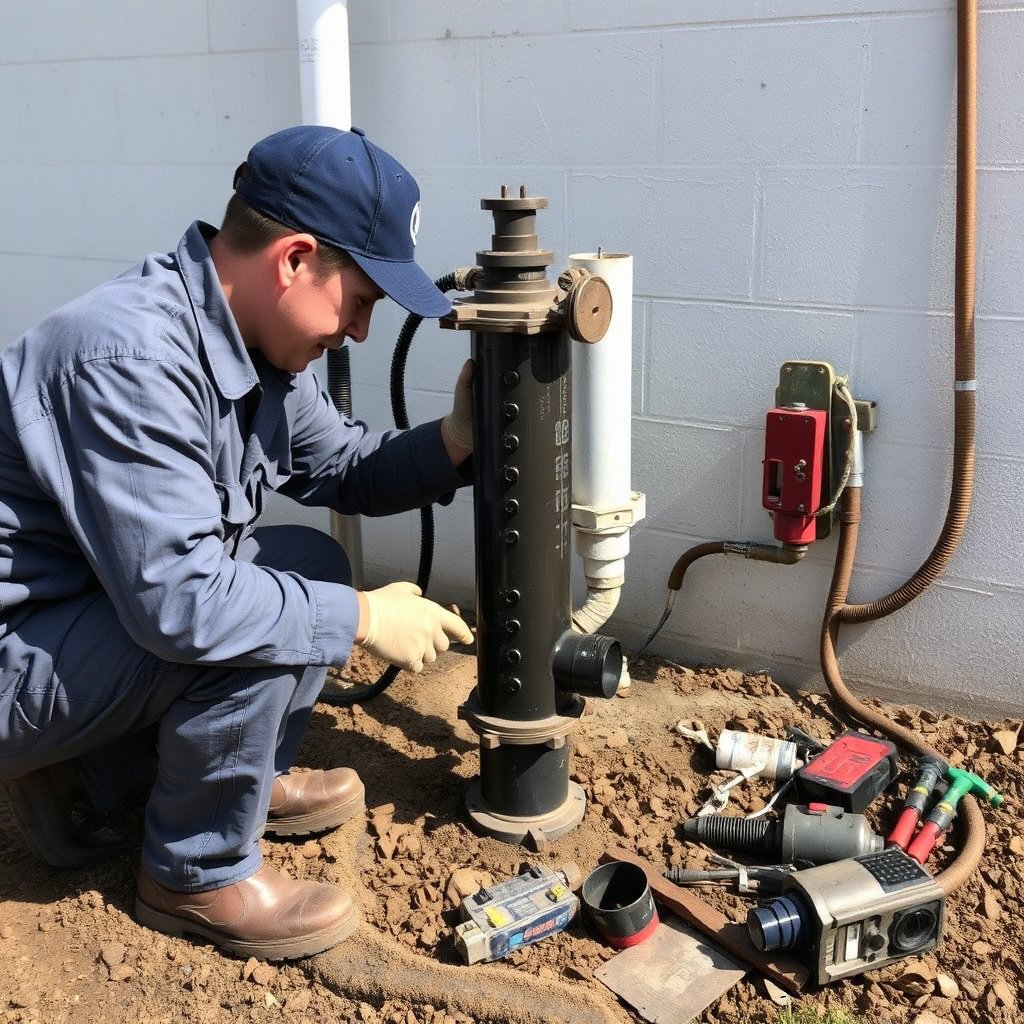
Inspecting and Servicing the Well Pump
Periodic inspection of the pump ensures it operates efficiently and prevents failures. Listen for unusual noises, check for vibrations, and verify consistent water pressure as indicators of pump health.
Consult manufacturer guidelines for routine servicing, which may include lubrication, seal replacement, and electrical component checks.
- Annual professional pump check recommended
- Replace pump seals every 3-5 years
For more on this, see our related guide: How Much Does It Cost to Maintain a Lake House? A Detailed Cost Breakdown.
Maintaining Pressure Tanks and Control Systems
Pressure tanks maintain steady water flow and reduce pump cycling. Check tank pressure monthly and inspect for leaks or corrosion to avoid system strain.
Control systems, including pressure switches and electrical panels, require periodic calibration and cleaning to prevent malfunctions.
Preventive Measures Against Contamination

Ensuring Proper Drainage Around the Well
The ground around your well should slope away to avoid pooling rainwater or runoff that can carry contaminants. Installing gutters or French drains helps divert water safely.
Keep fuel, pesticides, fertilizers, and septic systems at least 50 feet away from the wellhead to minimize contamination risks.
- Maintain 50-foot safety radius
- Use landscaping to direct surface water flow
Sealing Abandoned Wells and Nearby Excavations
Unused or abandoned wells can be a direct pathway for pollutants into groundwater. Properly sealing and documenting these wells safeguards water quality.
Coordinate with local health or environmental agencies for approved sealing procedures and permits.
Troubleshooting Common Well Problems
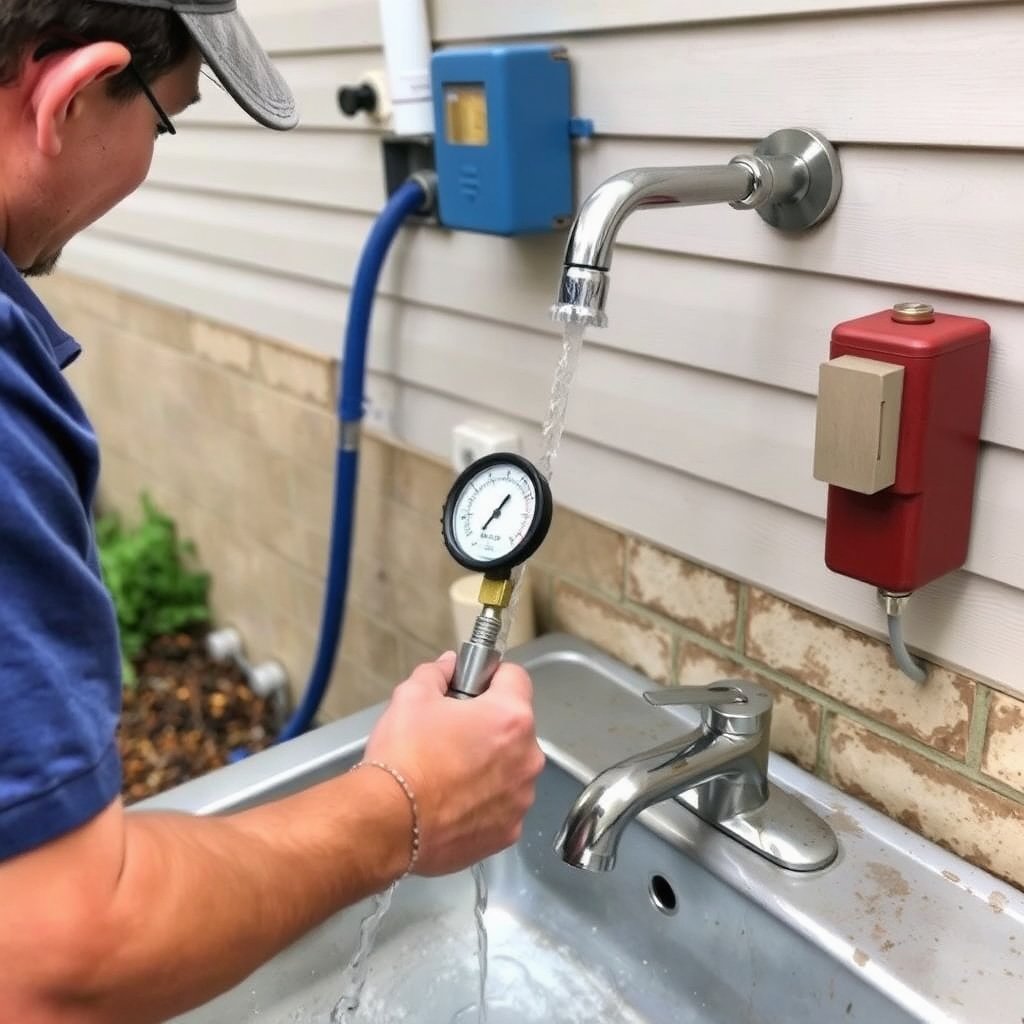
Addressing Low Water Pressure and Flow Issues
Low pressure can stem from pump wear, clogged pipes, or sediment buildup in the well screens. Inspect and clean filters and screens, and consider pump repair if symptoms persist.
Regular maintenance of the pump and screens prevents recurring flow problems and water delivery interruptions.
- Check for leaks in plumbing
- Schedule pump inspection if pressure remains low
For more on this, see our related guide: How Long Does a Septic System Last? Lifespan and Maintenance Tips.
Responding to Cloudy or Discolored Water
Cloudy or discoloration may indicate sediment intrusion or bacterial presence. Flushing the well and shock chlorination can clear temporary contamination.
If discoloration persists, professional water analysis and system upgrades like filtration may be necessary.
Legal and Safety Considerations in Well Maintenance
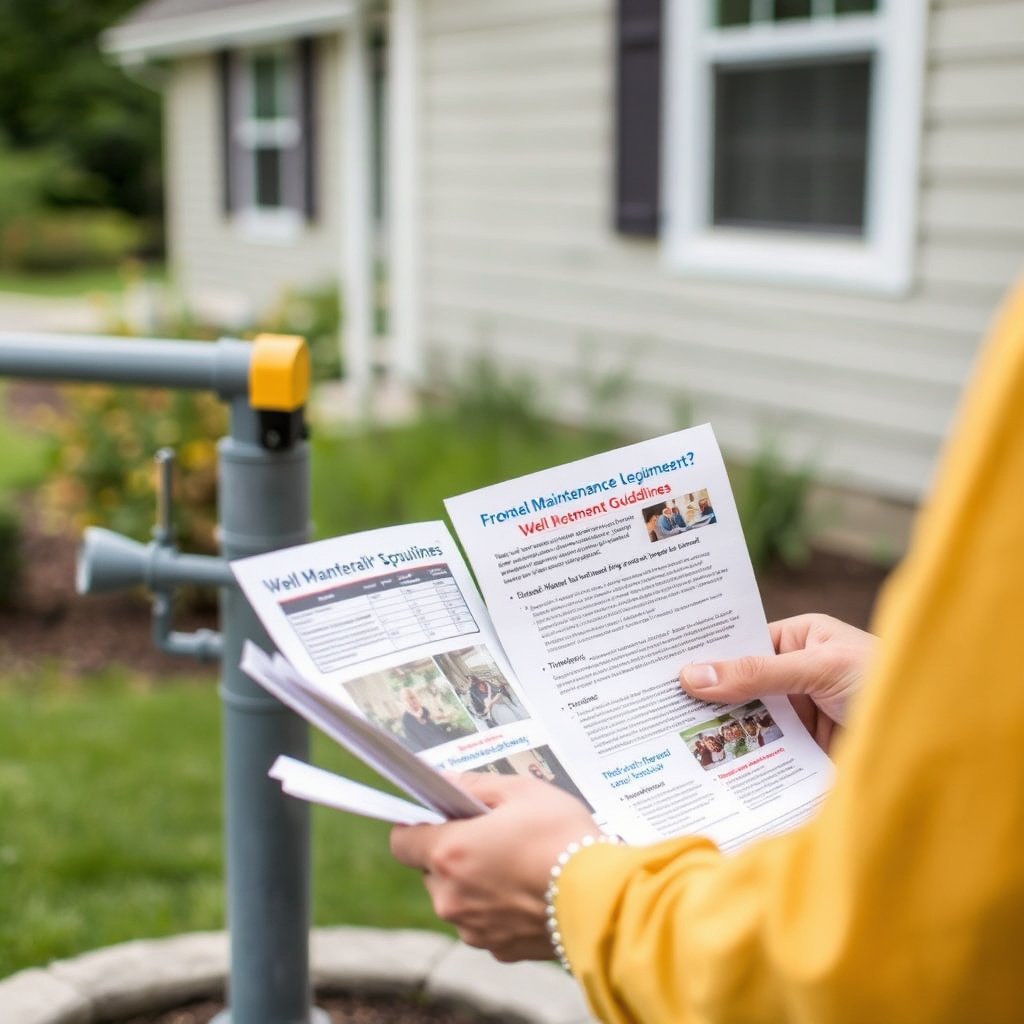
Local Regulations and Permits for Well Maintenance
Check your area’s requirements for well maintenance, repair, and water testing. Some jurisdictions mandate annual inspections or specific disinfection protocols to protect public health.
Permits may be required for major repairs, pump replacement, or sealing abandoned wells.
For more detailed recommendations on well maintenance and water safety, consult the EPA’s drinking water well maintenance guidelines. drinking water well maintenance guidelines.
Safety Precautions During Maintenance Activities
Handling well components involves electrical and water hazards. Always turn off power before servicing pumps and avoid contaminating the well during maintenance.
Hiring licensed professionals for complex tasks minimizes risks of injury or system damage.
- Disconnect power before repairs
- Avoid chemical exposure to water source
Well Maintenance Methods Category Comparison
This table contrasts common well maintenance approaches across several practical factors, to help identify what fits your needs.
| Method | Cost Range | Frequency | Best for |
|---|---|---|---|
| Self-Inspection | $0 – $50 | Monthly to Quarterly | Basic upkeep and visual checks |
| Professional Cleaning | $300 – $700 | Every 3-5 years | Removing deposits and bacterial biofilms |
| Water Testing Services | $25 – $150 per test | Annually or after contamination events | Water quality assurance |
| Pump Servicing | $150 – $400 | Annually | Mechanical efficiency and repairs |
| Full Well Rehabilitation | $1,000 – $5,000+ | As needed after major issues | Severe contamination or mechanical failures |
Frequently Asked Questions
How often should I test my well water?
Testing well water annually is recommended to detect contaminants early. Additional tests should be done after floods, repairs, or if water changes in taste, smell, or appearance.
Can I maintain my well myself?
Basic visual inspections and keeping the area clean can be done by homeowners, but detailed cleaning, pump servicing, and testing are best handled by professionals for safety and effectiveness.
What signs indicate my well needs maintenance?
Common signs include reduced water pressure, cloudy or foul-smelling water, unusual noises from the pump, or visible damage to the wellhead or cap.
How can I prevent contamination of my well?
Maintaining a secure wellhead, ensuring proper drainage, avoiding chemical storage near the well, and regular testing are key preventive measures.
What is shock chlorination and when is it needed?
Shock chlorination involves disinfecting the well with a high concentration of chlorine to kill bacteria, typically done after contamination is detected or following repairs.
Key Takeaways
- Regular inspections of the wellhead and equipment prevent contamination and damage.
- Annual water testing is essential to verify safety and detect pollutants early.
- Pump and pressure tank maintenance ensure reliable water flow and prolong system life.
- Proper site drainage and chemical storage practices protect groundwater quality.
Conclusion
Knowing how to maintain a well effectively means balancing routine checks, cleaning, and professional support to protect your water supply’s safety and reliability. By taking care of structural parts like the wellhead, keeping an eye on water quality, and maintaining the pump and control systems, you can avoid costly repairs and safeguard your health.
Homeowners using wells for their primary water source benefit from scheduling water testing at least annually and arranging professional cleanings every few years. Address common problems like low pressure or discoloration promptly with expert help. Maintaining proper drainage and managing the surrounding land reduces contamination risks, making a consistent maintenance routine essential.
If you have not already, begin by having your water tested to establish a baseline, then inspect the wellhead to confirm security against contaminants. Consider professional pump evaluation or cleaning if your system isn’t performing well. Consistent monitoring combined with practical preventive measures will ensure your well provides clean, safe water for years to come.