How to Open a Lake House for Summer: A Practical Step-by-Step Guide
Opening a lake house for summer requires a thorough inspection and preparation process that ensures safety, comfort, and enjoyment all season long. This includes checking utilities, cleaning thoroughly, inspecting the structure, and setting up outdoor areas for relaxation and activities.
Getting your lake house ready matters because months of offseason closure can lead to plumbing issues, wildlife intrusions, mold growth, and environmental wear and tear. Proper preparation prevents costly repairs and creates a welcoming space for family and friends.
This article will guide you through each essential step: from initial safety inspections and cleaning strategies to preparing your water system, setting up outdoor amenities, and planning seasonal maintenance schedules to help you enjoy your summer by the lake with confidence.
Inspecting and Preparing the Lake House Structure

Checking the Roof and Exterior for Damage
Start with a detailed inspection of the roof, gutters, and siding. Look for broken shingles, leaks, and clogged gutters which can cause water damage during spring rains. Pay attention to wood rot, peeling paint, or signs of insect activity around the exterior.
Addressing these issues early prevents long-term damage. Repair damaged areas and clean gutters to ensure proper drainage. Seal any cracks or holes to block drafts and unwanted pests.
- Look for loose or missing shingles
- Clean gutters and downspouts
- Check the foundation for cracks
- Inspect windows and doors for gaps
Inspecting Doors, Windows, and Decks
Check all doors and windows for proper operation, damaged screens, and seals. Replace or repair to keep bugs out and improve energy efficiency. Examine the deck for loose boards, rusty nails, or unstable railings which could pose safety hazards.
If you use a dock, inspect it for damage or algae buildup. Cleaning and minor repairs now can avoid risks and extend its lifespan. Regular upkeep ensures your outdoor spaces remain inviting all summer.
- Test all locks and latches
- Replace torn window screens
- Tighten deck screws and nails
- Clean algae and debris from dock surfaces
Preparing Utilities and Systems for Summer Use
Restoring Water Supply and Plumbing Checks
After months of dormancy, slowly open the main water valve to refill pipes and avoid sudden pressure spikes. Inspect all faucets, toilets, and showerheads for leaks or corrosion. Flush the water heater and test the pressure regulator if applicable.
Drain outdoor hoses and sprinkler systems before use to avoid damage. You may need to disinfect the water system if the house was closed tightly all winter to prevent biological growth or stale odors.
- Open main valve gradually
- Inspect all fixtures for leaks
- Flush water heater
- Disinfect pipes if needed
For more on this, see our related guide: Why Live at Lake of the Ozarks: Top Reasons to Choose This Scenic Destination.
Checking Electrical and HVAC Systems
Test circuit breakers and replace any faulty components. Check all outlets, lights, and appliances for damage or corrosion, especially in damp areas. Clean or replace HVAC filters and run the system to confirm proper function.
For lake houses with air conditioning, schedule professional servicing if possible. Adequate ventilation and cooling are essential for comfort and preventing mold in humid summer months.
- Test all electrical outlets
- Reset breakers if tripped
- Replace HVAC filters
- Schedule professional AC check-up
Deep Cleaning and Pest Control
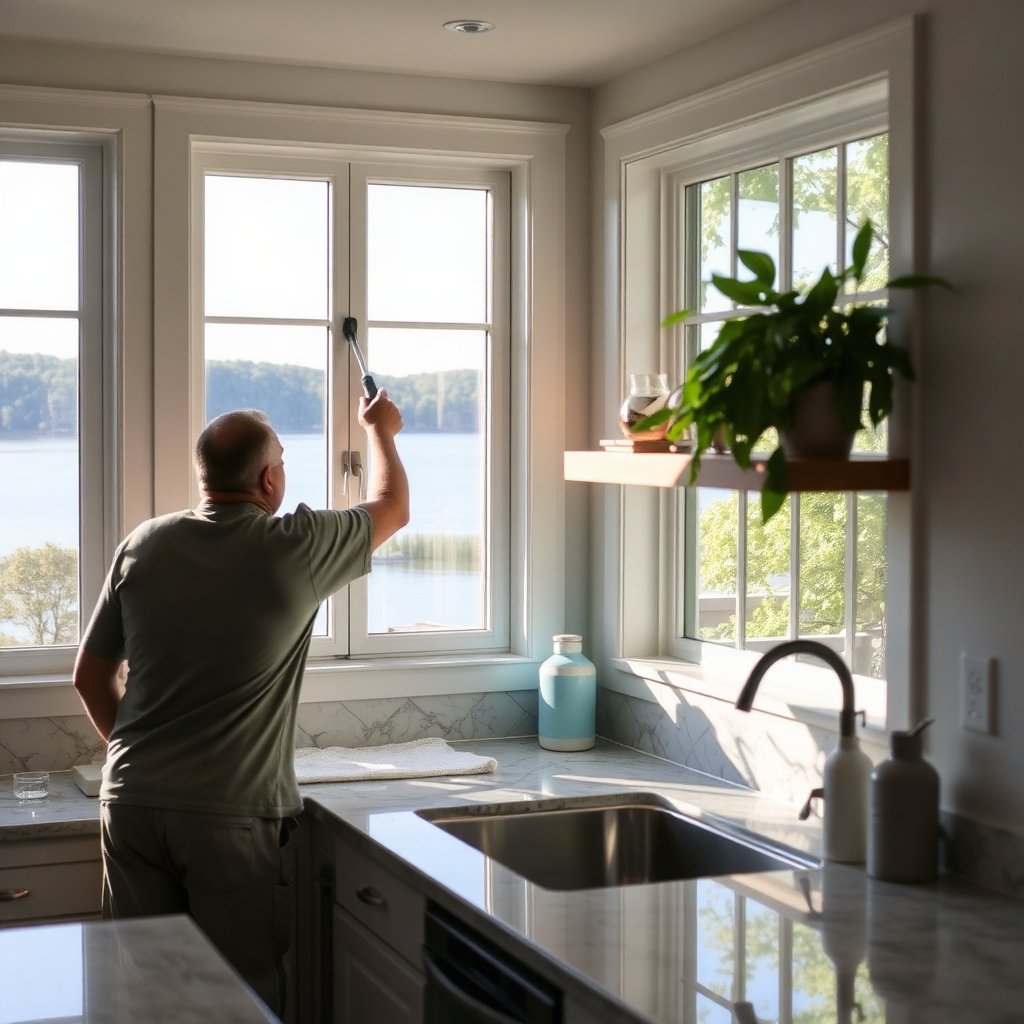
Interior Cleaning for Comfort and Health
Remove dust and debris accumulated over winter by thoroughly vacuuming, dusting, and mopping floors. Clean upholstery, curtains, and carpets to eliminate musty odors. Wipe down kitchen surfaces, appliances, and bathrooms with appropriate disinfectants.
Pay special attention to mold-prone areas like basements, bathrooms, and under sinks. If mold is present, address it with proper cleaning solutions or professional help to protect your health.
- Vacuum and mop all floors
- Clean kitchen appliances
- Sanitize bathrooms
- Wash or replace curtains
Preventing and Addressing Pest Problems
Before summer arrives, inspect for signs of rodents, insects, or other pests. Seal any entry points such as holes or gaps around pipes and vents. Set traps or bait stations as a proactive measure. Consider hiring pest control if infestations are severe.
Keep food sealed and dispose of garbage properly. Maintaining clean and dry storage areas reduces pest attractants. Outdoor areas like decks and docks should be kept clear of debris that could harbor insects.
- Seal cracks and holes
- Use traps for rodents
- Keep food securely stored
- Clean outdoor debris regularly
Setting Up Outdoor Spaces for Summer Enjoyment

Arranging Furniture and Leisure Equipment
Inspect, clean, and arrange outdoor furniture to create comfortable seating and dining areas. Repair or replace cushions and covers faded or damaged by winter exposure. Set up umbrellas or shade structures to shield from sun.
If you have watercraft like kayaks, paddleboards, or boats, check their condition and safety gear. Secure storage space and easy access will make daily lake activities more enjoyable.
- Clean and repair outdoor furniture
- Set up shade options
- Inspect watercraft and gear
- Organize outdoor storage
Preparing Grilling and Fire Pit Areas
Clean grills thoroughly, checking propane tanks or charcoal supplies before use. Arrange cooking and dining supplies within reach for efficient meal prep. Keep fire pits clear of debris and safe for use, confirming local fire regulations.
Outdoor cooking and fires are staples of lake house summers, but safety and maintenance help avoid accidents and enhance your overall experience.
- Clean and inspect grill
- Check fuel supplies
- Remove debris from fire pits
- Follow local fire safety rules
Planning Maintenance and Safety Protocols
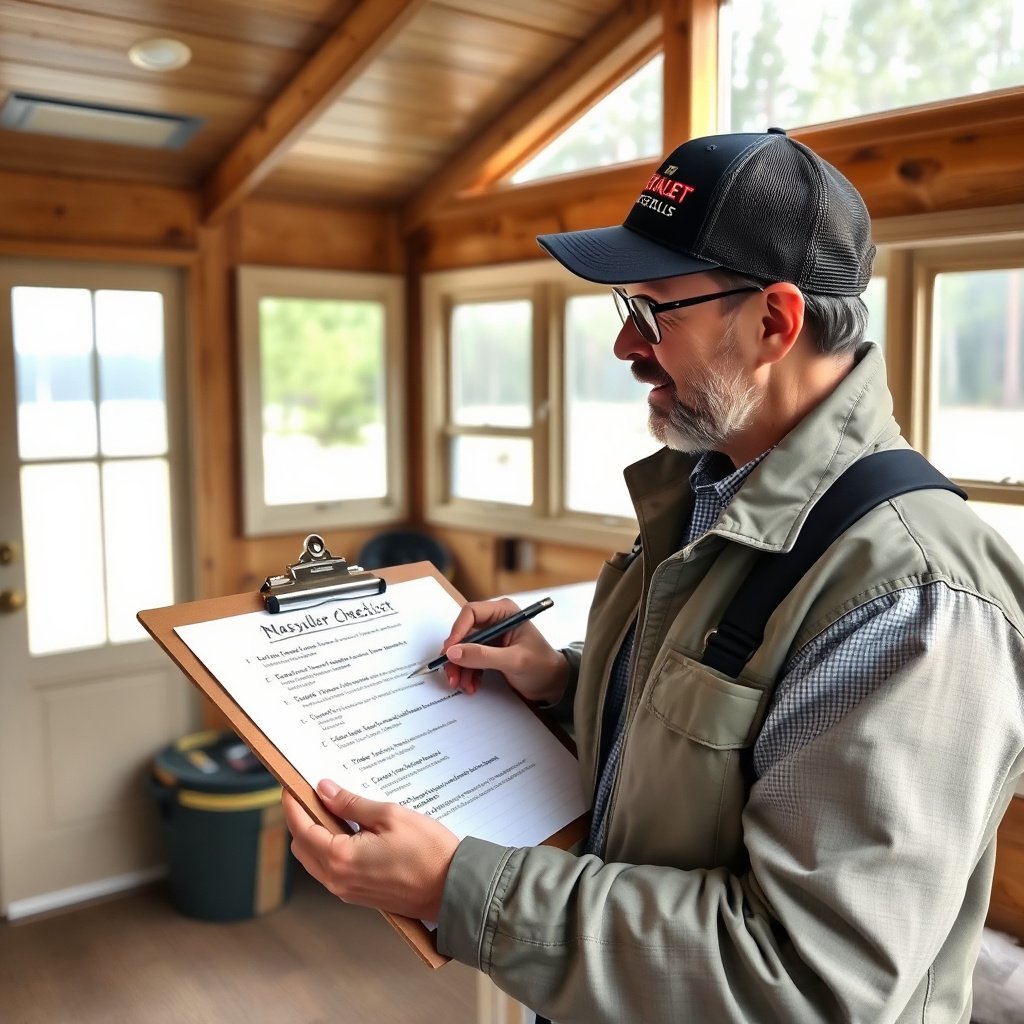
Scheduling Regular Maintenance Tasks
Create a calendar for routine tasks like checking smoke detectors, cleaning gutters, and servicing the HVAC system during summer. Staying on schedule prevents small problems from escalating and keeps your lake house running smoothly all season.
Note seasonal chores on a visible checklist to help you or any guests maintain the property efficiently between visits.
- Roof and gutter cleaning every few months
- Monthly HVAC filter checks
- Quarterly plumbing inspections
- Smoke and CO detector testing
Further insight on seasonal vacation home maintenance is available through Environmental Protection Agency resources. Seasonal Maintenance at Vacation Homes.
Establishing Safety Measures for Guests
Identify and clearly mark emergency exits, first aid kits, and life jackets near the water. Provide guidelines on safe swimming, boating, and fire usage to keep visitors informed. Check dock stability regularly and have emergency numbers posted.
Good safety preparation protects everyone’s well-being, especially with the unpredictability of water activities and outdoor living.
- Mark emergency exits conspicuously
- Keep first aid supplies accessible
- Provide life jackets near water areas
- Post emergency contact numbers
Lake House Opening Preparation Checklist Comparison
This table compares different preparation approaches based on thoroughness, cost, and time investment to help you choose the best opening strategy for your lake house.
| Preparation Type | Thoroughness | Estimated Cost | Time Required |
|---|---|---|---|
| Basic Cleaning Only | Low | $100-$200 | 4-6 hours |
| Full DIY Preparation | Medium | $300-$600 | 1-2 days |
| Professional Service Package | High | $800-$1500 | 1 day |
| Hybrid Approach (DIY + Select Professionals) | High | $500-$900 | 1-2 days |
Frequently Asked Questions
How early should I start opening my lake house for summer?
Begin the opening process at least 2-3 weeks before you plan to use the lake house to allow time for inspections, cleaning, repairs, and utility startups without rushing.
Can I keep the water system on year-round at a lake house?
Generally, it’s best to shut off and winterize your water system in cold climates to prevent pipe freezing and damage. Ask a local plumber for advice tailored to your region.
What pest control methods work best for lake houses?
Sealing entry points, keeping the house clean, using traps, and occasionally hiring professional pest control are the most effective ways to manage pests at lake houses.
Should I inspect my dock every season?
Yes, seasonal dock inspections detect damage or wear early. Cleaning algae and repairing structural issues helps keep it safe and functional all summer.
Is it necessary to service HVAC systems before summer at a lake house?
Servicing HVAC systems before summer ensures efficient cooling and helps prevent breakdowns during peak use, enhancing comfort and energy savings.
Key Takeaways
- Inspect and repair structural elements to prevent damage after offseason.
- Thoroughly check and restart water, electrical, and HVAC systems.
- Deep clean interior and control pests before occupancy.
- Set up outdoor spaces and maintain safety protocols for a smooth summer.
Conclusion
Successfully opening a lake house for summer hinges on systematic preparation that covers both functional and comfort aspects. From inspecting and repairing the structure to ensuring utility systems and pest control are up to par, every step contributes to a safe, welcoming environment. Regular maintenance scheduling is equally important to avoid surprises during your stay. This approach not only keeps your lake house in good shape but also saves money and stress in the long run.
For those managing this project themselves, starting with a basic cleaning and inspection and progressing to more detailed utility checks and outdoor setup is practical. Opting for professional services can save time and guarantee high thoroughness, especially for complex HVAC or plumbing tasks. A hybrid plan combining DIY efforts with selective professional help often balances cost and quality effectively. The comparison of preparation types helps identify which route suits your budget and timeline best.
As a next step, create a personalized checklist reflecting these guidelines tailored to your lake house’s specific features. Start early in spring to comfortably pace the work. Keep safety essentials visible for all guests, and prepare the outdoor and indoor spaces for relaxing summer fun. Taking these actions puts you in control to fully enjoy the tranquil summer days by the water at your lake house.





One Comment